Sulcata Tortoise For Adoption – Care Guide
Considering a sulcata tortoise for adoption means committing to a massive, long-lived reptile. Make sure you have ample space, resources for specialized care, and a deep understanding of their unique needs before bringing one home.
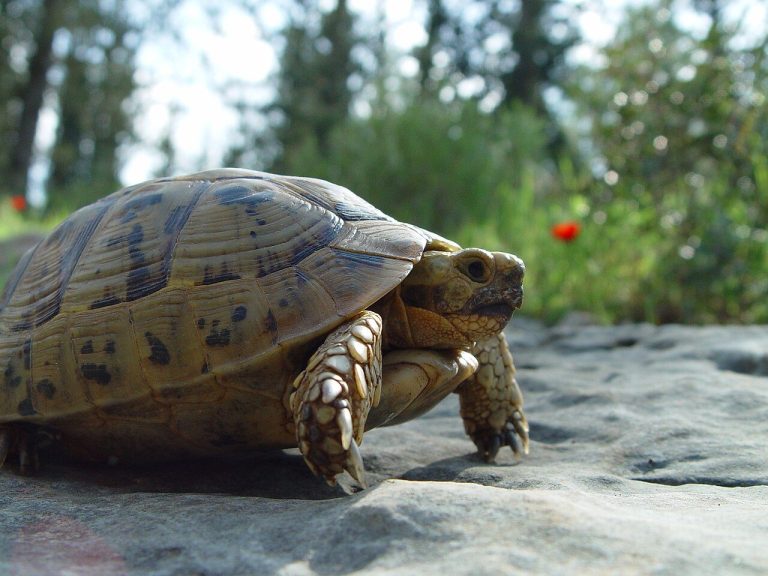
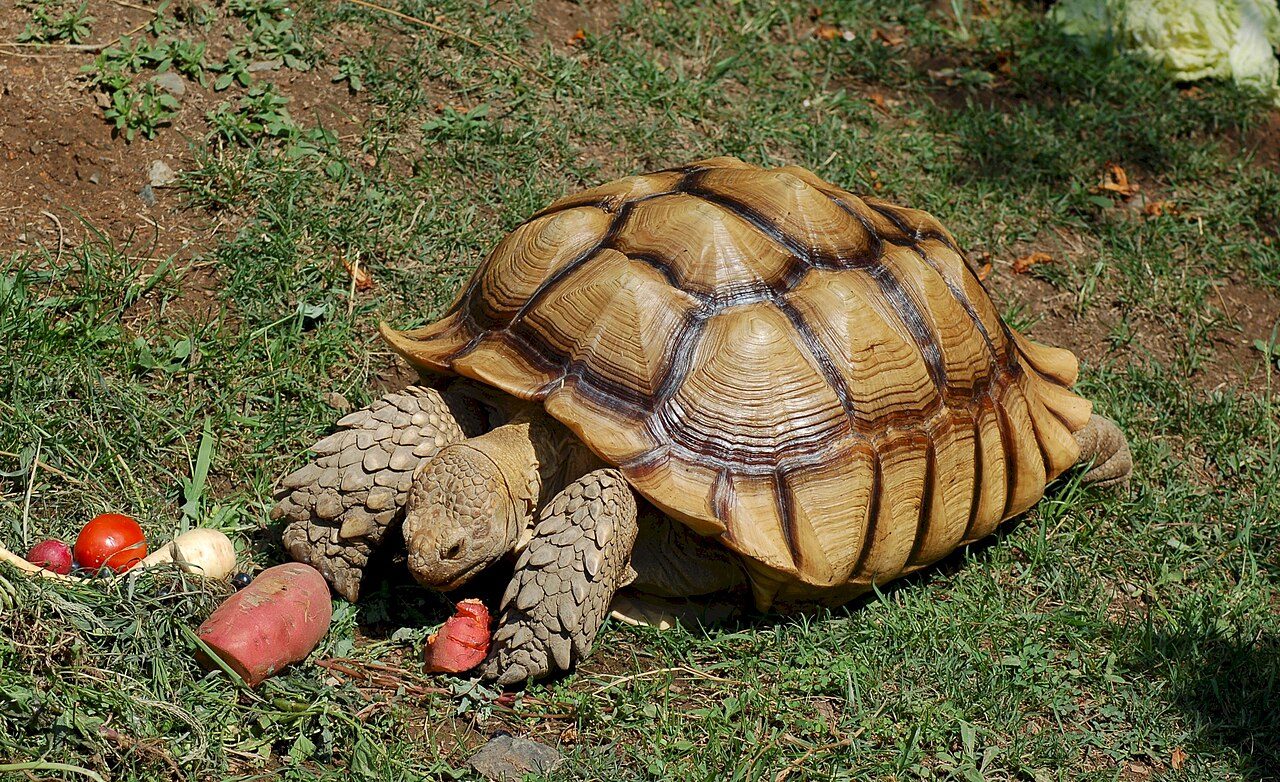
Embarking on the journey of pet ownership is a significant decision, especially when it involves a creature as unique and long-lived as the sulcata tortoise. These magnificent reptiles, scientifically known as Centrochelys sulcata, are the third-largest tortoise species in the world, capable of living for many decades.
Their charming personalities and impressive size make them incredibly appealing. However, their specific requirements often lead to owners becoming overwhelmed as the tortoises grow. This is why exploring sulcata tortoise for adoption opportunities is a responsible choice and also a satisfying one, offering a second chance to a deserving animal.
At a glance: Sulcata tortoise (Centrochelys sulcata)
- Temperature
- Basking 95–100°F (35–38°C)
- Adult size
- 24–30 in shell (60–76 cm)
- Enclosure
- Outdoor pen for adults
- Group size
- Alone
- Temperament
- Docile, strong diggers
- Diet
- Herbivore: grasses, hay, weeds, low-sugar greens
- Lifespan
- 70+ years
Keeper’s tip: Adults outgrow any indoor enclosure; plan for a secure outdoor pen early.
Why Consider Sulcata Tortoise for Adoption?
Adopting a sulcata tortoise offers numerous benefits, both for you and for the tortoise. Many individuals or families acquire these tortoises when they are small and adorable, often underestimating their eventual size and care needs.
As these tortoises mature, they can reach weights over 100 pounds and lengths of up to 30 inches, requiring vast outdoor enclosures. This often leads to situations where owners can no longer adequately provide for them, making adoption centers and rescues important.
If you choose a sulcata tortoise for adoption, you’re providing a loving home to an animal in need. You’re also often able to adopt an animal that has already been vet-checked and, in some cases, had its initial habitat requirements assessed.
The Ethical Choice of Adoption
Adopting helps reduce the demand for captive-bred tortoises from less reputable sources. It supports rescue organizations that dedicate countless hours to rehabilitating and rehoming these incredible creatures.
In my experience, adopted pets often settle into new homes with remarkable resilience and gratitude. It’s incredibly satisfying to see a rescued tortoise stay healthy under proper care after a challenging start.
Understanding the Commitment: What Sulcatas Need
Before you even begin looking for a sulcata tortoise for adoption, it’s essential to understand the immense commitment involved. These aren’t small, low-maintenance pets. They demand significant space, a specialized diet, precise environmental conditions, and a lifelong dedication.
Their impressive lifespan means you could be caring for your sulcata for 50 to 70 years, or even longer. This requires long-term planning, including provisions for their care if circumstances change for you.
When I first considered a large reptile, I underestimated the sheer scale of the habitat they’d eventually need. A baby sulcata fits in your hand, but an adult requires a small yard.
Pro Tip: Future-Proof Your Habitat Planning.
Many new owners get a small enclosure for a baby sulcata, thinking they’ll upgrade later. However, these tortoises grow surprisingly fast. Plan for their adult size (a minimum of 100 sq ft for a single adult outdoors, much more for multiples) from day one. Retrofitting later can be costly and stressful for the tortoise.
Key Considerations Before Adopting a Sulcata Tortoise
To help prospective owners make an informed decision, here’s a practical overview of what to consider:
| Consideration | Requirement for Sulcata Tortoises | Impact on Owner |
|---|---|---|
| Space | Adults need a large, secure outdoor enclosure (min. 100 sq ft per tortoise), with a sturdy burrow or insulated shed. | Requires significant property space; potential for landscaping changes; ongoing maintenance of enclosure. |
| Lifespan | 50-70+ years. | A lifelong commitment; requires long-term care planning, including inheritance or rehoming options. Their impressive lifespan sets them apart. |
| Diet | High-fiber, low-protein diet primarily consisting of various grasses, hay, and safe weeds. Minimal fruit/vegetables. | Requires daily foraging or careful sourcing of appropriate food; time for food preparation; vigilance against unsuitable foods. For more details, see our guide on specific dietary requirements. |
| Climate & Heat | Flourish in warm, dry climates. Need supplemental heat and protection from cold (<50°F / 10°C). UVB lighting is important. | High electricity costs for heating/lighting in cooler climates; need for sturdy shelters or indoor winterization. |
| Cost | Initial setup, food, electricity, veterinary care (specialized vets can be expensive). | Significant financial investment over their lifetime; emergency funds for unexpected health issues. |
| Interaction | Generally tolerant, but not cuddly pets. Can recognize owners and enjoy interaction but prefer grazing and exploring. | Expect a different kind of pet relationship; enjoyment comes from observing and providing right care, not constant handling. |
Preparing Your Home for a Sulcata Tortoise
Once you’ve decided that a sulcata tortoise for adoption is right for you, the next vital step is preparing their habitat. This species requires a very specific environment to settle in, mimicking their native African grasslands.
Proper setup is key to preventing common health issues like Metabolic Bone Disease (MBD) and pyramiding, which are often linked to improper husbandry.
Outdoor Enclosure Essentials
For adult sulcatas, an outdoor enclosure is almost always necessary. It must be extremely secure to prevent escapes, as they are powerful diggers. Walls should extend at least 2-3 feet below ground to deter tunneling.
The enclosure perimeter also needs to be at least 18-24 inches above ground. This prevents climbing over, which they are surprisingly adept at.
A important element is a secure, insulated burrow or shed for shelter. This provides a microclimate where your tortoise can regulate its body temperature and escape extreme weather. This is vital for thermoregulation.
In regions with cold winters, additional heating may be required inside the burrow, as discussed in our guide on how to care for sulcata tortoises in winter.
Indoor Setup for Juveniles or Cold Climates
While adults ideally live outdoors, juveniles or tortoises in colder climates will need a spacious indoor enclosure. A tortoise table or custom-built pen is preferable to a glass aquarium, which can limit airflow.
The enclosure should be at least 4×8 feet for a growing juvenile. Substrate is important: a mix of coco coir, cypress mulch, and sphagnum moss works well to maintain appropriate ambient humidity without being constantly wet.
A hygroscopic substrate helps maintain key humidity levels. This is important for shell health and to prevent pyramiding.
Lighting and Heating
Proper lighting and heating are non-negotiable. Sulcatas need a basking spot that reaches 90-100°F (32-38°C), provided by a high-wattage incandescent or ceramic heat emitter.
Alongside heat, a high-quality UVB light is essential for vitamin D3 synthesis and calcium absorption, preventing Metabolic Bone Disease. I always recommend a linear UVB 10.0 T5 HO fixture, replaced every 6-12 months as the UVB output degrades.
Even with outdoor enclosures, supplemental UVB can be beneficial, especially during cloudy periods.
The Adoption Process: Where to Find Your Sulcata
Finding a sulcata tortoise for adoption typically involves connecting with reptile rescues, humane societies, or specialized tortoise sanctuaries. Avoid impulse purchases from pet stores, which rarely have adult sulcatas anyway.
Reputable rescues will often have an application process, including questions about your experience, your home environment, and your commitment. This makes sure the tortoise goes to a suitable and prepared home.
Some rescues may even conduct home visits. This thoroughness is a good sign that they prioritize the welfare of the animals.
What to Expect During Adoption
When you adopt, you’ll likely receive information about the tortoise’s history, known health issues, and personality. This is invaluable for helping your new pet settle in. You might also find resources like our complete guide to rescuing and raising a sulcata.
Be prepared for an adoption fee, which helps cover the rescue’s costs for food, veterinary care, and facility maintenance. This fee is a small price to pay for a healthy, rehomed tortoise.
Long-Term Care and Health of Your Adopted Sulcata
Once your sulcata tortoise is settled, consistent long-term care is vital for its health and happiness. This includes diet, hydration, regular health checks, and maintaining their environment.
Diet and Nutrition
A sulcata’s diet should primarily consist of high-fiber grasses and hay, such as timothy, orchard grass, and Bermuda hay. Leafy greens like dandelion, collard greens, and endive can be offered in moderation.
Avoid high-protein foods, sugary fruits, and starchy vegetables, as these can lead to pyramiding, kidney issues, and other health problems. A proper African sulcata tortoise diet focuses on a high calcium-to-phosphorus ratio.
Common Mistake: Overfeeding Fruits and Pellets.
Many new owners mistakenly believe tortoises need lots of fruit or commercially prepared pellets. While some pellets can supplement, they should not be the primary diet. Fruits are high in sugar and low in fiber, leading to digestive issues and pyramiding. Stick to grasses and hay as the staple.
Hydration and Bathing
Access to fresh, shallow water is essential at all times. In my experience, even if they don’t drink visibly, they absorb water through their cloaca. Regular soaking, especially for juveniles, helps with hydration and can aid in healthy urate excretion.
A shallow water dish that they can easily climb in and out of is perfect. You can find more tips on how to properly bathe your tortoise in our dedicated guide.
Monitoring for Health Issues
Regularly inspect your tortoise for signs of illness. Look for clear eyes, a clean nose, smooth shell growth (without pyramiding), and active behavior. Changes in appetite, lethargy, or unusual discharges warrant a vet visit.
Metabolic Bone Disease, often caused by lack of UVB or improper calcium-to-phosphorus ratio, can manifest as shell deformities or soft bones. Early detection is key.
Common Challenges and How to Overcome Them
Even with the best intentions, making sure a sulcata tortoise can present challenges. Being prepared for these can make all the difference in providing excellent care.
Managing Size and Space
The most common challenge is managing their sheer size. As I’ve mentioned, they get BIG. This often forces owners to make difficult decisions if they haven’t planned ahead. If you’re considering a sulcata tortoise for adoption, evaluate your long-term space availability.
Overcoming this means either having a large, dedicated outdoor space or being realistic about whether you can accommodate an adult. Some owners build elaborate, heated tortoise sheds that are essentially miniature barns.
Controlling Humidity and Preventing Pyramiding
Pyramiding, the abnormal raised growth of scutes on the shell, is a common issue linked to improper humidity and hydration. While sulcatas are from dry regions, they experience high ambient humidity in their burrows.
Providing a humid microclimate in their sleeping areas, especially for juveniles, is critical. Using a hygroscopic substrate and keeping regular access to water can help prevent this disfiguring condition.
Urate Excretion and Kidney Health
Sulcatas excrete urates, a white pasty substance, as part of their waste. Healthy urates are soft and creamy. If they are gritty or hard, it’s a sign of dehydration or kidney issues.
Keep consistent hydration through drinking and regular soaks to support healthy urate excretion. A vet visit is essential if you notice consistently hard urates.
A few common questions About Sulcata Tortoise Adoption
How much does it cost to adopt a sulcata tortoise?
Adoption fees vary widely by rescue organization, often ranging from $50 to $500. This fee typically covers veterinary checks, food, and care provided by the rescue. The adoption fee is a small fraction of the lifetime cost of ownership.
Can I keep a sulcata tortoise indoors?
While juveniles can be housed indoors in very large tortoise tables or custom enclosures, adult sulcatas require vast outdoor spaces. Indoor housing for an adult is generally not feasible or healthy due to their size and need for natural sunlight and grazing.
Are sulcata tortoises good pets for beginners?
No, sulcata tortoises are generally not recommended for beginner reptile keepers. Their significant size, long lifespan, specific environmental needs, and potential for complex health issues require a dedicated, experienced owner. Our article “Are Sulcata Tortoises Easy To Take Care Of?” delves deeper into this.
What do I feed an adopted sulcata tortoise?
Their diet should be high in fiber and low in protein, consisting mainly of various grasses, hay, and safe leafy greens. Avoid fruits, high-protein pellets, and starchy vegetables. Always provide a constant supply of fresh water.
How big do sulcata tortoises get?
Sulcata tortoises are the third-largest tortoise species. They can grow to be 24-30 inches long and weigh anywhere from 80-150 pounds, with some individuals exceeding 200 pounds. Their rapid growth rate means they quickly outgrow small enclosures.
What kind of lighting does a sulcata tortoise need?
Sulcatas require a heat lamp for basking to achieve a spot temperature of 90-100°F (32-38°C). Crucially, they also need a high-quality UVB light, such as a linear UVB 10.0 T5 HO fixture, to synthesize Vitamin D3 for calcium absorption and bone health.
Wrapping up
Choosing a sulcata tortoise for adoption is a profound and noble decision, offering a deserving reptile a second chance at a fulfilling life. However, it is a commitment that requires extensive research, significant financial resources, and a dedicated space.
Once you understand their impressive lifespan, specific dietary needs, and the importance of a properly constructed habitat that supports their thermoregulation and prevents issues like Metabolic Bone Disease and pyramiding, you can provide an exceptional home. Always prioritize adoption from reputable rescues and be prepared for the lifelong journey with these magnificent creatures.
- 2003First tank
- 20+Years keeping
- 40+Tanks kept
- 0Sponsored picks
Howard set up his first 10-gallon planted tank in 2003 and lost half of it within six weeks. Two decades and more than forty aquariums later, he writes the guides he wished he had then: clear numbers, the reasons behind them, and what actually goes wrong in home tanks.