Half Aquarium Half Terrarium – Explained Simply
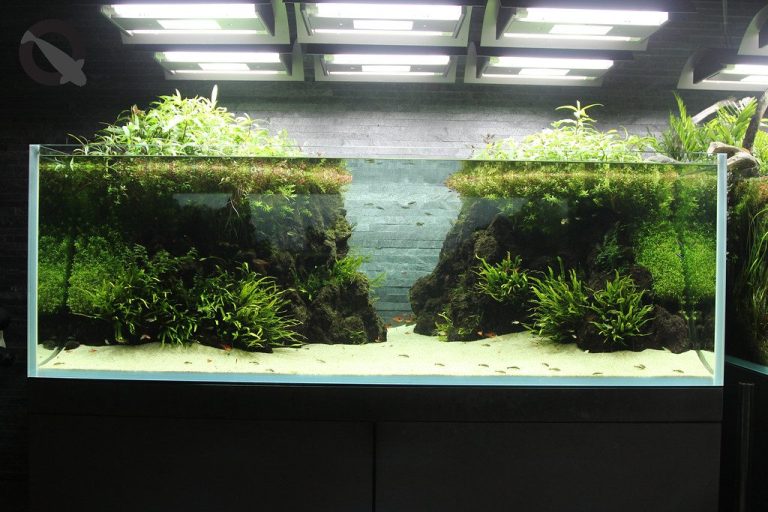
A half aquarium half terrarium setup, often called a paludarium, is a unique aquatic-terrestrial ecosystem that combines a water feature with an above-water land section, allowing for the keeping of both aquatic and semi-aquatic flora and fauna in a single, dynamic environment.
For years, many of us have enjoyed the serene beauty of an underwater world or the rich life of a terrestrial terrarium. But what if you could have both? The concept of a half aquarium half terrarium setup is gaining immense popularity among hobbyists looking to push the boundaries of conventional fish keeping and plant cultivation.
This comprehensive guide from Successful Aquarium will walk you through everything you need to know to design, build, and maintain a successful paludarium. From selecting the right equipment to choosing compatible inhabitants, we’ll equip you with the knowledge to create a unusual slice of nature in your home. I’ve spent over a decade experimenting with various aquatic and terrestrial setups, and I’m excited to share my insights to help you start this satisfying journey.
Understanding the Concept: What is a Paludarium?
At its heart, a half aquarium half terrarium is more formally known as a paludarium. The term “paludarium” comes from the Latin words “palus” (swamp) and “arium” (a place for), essentially meaning a “swamp enclosure.” It’s an environment that artfully blends aquatic and terrestrial elements, mimicking natural ecosystems found in marshes, bogs, and riverbanks.
Think of it as recreating a riparian zone within a glass box. This transition zone, where water meets land, is incredibly biodiverse in nature. In your home, a paludarium allows you to house aquatic creatures below the waterline and terrestrial or semi-aquatic plants and animals above it, all within a single, self-contained system.
The Allure of the Hybrid Habitat
The beauty of a half aquarium half terrarium lies in its versatility and the opportunity it provides for creative expression. You can design landscapes that feature miniature waterfalls, foggy rainforests, or dense, overgrown riverbanks. It’s a living piece of art that offers a continuous display of both underwater grace and above-water vibrancy.
Beyond aesthetics, these setups offer unique opportunities for species that flourish in both wet and dry conditions. Many amphibians, some reptiles, and numerous plant species flourish in the high humidity and varied environments a paludarium provides. It’s a chance to observe nature’s intricate balance up close.
Why Choose a Half Aquarium Half Terrarium? Benefits and Considerations
Deciding to build a paludarium is a significant step, but the rewards are immense. Let’s explore some of the key benefits and important considerations before you dive in.
Unparalleled Aesthetic Appeal
A well-designed paludarium is a beautiful focal point in any room. The interplay of water, land, and emergent vegetation creates a dynamic, multi-layered display that a standard aquarium or terrarium simply can’t match. You can incorporate driftwood, rocks, and various plant textures to craft a miniature natural world.
Diverse Species Housing
This setup allows for a broader range of inhabitants. You can keep fish and shrimp in the aquatic section, while frogs, newts, crabs, or even certain lizards can inhabit the terrestrial and semi-aquatic areas. This biodiversity creates a more complex and engaging ecosystem.
Educational Value
Observing a complete ecosystem with both aquatic and terrestrial components offers fantastic educational opportunities. It teaches about ecological balance, the water cycle, and the specific needs of different species in a unique transitional habitat. It’s a living lesson in biology.
Considerations Before Starting
While the benefits are many, a half aquarium half terrarium requires more planning and specific equipment than a single-habitat tank. You’ll need to manage water parameters, humidity levels, and lighting for two distinct environments simultaneously. This can be more complex, but it’s entirely achievable with the right knowledge.
Pro Tip: Start Small and Simple. When I first ventured into paludariums, I made the mistake of trying to create an overly complex setup. My advice is to begin with a smaller tank (e.g., 20-30 gallons) and select hardy, adaptable species. This allows you to master the basics of water and humidity management without being overwhelmed by a grand design. You can always upgrade later!
Designing Your Biotope: Essential Components and Setup
The success of your half aquarium half terrarium hinges on thoughtful design and the right equipment. This isn’t just about putting water in a tank; it’s about crafting a functional and beautiful ecosystem.
Choosing the Right Tank
You’ll need a tank that offers sufficient height for the terrestrial section and adequate volume for the aquatic section. Many hobbyists opt for standard aquariums and then build up the land portion. Alternatively, specialized paludarium tanks are available with built-in features like false bottoms or elevated land sections.
Consider the dimensions carefully. A taller tank allows for more vertical landscaping, which is key for emergent vegetation and climbing animals. A wider footprint provides more land area for terrestrial inhabitants.
Creating the Land and Water Sections
This is where the magic happens. There are several ways to divide your tank:
- False Bottom: This involves creating a raised platform using egg crate light diffuser, PVC pipes, or specialized substrate supports. This creates a void beneath the land for water, filtration, and pumps, preventing the terrestrial substrate from becoming waterlogged.
- Sloping Substrate: Gradually sloping your substrate from a deep water area to a dry land area. This is more natural but can lead to substrate erosion over time.
- Glass/Acrylic Dividers: Permanently siliconing a glass or acrylic divider to separate the aquatic from the terrestrial. This creates a clear boundary but can limit design flexibility.
Substrate Choices
For the aquatic section, standard aquarium substrates like sand or gravel are suitable. For the terrestrial portion, a bio-active substrate is highly recommended. This typically consists of a drainage layer (lava rock, hydroton), a mesh barrier, and then a rich, organic substrate mix (e.g., coco fiber, sphagnum moss, orchid bark, charcoal). This bio-active layer helps to break down waste and support plant growth, reducing maintenance.
Filtration and Water Circulation
Even with a smaller aquatic section, solid filtration is essential. An internal canister filtration system or a submersible pump connected to a filter box can work well. Keep good water movement to prevent stagnant areas. A small pump can also be used to create waterfalls or streams, adding to the natural aesthetic and providing extra aeration.
Lighting
Lighting needs to cater to both aquatic and terrestrial plants. Full-spectrum LED lights are ideal as they can provide the necessary intensity and color spectrum for dense plant growth on both sides. Consider adjustable lights or multiple light fixtures to target different areas effectively. Pay attention to the light saturation needs of your chosen plants.
Humidity and Airflow
Maintaining high humidity is vital for many paludarium inhabitants. A mist maker or fogger can create a eye-catching visual effect and improve humidity levels. Regular misting with a spray bottle is also effective. Good ventilation is important to prevent mold, so consider a small fan for air circulation, especially in enclosed setups. A hygrometer is essential for monitoring humidity levels.
Heating
An aquarium heater will maintain the aquatic water temperature. For the terrestrial section, ambient room temperature is often sufficient, but a small heat mat or ceramic heat emitter might be necessary for certain sensitive species, especially amphibians or reptiles requiring specific thermal gradients.
Hardscape and Decor
Driftwood, rocks, and branches are essential for creating visual interest and providing climbing surfaces for animals. Help all hardscape elements are aquarium-safe and won’t leach harmful chemicals. I’ve found that carefully selected pieces of bogwood can bridge the aquatic and terrestrial sections beautifully.
Common Mistake: Neglecting Water Flow and Drainage. Many beginners focus heavily on the visual aspect and forget the hidden mechanics. Without proper water circulation in the aquatic zone and efficient drainage in the terrestrial section, you’ll face issues like stagnant water, anaerobic pockets, and root rot. Always plan your water flow paths and drainage layers carefully from the start.
Choosing the Right Inhabitants: Flora and Fauna Selection
The beauty of a half aquarium half terrarium comes alive with its inhabitants. Careful selection is the top priority to ensure compatibility and the long-term health of your ecosystem.
Aquatic Plants
Many common aquarium plants can do well in the aquatic section. Consider species like Anubias, Java Fern, Cryptocoryne, and various mosses. For areas where the water is shallower, marginal plants are excellent. These include species like Anubias, some types of Swords, and certain Ludwigia varieties that can grow both submersed and emersed.
Terrestrial and Emergent Vegetation
This is where paludariums shine. Look for plants that appreciate high humidity.
Emergent vegetation, like various Acorus species, some Cryptocoryne, and even lucky bamboo, can grow with their roots in water and leaves in the air. Epiphytic flora, such as orchids, bromeliads, and various mosses, can be mounted on driftwood or rocks above the waterline, well-kept on humidity.
Other suitable terrestrial plants include Ficus pumila, various ferns (e.g., Boston fern, maidenhair fern), Pothos, and small creeping plants. Always research plant requirements to match them to your setup’s conditions.
Aquatic Fauna
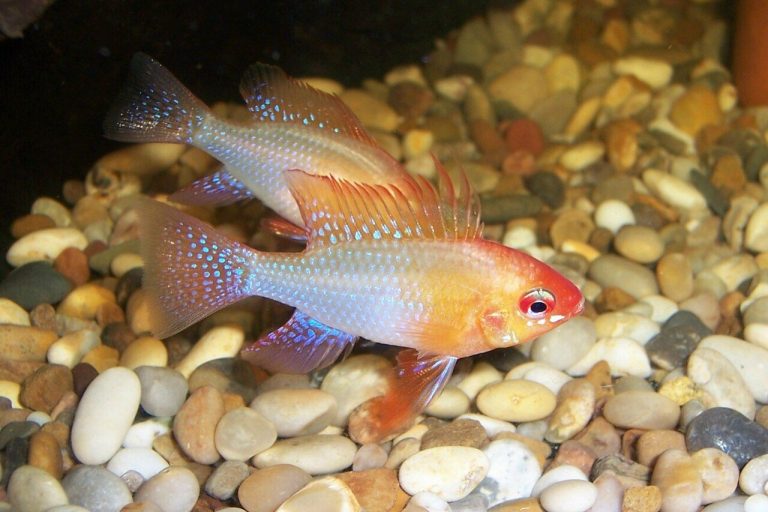
Small, peaceful fish are ideal for the aquatic section. Think about species like Tetras (e.g., Neon Tetras, Ember Tetras), Rasboras, small species of Corydoras catfish, and Dwarf Shrimp. Help the water parameters and temperature (e.g., aquarium temp for tetras) are suitable for your chosen species. Avoid large or aggressive fish that might jump or stress smaller inhabitants.
Terrestrial/Semi-Aquatic Fauna
This is often the most exciting part. Many amphibians and some reptiles are perfect for paludariums:
- Frogs: Dart frogs (if you can maintain specific humidity and temperature), Tree Frogs (e.g., Red-Eyed Tree Frogs, White’s Tree Frogs), and even some species of Reed Frogs.
- Newts and Salamanders: Fire-bellied newts are a classic choice, spending time both in and out of the water.
- Crabs: Fiddler crabs or Red Claw crabs can be interesting, but research their specific needs as they require significant land area and brackish water for some species.
- Invertebrates: Various snails, isopods, and springtails can act as a clean-up crew in the bio-active substrate.
Always make sure your chosen animals are compatible with each other and that your tank provides adequate space and appropriate conditions for all inhabitants. When selecting appropriate aquarium fish species, always consider their adult size and territorial needs.
Here’s a quick compatibility guide for some popular paludarium inhabitants:
| Species Type | Habitat Preference | Key Considerations | Compatibility (General) |
|---|---|---|---|
| Neon Tetras (Fish) | Aquatic | Small, schooling, peaceful. Needs clear, warm water. | Good with most small, peaceful fish, shrimp. Not with crabs or predatory amphibians. |
| Cherry Shrimp (Invertebrate) | Aquatic | Excellent algae eaters. Very sensitive to water quality. | Good with small, peaceful fish. Can be prey for larger amphibians/fish. |
| Dwarf African Frogs (Amphibian) | Aquatic (mostly) | Fully aquatic, but need to surface for air. Cannot go on land. | Good with peaceful fish, shrimp (if not too small). |
| Fire-Bellied Newts (Amphibian) | Semi-Aquatic | Require both significant land and water areas. Carnivorous. | Best in species-specific tanks or with very strong, fast-moving fish. Will eat shrimp/small fish. |
| Dart Frogs (Amphibian) | Terrestrial (humid) | Require very high humidity, specific temperatures, and live insect diet. | Generally safe with aquatic inhabitants. Do not mix with other frog species. |
| Fiddler Crabs (Crustacean) | Semi-Aquatic (brackish for some) | Require significant land area for burrowing. Can be predatory. | Not recommended with small fish or shrimp. Best in species-specific setups. |
Setting Up Your Half Aquarium Half Terrarium: A Step-by-Step Guide
Building your paludarium is an exciting process. Follow these steps for a smooth setup.
1. Plan Your Design
Sketch out your layout. Decide on the proportion of land to water, the placement of hardscape, and where your filter, heater, and mist maker will go. This upfront planning saves a lot of headaches later. Consider the final look of your half aquarium half terrarium carefully.
2. Prepare the Tank
Clean your tank thoroughly with water only – no soaps or detergents. Place it on a sturdy, level surface that can support its considerable weight when full.
3. Install the False Bottom/Dividers
If using a false bottom, cut and fit your egg crate or PVC. Keep it’s stable. If using a divider, silicone it in place and allow ample time for curing (at least 24-48 hours) before adding water. This is vital for preventing leaks.
4. Add Substrate and Hardscape
Lay down your drainage layer, followed by the mesh barrier, and then your bio-active substrate for the terrestrial section. In the aquatic area, add your chosen sand or gravel. Arrange your driftwood, rocks, and other hardscape elements, making sure they are secure and won’t shift.
5. Integrate Equipment
Place your submersible pump, heater, and filter intake/outflow in the aquatic section. Conceal tubing and wires as much as possible behind hardscape or within the false bottom. Set up your mist maker or fogger for the terrestrial zone.
6. Plant Your Flora
Plant your aquatic plants in the water. For the terrestrial section, carefully place your emergent vegetation and epiphytic flora. Use specialized riparium planters if you want plants to grow directly out of the water column while keeping their roots submerged.
7. Fill with Water
Slowly add dechlorinated water to the aquatic section, being careful not to disturb the substrate. Fill until the desired water level is reached. Turn on your filtration and help all equipment is working correctly.
8. Cycle the Aquarium Section
Just like a regular aquarium, the aquatic section of your paludarium needs to be cycled. This process establishes beneficial bacteria that break down harmful ammonia and nitrites. This can take several weeks. Do not add fish or aquatic invertebrates until the cycle is complete. You can learn more about aquarium biosecurity protocols to ensure a healthy start.
9. Acclimate Terrestrial Section
During the cycling period, monitor the humidity and temperature in the terrestrial section. Allow plants to settle and begin growing. Adjust your misting schedule or fan as needed to maintain right hygrometry for your chosen plants.
10. Introduce Fauna (Slowly)
Once both sections are stable and cycled, you can begin introducing your chosen animals. Add them gradually, observing their behavior and making sure they are healthy before adding more. This minimizes stress and allows you to catch any compatibility issues early.
Maintenance for a Well-kept Ecosystem
Maintaining a half aquarium half terrarium involves a blend of aquarium and terrarium care. Consistency is key.
Water Changes and Parameters
Regular partial water changes are essential for the aquatic section, just like any aquarium. Aim for 25-30% weekly or bi-weekly, depending on your stocking levels and filtration. Monitor water parameters (ammonia, nitrite, nitrate, pH, GH, KH) regularly. Address any aquarium plant deficiencies if you notice issues.
Humidity Control
Continuously monitor your hygrometry. Adjust your mist maker, fogger, or manual misting schedule to keep humidity levels within the ideal range for your terrestrial inhabitants. High humidity is often essential for amphibians and many plants.
Plant Care
Prune your plants as needed to prevent overgrowth and help good airflow. Fertilize aquatic plants as you would in a regular planted tank, paying attention to signs of aquarium plant nitrogen deficiency or other nutrient issues. Terrestrial plants may require occasional foliar feeding or substrate fertilization.
Feeding
Feed your aquatic animals appropriate aquarium food. Terrestrial inhabitants, especially amphibians, typically require live insects such as crickets, fruit flies, or small worms. Ensure all food is gut-loaded and dusted with calcium/vitamin supplements as needed.
Cleaning
Clean the glass regularly to remove algae and water spots. Gently remove any decaying plant matter or uneaten food from both aquatic and terrestrial sections to prevent water quality issues or mold growth. Be mindful of disturbing the bio-active substrate too much.
Troubleshooting Common Issues
Even experienced hobbyists encounter challenges. Here are a few common issues and how to address them in your half aquarium half terrarium.
Algae Bloom
Excessive algae in the aquatic section usually points to an imbalance of light, nutrients, or an overstocked tank. Reduce lighting duration, perform more frequent water changes, or introduce algae-eating snails or shrimp. Check for aquarium plant phosphate deficiency, as healthy plants compete with algae.
Mold or Fungi in Terrestrial Section
This often indicates insufficient airflow or overly high humidity without proper ventilation. Increase air circulation with a small fan, reduce misting, and gently remove affected areas. Make sure your bio-active substrate has a healthy clean-up crew (springtails, isopods).
Plants Struggling
If aquatic or terrestrial plants are showing signs of stress (yellowing leaves, stunted growth, necrosis), check their specific requirements against your tank conditions. This could be due to incorrect lighting, nutrient deficiencies (e.g., aquarium plant iron deficiency), or unsuitable humidity. Refer to an aquarium plant deficiency chart for diagnosis.
Animals Hiding Excessively or Showing Stress
This can indicate poor water quality, unsuitable temperatures, lack of hiding spots, or incompatible tank mates. Check all water parameters and environmental conditions immediately. Keep there are plenty of secure hiding places for all inhabitants.
Worth knowing before you start
- Ventilation matters in a closed paludarium; stagnant air leads to mould on the land side.
- In a paludarium, keep water and land sections separated with a solid barrier so soil does not wash into the water.
- Treat the water section like an aquarium: it still needs filtration, cycling and water changes.
- Choose plants that tolerate high humidity, such as pothos, ferns and mosses, for the land section.
FAQ: Your Half Aquarium Half Terrarium Questions Answered
Q: What’s the minimum tank size for a paludarium?
A: While you can technically create very small paludariums, for a balanced ecosystem and to house a variety of species, a minimum of 20-30 gallons (around 75-115 liters) is recommended. Larger tanks offer more stability and design flexibility.
Q: Can I use a standard fish tank for a paludarium?
A: Yes, absolutely. Most paludariums are built using standard glass aquariums. You’ll need to construct the land section using a false bottom, substrate, and hardscape. Help the tank is tall enough to accommodate both water and land.
Q: How do I keep the terrestrial section from getting waterlogged?
A: The key is a proper drainage layer beneath your bio-active substrate. This is typically made of inert, porous materials like lava rock or hydroton, covered with a mesh screen to prevent the substrate from mixing. Any excess water drains into this layer, keeping the top substrate moist but not soggy.
Q: What kind of maintenance does a paludarium require?
A: It combines aquarium and terrarium maintenance. This includes regular water changes, water parameter testing, cleaning the glass, pruning plants, monitoring humidity and temperature, and feeding diverse inhabitants. It’s more involved than a single-habitat tank but incredibly satisfying.
Q: Are paludariums suitable for beginners?
A: While a bit more complex than a basic aquarium or terrarium, a paludarium is certainly achievable for dedicated beginners. Start with a simpler design, choose hardy species, and do thorough research. The learning curve is part of the fun!
Where that leaves you
Creating a half aquarium half terrarium is a journey into the heart of a rich, living ecosystem. It offers a unique opportunity to combine the tranquility of an aquatic world with the lushness of a terrestrial one, all within the confines of your home.
The satisfaction of seeing fish swim below, frogs perch on emergent vegetation, and plants do well in a beautifully balanced environment is unparalleled. With careful planning, the right equipment, and consistent care, you can build a eye-catching paludarium that will be a source of endless fascination and natural beauty. Dive in, experiment, and enjoy the process of bringing a piece of the wild into your living space.

- 2003First tank
- 20+Years keeping
- 40+Tanks kept
- 0Sponsored picks
Howard set up his first 10-gallon planted tank in 2003 and lost half of it within six weeks. Two decades and more than forty aquariums later, he writes the guides he wished he had then: clear numbers, the reasons behind them, and what actually goes wrong in home tanks.