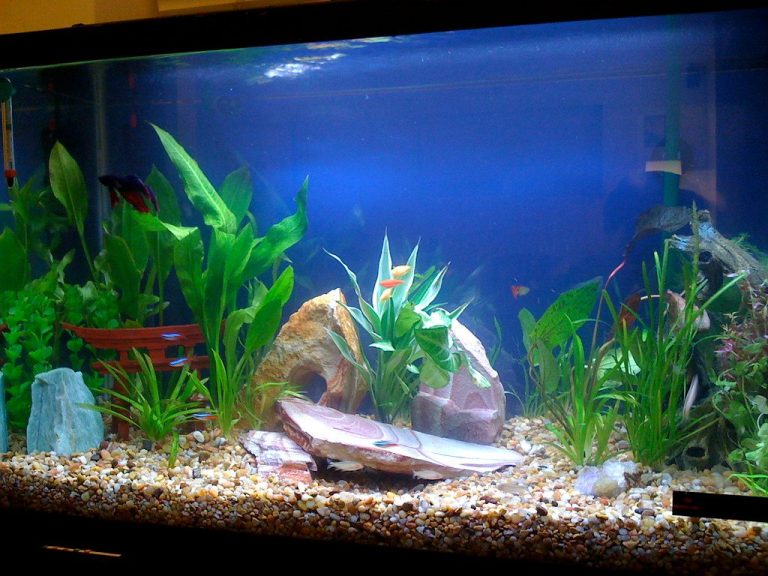
Aquarium Plant Phosphate Deficiency – Unlocking Lush Growth
Aquarium plant phosphate deficiency manifests as stunted growth, darkening of leaves, and the proliferation of green spot algae. It’s a critical macronutrient required for energy transfer and healthy cellular function in aquatic plants, often remedied by targeted supplementation and proper tank management.
Welcome, fellow aquarists, to “Successful Aquarium”. Today, we’re diving deep into a topic vital for anyone aspiring to a stable planted tank: the dreaded aquarium plant phosphate deficiency. If you’ve ever stared at lackluster plant growth, noticed an explosion of stubborn green spot algae, or just felt your aquatic garden wasn’t reaching its full potential, a lack of phosphate might be the silent culprit.
In my years of dedicated fish and plant keeping, I’ve seen firsthand how often this essential nutrient is overlooked. Many hobbyists focus heavily on nitrogen and potassium, but phosphate plays an equally vital role in plant health. Understanding its function, recognizing the signs of deficiency, and knowing how to correct it will transform your planted aquarium. Let’s explore how to identify, address, and prevent this common issue, paving the way for bright, healthy aquatic flora.
The Vital Role of Phosphate in Aquatic Plants
Phosphate, specifically in the form of orthophosphate (PO4³⁻), is one of the three primary macronutrients alongside nitrogen and potassium that aquatic plants need in significant quantities. It’s far more than just a growth booster; it’s a fundamental building block for life.
Plants utilize phosphate for a multitude of critical biological processes. Foremost among these is its role in energy transfer. Phosphate is a key component of adenosine triphosphate (ATP), the primary energy currency of all living cells. Without sufficient ATP, plants simply cannot perform basic functions like photosynthesis, nutrient uptake, or cell division. This means growth grinds to a halt.
Beyond energy, phosphate is integral to the formation of DNA and RNA, which carry genetic information, and phospholipids, which make up cell membranes. It also plays a role in enzyme activation and structural integrity. A plant deprived of this essential element is a plant struggling to survive, let alone stay healthy.
Understanding Soluble Reactive Phosphorus
When we talk about measuring phosphate in our aquariums, we’re typically referring to soluble reactive phosphorus (SRP). This is the bioavailable form that plants can readily absorb and utilize. While phosphorus exists in various forms in an aquatic ecosystem, SRP is what concerns us most for plant nutrition.
High levels of phosphate are often incorrectly blamed solely for algae outbreaks. While excessive phosphate can contribute to algae, it’s usually an imbalance with other nutrients, especially nitrogen, that triggers widespread problems. A balanced approach, often guided by the Redfield ratio (a theoretical ideal ratio of Nitrogen:Phosphorus:Potassium), is far more effective than simply trying to achieve zero phosphate. Plants need it.
Identifying Aquarium Plant Phosphate Deficiency: Signs and Symptoms
Recognizing the signs of aquarium plant phosphate deficiency is the first step toward a healthier planted tank. The symptoms are often quite distinct, though they can sometimes be confused with other deficiencies. Knowing what to look for will help you diagnose the problem accurately.
One of the most common and tell-tale signs is severely stunted growth. Plants simply won’t grow to their potential size or produce new leaves at a normal rate. You might notice new leaves are significantly smaller than older ones.
Another classic symptom is a darkening or purpling of the leaves, particularly on older foliage. This discoloration is due to anthocyanin accumulation, a plant’s stress response to nutrient imbalances, where it produces pigments that can appear red, purple, or even black. This is especially noticeable in plants that typically have green leaves.
Specific Plant Responses
Different plant species can exhibit unique responses to phosphate deficiency:
- Hygrophila corymbosa: This fast-growing stem plant will show severe stunting and often the aforementioned purpling or bronzing on its leaves. New growth will be sparse and weak.
- Anubias barteri: Being a slower-growing plant, Anubias barteri might not show dramatic color changes but will exhibit significantly reduced new leaf production and overall slowed growth. The leaves may become darker green, almost leathery, but lack vibrancy.
- Fast-growing stem plants in general are often the first to show symptoms because their high metabolic rate demands a constant supply of nutrients.
Pro Tip: The Green Spot Algae Connection
In my experience, one of the most reliable indicators of low phosphate levels is the proliferation of green spot algae. These tiny, hard, dark green spots often appear on slow-growing plant leaves (like Anubias or Bucephalandra), tank glass, and hardscape. While many factors contribute to algae, a persistent battle with green spot algae almost always points to insufficient phosphate for your plants, leaving an excess for algae to exploit.
Differentiating from Other Deficiencies
It’s important to differentiate phosphate deficiency from other nutrient issues. For example, nitrogen deficiency also causes stunted growth and yellowing of older leaves, but typically without the prominent purpling. Potassium deficiency often leads to yellowing and pinholes in older leaves. If you watch the specific combination of symptoms, you can narrow down the problem.
What Causes Low Phosphate Levels in Aquariums?
Understanding why phosphate levels might be low in your aquarium is key to preventing future deficiencies. Several factors can contribute to insufficient amounts of this vital macronutrient.
One of the primary causes is simply an inadequate fertilization regimen. Many all-in-one liquid fertilizers provide trace elements and some macronutrients but might not supply enough phosphate for a heavily planted tank, especially if you have high light and CO2 injection. If you’re optimizing CO2, your plants will demand more nutrients across the board, including phosphate.
Another common factor is the nutrient export rate. Regular, large water changes, especially if done frequently, can strip the water of accumulated nutrients, including phosphate. While water changes are essential for overall water quality, they need to be balanced with a proper dosing strategy for planted tanks.
Nutrient Imbalance and the Redfield Ratio
The concept of the Redfield ratio highlights the importance of nutrient balance. While originally derived for marine phytoplankton, its principles are often applied to freshwater planted tanks. It suggests an ideal ratio of Nitrogen (N) to Phosphorus (P) of roughly 10:1 or 15:1. If your nitrogen levels are very high relative to your phosphate, plants will struggle to utilize that nitrogen effectively, even if some phosphate is present. This imbalance can effectively create a functional phosphate deficiency.
Heavy plant biomass can also quickly deplete available phosphates. A tank full of fast-growing stem plants will consume far more phosphate than a sparsely planted tank with only a few slow-growing species. Without regular replenishment, these plants will soon show signs of deficiency.
Substrate and Cation Exchange Capacity
The type of substrate you use can also influence phosphate availability. While inert substrates like sand or gravel offer little in the way of nutrients, nutrient-rich aquasoils are designed to slowly release nutrients. However, even aquasoils have a finite lifespan for nutrient release. Over time, their ability to provide sufficient phosphate can diminish.
The cation exchange capacity (CEC) of your substrate also plays a role. Substrates with a high CEC can bind and hold onto positively charged ions. While phosphate is an anion (negatively charged), the overall chemical environment of the substrate can influence its availability. Some substrates can absorb and release phosphate, acting as a buffer, but they can also become depleted.
Common Mistake: Chasing “Zero Phosphate”
A frequent error among new aquarists is the belief that any detectable phosphate level is bad because it causes algae. This often leads to aggressive phosphate removal or insufficient dosing. Healthy aquatic plants absolutely require phosphate. The goal isn’t zero, but rather an best, stable level that supports plant growth without tipping the scales towards nuisance algae. Aim for a balanced nutrient profile, not a barren one.
Testing for Phosphate Levels
Accurately measuring the phosphate concentration in your aquarium water is a essential step in diagnosing and addressing an aquarium plant phosphate deficiency. While visual symptoms provide strong clues, a test kit offers definitive data.
Various phosphate test kits are available on the market, ranging from liquid dropper tests to digital colorimeters. For most hobbyists, a reliable liquid test kit will suffice. It’s important to choose a kit designed for freshwater aquariums and to follow the instructions precisely for accurate results. Contamination, expired reagents, or improper technique can lead to misleading readings.
How to Test Your Water
- Gather Supplies: Your phosphate test kit, a clean test tube, and a timer.
- Collect Sample: Fill the test tube with aquarium water as directed.
- Add Reagents: Add the specified number of drops or scoops of reagents.
- Wait: Allow the reaction time indicated in the instructions. This is critical for color development.
- Compare Color: Match the resulting color in the test tube against the color chart provided with the kit.
- Record: Note down your findings. Consistent testing over time helps establish a baseline and track changes.
Target Phosphate Ranges
The ideal phosphate level for a planted aquarium can vary depending on plant density, lighting, CO2 injection, and other nutrient levels. However, a generally accepted range for a flourishing planted tank is between 0.5 ppm and 2.0 ppm.
- Below 0.5 ppm: You are likely to see signs of deficiency and increased green spot algae.
- 0.5 ppm to 1.5 ppm: This is a good sweet spot for most heavily planted tanks, providing enough phosphate for solid growth.
- 1.5 ppm to 2.0 ppm: Some aquarists in high-tech setups (high light, CO2) aim for this upper range to support very demanding plants.
- Above 2.0 ppm: While not inherently “bad,” very high levels without corresponding high nitrogen can sometimes contribute to other algae forms, or simply be wasteful if plants aren’t consuming it.
Regular testing, perhaps once a week or bi-weekly, will help you understand your tank’s consumption rate and adjust your dosing schedule accordingly.
Rectifying Aquarium Plant Phosphate Deficiency
Once you’ve confirmed an aquarium plant phosphate deficiency through observation and testing, it’s time to take action. The most direct and effective way to address the problem is through targeted phosphate supplementation.
Targeted Supplementation
Many aquarium plant nutrient brands offer standalone phosphate supplements. These typically come in liquid form and contain a source of soluble phosphate, often potassium dihydrogen phosphate (KH₂PO₄). Potassium dihydrogen phosphate is a popular choice because it provides both phosphate and potassium, two essential macronutrients.
When you begin supplementing, start cautiously. It’s always better to under-dose and gradually increase than to over-dose. Follow the manufacturer’s instructions for dosage, and then monitor your plants and phosphate test results closely.
Here’s a typical approach:
- Initial Boost: If your phosphate levels are very low (e.g., undetectable), you might start with a slightly higher initial dose to bring the levels up to your target range (e.g., 1 ppm).
- Regular Dosing: Once you reach your target, establish a regular dosing schedule. Many aquarists dose phosphate 2-3 times a week, or even daily in high-tech setups, to maintain stable levels. This “Estimative Index” (EI) method of dosing often involves slightly overdosing macronutrients to keep plants never run out.
- Monitor and Adjust: Test your phosphate levels regularly (e.g., before your next dose or weekly). If levels are consistently too high, reduce your dose. If they drop too quickly, increase it.
The Role of Water Changes
While water changes can reduce phosphate, they are also an important part of overall aquarium maintenance. When correcting a deficiency, continue with your regular water change schedule, but help your phosphate dosing accounts for the nutrient removal. Sometimes, if you’ve accidentally overdosed, a larger water change can help bring levels down safely.
Consider the needs of your fish and shrimp as well. While plants stay healthy with adequate phosphate, extremely high levels might sometimes be a concern for very sensitive invertebrates, though this is rare in typical planted tank ranges. Always ensure any supplementation is safe for all tank inhabitants. For instance, when setting up a planted angelfish aquarium, consider how the plants’ needs integrate with the fish’s well-being.
Maintaining Right Phosphate Levels: Long-Term Strategies
Preventing future aquarium plant phosphate deficiency is far easier than constantly correcting it. A proactive approach to nutrient management will make sure your plants remain vivid and healthy.
The key to long-term success lies in consistency and balance. Think of your planted tank as a garden; it needs regular feeding, not just emergency interventions.
Establishing a Consistent Dosing Routine
Based on your tank’s specific needs, establish a consistent dosing schedule for all macronutrients, including phosphate. Many advanced aquarists follow a routine like the Estimative Index (EI) or a similar method that involves adding nutrients regularly to help plants always have an ample supply.
- Daily Dosing: For high-light, high-CO2 tanks with fast-growing plants, daily micro-dosing of phosphate (and other nutrients) often works best to keep levels stable.
- Weekly Dosing: For moderate-tech tanks, dosing 2-3 times a week, perhaps after a water change, can be effective.
- All-in-One vs. Individual Nutrients: While all-in-one fertilizers are convenient, if you consistently face phosphate deficiency, you might need to supplement phosphate individually or switch to a more comprehensive fertilizer regimen.
Understanding Your Tank’s Consumption
Every aquarium is unique. The rate at which your plants consume phosphate depends on:
- Plant Mass: More plants, especially fast-growing species, mean higher consumption.
- Light Intensity: Higher light drives faster photosynthesis, increasing nutrient demand.
- CO2 Levels: Adequate CO2 significantly boosts plant growth and nutrient uptake.
- Fish Stocking: Fish waste contributes some phosphate, but rarely enough for a heavily planted tank.
Regular testing is your best friend here. By tracking your phosphate levels over time, you’ll gain insight into how quickly your plants are using it and can fine-tune your dosing.
Right Nutrient Ranges for Planted Aquariums
To provide a comprehensive overview, here’s a table outlining general target ranges for key plant nutrients. These are guidelines, and your tank’s specific needs may vary.
| Nutrient | Target Range (ppm) | Role in Plants | Deficiency Symptoms |
|---|---|---|---|
| Nitrate (NO₃⁻) | 10-30 ppm | Protein synthesis, chlorophyll production | Overall yellowing of older leaves, stunted growth |
| Phosphate (PO₄³⁻) | 0.5-2.0 ppm | Energy transfer (ATP), DNA/RNA, cell membranes | Stunted growth, dark green/purplish leaves, green spot algae |
| Potassium (K⁺) | 10-20 ppm | Enzyme activation, osmoregulation, nutrient transport | Yellowing edges of older leaves, pinholes, necrosis |
| Iron (Fe) | 0.05-0.1 ppm | Chlorophyll synthesis, enzyme function | Yellowing of new leaves (chlorosis) while veins remain green |
If you keep a close eye on these parameters and adjusting your dosing, you’ll create a stable and nutrient-rich environment where your aquatic plants can flourish. A flourishing planted tank is a dynamic ecosystem, and successful aquarists are those who observe, test, and adapt.
Quick checklist
- Epiphytes like java fern and anubias should be tied to rock or wood; burying the rhizome rots it.
- Most planted tanks do well with 6–8 hours of light per day; longer photoperiods usually just grow more algae.
- Trim stem plants above a node and replant the tops for denser growth.
- Change one variable at a time (light, CO2 or fertiliser) and wait two weeks to judge the result.
Reader questions About Phosphate Deficiency
Q1: Can I have too much phosphate in my aquarium?
Yes, while plants need phosphate, excessively high levels (often above 3-5 ppm consistently) can sometimes contribute to certain types of algae, especially if other nutrients are out of balance. However, the primary concern is usually an imbalance with nitrogen or other limiting factors, rather than phosphate alone. Moderation and balance are key.
Q2: Is fish food a source of phosphate?
Absolutely. Fish food is a significant source of phosphate, as well as nitrogen. In heavily stocked tanks with minimal plant mass, fish waste and uneaten food can lead to high phosphate levels. However, in heavily planted tanks with efficient nutrient uptake, the phosphate from fish food is often quickly consumed by the plants and may not be enough to prevent an aquarium plant phosphate deficiency.
Q3: How quickly can plants recover from phosphate deficiency?
With proper supplementation, plants can begin to show signs of recovery within a week or two. Stunted growth will gradually improve, and new leaves should emerge healthy and bright. Severely damaged older leaves may not fully recover their original color but new growth will indicate success. Consistency in dosing is key for sustained recovery.
Q4: Does phosphate affect my fish or shrimp?
In the typical ranges recommended for planted aquariums (0.5-2.0 ppm), phosphate is generally harmless to fish and shrimp. Many municipal water supplies contain detectable phosphate. Only extremely high, prolonged levels (e.g., above 10 ppm) might potentially cause stress in some very sensitive species, but such levels are rarely reached in a well-maintained planted tank.
Conclusion: Cultivating a Balanced, Stable Planted Aquarium
Addressing aquarium plant phosphate deficiency is a cornerstone of successful planted tank keeping. It’s about more than just adding a bottle of fertilizer; it’s about understanding the intricate dance of nutrients within your aquatic ecosystem. By recognizing the critical role of phosphate, identifying the subtle yet distinct symptoms of deficiency, accurately testing your water, and implementing a consistent dosing strategy, you empower your plants to reach their full, dense potential.
A balanced approach is always best. Don’t chase “zero phosphate,” but rather strive for ideal, stable levels that nourish your plants without encouraging nuisance algae. With careful observation, regular testing, and a commitment to providing the right nutrients, you’ll build an aquarium that is not only beautiful but well-kept. Here’s to dense greens, bright reds, and a healthy, happy planted tank for years to come.

- 2003First tank
- 20+Years keeping
- 40+Tanks kept
- 0Sponsored picks
Howard set up his first 10-gallon planted tank in 2003 and lost half of it within six weeks. Two decades and more than forty aquariums later, he writes the guides he wished he had then: clear numbers, the reasons behind them, and what actually goes wrong in home tanks.