CO2 Reactor Vs Diffuser – Unlocking Thriving Plant Growth
CO2 diffusers utilize a ceramic porous disc to release fine bubbles, ideal for smaller aquariums, whereas CO2 reactors maximize gas dissolution for superior plant growth in larger or heavily planted tanks, often integrating with external filtration.
Welcome to “Successful Aquarium,” your trusted resource for building vivid aquatic ecosystems. If you’ve ventured into planted aquariums, you’ve likely realized that CO2 injection is often the secret ingredient for leafy, healthy plant growth. It’s not just about light and nutrients; carbon dioxide is a fundamental building block for photosynthesis.
The challenge, however, often lies in how to best deliver that CO2 to your plants. This is where the debate of CO2 reactor vs diffuser comes into play. Both methods aim to dissolve CO2 gas into your aquarium water, but they achieve this with vastly different approaches, efficiencies, and suitability for various tank setups.
Choosing the right system can make all the difference between struggling plants and a flourishing underwater garden. As someone who has maintained planted tanks for well over a decade, I’ve seen firsthand the impact of effective CO2 delivery. Let’s look closely at understanding these two vital components, helping you make the most informed decision for your aquatic haven.
Understanding CO2 Injection for Planted Aquariums
Carbon dioxide (CO2) is an essential nutrient for aquatic plants, just as it is for terrestrial plants. In a sealed aquarium environment, natural CO2 levels are often insufficient to support solid plant growth, especially with high lighting and nutrient dosing. Supplementing CO2 accelerates photosynthesis, leading to faster, healthier growth and more colorful coloration.
When CO2 gas dissolves in water, it forms carbonic acid, which plants can readily absorb. The goal of any CO2 injection system is to achieve maximum dissolution efficiency, ensuring that as much CO2 as possible ends up in the water column and not wasted by off-gassing into the air. This efficient delivery is vital for maintaining stable CO2 levels, which are typically monitored using a drop checker containing bromothymol blue solution.
Why CO2 Levels Matter for Your Plants
Adequate CO2 levels prevent algae outbreaks by allowing plants to outcompete algae for nutrients. They also promote stronger root systems and overall plant resilience. However, too much CO2 can be detrimental to fish and shrimp, lowering the pH to dangerous levels.
Finding the right balance, often targeting 20-30 ppm of dissolved CO2, is key. This balance is largely dictated by how effectively your chosen delivery method gets CO2 into the water.
The CO2 Diffuser: Simple, Effective, and Accessible
CO2 diffusers are perhaps the most common and accessible method for introducing CO2 into planted aquariums. They are relatively simple devices that break down CO2 gas into extremely fine bubbles, increasing the gas-to-liquid interface for better dissolution.
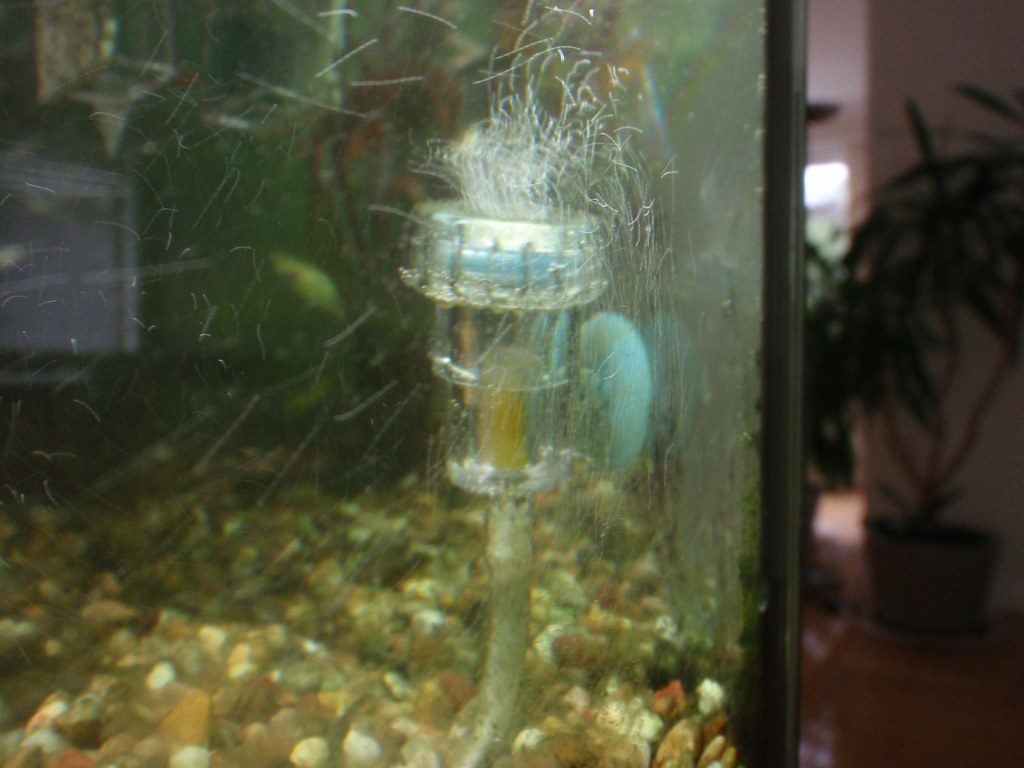
Most diffusers consist of a ceramic porous disc housed within a sturdy casing. CO2 gas from a pressurized cylinder is fed into the diffuser, forced through the microscopic pores of the disc, and emerges as a mist of tiny bubbles.
How Diffusers Work Their Magic
The smaller the bubbles, the more surface area they present to the water, and the longer they remain suspended before reaching the surface. This extended contact time allows more CO2 to dissolve into the aquarium water. Placing a diffuser near a powerhead or filter outflow can help distribute these bubbles throughout the tank, further improving dissolution.
Diffusers are generally easy to install and require minimal maintenance, making them a popular choice for beginners and those with smaller tanks. They come in various sizes to suit different aquarium volumes.
Pro Tip: When setting up a new CO2 diffuser, allow it a few days to “break in.” The ceramic disc’s pores will become more efficient at producing finer bubbles after a short period of continuous use. You might notice larger bubbles initially, which will gradually shrink.
Advantages of CO2 Diffusers
Diffusers are cost-effective to purchase and operate, especially for smaller setups. Their compact size means they don’t take up much space inside the tank. They are also straightforward to clean and replace when necessary.
Limitations of CO2 Diffusers
While convenient, diffusers do have limitations. Their dissolution efficiency, while good, is not 100%. Some CO2 inevitably escapes into the atmosphere as bubbles reach the surface. This “off-gassing” can be more pronounced in larger tanks or those with significant surface agitation.
For heavily planted tanks or those above 50-60 gallons, multiple diffusers might be needed, or they might struggle to maintain best CO2 levels. They also create a visible mist of bubbles, which some aquarists find aesthetically disruptive.
The CO2 Reactor: Maximizing Dissolution for Serious Planted Tanks
CO2 reactors are designed for maximum CO2 dissolution efficiency, often achieving near 100% saturation. Unlike diffusers, which release bubbles into the main tank, reactors typically contain the CO2 bubbles within a chamber, forcing them to dissolve before the water returns to the aquarium.
Reactors work by creating a turbulent environment where CO2 bubbles are continuously mixed with water. This extended contact time and mechanical mixing ensure that virtually all the CO2 gas dissolves into the water.
Types of CO2 Reactors
There are several types of CO2 reactors, each with slightly different operating principles:
- Inline Reactors: These are installed outside the aquarium, usually on the outflow line of an external canister filter. Water from the filter is diverted through the reactor, where it mixes with CO2. The CO2 dissolves completely before the water returns to the tank. Many inline reactors utilize a venturi effect or internal baffling to maximize mixing.
- Internal Reactors: Placed inside the aquarium, these often use a small pump or are attached to a powerhead to draw in tank water, mix it with CO2, and then return CO2-saturated water. Some designs feature a spiraling path or media to increase contact time.
- Ceramic Reactors (Advanced Diffusers): While technically still diffusers, some high-end ceramic reactors feature larger ceramic plates and are designed to be placed in specific areas of high flow to boost dissolution beyond typical diffusers.
Advantages of CO2 Reactors
The primary benefit of a CO2 reactor is its unparalleled dissolution efficiency. This means less CO2 waste and more stable CO2 levels in your tank. They are excellent for larger aquariums, heavily planted setups, or tanks where aesthetics are essential, as there are no visible bubbles in the display tank itself.
Reactors can also contribute to a more stable pH by providing a consistent CO2 supply. In my experience, once dialed in, a good reactor system offers far greater stability.
Limitations of CO2 Reactors
Reactors are generally more expensive than diffusers. Their installation can be more complex, especially inline models that require cutting filter lines and proper plumbing. They can also add extra resistance to your filter’s flow, potentially reducing its efficiency.
Some internal reactors can be bulky and take up space within the aquarium. Maintenance involves occasional cleaning to prevent biofilm buildup, which can impede efficiency.
Common Mistake: When installing an inline CO2 reactor, keep it’s positioned vertically and properly sealed. A common issue is air accumulation at the top of the reactor, which can prevent efficient CO2 dissolution and potentially lead to an airlock in your filter system. Bleed out any trapped air after installation.
CO2 Reactor vs Diffuser: A Head-to-Head Comparison
To help you visualize the differences, here’s a direct comparison of CO2 reactors and diffusers across key criteria:
| Feature | CO2 Diffuser | CO2 Reactor |
|---|---|---|
| Dissolution Efficiency | Good (60-80% typical), some off-gassing. Relies on fine bubbles. | Excellent (95-100%), minimal to no off-gassing. Forced mixing. |
| Cost | Lower initial purchase cost. | Higher initial purchase cost. |
| Installation & Complexity | Simple, place in tank. | More complex, often external (inline bypass), may require plumbing. |
| Visibility in Tank | Produces visible mist of bubbles. | Typically no visible bubbles in display tank. |
| Maintenance | Soak ceramic disc in bleach solution periodically. | Occasional cleaning for biofilm buildup. |
| Suitable Tank Size | Generally small to medium (up to 60-75 gallons). | Medium to large (40+ gallons), or heavily planted smaller tanks. |
| Impact on Filter Flow | None. | Can add resistance, potentially reducing filter GPH. |
| CO2 Waste | Moderate, due to bubbles escaping surface. | Minimal, very efficient use of CO2. |
Choosing the Right CO2 System for Your Aquarium
The decision between a CO2 reactor vs diffuser ultimately hinges on several factors specific to your aquarium setup and your goals. There’s no single “best” option; rather, it’s about finding the most suitable solution for your needs.
Consider Your Tank Size and Plant Density
For nano tanks or modestly planted aquariums up to about 30 gallons, a good quality CO2 diffuser is often more than sufficient. The volume of water is smaller, and the demand for CO2 is typically lower. As tanks get larger, or as planting becomes denser, the demand for CO2 increases significantly. This is where reactors shine, preventing CO2 off-gassing and making sure consistent levels.
Budget and Experience Level
If you’re a beginner just dipping your toes into CO2 injection, a diffuser offers an excellent entry point due to its lower cost and simpler setup. For experienced aquarists or those committed to high-tech planted tanks, the investment in a reactor pays off in superior performance and stability.
Aesthetics and Noise
Diffusers produce a visible stream of bubbles, which some find charming and others distracting. Reactors, especially inline models, are completely hidden, maintaining a pristine in-tank aesthetic. Inline reactors are also virtually silent, while diffusers can sometimes produce a faint fizzing sound.
Practical Decision Table for CO2 Systems
This table should help you quickly narrow down your choice based on common scenarios.
| Scenario | Recommended System | Why |
|---|---|---|
| Small Tank (under 30 gal), Lightly Planted, Beginner | CO2 Diffuser | Cost-effective, easy setup, sufficient CO2 for low demand. |
| Medium Tank (30-60 gal), Moderately Planted, Intermediate | High-Quality CO2 Diffuser or Internal Reactor | Good diffuser can work, but a reactor offers better stability and less waste. |
| Large Tank (60+ gal) or Heavily Planted, Advanced | Inline CO2 Reactor | Maximum dissolution efficiency, no visible bubbles, stable CO2 levels. |
| Aesthetic Focus (No in-tank equipment visible) | Inline CO2 Reactor | Completely external, keeps the tank clean and uncluttered. |
| Budget-Conscious, Small-Medium Tank | CO2 Diffuser | Lower upfront cost, acceptable performance for modest needs. |
Installation and Maintenance Considerations
Regardless of whether you choose a CO2 reactor vs diffuser, proper installation and routine maintenance are critical for best performance and safety.
Diffuser Installation and Care
Install your diffuser in a location with good water flow, ideally under a filter outflow or near a powerhead. This ensures the fine bubbles are dispersed throughout the tank. Secure it with suction cups, typically provided with the unit.
Maintenance involves periodic cleaning of the ceramic porous disc. Over time, algae and biofilm can clog the pores, leading to larger bubbles and reduced dissolution efficiency. Soak the disc in a dilute bleach solution (e.g., 1 part bleach to 10 parts water) for a few hours, then rinse thoroughly and soak in dechlorinated water before reintroducing to the tank.
Reactor Installation and Care
Inline reactors require cutting your canister filter’s outflow tubing to insert the unit. Make sure you use appropriate hose clamps to prevent leaks, which can be disastrous. Some come with an inline bypass feature, allowing you to easily remove the reactor for cleaning without disconnecting your filter.
Internal reactors are generally simpler; just place them in the tank and connect to a power source or filter. Both types benefit from periodic cleaning to remove any internal biofilm or algae buildup that might impede water or CO2 flow. This usually involves disassembling the unit and scrubbing its interior.
Always refer to the manufacturer’s instructions for specific installation and maintenance guidelines. Pay close attention to the working pressure PSI ratings for all components in your CO2 system to help safe operation.
Optimizing CO2 Distribution and Monitoring
Getting CO2 into the water is only half the battle; ensuring it’s evenly distributed throughout the tank is equally important. Good water circulation is key here.
Water Flow and CO2 Distribution
For diffusers, strategic placement near filter outlets or within the path of a powerhead’s current will help spread the dissolved CO2. With reactors, especially inline models, the CO2 is already fully dissolved when it enters the tank, so good overall tank circulation is what matters most for even distribution to all plants. Consider adding a small wave maker or internal pump if your filter flow isn’t sufficient to create laminar flow throughout the entire aquarium.
Monitoring CO2 Levels with Drop Checkers
A CO2 drop checker is an invaluable tool for monitoring CO2 levels. It uses a pH-sensitive solution (like bromothymol blue) in an isolated chamber. The color of the solution indicates the approximate CO2 concentration: blue (too low), green (ideal), or yellow (too high).
Remember that a drop checker has a delayed reaction, so it won’t show instant changes. It reflects the average CO2 level over a few hours. Use it in conjunction with your CO2 regulator’s bubble counter to fine-tune your injection rate. For more on maximizing efficiency, consider exploring aquarium CO2 efficiency.
Troubleshooting Common CO2 Issues
Even with the best equipment, you might encounter issues. Here’s a quick rundown of common problems:
- Low CO2 Readings (Blue Drop Checker): Check your CO2 cylinder pressure. Make sure all connections are tight to prevent leaks. If using a diffuser, check the ceramic disc for clogs. If using a reactor, verify the water flow through it and help no air is trapped. Increase bubble count slowly.
- High CO2 Readings (Yellow Drop Checker), Fish Gasping: Immediately turn off CO2. Perform a partial water change and increase surface agitation to off-gas excess CO2. This indicates your injection rate is too high.
- No Bubbles from Diffuser/Reactor: Check your CO2 regulator and solenoid for power. Verify the cylinder isn’t empty. Check for kinks in the CO2 tubing.
- CO2 Leaks: Listen for hissing sounds, or use a soapy water solution sprayed on connections to look for bubbles. Leaks can quickly empty your CO2 tank and waste gas.
Quick checklist
- A good diffuser placed near the filter outlet spreads CO2 far better than one in a still corner.
- Aim for about 30 ppm CO2 in a high-tech planted tank; a drop checker turning lime-green is a good visual guide.
- Turn CO2 on 1–2 hours before lights on and off an hour before lights out.
- Fish gasping at the surface is the first sign of too much CO2; increase surface agitation and lower the bubble rate immediately.
Frequently Asked Questions (FAQs)
Can I use a CO2 diffuser in a large tank?
While possible, a single diffuser in a very large or heavily planted tank will likely struggle to provide adequate, consistent CO2 levels. You might need multiple diffusers or frequently refill your CO2 cylinder due to inefficiency. A CO2 reactor is generally a better choice for tanks over 60-75 gallons.
How often should I clean my CO2 diffuser/reactor?
For diffusers, I clean the ceramic disc every 2-4 weeks, or whenever I notice larger bubbles or reduced output. Reactors might need cleaning every 2-3 months, depending on biofilm buildup in your system. Regular maintenance makes sure best dissolution.
Will a CO2 reactor reduce my filter’s flow significantly?
An inline CO2 reactor will add some resistance to your canister filter’s flow. The degree of reduction depends on the reactor’s design and your filter’s power. Often, the reduction is minor and acceptable, but it’s something to monitor. If you notice a significant drop in flow, consider a more powerful filter or a reactor designed for minimal flow restriction.
What is the right working pressure PSI for a CO2 system?
The working pressure PSI (pounds per square inch) from your regulator is usually set to a low value, often around 20-30 PSI, to help consistent bubble counts. The tank pressure, however, will be much higher. Always ensure your regulator and tubing are rated for the cylinder’s pressure.
Is it possible to have too much CO2?
Absolutely. Excess CO2 will rapidly lower the pH of your aquarium water, which can be lethal to fish and shrimp. Always monitor your CO2 levels with a drop checker and observe your livestock for signs of distress (e.g., gasping at the surface).
A closing note
Working through CO2 injection can seem daunting at first, but understanding the fundamental differences between a CO2 reactor vs diffuser is a key step toward success. Both systems have their place in the hobby, catering to different tank sizes, budgets, and aquarist experience levels.
For those starting out or with smaller, modestly planted tanks, a well-placed CO2 diffuser offers an affordable and effective solution. As your ambition grows, or if you maintain a large, densely planted aquascape, upgrading to a CO2 reactor will provide superior dissolution efficiency, stability, and aesthetic benefits. Whichever path you choose, keep in mind that consistency, careful monitoring, and a keen eye on your plants and livestock are the true keys to a stable, CO2-injected aquarium. Happy planting.

- 2003First tank
- 20+Years keeping
- 40+Tanks kept
- 0Sponsored picks
Howard set up his first 10-gallon planted tank in 2003 and lost half of it within six weeks. Two decades and more than forty aquariums later, he writes the guides he wished he had then: clear numbers, the reasons behind them, and what actually goes wrong in home tanks.