How Can You Tell a Tortoises Age – Accurate Estimation Guide
Determining a tortoise’s age involves counting scute annuli, measuring carapace length, and assessing shell wear. While rings provide an estimate, combining these with species-specific growth charts and health indicators offers the most accurate age window.
Determining the exact age of a tortoise is one of the most common challenges for reptile enthusiasts. Unlike mammals, these ancient creatures do not show age through graying hair or typical facial wrinkles.
Instead, their history is etched into their shells and reflected in their slow, ectothermic metabolism. If you are wondering how can you tell a tortoises age, you must look at a combination of biological markers and environmental history.
While it is rarely possible to pinpoint a specific birth date without breeder records, you can certainly estimate a life stage. This guide will walk you through the scientific and practical methods used by herpetologists to gauge the age of these long-lived reptiles.
At a glance: Tortoises (general) (Family Testudinidae)
- Temperature
- Basking 90–100°F by species
- Adult size
- 4–30 in shell by species
- Enclosure
- Large enclosure or outdoor pen
- Group size
- Usually alone
- Temperament
- Docile
- Diet
- Herbivores: weeds, grasses, leafy greens
- Lifespan
- 40–100+ years
Keeper’s tip: UVB lighting and calcium are essential for healthy shell growth in indoor tortoises.
The Science of Scute Annuli and Shell Growth
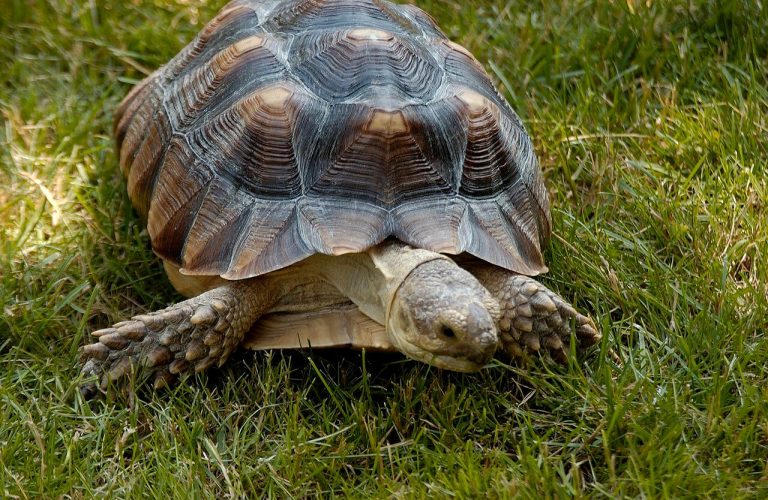
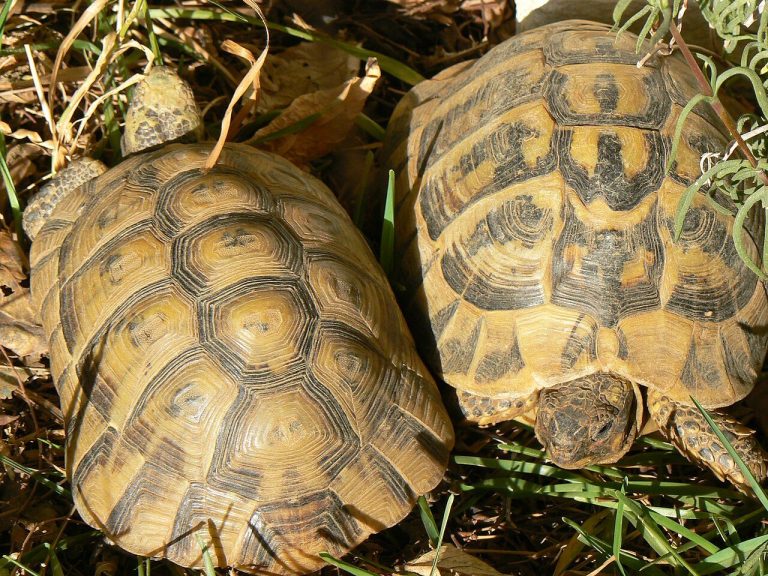
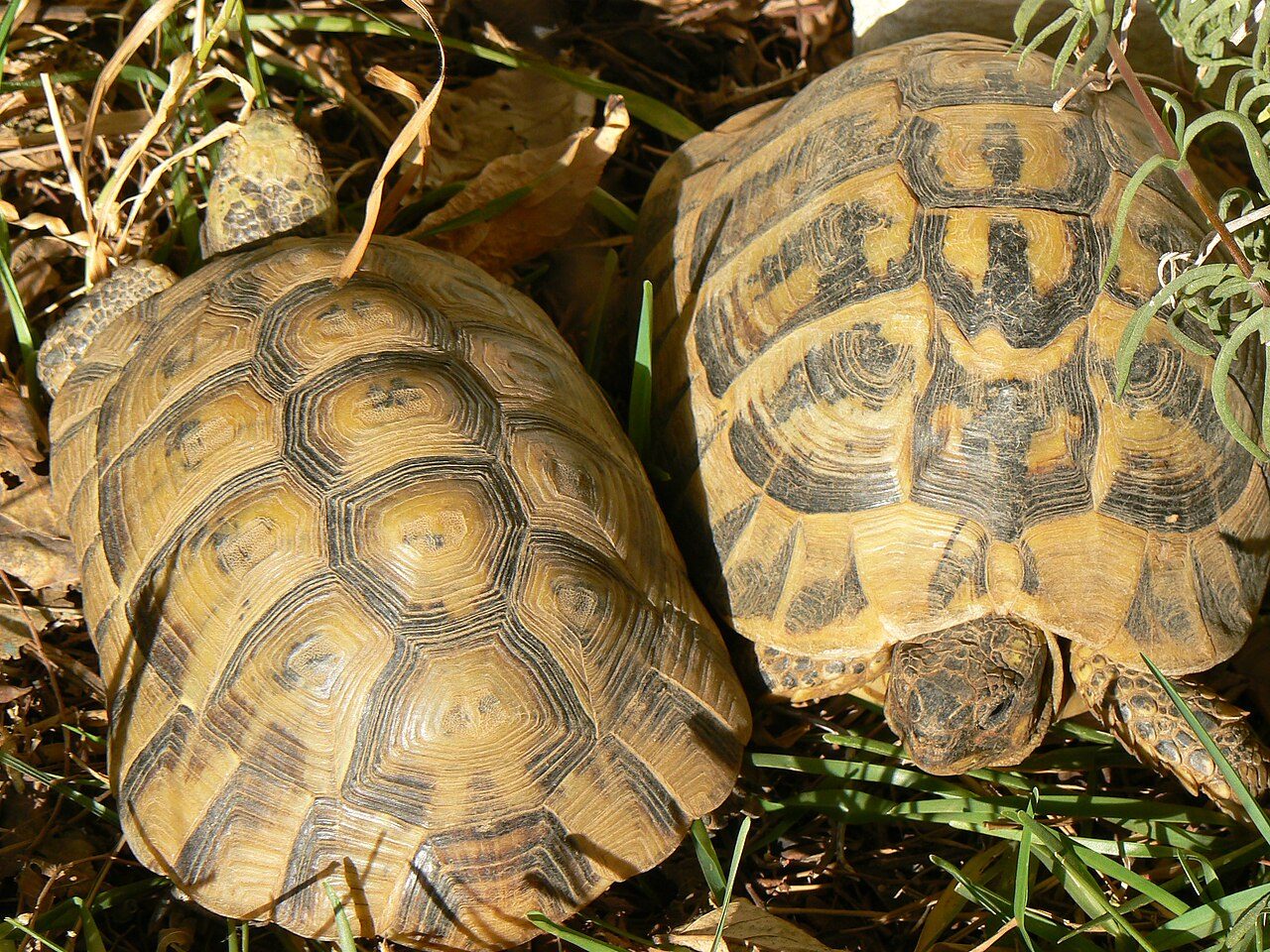
The most famous method for aging a tortoise is counting the rings on the individual plates of the shell, known as scutes. These rings are formally called scute annuli.
They form as the tortoise grows, with new keratin layers being deposited underneath the older ones. In a perfect environment with distinct seasons, one ring might represent one year of life.
However, tortoises are heavily influenced by their environment and food availability. A “growth spurt” during a particularly wet season can create multiple rings in a single year, while a drought might result in no visible growth at all.
Understanding Sclerochronology
The study of these growth layers is known as sclerochronology. This field of science looks at how hard tissues in animals record environmental changes over time.
In tortoises, the carapace keratinization process is what creates these distinct ridges. As the animal consumes calcium and protein, the shell expands, leaving behind a physical record of that expansion.
When people ask how can you tell a tortoises age, they are essentially asking to read this biological diary. It requires a keen eye to distinguish between a true annual ring and a “false ring” caused by a sudden change in diet.
Pro Tip: Avoid relying solely on scute rings for tortoises older than 15 years. As the tortoise matures, the rings become so crowded at the edges of the scutes that they are nearly impossible to count accurately.
The Impact of Diet and Environment
A tortoise raised in captivity often grows much faster than its wild counterparts. This is due to a consistent supply of high-quality food and optimized UVB radiation intensity.
In captivity, a tortoise may develop many rings in a short period. This often leads owners to believe their pet is much older than it actually is.
Conversely, wild tortoises may have very smooth shells due to environmental wear, making them look younger. You must always consider the “lifestyle” of the animal when performing an age assessment.
how can you tell a tortoises age Using Physical Dimensions
If the shell rings are too faint or confusing, physical measurements provide a secondary layer of data. Every species has an average growth rate that can be used as a benchmark.
By measuring the Straight Carapace Length (SCL), you can compare your tortoise to known growth charts. This is particularly helpful for juveniles and sub-adults whose growth is most rapid.
For instance, identifying age in Sulcata specimens is often easier because their massive size increases significantly every year. A hatchling is only a few inches, while a five-year-old can be over a foot long.
How to Measure Properly
To get an accurate SCL, you should not measure along the curve of the shell. Instead, use a set of calipers or place the tortoise against a wall and measure the distance to the furthest point of the shell.
Weight is also a vital metric, though it can fluctuate based on hydration and recent feedings. A steady increase in weight is a sign of a juvenile or young adult, whereas elderly tortoises tend to maintain a very stable weight.
A tortoise that stops growing in length but continues to thicken its shell is likely reaching full maturity. This transition usually happens between 10 and 20 years of age for most common pet species.
| Tortoise Species | Avg. Hatchling Size | Adult Maturity Age | Max Lifespan (Est.) |
|---|---|---|---|
| Russian Tortoise | 1 – 1.5 inches | 8 – 12 years | 40 – 50 years |
| Sulcata Tortoise | 2 – 3 inches | 15 – 20 years | 70 – 100+ years |
| Red-Footed Tortoise | 1.5 – 2 inches | 10 – 15 years | 50 – 60 years |
| Leopard Tortoise | 2 inches | 12 – 15 years | 75 – 100 years |
The Role of Shell Texture
As a tortoise ages, the texture of its shell undergoes significant changes. Young tortoises often have very distinct, sharp ridges between their scutes.
In older individuals, these ridges begin to wear down. This process, called plastron erosion, is most visible on the bottom shell where it contacts the ground.
A very old tortoise may have a shell that feels smooth to the touch, almost like a river stone. This “polishing” takes decades of movement through burrows and vegetation.
Biological Indicators and Sexual Maturity
Another way to narrow down the age is to look for signs of sexual maturity. Most tortoises do not show their gender clearly until they reach a certain size or age.
If you can clearly distinguish the sex of your tortoise, it has likely reached its sub-adult phase. For many species, this occurs between 5 and 10 years of age.
Male tortoises often develop a concave plastron (bottom shell) to help them mount females. They also exhibit changes in gular scute morphology, where the scutes under the neck become longer or more pronounced.
Observing Breeding Behavior
The onset of breeding behavior is a strong indicator that a tortoise is at least a teenager in human years. Males will become more territorial and may start “head-bobbing” or chasing other tortoises.
Female tortoises may begin to pace their enclosure or look for nesting sites. These behaviors typically do not manifest in hatchlings or very young juveniles.
Knowing the maturity age of your specific species, such as the Chelonoidis carbonarius (Red-footed tortoise), allows you to place them in a specific age bracket. If they are breeding, they are likely at least 10 to 12 years old.
Skin and Eye Health
The condition of the skin can also provide clues about age. Younger tortoises tend to have tighter, more elastic skin with very bright, distinct scales.
Older tortoises may develop thicker, more wrinkled skin, especially around the neck and legs. This is a natural part of the aging process and is not necessarily a sign of poor health.
Monitoring tortoise scale and skin health is essential for overall longevity. Dull eyes or sunken skin are more likely signs of dehydration or illness than old age itself.
Common Mistake: Many keepers assume a smooth shell is always a sign of old age. However, “pyramiding” (abnormal upward growth) can occur at any age due to low humidity or poor diet, which can mask natural age markers.
Factors That Skew Age Estimation
When asking how can you tell a tortoises age, you must be aware of factors that can make a young tortoise look old or vice versa. Health issues are the primary culprits here.
Metabolic bone disease (MBD) can significantly alter shell growth. If a tortoise did not receive the correct calcium-to-phosphorus ratio in its youth, its shell may be stunted or deformed.
Deformities caused by MBD can make scute rings impossible to read. It can also cause the shell to remain soft or become excessively brittle, mimicking the wear patterns of a much older animal.
The Influence of Lighting
The amount of UVB light a tortoise receives directly impacts how quickly its shell hardens and grows. High-intensity lighting can accelerate growth, making a three-year-old tortoise look like a six-year-old.
In the wild, tortoises may spend months in brumation (a form of hibernation). During this time, growth completely stops, creating a very clear annual ring.
In captivity, if a tortoise does not brumate, it may grow continuously. This lack of a “rest period” results in less defined rings, making age estimation much more difficult.
The “Rescue” Dilemma
If you have acquired a rescue tortoise, you often have zero history to work with. In these cases, a veterinarian specializing in reptiles is your best resource.
They can use X-rays to look at bone density and growth plates. While this still won’t give an exact birthday, it can confirm if the tortoise is still growing or has reached physical senescence.
Always observe their activity levels and tortoise sleep patterns. Older tortoises tend to be more sedentary and have established routines, whereas youngsters are often more erratic and adventurous.
Advanced Methods: Radiocarbon Dating and Lab Tests
For scientific research or extremely rare specimens, experts may use more invasive or technical methods. These are not typically available to the average hobbyist but are worth noting.
Radiocarbon dating can be used on keratin samples from the shell. This measures the carbon isotopes absorbed by the tortoise throughout its life.
Because the shell grows in layers, scientists can take samples from different depths to trace the tortoise’s history. This method was famously used to determine the age of giant tortoises in the Galapagos.
Blood Chemistry and Aging
Some researchers are looking into blood biomarkers that correlate with age in reptiles. This involves looking at telomere length or specific protein concentrations.
Currently, this is mostly experimental. However, it represents the future of how we might answer how can you tell a tortoises age with 100% certainty.
For now, the hobbyist must rely on the “holistic” approach. This means looking at the shell, the size, the behavior, and the species history all at once.
Quick answers About Tortoise Age Determination
Can I tell a tortoise’s age by its size alone?
No, size is not a reliable indicator because growth rates vary wildly based on diet and environment. A well-fed juvenile can easily outsize an undernourished adult of the same species.
Do all tortoises have growth rings?
Most tortoises have scute annuli, but they can become worn away in older individuals or burrowing species. Some species naturally have smoother shells where rings are less prominent.
Why does my young tortoise have so many rings?
This is usually caused by “pulse growth.” If the tortoise has periods of rapid growth followed by short stalls (common in captive feeding schedules), it will produce multiple rings in a single year.
Is there a “maximum” number of rings a shell can have?
Technically no, but practically, the scutes eventually run out of room. Once a tortoise reaches full physical maturity, new growth is so minimal that new rings essentially stack on top of each other.
Does pyramiding affect age estimation?
Yes, pyramiding makes it very difficult to count rings because the scutes are distorted. It also changes the way the shell wears down, making physical markers less reliable.
Final Thoughts on Estimating Your Tortoise’s Age
While there is no single “magic” trick to knowing a tortoise’s age, combining multiple methods provides a very good estimate. Start by counting the scute annuli, then cross-reference that with the Straight Carapace Length and the animal’s weight.
Environmental factors like UVB radiation intensity and diet play a massive role in how a tortoise “wears” its age. A smooth shell might mean a tortoise is 50 years old, or it might mean it has lived in a sandy environment for 10 years.
Ultimately, the exact age is less important than the tortoise’s current health and vitality. If you provide a proper calcium-to-phosphorus ratio and a stress-free environment, you make sure that whatever age they are, they have many healthy years ahead of them.
Focus on the life stages: hatchling, juvenile, sub-adult, and adult. This classification is usually enough to provide the expert-level care these magnificent creatures deserve.

- 2003First tank
- 20+Years keeping
- 40+Tanks kept
- 0Sponsored picks
Howard set up his first 10-gallon planted tank in 2003 and lost half of it within six weeks. Two decades and more than forty aquariums later, he writes the guides he wished he had then: clear numbers, the reasons behind them, and what actually goes wrong in home tanks.