Baby Sulcata Tortoise Care – Diet, Enclosure and Daily Routine
Provide a high-humidity microclimate, consistent UVB 10.0 exposure, and a calcium-rich, fibrous diet to prevent pyramiding and ensure your baby Sulcata tortoise stays healthy long-term.
At a glance: Sulcata tortoise (Centrochelys sulcata)
- Temperature
- Basking 95–100°F (35–38°C)
- Adult size
- 24–30 in shell (60–76 cm)
- Enclosure
- Outdoor pen for adults
- Group size
- Alone
- Temperament
- Docile, strong diggers
- Diet
- Herbivore: grasses, hay, weeds, low-sugar greens
- Lifespan
- 70+ years
Keeper’s tip: Adults outgrow any indoor enclosure; plan for a secure outdoor pen early.
If you are an aquarium hobbyist, you already understand the importance of maintaining stable environmental parameters. Transitioning into Centrochelys sulcata, the African Spurred Tortoise, requires that same dedication to biological stability and habitat design.
While these tortoises eventually grow to be massive, heavy-duty grazers, their early life stages are surprisingly delicate. In my experience, the first two years of a tortoise’s life are the most critical for setting the foundation for a healthy, long-lived animal.
Understanding the Growth Needs of a Young Tortoise
Many beginners mistake these desert-dwelling tortoises for animals that need a bone-dry, hot environment. This is a dangerous misconception that leads to stunted growth and shell deformities.
When they are small, these tortoises rely on a humid microclimate to keep their skin hydrated and their shells growing smoothly. If the air is too dry, the keratin on their shell will dry out, leading to uneven growth patterns.
Common Mistake: Do not use a glass aquarium for a small tortoise. Glass tanks often lead to poor ventilation, difficulty controlling humidity, and stress because the tortoise cannot understand the transparent barrier. A large plastic tortoise table or an open-top wooden enclosure is far superior.
Setting Up the Perfect Enclosure
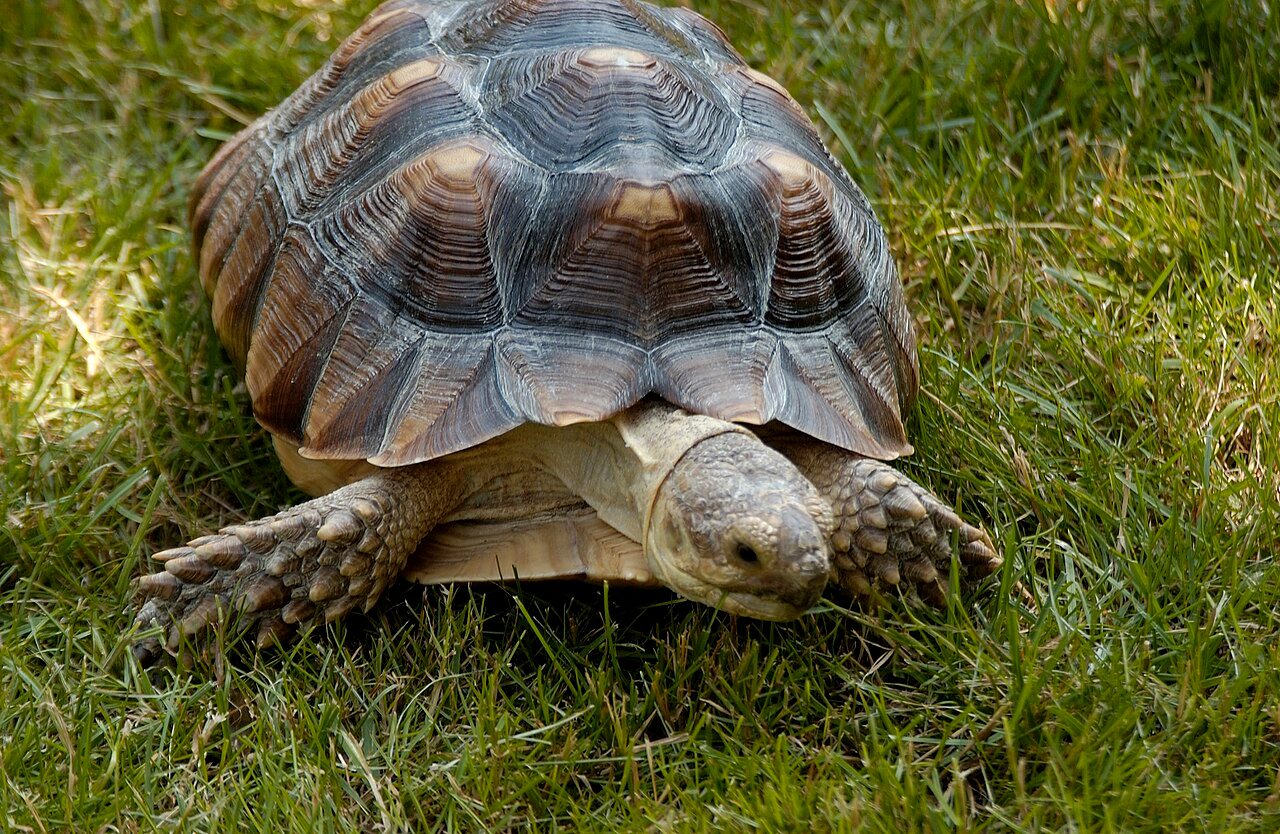
Your enclosure setup is the most important factor in preventing health issues like pyramiding. Pyramiding occurs when the scutes of the carapace grow upward rather than outward, resulting in a bumpy, pyramid-like shell.
You should aim to replicate a burrow-like environment. This means providing a moist substrate, such as coconut coir or a mix of topsoil and play sand, which holds moisture well without becoming muddy.
| Parameter | Recommendation |
|---|---|
| Basking Surface Temp | 95°F – 100°F (35°C – 38°C) |
| Ambient Cool Side | 75°F – 80°F (24°C – 27°C) |
| Target Humidity | 60% – 80% |
| Lighting | UVB 10.0 Tube (Linear) |
Lighting and Thermoregulation Essentials
Thermoregulation is the process by which your tortoise moves between heat and cool zones to regulate its body temperature. You must provide a clear thermal gradient so your tortoise can choose its preferred temperature.
I always recommend a high-quality linear UVB 10.0 bulb rather than the compact coil bulbs. Linear bulbs provide a much broader and more consistent spread of ultraviolet light, which is essential for vitamin D3 synthesis and bone health.
Without proper UVB, your tortoise will quickly develop Metabolic Bone Disease. This condition causes the bones and shell to become soft, weak, and deformed, which is often irreversible.
Nutrition and Hydration Strategies
A proper diet for a Sulcata should be high in fiber and low in protein or sugars. Think of them as lawnmowers that need a constant supply of roughage.
Focus on grass hays, weeds like dandelion and clover, and dark leafy greens. Avoid grocery store staples like iceberg lettuce, which lack nutritional value and can cause digestive issues.
Pro Tip: Always keep a small, shallow dish of fresh water available, even if you think they don’t drink. Additionally, soak your baby tortoise in shallow, warm water for 15 minutes three times a week to make sure they stay hydrated and pass their urates properly.
Calcium is vital. You can lightly dust their food with calcium carbonate powder, but help you are also providing a cuttlebone in the enclosure. This allows the tortoise to self-regulate its calcium intake by gnawing on the bone as needed.
Monitoring Health and Maintenance
Just as you would monitor water parameters for cory catfish, you must monitor your tortoise’s behavior daily. A healthy tortoise is alert, has bright eyes, and is active during the day.
Check the plastron—the bottom part of the shell—periodically. It should be firm to the touch. If it feels soft or looks discolored, consult an exotic veterinarian immediately.
Maintenance is straightforward: remove waste daily and spot-clean the substrate. Replace the entire bedding every few months to prevent mold and bacteria buildup, which can cause respiratory infections.
Frequently asked questions
How fast do these tortoises grow? They grow rapidly under best conditions. Expect them to double or triple in size within their first few years, which means planning for larger housing early on.
What are urates? These are the white, chalky substances you might see in your tortoise’s waste. They are normal, but if they become hard or gritty, it is a sign of dehydration and requires more frequent soaking.
Can I keep them with other species? It is strongly recommended to keep Sulcata tortoises housed alone. They can be territorial, and housing them with other species increases the risk of disease transmission and stress.
My final take
Successfully keeping a baby Sulcata tortoise is a rewarding experience that mirrors the careful, satisfying nature of the aquarium hobby. If you focus on high humidity, proper UV lighting, and a fiber-heavy diet, you can avoid the common pitfalls that plague many captive specimens.
Remember that you are caring for an animal that can live for over 70 years. Treat their environment with the same precision and respect you would give your most prized aquatic setup, and you will enjoy a healthy, active companion for decades to come.

- 2003First tank
- 20+Years keeping
- 40+Tanks kept
- 0Sponsored picks
Howard set up his first 10-gallon planted tank in 2003 and lost half of it within six weeks. Two decades and more than forty aquariums later, he writes the guides he wished he had then: clear numbers, the reasons behind them, and what actually goes wrong in home tanks.