Sulcata Tortoise Diet List – The Ultimate Guide To Lifelong Health
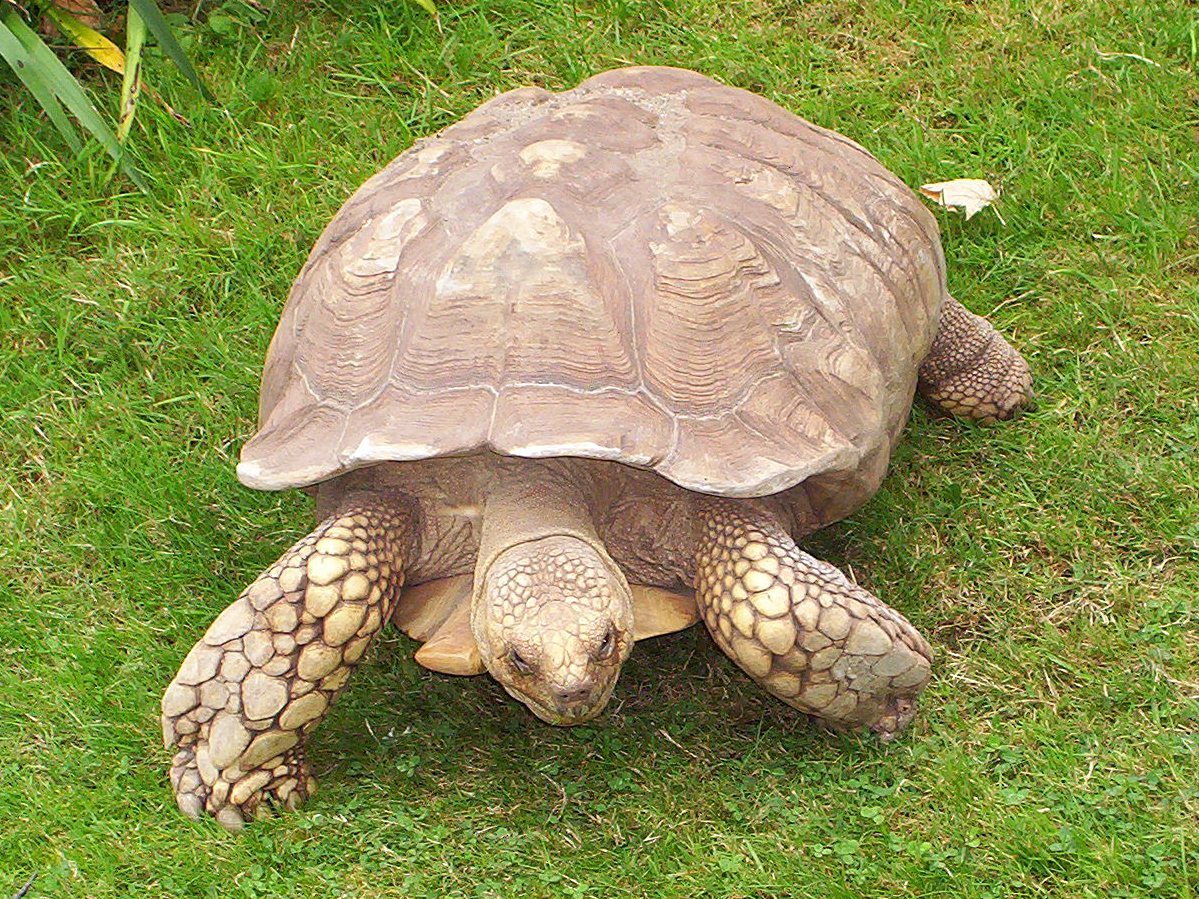
A proper sulcata tortoise diet list is primarily composed of high-fiber, low-protein grasses and weeds, supplemented with leafy greens and very limited amounts of certain vegetables and fruits. This diet supports healthy growth, prevents pyramiding, and ensures overall well-being.
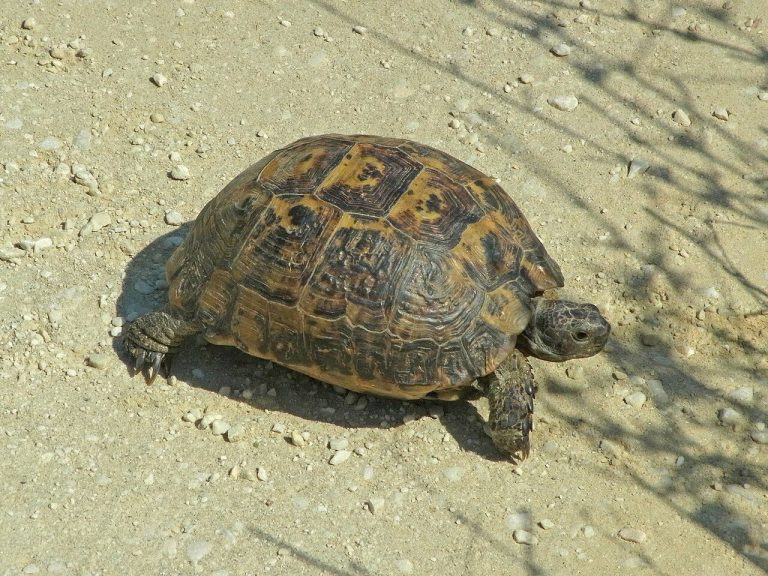
Welcome to “Successful Aquarium,” your trusted resource for well-kept aquatic and reptilian companions. While our name suggests a focus on aquatic life, the principles of creating a healthy, balanced environment extend to all popular pets, including the majestic African Sulcata Tortoise. These magnificent creatures, known for their impressive size and longevity, rely heavily on a carefully crafted diet to flourish.
In my experience, providing the right nutrition is the single most critical factor in preventing common health issues and ensuring your sulcata lives a long, vivid life. A well-researched and consistently applied sulcata tortoise diet list is your roadmap to success. Let’s look closely at understanding what makes an ideal diet for these gentle giants.
At a glance: Sulcata tortoise (Centrochelys sulcata)
- Temperature
- Basking 95–100°F (35–38°C)
- Adult size
- 24–30 in shell (60–76 cm)
- Enclosure
- Outdoor pen for adults
- Group size
- Alone
- Temperament
- Docile, strong diggers
- Diet
- Herbivore: grasses, hay, weeds, low-sugar greens
- Lifespan
- 70+ years
Keeper’s tip: Adults outgrow any indoor enclosure; plan for a secure outdoor pen early.
Understanding the Core Principles of the Sulcata Tortoise Diet List
Before we list specific foods, it’s important to grasp the fundamental dietary needs of a Sulcata tortoise. These herbivores are grazers by nature, adapted to arid grasslands. Their digestive systems are designed to process large quantities of fibrous plant matter.
Ignoring these natural predispositions can lead to serious health problems down the line. We aim for a diet that mimics their wild foraging habits as closely as possible. This approach supports their unique physiology and promotes ideal health.
High Fiber, Low Protein: The Golden Rule
The cornerstone of any effective sulcata tortoise diet list is high fiber content. This is essential for proper gut motility and nutrient absorption. Conversely, protein should be kept very low.
Excessive protein, especially in young tortoises, can lead to rapid, unhealthy growth and a condition called pyramiding. Pyramiding manifests as raised, cone-shaped scutes on the tortoise’s shell, indicating improper bone and shell development.
Calcium-to-Phosphorus Ratio
A proper calcium-to-phosphorus (Ca:P) ratio is another critical aspect. Calcium is vital for strong bones and shell development, while phosphorus can inhibit calcium absorption if present in too high amounts. Ideally, the Ca:P ratio should be at least 2:1, or even higher.
Many common vegetables have an inverse or poor Ca:P ratio, making them unsuitable as staples. Balancing this ratio is key to preventing metabolic bone disease (MBD), a debilitating condition.
Essential Staples: The Daily Sulcata Tortoise Diet List
The bulk of your sulcata’s diet should consist of these fibrous, nutrient-rich options. Think of them as the foundation of every meal.
Grasses and Hay
This category forms the absolute backbone of a sulcata’s diet. They are incredibly high in fiber, low in protein, and provide essential roughage.
Offer a variety daily, keeping it’s always available. In my years of keeping various reptiles, I’ve learned that constant access to hay is non-negotiable for gut health.
- Orchard Grass Hay: Excellent staple, palatable, and widely available.
- Timothy Hay: Another fantastic option, very high in fiber.
- Bermuda Grass Hay: Good, but can be higher in protein, so offer in moderation.
- Alfalfa Hay: Higher in protein and calcium; best offered sparingly, especially to adults, or in small amounts to growing juveniles.
- Safe Pasture Grasses: If you have a safe, pesticide-free outdoor enclosure, allow them to graze on natural grasses like dandelions, clover, and plantain.
Pro Tip: Always provide a variety of hay. Don’t just stick to one type. Mixing different hays ensures a broader spectrum of nutrients and keeps your tortoise interested. I’ve noticed that variety helps prevent picky eating habits down the road.
Safe Leafy Greens and Weeds
These should complement the hay and grasses, offering additional vitamins and minerals. Aim for a diverse selection to make sure a broad nutritional profile.
Avoid feeding only one type of green, as some can have imbalances if fed exclusively. Rotate through several options throughout the week.
- Dandelion Greens and Flowers: A favorite for many tortoises, excellent Ca:P ratio, and very nutritious.
- Plantain (broadleaf and narrowleaf): Another superb weed, high in fiber and minerals.
- Chicory: Great addition, often enjoyed by sulcatas.
- Endive/Escarole: Good Ca:P ratio, suitable for regular feeding.
- Mustard Greens: Can be fed in moderation; they are goitrogenic (can interfere with thyroid function) if fed in very large quantities.
- Turnip Greens: Similar to mustard greens, use in moderation.
- Collard Greens: Good source of calcium, can be a regular part of the rotation.
- Hibiscus Leaves and Flowers (untreated): A delightful and safe treat, high in calcium.
- Opuntia Cactus Pads (spineless): Excellent source of fiber and hydration, can be a staple if available. Be sure to remove any glochids (tiny spines).
Supplemental Foods: Occasional Treats and Nutritional Boosts
These items should make up a very small percentage of the overall sulcata tortoise diet list – think of them as occasional treats, not daily staples. They add variety and specific nutrients but can cause issues if overfed.
Limited Vegetables
Many common vegetables are not ideal for sulcatas due to poor Ca:P ratios, high sugar content, or oxalic acid. When I first started keeping tortoises, I made the mistake of thinking all vegetables were good. I quickly learned the importance of understanding specific nutritional profiles.
Offer these very sparingly, perhaps once or twice a week at most, and in small amounts.
- Butternut Squash: Good source of Vitamin A, can be offered occasionally.
- Bell Peppers (red, yellow, orange): Small pieces, very infrequently.
- Zucchini: Small pieces, not a primary food.
Fruits: A Rare Indulgence
Fruits are generally high in sugar and low in fiber, making them unsuitable for regular feeding. They can disrupt the digestive system and lead to fermentation issues.
Offer fruits as an extremely rare treat, perhaps once a month or even less frequently. A small piece of melon or a berry can be a special occasion item.
| Category | Food Examples | Frequency | Notes |
|---|---|---|---|
| Daily Staples (80-90%) | Orchard Hay, Timothy Hay, Dandelion Greens, Plantain, Collard Greens, Endive | Daily, always available (hay) | High fiber, low protein. Rotate leafy greens for variety. |
| Occasional Additions (5-10%) | Mustard Greens, Turnip Greens, Butternut Squash, Bell Peppers, Zucchini, Alfalfa Hay | 2-3 times per week, small amounts | Adds variety and specific nutrients. Avoid overfeeding. |
| Rare Treats (0-5%) | Berries, Melon, Apple (small pieces) | Once a month or less | High sugar content. Use sparingly to prevent digestive upset. |
Foods to Avoid: The Dangerous Sulcata Tortoise Diet List
Just as important as knowing what to feed is knowing what to absolutely avoid. These items can be toxic, cause severe nutritional imbalances, or lead to serious health problems. Never include these in your sulcata tortoise diet list.
- Meat or Animal Protein: Tortoises are strict herbivores. Meat, cat/dog food, or any animal protein can cause severe kidney and liver damage, leading to pyramiding and other metabolic issues.
- Dairy Products: Tortoises are lactose intolerant and cannot digest dairy.
- Processed Foods: Bread, pasta, crackers, or any human processed foods are completely inappropriate and harmful.
- High-Oxalate Foods (in large amounts): Spinach, rhubarb, beet greens, and parsley contain oxalates that bind calcium, making it unavailable to the tortoise. While small amounts occasionally might not be harmful, they should never be staples.
- Goitrogenic Foods (in large amounts): Cabbage, kale, broccoli, cauliflower, and bok choy can interfere with thyroid function if fed in excess. Small amounts as part of a varied diet are usually fine, but they should not be primary greens.
- Avocado: Highly toxic to many animals, including tortoises.
- Onions and Garlic: Also toxic.
- Fruit (in large amounts): As mentioned, excessive sugar is detrimental.
- Lettuce (Iceberg, Romaine): While not toxic, they are mostly water and offer very little nutritional value. They fill the tortoise up without providing essential nutrients. Stick to darker, leafier greens.
Common Mistake: Many new keepers, myself included, assume that if a plant is green, it must be good. However, some common garden plants and houseplants are highly toxic to tortoises. Always double-check before offering anything from your garden if you’re unsure. A quick search can prevent a serious emergency.
Feeding Practices and Frequency
Consistency and proper presentation are key to a successful feeding regimen. It’s not just about what’s on the sulcata tortoise diet list, but how it’s offered.
Daily Feeding
Adult sulcatas should be fed once a day, typically in the morning. Offer a pile of food roughly the size of their shell. They are grazers, so they will browse throughout the day.
Juveniles might benefit from two smaller meals a day to support their rapid growth. For more specific guidance on younger tortoises, you might find our article on baby sulcata care helpful.
Presentation
Serve food on a flat, non-porous surface like a slate tile, a shallow dish, or directly on clean substrate if in an outdoor enclosure. This prevents ingestion of harmful substrate. Make sure the food is chopped into manageable pieces appropriate for your tortoise’s size.
Supplementation
Even with an ideal diet, supplementation is often necessary to help all nutritional bases are covered. Dust their food with a high-quality calcium supplement (without D3) several times a week, and a multivitamin supplement (with D3) once a week. The frequency may vary based on UVB exposure. Speaking of overall care, understanding the African Sulcata Tortoise diet in its broader context is always beneficial.
Making sure Hydration and Supplementation
Proper hydration is just as vital as a good diet. Sulcatas, despite their arid origins, need access to fresh water.
Water Access
Always provide a shallow, sturdy water dish that your tortoise can easily enter and exit. The water should be changed daily and kept carefully clean. Tortoises often defecate in their water, so vigilance is necessary.
Bathing
Regular soaking in shallow, warm water helps with hydration and encourages defecation. This is especially important for juveniles and tortoises kept indoors. Our guide on proper bathing techniques can provide more details.
UVB Lighting
For indoor tortoises, UVB lighting is non-negotiable. It enables them to synthesize Vitamin D3, which is essential for calcium absorption. Without adequate UVB or D3 supplementation, even a perfect calcium-rich diet won’t prevent metabolic bone disease. Make sure your UVB bulb is appropriate for the enclosure size and replaced every 6-12 months, as its UVB output degrades over time.
Common Dietary Mistakes and How to Fix Them
Even experienced keepers can sometimes fall into common traps. Recognizing these mistakes is the first step to correcting them.
Overfeeding Protein
This is arguably the most common mistake, leading directly to pyramiding. If you notice your tortoise’s shell scutes starting to rise, immediately assess their protein intake. Reduce or eliminate any legumes, high-protein hays (like alfalfa as a staple), and keep no animal protein is accidentally being fed.
Lack of Fiber
A diet lacking sufficient fiber can lead to digestive upset, impaction, and a generally unhealthy gut. If your tortoise isn’t eating enough hay, try offering different varieties. Sometimes, finely chopping hay and mixing it with a small amount of preferred greens can encourage consumption.
Feeding Too Many “Treats”
It’s tempting to spoil our pets, but for sulcatas, too many sugary fruits or starchy vegetables can be detrimental. Stick to the “rare treat” rule. If your tortoise is refusing their staple greens, it might be because they’re holding out for tastier, less healthy options. Be firm and consistent with their diet.
FAQ Section
How often should I feed my sulcata tortoise?
Adult sulcata tortoises should be fed once a day. Juveniles may benefit from two smaller meals a day. Always help hay is available at all times.
Can I feed my sulcata tortoise commercial tortoise pellets?
While some commercial tortoise pellets are formulated for high-fiber grazers, they should only be used as a supplement, not a primary food source. They can be helpful for picky eaters or to ensure vitamin intake, but fresh greens and hay should always form the bulk of the diet.
What if my sulcata tortoise won’t eat hay?
Try offering different types of hay to find one your tortoise prefers. You can also lightly mist the hay to make it more appealing, or chop it finely and mix it with a small amount of their favorite leafy greens to encourage them to eat it.
Is it okay to feed my sulcata tortoise weeds from my garden?
Only if you are absolutely certain the weeds have not been treated with pesticides, herbicides, or other chemicals, and you can positively identify them as safe for tortoises. Dandelions, plantain, and clover are generally safe and excellent choices if chemical-free.
How do I know if my tortoise is getting enough calcium?
The best way is through proper supplementation and providing appropriate UVB lighting. Watch for signs of metabolic bone disease, such as soft shell, swollen limbs, or difficulty moving. Consult a reptile veterinarian if you suspect MBD.
My final take
Crafting the perfect sulcata tortoise diet list is an ongoing process of learning, observation, and adjustment. If you prioritise high-fiber grasses and safe leafy greens, minimizing protein and sugar, and ensuring proper hydration and supplementation, you are setting your magnificent tortoise up for a lifetime of health and happiness.
A well-kept tortoise is a sign of dedicated care and a deep understanding of their unique needs. Your commitment to their diet is one of the greatest gifts you can give them. Here at “Successful Aquarium,” we believe in empowering you with the knowledge to keep all your pets, whether aquatic or terrestrial, lead their best lives.

- 2003First tank
- 20+Years keeping
- 40+Tanks kept
- 0Sponsored picks
Howard set up his first 10-gallon planted tank in 2003 and lost half of it within six weeks. Two decades and more than forty aquariums later, he writes the guides he wished he had then: clear numbers, the reasons behind them, and what actually goes wrong in home tanks.