450 Year Tortoise Lifespan – How to Help Them Live Longer
While rumors of a 450 year tortoise lifespan are common, the oldest documented tortoise, Adwaita, lived approximately 255 years. Currently, Jonathan the Seychelles giant tortoise is the world’s oldest living land animal at over 190 years.
chelonians is filled with wonder, particularly regarding their ability to outlive almost every other creature on Earth. Among hobbyists and researchers alike, the concept of a 450 year tortoise lifespan often surfaces in discussions about extreme longevity.
While these massive reptiles are indeed symbols of endurance, separating viral internet myths from biological reality is essential for any serious enthusiast. Understanding how these animals live for centuries requires a deep go through their unique evolutionary adaptations and cellular biology.
By exploring the documented records and the scientific mechanisms behind their aging process, we can better appreciate the care required for long-lived species.
At a glance: Tortoises (general) (Family Testudinidae)
- Temperature
- Basking 90–100°F by species
- Adult size
- 4–30 in shell by species
- Enclosure
- Large enclosure or outdoor pen
- Group size
- Usually alone
- Temperament
- Docile
- Diet
- Herbivores: weeds, grasses, leafy greens
- Lifespan
- 40–100+ years
Keeper’s tip: UVB lighting and calcium are essential for healthy shell growth in indoor tortoises.
Debunking the 450 Year Tortoise Lifespan Myth
In recent years, various social media posts and unverified articles have claimed the existence of a 450 year tortoise lifespan. However, there is currently no scientifically verified record of a tortoise reaching four and a half centuries.
The confusion often stems from the story of Adwaita, an Aldabra giant tortoise (Aldabrachelys gigantea) who lived in the Alipore Zoological Gardens in India. Adwaita was rumored to have been a pet of Robert Clive of the East India Company, which would have put his age at over 250 years at the time of his death in 2006.
Even with Adwaita’s impressive record, he fell far short of the 450-year mark. Carbon dating on his shell confirmed an age of roughly 255 years, which remains the highest scientifically accepted age for any tortoise in modern history.
The Case of Jonathan the Seychelles Giant Tortoise
Currently, the title of the oldest living land animal belongs to Jonathan, a Seychelles giant tortoise residing on the island of Saint Helena. Born around 1832, Jonathan has exceeded 190 years of age, surviving through two World Wars and dozens of world leaders.
Jonathan’s health is monitored closely by veterinarians, and his longevity is attributed to a stress-free environment and a consistent diet. While he is incredibly old, he still has a long way to go before he could ever validate the 450-year claim.
Why Myths About Extreme Age Persist
Ancient tortoises are difficult to age because they lack the obvious signs of senescence seen in mammals. Their slow movements and prehistoric appearance lead many to assume they are older than they actually are.
Furthermore, historical records from the 18th and 19th centuries were often imprecise. Without modern tracking, the “legend” of a specific tortoise often grows faster than the animal itself, leading to exaggerated figures like the 450-year milestone.
Common Mistake: Many keepers assume that a tortoise’s age can be determined solely by counting the rings on its scutes. While this works for juveniles, the rings often wear down or merge as the tortoise matures, making visual aging highly unreliable for older specimens.
Biological Mechanisms of Chelonian Longevity
To understand how a tortoise can live for two centuries, we must look at their internal biology. Tortoises exhibit what scientists call negligible senescence, meaning their biological functions do not significantly decline as they age.
Unlike humans, whose organs eventually wear out, a tortoise’s heart, lungs, and digestive system remain remarkably efficient throughout their lives. This is supported by a suite of evolutionary “superpowers” that protect their cells from damage.
Bradymetabolism and Energy Conservation
One of the primary secrets to their long life is bradymetabolism, or a naturally slow metabolic rate. Because tortoises move slowly and have low energy requirements, their bodies produce fewer metabolic byproducts that lead to cellular aging.
This slow pace of life reduces the “wear and tear” on their internal systems. By operating at a lower thermal and metabolic baseline, they effectively stretch their biological clock further than faster-moving animals.
Telomerase Regulation and DNA Repair
At the cellular level, tortoises possess incredible telomerase regulation. Telomeres are the protective caps on the ends of DNA strands that shorten every time a cell divides; when they get too short, the cell dies.
Tortoises are able to maintain or repair these telomeres more effectively than most vertebrates. This, combined with advanced somatic DNA repair mechanisms, allows them to fix genetic mutations before they can turn into diseases like cancer.
| Biological Mechanism | Function in Longevity | Impact on Lifespan |
|---|---|---|
| Negligible Senescence | Lack of biological aging in tissues. | Prevents age-related organ failure. |
| Bradymetabolism | Extremely slow metabolic rate. | Reduces oxidative stress on cells. |
| Somatic DNA Repair | Correction of DNA replication errors. | High resistance to cancer and tumors. |
| Telomerase Regulation | Maintenance of chromosomal caps. | Allows for continued healthy cell division. |
Comparing the Giants: Aldabra vs. Galápagos
When discussing a potential 450 year tortoise lifespan, the conversation usually focuses on the two largest species: the Aldabra giant tortoise and the Galápagos tortoise (Chelonoidis niger). These giants are the champions of phylogenetic longevity.
The Aldabra giant tortoise is native to the Aldabra Atoll in the Seychelles. They are known for their massive, dome-shaped shells and their ability to do well in harsh, scrubby environments where food may be scarce.
The Galápagos tortoise, famously studied by Charles Darwin, is actually a complex of several subspecies. These tortoises evolved in isolation, leading to “island gigantism,” which allowed them to become the dominant herbivores in their ecosystem without fear of predators.
The Role of Island Gigantism
Island gigantism occurs when a species is isolated on an island without natural predators. In the case of these tortoises, they grew larger to store more water and energy, which in turn contributed to their long lifespans.
A larger body mass combined with carapace ossification (the hardening of the shell) provides ultimate protection. Once a giant tortoise reaches adulthood, it has very few natural threats, allowing it to focus entirely on survival and reproduction for centuries.
Environmental Factors and Poikilothermic Thermoregulation
Tortoises are ectotherms, meaning they rely on their environment to regulate body temperature. This poikilothermic thermoregulation is a double-edged sword for longevity.
In the wild, tortoises spend much of their day basking in the sun or soaking in water to maintain an right internal temperature. This reliance on the sun prevents the high-energy “burning” of calories that endothermic (warm-blooded) mammals require.
Reactive Oxygen Species Mitigation
Because their body temperature fluctuates with the environment, they often have periods of inactivity. During these times, their production of reactive oxygen species (ROS) drops significantly.
ROS are unstable molecules that damage cellular structures. By minimizing ROS through a combination of slow movement and temperature regulation, tortoises effectively protect their internal organs from the “rusting” effect of oxygen metabolism.
The Importance of a Stress-Free Habitat
Stress is a major killer in the animal kingdom, but giant tortoises on isolated islands live relatively peaceful lives. The lack of constant “fight or flight” responses prevents the chronic elevation of cortisol, a hormone that can break down tissues over time.
In captivity, replicating this stress-free environment is the key to maximizing their years. Providing ample space, proper lighting, and a consistent routine mimics the stable conditions of their native islands.
Pro Tip: To encourage natural longevity in captive tortoises, make sure they have access to a “thermal gradient.” This allows the animal to choose its own temperature, supporting healthy digestion and metabolic function without overstressing the system.
Challenges in Documenting Ancient Tortoises
Verifying a 450 year tortoise lifespan is nearly impossible due to the lack of historical records. Before the mid-20th century, very few people kept accurate “birth certificates” for reptiles.
Most “ancient” tortoises were found as adults and then brought to zoos or private estates. Scientists have to estimate their age at the time of capture, which introduces a significant margin of error that can span decades or even a century.
Modern Methods of Age Determination
Today, researchers use more sophisticated methods to determine age. Carbon-14 dating of the shell proteins can provide a fairly accurate window, though it is often performed after the animal has passed away.
Another method involves analyzing the carapace ossification and bone density. However, these methods are still being refined, and many experts prefer to rely on documented “chain of custody” records to verify extreme ages.
The Problem with Anecdotal Evidence
Many stories of 400-year-old tortoises come from local folklore or family legends. While these stories are culturally significant, they often lack the physical evidence required for scientific validation.
Until a tortoise is tracked from hatching to death over a period of 400 years, the 450-year figure will remain in speculation. However, the fact that they can reach 200 years is already a biological miracle.
Caring for Long-Lived Tortoises at Home
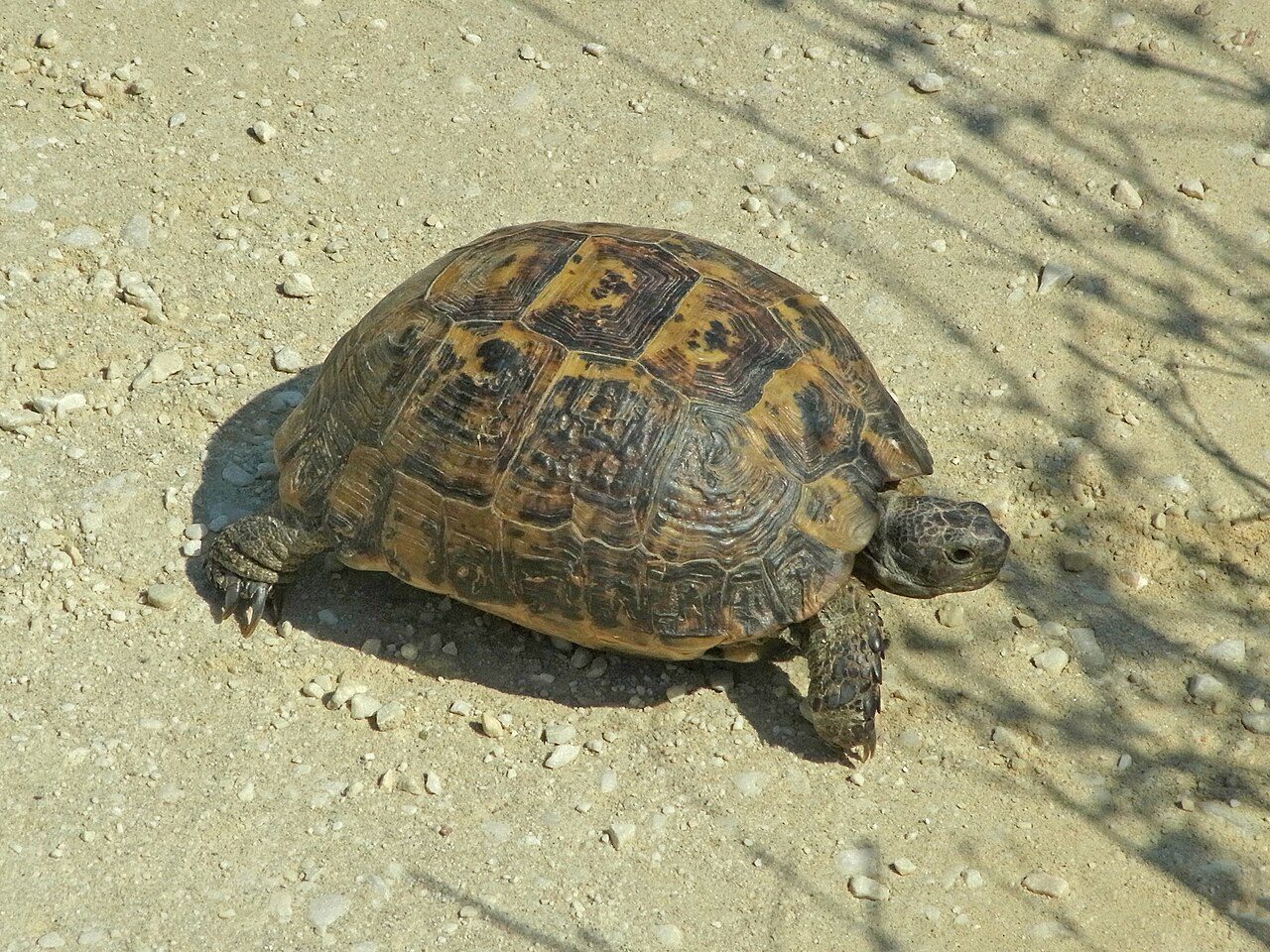
While most hobbyists will not keep a giant Aldabra, many popular pet species like the Sulcata or Russian tortoise still have impressive lifespans. Properly caring for these reptiles requires a long-term commitment that spans generations.
If you are keeping a tortoise, you must plan for its care long after you are gone. Many tortoises outlive their original owners, making them “legacy pets” that require legal and financial planning for their future.
Nutritional Requirements for Longevity
A proper diet is the foundation of a long life. High-fiber, low-protein diets are essential for species like the Sulcata to prevent rapid, unhealthy growth.
Following a strict sulcata tortoise diet list helps make sure that the shell develops correctly and the internal organs are not taxed by improper nutrients. Overfeeding is one of the most common causes of premature death in captive tortoises.
Preventing Chronic Illness
To help your tortoise reach its maximum potential age, you must be vigilant against health complications such as Metabolic Bone Disease (MBD). MBD is caused by a lack of calcium or vitamin D3, leading to soft shells and skeletal deformities.
Regular veterinary check-ups and a clean environment are non-negotiable. While they are hardy, tortoises can hide symptoms of illness for a long time, so proactive care is vital for their survival.
Quick answers About Tortoise Longevity
Can a tortoise really live for 450 years?
There is no scientific evidence to support a 450 year tortoise lifespan. The oldest documented tortoise reached approximately 255 years, which is currently the upper limit of verified chelonian age.
Which tortoise species lives the longest?
The Aldabra giant tortoise and the Galápagos tortoise are the longest-lived species. Both have documented lifespans exceeding 150 to 175 years, with some individuals reaching over 200 years.
Why do tortoises live so much longer than humans?
Their longevity is due to a combination of slow metabolism (bradymetabolism), excellent DNA repair mechanisms, and a lack of biological aging (negligible senescence). They also have very few natural predators once they reach adulthood.
Do small tortoises live as long as giant ones?
Generally, smaller species have shorter lifespans than giants, but they are still long-lived. For example, a Greek tortoise or a Russian tortoise can easily live 50 to 80 years with proper care.
How can I tell how old my tortoise is?
If you don’t have hatching records, it is very difficult to be precise. Veterinarians can estimate age based on size, shell wear, and overall health, but visual cues like shell rings are often inaccurate in older adults.
Final Thoughts on Tortoise Lifespans
While the 450 year tortoise lifespan remains a myth for now, the reality of these animals living for two centuries is nothing short of extraordinary. Their ability to resist the typical ravages of time through unique biological adaptations makes them one of the most successful groups of animals on the planet.
For the hobbyist, the takeaway is clear: tortoises are a lifelong, and potentially multi-generational, responsibility. If you provide a habitat that respects their slow metabolism and specific nutritional needs, you are contributing to the legacy of these ancient survivors.
Whether you are caring for a small Mediterranean species or a larger tropical giant, the goal remains the same. Focus on stability, nutrition, and environmental enrichment to ensure your tortoise lives the longest, healthiest life possible.

- 2003First tank
- 20+Years keeping
- 40+Tanks kept
- 0Sponsored picks
Howard set up his first 10-gallon planted tank in 2003 and lost half of it within six weeks. Two decades and more than forty aquariums later, he writes the guides he wished he had then: clear numbers, the reasons behind them, and what actually goes wrong in home tanks.