Best Way to Start a Fish Tank – Setup Checklist
The best way to start a fish tank is through a process called fishless cycling, which establishes essential biological filtration before adding livestock to keep a safe, ammonia-free environment for your aquatic pets.
Starting a new aquarium is an incredible journey into aquatic ecology and home aesthetics. Success in this hobby does not come from luck but from following a structured, scientifically sound approach to setting up a biological life-support system.
The best way to start a fish tank involves more than just adding water and fish on the same day. It requires patience, the right equipment, and a deep understanding of the invisible biological processes that keep the water safe for its inhabitants.
If you focus on the long-term health of the ecosystem from day one, you can avoid common pitfalls like “New Tank Syndrome” and sudden livestock loss. This guide will walk you through every critical step to ensure your first aquarium is a well-kept success.
Choosing the Right Aquarium Foundation
Before purchasing any equipment, you must decide what type of environment you want to create. The size and location of the tank will dictate the species you can keep and the amount of maintenance required.
Larger tanks are generally more stable than smaller ones because the higher water volume dilutes toxins more effectively. For beginners, a 20-gallon or 29-gallon tank is often considered the ideal starting point for a freshwater community.
Selecting a Strategic Location
The physical placement of the aquarium is a permanent decision that affects both the health of the fish and the ease of maintenance. Avoid placing the tank in direct sunlight, as this can lead to excessive algae growth and temperature fluctuations.
Make sure the floor or stand can support the significant weight of a filled aquarium, which weighs approximately 8 to 10 pounds per gallon. Access to a nearby power outlet and a water source will make routine tasks much more manageable over time.
Understanding Tank Dimensions and Volume
When selecting a tank, consider the swimming habits of the fish you desire. Some species require long horizontal spaces for active swimming, while others prefer taller tanks with plenty of vertical cover.
| Tank Size | Best For | Difficulty Level |
|---|---|---|
| 5-10 Gallons | Single Betta or Shrimp | Moderate (Fast Parameter Changes) |
| 20-29 Gallons | Community Fish (Tetras, Guppies) | Easy (Stable and Manageable) |
| 55+ Gallons | Cichlids or Large Schools | Easy Stability / Harder Maintenance |
Essential Equipment for a Healthy Ecosystem
To maintain a pristine environment, you need a combination of mechanical, chemical, and biological filtration. The filter is the heart of the aquarium, housing the beneficial bacteria that process waste.
High-quality sintered glass media is often recommended for biological filtration due to its massive surface area. This porous material provides the perfect home for the bacteria colonies that will eventually keep your water non-toxic.
Heating and Temperature Regulation
Most tropical fish require a consistent water temperature between 75°F and 80°F. A reliable submersible heater with a thermostat is necessary to prevent stress-inducing temperature swings.
Always use a separate thermometer placed at the opposite end of the tank from the heater to keep even heat distribution. Stress caused by cold water is a leading cause of immune system failure in tropical species.
Lighting for Plants and Visibility
If you plan on keeping live plants, your lighting needs will be more specific. Plants require a certain spectrum of light to perform photosynthesis and settle in.
For a fish-only tank, standard LED lighting is sufficient to show off the colors of your fish. However, many hobbyists find that peaceful community species look their best under full-spectrum lighting.
Pro Tip: Always buy a heater rated for slightly more than your tank volume. This helps make sure the unit doesn’t have to run constantly to maintain the desired temperature, extending its lifespan.
The Best Way to Start a Fish Tank: Fishless Cycling
The most important step in the best way to start a fish tank is establishing the nitrogen cycle. This biological process converts toxic ammonia into less harmful nitrates.
Fishless cycling is the gold standard for starting an aquarium because it does not subject live animals to toxic conditions. You provide a source of ammonia manually to “feed” the growing bacteria colonies before any fish arrive.
The Role of Beneficial Bacteria
Two primary groups of bacteria are responsible for this cycle. First, Nitrosomonas bacteria convert ammonia into nitrites, which are still highly toxic to fish.
Next, Nitrobacter bacteria convert those nitrites into nitrates. Nitrates are relatively safe in low concentrations and are removed through regular water changes.
Accelerating the Process with Bio-augmentation
The natural cycling process can take four to six weeks to complete. To speed this up, many aquarists use bio-augmentation by adding concentrated “bacteria in a bottle” products.
These products introduce live nitrifying bacteria directly into the water column and filter media. When combined with a steady ammonia source, this can significantly reduce the time needed to stabilize the tank.
Preparing the Water and Substrate
The foundation of your tank’s interior is the substrate. The choice between sand and gravel depends largely on the species you intend to keep and whether you want live plants.
Some substrates have a high cation exchange capacity (CEC), which allows them to hold and release nutrients for plant roots. This is essential for long-term success in high-tech planted aquariums.
Treating Tap Water Safely
Tap water often contains chlorine or chloramines, which are lethal to fish and beneficial bacteria. You must use a water conditioner containing sodium thiosulfate to neutralize these chemicals immediately.
Always treat the water in a bucket before adding it to the aquarium. This prevents any raw chlorine from coming into contact with the delicate bacterial colonies in your filter media.
Balancing Carbonate Hardness
Carbonate hardness (KH) acts as a buffer for your pH levels. If your KH is too low, the pH in your tank can crash suddenly, causing massive stress or death to your livestock.
Monitoring your water parameters with a liquid test kit is the only way to know if your environment is safe. Testing for ammonia, nitrite, nitrate, pH, and KH is a fundamental part of the best way to start a fish tank.
Common Mistake: Many beginners change their filter cartridges every month as the packaging suggests. This actually removes the beneficial bacteria you worked so hard to grow; instead, gently rinse the media in old tank water.
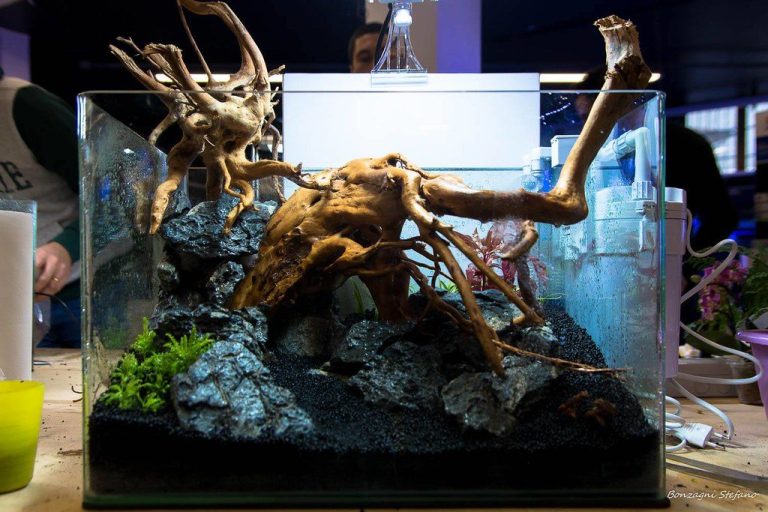
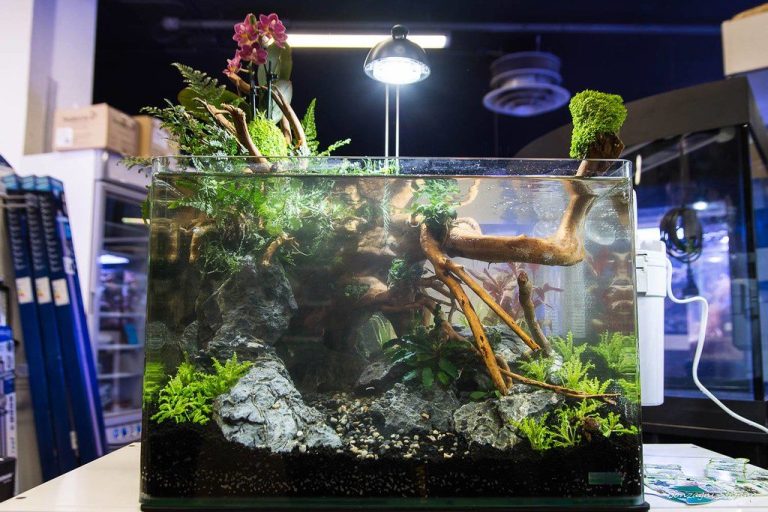
Designing the Aquascape
Decorating your tank is more than just an aesthetic choice; it provides essential hiding spots and territory markers for your fish. A well-decorated tank reduces stress and encourages natural behaviors.
You can use rocks, driftwood, or even household items if they are made of aquarium-safe materials. Make sure that all decor is thoroughly cleaned and free of sharp edges that could tear delicate fins.
Incorporating Live Plants
Live plants provide a natural look and help maintain water quality by absorbing nitrates. They also contribute to denitrification in the deep layers of the substrate or within specialized filter media.
Plants also compete with algae for nutrients, helping to keep your tank glass clear. Starting with easy species like Anubias or Java Fern is a great way to gain experience without needing complex CO2 systems.
Introducing Your First Fish
Once your water tests show zero ammonia and zero nitrite, your tank is biologically ready. However, you should never add all your fish at once, as this can overwhelm the newly established bacteria.
Start with a small group of hardy fish and monitor the water parameters closely for several days. If the ammonia remains at zero, you can slowly add more inhabitants over the following weeks.
The Importance of Drip Acclimation
When you bring fish home, they need to adjust to the temperature and chemistry of your tank. Drip acclimation is the most gentle method for introducing new livestock.
This involves slowly dripping your tank water into the bag or container holding the new fish over the course of an hour. This gradual change prevents osmotic shock, which is a common cause of death shortly after introduction.
Implementing a Quarantine Protocol
Even if fish look healthy at the store, they can carry hidden parasites or bacteria. Using a separate container for observing new arrivals is the best way to protect your main display tank.
A quarantine period of two to four weeks allows you to treat any issues before they spread. This extra step is a hallmark of an expert approach to the best way to start a fish tank.
Long-Term Maintenance for Stability
An aquarium is a closed ecosystem that requires regular intervention to remain healthy. The most critical task is performing regular water changes to remove accumulated nitrates and organic waste.
Developing a consistent schedule for regular water maintenance will prevent the “old tank syndrome” that plagues neglected systems. Consistency is more important than perfection in fish keeping.
| Task Type | Frequency | Action Required |
|---|---|---|
| Water Change | Weekly / Bi-Weekly | Replace 20-30% of water with treated tap water. |
| Water Testing | Weekly | Check Ammonia, Nitrite, and Nitrate levels. |
| Filter Rinse | Monthly | Rinse sponges in removed tank water (not tap). |
| Algae Scrub | As Needed | Clean glass with an aquarium-safe magnet or sponge. |
Practical notes
- Set up and cycle the tank fully before buying fish, which usually takes 4–6 weeks.
- Rinse new substrate and decor in plain water; soap residue is toxic to fish.
- Leave room behind the tank for filter hoses, heater cords and a drip loop on every plug.
- Budget for running costs, not just the tank: food, test kits, water conditioner, electricity and replacement filter media.
Common questions About Starting a New Aquarium
How long does it take to cycle a new tank?
Generally, a fishless cycle takes between four and six weeks. This timeline can be shortened to two weeks if you use bio-augmentation products or “seeded” filter media from an established aquarium.
Can I add fish the same day I set up the tank?
This is not recommended. Adding fish immediately often leads to ammonia spikes as the biological filter has not yet developed, which can be fatal to the fish.
Why is my new tank water cloudy?
Cloudy water in a new tank is often a “bacterial bloom.” This occurs as various microorganisms compete for dominance and usually clears on its own within a few days as the cycle stabilizes.
Do I need to use an air stone?
While not always mandatory, air stones increase surface agitation. This promotes gas exchange, keeping there is enough dissolved oxygen for both the fish and the beneficial bacteria.
How many fish can I start with?
The best way to start a fish tank is to add only 2 or 3 small, hardy fish at first. This allows the bacteria to adjust to the new bioload without causing a toxic ammonia spike.
Final Success Strategies for New Fish Keepers
Mastering the best way to start a fish tank is about embracing the biological reality of the hobby. If you prioritise the invisible bacteria that keep the water clean, you create a foundation for a beautiful and stress-free aquarium.
Patience is the most valuable tool in your kit. Rushing any step, from the initial cycle to the introduction of livestock, often leads to setbacks that require more work to fix later.
Always keep a liquid test kit on hand and use it regularly. Knowledge of your water parameters gives you the power to identify and solve problems before they become emergencies.
With the right setup, a disciplined cycling process, and a commitment to regular maintenance, your new aquarium will provide years of enjoyment.
- 2003First tank
- 20+Years keeping
- 40+Tanks kept
- 0Sponsored picks
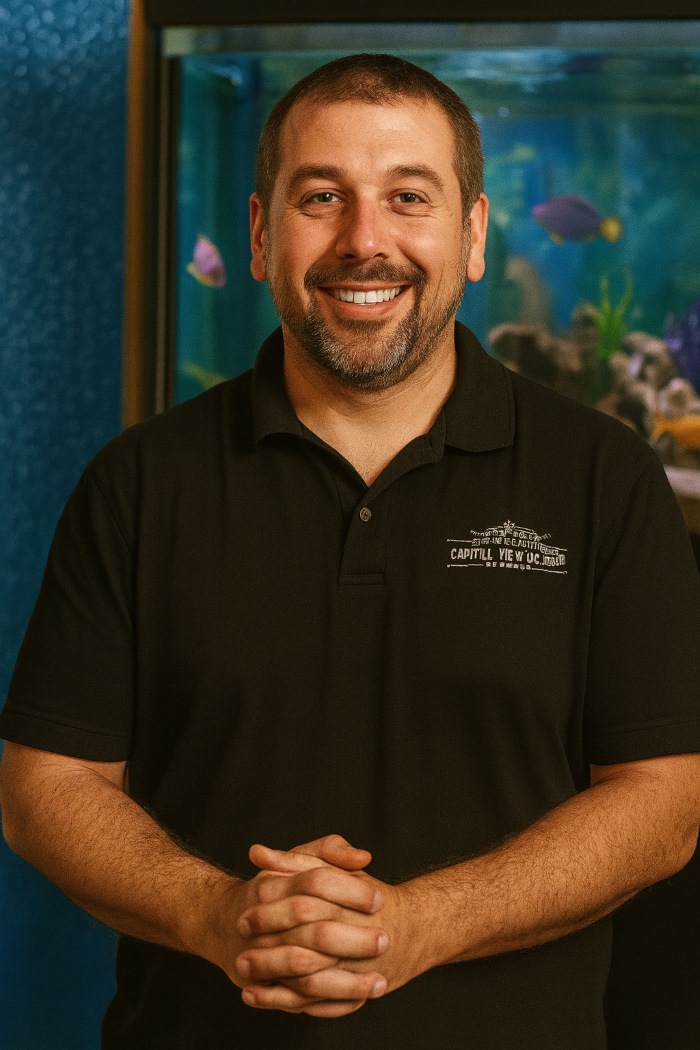
Howard set up his first 10-gallon planted tank in 2003 and lost half of it within six weeks. Two decades and more than forty aquariums later, he writes the guides he wished he had then: clear numbers, the reasons behind them, and what actually goes wrong in home tanks.