How to Keep Fish Tank Warm – A Comprehensive Success Guide
To keep a fish tank warm, use a reliable submersible heater sized at 3-5 watts per gallon, install a tight-fitting lid, and insulate the glass walls with polystyrene or bubble wrap to prevent heat loss.
Maintaining a stable environment is the most critical factor in successful fish keeping. Most tropical fish and invertebrates originate from regions where water temperatures remain consistent year-round.
When the mercury drops, understanding how to keep fish tank warm becomes a matter of survival for your aquatic pets. Sudden fluctuations can weaken their immune systems, leading to stress and disease.
This guide provides professional strategies to manage your aquarium’s thermal profile. From choosing the right hardware to implementing DIY insulation, we will cover everything you need to know.
Choosing the Right Heating Equipment
The first line of defense in temperature management is your primary heating unit. Not all heaters are created equal, and selecting the wrong one can lead to “hot spots” or dangerous cooling.
Most hobbyists start with a submersible titanium heater or a high-quality glass unit. Titanium is often preferred for its durability and better thermal conductivity compared to traditional glass.
It is essential to calculate the correct wattage for your specific volume. A general rule of thumb is to provide 3 to 5 watts of power for every gallon of water in the tank.
| Tank Size (Gallons) | Wattage (5°F Above Room Temp) | Wattage (10°F Above Room Temp) |
|---|---|---|
| 10 Gallons | 50 Watts | 75 Watts |
| 20 Gallons | 75 Watts | 100 Watts |
| 55 Gallons | 150 Watts | 250 Watts |
| 75 Gallons | 200 Watts | 300 Watts |
The Redundancy Rule
One of the best ways to make sure your tank stays warm is to use two smaller heaters instead of one large one. If one heater fails to turn on, the second unit prevents the temperature from crashing.
Conversely, if one heater gets stuck in the “on” position, it is less likely to overheat the tank quickly. This gives you more time to notice the issue and intervene.
Always place your heaters near the filter intake or outlet. This makes sure that warmed water is distributed evenly throughout the aquarium, preventing thermal stratification.
Pro Tip: Always use an external temperature controller. These devices act as a secondary thermostat, cutting power to the heater if the temperature exceeds your set limit, preventing “cooked” fish.
Effective Insulation Strategies for Winter
Even the best heater will struggle if your tank is losing energy faster than it can be replaced. Insulation is a low-cost, high-impact way to keep the water warm.
Glass is a poor insulator, meaning heat escapes through the walls of the aquarium constantly. This is especially true for tanks located in drafty rooms or near windows.
Polystyrene insulation or heavy-duty bubble wrap can be taped to the back and sides of the tank. This simple step significantly reduces the amount of energy required to maintain a steady temperature.
The Importance of a Tight-Fitting Lid
Evaporation is one of the leading causes of heat loss in home aquaria. As water molecules turn to vapor, they carry a significant amount of thermal energy away from the tank.
Using a glass canopy or a tight-fitting plastic hood creates a barrier that traps warm, moist air. This reduces the workload on your heater and helps maintain a consistent tetra fish water temperature or any other tropical species’ requirements.
If you have an open-top “rimless” tank, consider adding a temporary lid during the coldest months. Even a sheet of acrylic or polycarbonate can make a massive difference in heat retention.
Strategic Tank Placement
Where you put your aquarium is just as important as the equipment inside it. Avoid placing your setup near external doors, windows, or air conditioning vents.
Direct sunlight might seem like a good way to warm a tank, but it often leads to uncontrollable spikes and algae blooms. It is much better to rely on controlled, internal heating.
If your floor is particularly cold, placing a layer of foam under the aquarium stand can help. This prevents the cold floor from drawing heat out through the bottom of the tank.
How to keep fish tank warm During Power Outages
A power outage in the middle of winter is every aquarist’s nightmare. Without electricity, your heaters and filters stop working, and the temperature can drop rapidly.
Your first priority should be to preserve the heat already in the water. Wrap the entire aquarium in thick blankets, sleeping bags, or thermal foil emergency blankets.
Leave a small gap at the top for gas exchange to prevent oxygen depletion. During these times, monitoring dissolved oxygen saturation is just as vital as watching the temperature.
Emergency Heat Sources
You can create “heat packs” by filling plastic bottles with hot water and floating them in the tank. Help the water is hot but not boiling to avoid cracking the glass or harming the fish.
Monitor the temperature closely when using this method. As the water in the bottles cools, replace it with fresh hot water to keep the tank stable.
Chemical hand warmers can also be used, but they must never be placed directly in the water. Instead, tape them to the outside of the glass and cover them with insulation.
Common Mistake: Many hobbyists forget that feeding fish during a power outage is dangerous. Metabolism slows down in cooler water, and uneaten food will quickly rot, causing toxic ammonia spikes.
Advanced Heating and Circulation Methods
For larger setups or specialized reef tanks, standard heaters might not be enough. Advanced hobbyists often look toward more solid solutions for thermal management.
An external inline heater is an excellent option for those using canister filters. These units are installed in the return line, heating the water as it flows back into the tank.
This removes bulky equipment from the display area and ensures that every drop of water is heated before it enters the main chamber. It also eliminates the risk of fish getting burned by touching a hot heater element.
Managing Water Flow and Aeration
Heat distribution relies heavily on surface agitation and internal circulation. If the water is stagnant, you will end up with warm water at the top and cold water at the bottom.
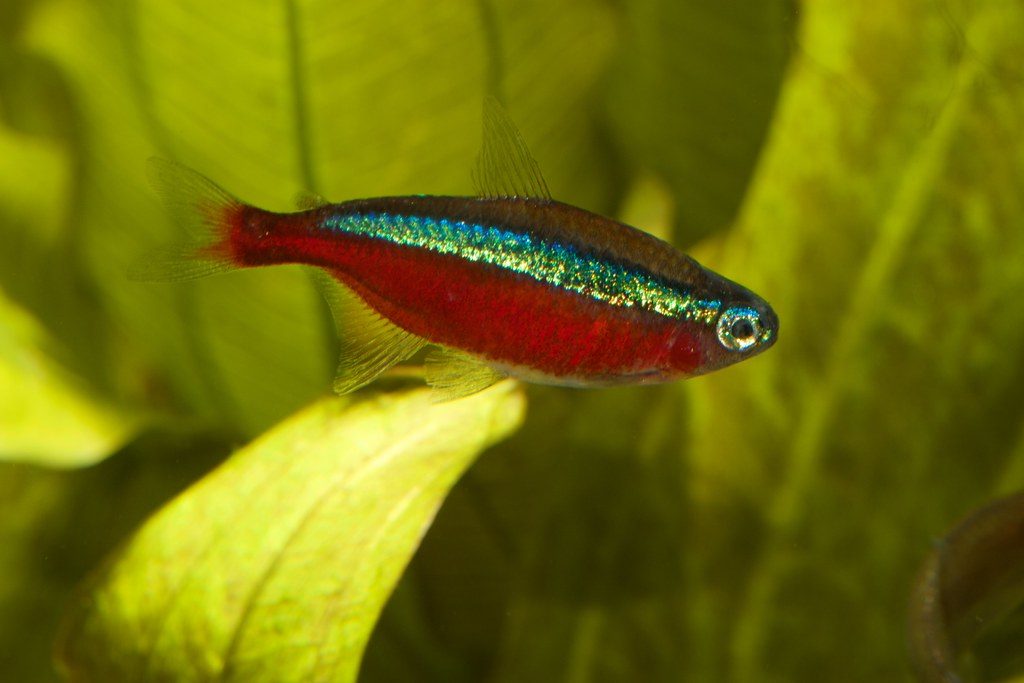
Strong flow makes sure that the heated water is pushed to the furthest corners of the tank. This is particularly important for species like neon tetras that require very stable conditions.
If you find that your tank has cold spots, consider adding a small powerhead or wavemaker. This will break up any pockets of cold water and make sure the thermostat on your heater gets an accurate reading.
The Role of Thermal Mass
Hardscaping materials like large rocks, thick substrate, and driftwood act as thermal mass. These items absorb heat from the water and release it slowly if the heater cycles off.
While this doesn’t replace a heater, it provides a buffer against rapid temperature swings. A heavily decorated tank will generally hold its temperature longer than a bare-bottom tank during a short power failure.
Additionally, certain types of high-output lighting can contribute a small amount of heat to the surface. While not a primary heat source, it is a factor to consider when calculating your overall thermal budget.
Biological Impacts of Temperature Fluctuations
Understanding why we need to know how to keep fish tank warm requires a look at fish biology. Fish are ectothermic, meaning their body temperature is regulated by the water around them.
When the water gets too cold, their metabolic rate slows down significantly. This leads to lethargy, a suppressed immune system, and a lack of appetite.
Cold stress is a primary trigger for parasitic infections. One of the most common is Ichthyophthirius multifiliis, more commonly known as Ich or White Spot Disease.
Oxygen and Temperature Relationship
There is a direct physical relationship between water temperature and its ability to hold gases. While colder water can actually hold more oxygen, the biological stress of cold often makes it harder for fish to utilize it.
If you are forced to raise the temperature quickly to compensate for a drop, you must increase aeration. Warm water holds less oxygen, and a rapid rise can lead to respiratory distress.
For practical steps on managing this, you can learn how to add oxygen to a fish tank fast to help your fish stay safe during temperature adjustments.
Keeper’s notes
- Two smaller heaters are safer than one big one; if one sticks on or fails, the other limits the damage.
- Most tropical community fish are comfortable at 76–78°F (24–26°C).
- Use roughly 3–5 watts per gallon for heaters in average room temperatures; colder rooms need more.
- Always check heater settings with a separate thermometer; built-in dials are often a few degrees off.
A few common questions About Keeping Your Aquarium Warm
How can I tell if my fish are too cold?
Fish that are too cold will often become lethargic and sit motionless at the bottom of the tank. You may also notice a loss of color and a refusal to eat as their digestive processes slow down.
Can I use a space heater to warm my fish tank?
While a space heater can warm the room, it is an inefficient way to heat an aquarium. It is much safer and more cost-effective to use a dedicated submersible heater with a thermostat.
Is it safe to use a heater in a plastic or acrylic tank?
Yes, but you must ensure the heater does not touch the sides of the tank. Most modern heaters come with suction cup brackets that keep the heating element away from the walls to prevent melting or warping.
What is the ideal temperature for a tropical fish tank?
Most tropical fish stay healthy between 75°F and 80°F (24°C to 27°C). However, you should always research the specific requirements of your species, as some prefer slightly cooler or warmer water.
How often should I check my aquarium thermometer?
You should check your thermometer daily. Digital thermometers with high/low alerts are excellent tools for catching equipment failures before they become fatal for your fish.
Final Thoughts on Tropical Tank Heat
Mastering the art of how to keep fish tank warm is a fundamental skill for any serious aquarist. It requires a combination of the right hardware, smart placement, and a solid emergency plan.
If you put in high-quality heaters and using insulation techniques, you create a stable environment where your fish can settle in. Consistency is often more important than the exact temperature number itself.
Stay vigilant, check your equipment regularly, and always have a backup plan for the winter months. Your fish depend on you to keep their world warm and safe, regardless of the weather outside.

- 2003First tank
- 20+Years keeping
- 40+Tanks kept
- 0Sponsored picks
Howard set up his first 10-gallon planted tank in 2003 and lost half of it within six weeks. Two decades and more than forty aquariums later, he writes the guides he wished he had then: clear numbers, the reasons behind them, and what actually goes wrong in home tanks.