Sulcata Tortoise Adoption – Your Expert Guide To A Lifetime Of Care
Sulcata tortoise adoption offers a satisfying opportunity to provide a loving home to these magnificent reptiles. It involves understanding their immense size, specific environmental needs, and long lifespan, ensuring you’re fully prepared for this significant commitment.
Bringing a new companion into your home is always an exciting prospect. For aquarium hobbyists like us, who are accustomed to creating flourishing aquatic ecosystems, the leap to terrestrial reptiles might seem like a natural progression. While our focus is typically on healthy fish and shrimp, the principles of responsible pet ownership, habitat creation, and species-specific care remain universal.
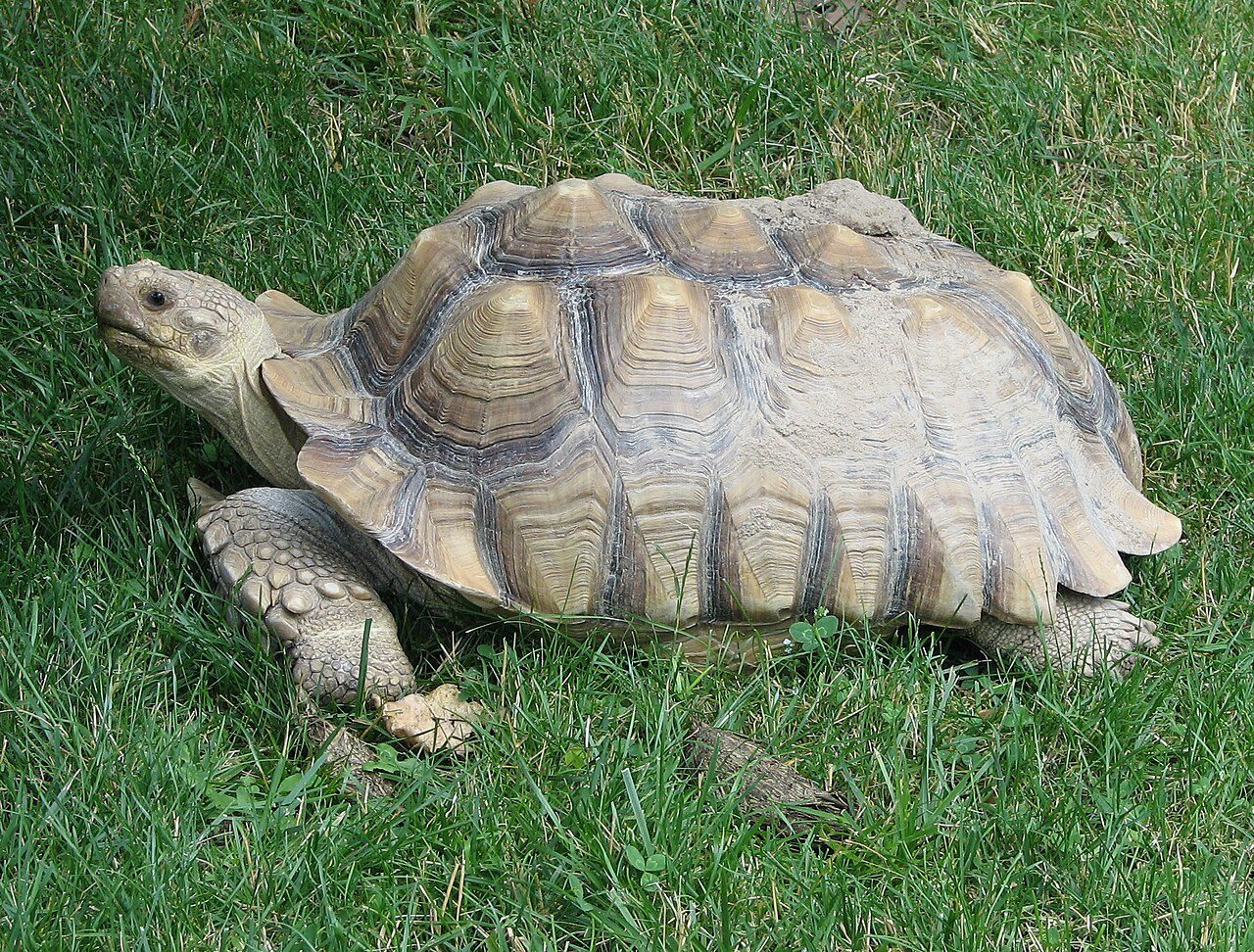
Today, we’re diving deep into sulcata tortoise adoption. These gentle giants, also known as the African spurred tortoise or Centrochelys sulcata (formerly Geochelone sulcata), are magnificent creatures. However, their charm comes with an extraordinary commitment due to their size, longevity, and specific care requirements. This comprehensive guide will equip you with the knowledge needed to make an informed decision and provide an exceptional home for an adopted sulcata.
At a glance: Sulcata tortoise (Centrochelys sulcata)
- Temperature
- Basking 95–100°F (35–38°C)
- Adult size
- 24–30 in shell (60–76 cm)
- Enclosure
- Outdoor pen for adults
- Group size
- Alone
- Temperament
- Docile, strong diggers
- Diet
- Herbivore: grasses, hay, weeds, low-sugar greens
- Lifespan
- 70+ years
Keeper’s tip: Adults outgrow any indoor enclosure; plan for a secure outdoor pen early.
Why Consider Sulcata Tortoise Adoption?
The decision to adopt a sulcata tortoise is often driven by a desire to help an animal in need. Many sulcatas end up in rescues because their previous owners underestimated their growth and care demands. If you choose sulcata tortoise adoption, you’re gaining a unique pet and also contributing to animal welfare.
These tortoises can live for 50-70 years, and sometimes even longer, becoming lifelong companions. In my experience, watching a sulcata interact with its environment, graze, and explore is incredibly satisfying. They develop distinct personalities, and their calm demeanor can be very therapeutic. Furthermore, adopting allows you to bypass the initial, often complex, care stages of a hatchling, as many available tortoises are already juveniles or adults.
The Ethical Choice
Adoption centers and rescues are often overflowing with sulcatas needing homes. Many were purchased as small, cute hatchlings, only for their owners to realize they grow quickly, sometimes reaching over 100 pounds within a decade. This often leads to their abandonment or surrender.
Choosing adoption over purchasing from a breeder helps alleviate the burden on these rescue organizations. It helps make sure that an existing tortoise gets a second chance at a fulfilling life. This ethical consideration resonates strongly with responsible pet keepers.
Pro Tip: When considering sulcata tortoise adoption, always prioritize reputable rescues or private rehoming situations vetted by experienced reptile keepers. Avoid impulse decisions from online marketplaces where the tortoise’s history or health status might be unknown. A healthy tortoise is a happy tortoise, and a healthy start is important.
Understanding the Commitment: Are Sulcatas Right for You?
Before you even begin the process of sulcata tortoise adoption, it’s key to understand the enormous commitment involved. These aren’t small, easy-to-manage pets. They are the third-largest tortoise species in the world, requiring significant space, specific environmental controls, and a long-term financial investment.
Let’s break down some key considerations to help you decide if a sulcata is the right addition to your family and property.
Size and Lifespan
Adult sulcatas can weigh between 70 to 200 pounds and measure 24 to 36 inches in shell length. They continue to grow throughout their lives, albeit at a slower rate after reaching maturity. As mentioned, their lifespan can easily exceed 50 years.
This means you’re committing to an animal that will likely outlive you or require extensive planning for its future care. It’s a generational commitment, not just a pet for a few years. For more details on their longevity, you can explore our guide on African Sulcata Tortoise Lifespan.
Space Requirements
Due to their size, adult sulcatas cannot be kept indoors permanently in most homes. They require a large, secure outdoor enclosure with plenty of room to roam, graze, and burrow. A minimum of 100 square feet per adult is often recommended, though more is always better.
The enclosure must be solid, with walls buried deep into the ground to prevent burrowing escapes. They are powerful diggers. A safe, dry, and heated shelter is also essential, especially in climates with cooler temperatures or significant seasonal changes. For detailed habitat planning, check out our article on African Sulcata Tortoise Habitat.
Financial Investment
The costs associated with sulcata ownership go beyond the initial adoption fee. Expect expenses for:
- Enclosure construction and maintenance.
- High-quality, varied diet (hay, tortoise-safe weeds, leafy greens).
- Heating and lighting equipment (e.g., high-output UVB 10.0 T5 HO bulbs).
- Veterinary care (specialized reptile vets can be costly).
- Substrate, enrichment items, and general supplies.
Regular maintenance, including replacing UVB bulbs annually and making sure proper substrate hygroscopy, adds up. It’s wise to budget several hundred dollars annually, if not more, for their ongoing care.
Decision Table: Is a Sulcata Tortoise Right for You?
Use this table to quickly assess your readiness for sulcata tortoise adoption:
| Consideration | Requirement for Sulcata | Your Situation |
|---|---|---|
| Outdoor Space | Large, secure yard (100+ sq ft per adult) with sun exposure and shade. | [Yes/No/Partial] |
| Climate Suitability | Warm, dry climate preferred; ability to provide heated, humid shelter. | [Yes/No/Partial] |
| Long-Term Commitment | Prepared for a pet living 50-70+ years, requiring future care planning. | [Yes/No] |
| Financial Stability | Budget for significant ongoing costs (food, vet, habitat, electricity). | [Yes/No] |
| Time & Attention | Daily care, monitoring, cleaning, and interaction. | [Yes/No] |
| Access to Vet | Proximity to a reptile-specialized veterinarian. | [Yes/No] |
The Sulcata Tortoise Adoption Process: Finding Your Companion
Once you’ve thoroughly assessed your capabilities and decided that a sulcata is indeed for you, the next step is finding a tortoise. The process of sulcata tortoise adoption is generally handled through specialized reptile rescues, humane societies, or private rehoming networks.
Where to Look for Adoption Opportunities
Your best bet for finding an available sulcata is to contact local or regional reptile rescues. Many of these organizations specialize in rehoming tortoises and have extensive networks. Online forums dedicated to sulcata care can also have rehoming sections, but always exercise caution and verify sources.
Some general animal shelters might occasionally have a sulcata, but they often lack the specialized knowledge to properly care for them, making rescues a better option for a healthy animal. You might also find tortoises through private individuals looking to rehome their pets; however, make sure you ask detailed questions about the tortoise’s history, health, and current setup.
Application and Vetting
Most reputable rescues will have an application process. This typically involves:
- A detailed questionnaire about your experience with reptiles and other pets.
- Information about your proposed habitat, including photos.
- References, sometimes including your veterinarian.
- A home visit to make sure the habitat is suitable and secure.
This vetting process is for the tortoise’s safety and makes sure you are genuinely prepared. Don’t be discouraged by the thoroughness; it shows the rescue’s commitment to finding forever homes.
Meeting Your Potential Tortoise
Once approved, you’ll likely be able to meet the available tortoises. Pay close attention to their behavior and physical condition. Look for:
- Clear, bright eyes and nostrils free of discharge.
- A smooth, hard carapace with no signs of pyramiding (abnormal, raised scutes).
- Active and alert behavior, though they can be shy.
- Strong, sturdy legs and a willingness to move.
- No signs of visible injuries or parasites.
The rescue staff should be able to provide a comprehensive health history, including any previous medical issues or dietary habits. This is a critical part of a successful sulcata tortoise adoption.
Essential Care for Your Adopted Sulcata: Habitat and Health
Once you’ve brought your adopted sulcata home, providing the correct environment and care is the top priority. A healthy sulcata is a happy sulcata, and much of their well-being hinges on a properly designed habitat and a balanced diet.
The Ideal Habitat
As discussed, outdoor space is important. The enclosure needs a good thermoregulation gradient, allowing the tortoise to move between basking spots and cooler, shaded areas. A heated, insulated burrow or shed is non-negotiable for cooler climates, mimicking their natural behavior of digging to escape extreme temperatures.
The substrate should be a mix of soil and sand, allowing for natural digging and providing good Substrate hygroscopy. This helps maintain microclimate humidity within burrows, which is vital, especially for younger sulcatas, to prevent pyramiding of the carapace scutes.
Common Mistake: Many new owners mistakenly keep sulcatas, even juveniles, indoors in small vivariums for too long. This lack of space, natural sunlight, and proper air circulation can lead to severe health issues like Metabolic Bone Disease (MBD) and respiratory infections. Always aim for outdoor housing as soon as weather permits and provide spacious indoor temporary housing when necessary.
Diet and Hydration
Sulcata tortoises are herbivores and require a high-fiber, low-protein, low-fruit diet. Their primary diet should consist of various grasses and hays. Orchard grass, timothy hay, and Bermuda grass are excellent choices. Supplement this with safe weeds like dandelion greens, plantain, and clover. Leafy greens such as collard greens, turnip greens, and endive can be offered in moderation.
Avoid feeding large amounts of fruit, high-protein foods, or starchy vegetables, as these can lead to digestive upset, shell deformities, and even kidney problems like urate calculi. Fresh, clean water should always be available in a shallow dish large enough for the tortoise to soak in. Regular soaking, especially for juveniles, aids hydration and stimulates urination. For a complete guide to their nutrition, see our article on African Sulcata Tortoise Diet.
Lighting and Heating
In outdoor enclosures, natural sunlight provides essential UVB radiation. However, supplemental UVB lighting is often necessary, especially for indoor enclosures or during cloudy periods. A high-output UVB 10.0 T5 HO bulb, replaced every 6-12 months, is recommended.
Basking temperatures should be around 90-95°F (32-35°C), with ambient temperatures ranging from 75-85°F (24-29°C). Nighttime temperatures should ideally not drop below 60°F (15°C) for adults, and higher for younger tortoises. A heat lamp or ceramic heat emitter can provide supplementary warmth in their shelter.
Common Challenges and How to Overcome Them
Even with the best intentions and preparation, owning a sulcata can present challenges. Being aware of these common issues allows you to address them proactively.
Health Issues
- Metabolic Bone Disease (MBD): Caused by insufficient UVB, calcium deficiency, or improper calcium:phosphorus ratio. Symptoms include soft shell, lethargy, and deformities. Prevention is key: proper diet and UVB.
- Pyramiding: The abnormal growth of raised scutes on the shell, often due to low humidity, improper diet, or lack of exercise. Maintain adequate microclimate humidity, especially for younger tortoises, and provide a varied, fibrous diet.
- Respiratory Infections: Can result from cold, damp conditions, or sudden temperature drops. Symptoms include nasal discharge, lethargy, and open-mouth breathing. Ensure a warm, dry shelter.
- Urate Calculi (Bladder Stones): Often linked to chronic dehydration or an improper diet. Make sure constant access to fresh water and offer regular soaks.
Regular veterinary check-ups with a reptile specialist are key for early detection and treatment of these and other conditions.
Behavioral Challenges
Sulcatas are generally docile, but their immense strength can lead to challenges. They are notorious for digging, which can compromise fences and landscaping. Reinforce enclosure perimeters with buried barriers.
They can also be destructive to plants, so choose tortoise-safe plants for their enclosure. While generally not aggressive, males can become territorial, especially if housed together. Careful planning is needed if considering multiple tortoises.
Long-Term Planning: A Lifetime of Care
As you start your sulcata tortoise adoption journey, consider the long-term implications. Their extraordinary lifespan means you’re committing to an animal that will likely be with you for many decades.
Estate Planning for Your Tortoise
It might sound unusual, but it’s prudent to consider who would care for your sulcata if you are no longer able to. Include provisions in your will or make arrangements with family or trusted friends who understand the commitment. This thoughtful planning makes sure your popular tortoise continues to receive excellent care.
Continuous Learning
reptile husbandry is always evolving. Stay informed about the latest research in sulcata care, nutrition, and veterinary medicine. Join online forums, attend reptile expos, and connect with other experienced sulcata owners. Continuous learning is a hallmark of a successful aquarist, and it applies equally to terrestrial pets.
Quick answers About Sulcata Tortoise Adoption
Q1: Can I keep a sulcata tortoise indoors?
While hatchlings and very young juveniles can be housed indoors temporarily in large tortoise tables, adult sulcatas grow too large for permanent indoor living in most homes. They require extensive outdoor space to flourish and prevent health issues.
Q2: How much does a sulcata tortoise cost to adopt?
Adoption fees vary by rescue organization and the tortoise’s age/condition, typically ranging from $50 to $500. This fee often helps cover the rescue’s costs for food, housing, and veterinary care while the tortoise was awaiting adoption.
Q3: What’s the best substrate for a sulcata tortoise?
For outdoor enclosures, a mix of topsoil and sand is generally recommended, allowing for natural digging and burrowing. Indoors, coco coir, cypress mulch, or a similar substrate that holds humidity well (for burrows) but drains effectively is good. Make sure good substrate hygroscopy to prevent respiratory issues and pyramiding.
Q4: Do sulcata tortoises need special lighting?
Yes, they require access to unfiltered natural sunlight for proper vitamin D3 synthesis. If kept indoors or in situations with limited sun, a high-quality UVB 10.0 T5 HO fluorescent bulb is essential to prevent Metabolic Bone Disease.
Q5: Are sulcata tortoises good pets for children?
While remarkable, sulcatas are not typically hands-on pets. They can be very heavy and strong, making handling difficult and potentially stressful for them. They are better suited as observation pets. Children can learn a lot about responsible pet care by helping with their habitat and feeding, always under adult supervision.
Where that leaves you
Embarking on sulcata tortoise adoption is a monumental decision, one that promises decades of unique companionship if approached with dedication and knowledge. These magnificent creatures offer a glimpse into the natural world, demanding respect for their size, longevity, and specific needs.
Once you understand the commitment, preparing a suitable habitat, providing a proper diet, and staying vigilant about their health, you can offer a rescued sulcata a successful and enriching life. Just as we strive for healthy aquariums, we aim for healthy tortoise habitats. This journey, while demanding, is incredibly satisfying, solidifying your role as a responsible and compassionate keeper.
- 2003First tank
- 20+Years keeping
- 40+Tanks kept
- 0Sponsored picks
Howard set up his first 10-gallon planted tank in 2003 and lost half of it within six weeks. Two decades and more than forty aquariums later, he writes the guides he wished he had then: clear numbers, the reasons behind them, and what actually goes wrong in home tanks.