How To Change Electric Water Heater – Units For A Stable Aquarium
Changing an electric aquarium heater involves unplugging the old unit, allowing it to cool, removing it from the tank, and installing the new, calibrated heater while ensuring the suction cups are secure.
Maintaining thermal stability is the single most important factor in keeping tropical fish healthy. If you have ever wondered how to change electric water heater equipment in your tank, you are likely dealing with a unit that has become unreliable or has stopped heating altogether.
In my experience over the last decade, aquarium heaters are the most common piece of equipment to fail. Because they are constantly cycling on and off, internal components eventually wear out, leading to temperature fluctuations that stress your livestock.
Why You Need to Replace Your Heater Promptly
When your heater stops working, the water temperature will slowly drop to match your room’s ambient temperature. For sensitive species, this can trigger ich outbreaks or cause metabolic slowdowns.
If your heater is stuck in the “on” position, it can cause catastrophic overheating, which is often fatal within hours. Knowing how to safely swap these units is an essential skill for any hobbyist.
Common Mistake: Never pull a glass heater out of the water while it is still plugged in. The rapid temperature change from water to air can cause the glass casing to shatter or crack, which may lead to an electrical hazard or a damaged element.
Preparing for the Swap
Before you start, gather your tools. You will need a clean towel, a bucket for the old unit, and your new heater.
Check that the new heater is rated for your tank volume. A common error is using an undersized heater that has to run 24/7, which significantly shortens its lifespan.
| Tank Size | Recommended Wattage |
|---|---|
| 10 – 20 Gallons | 50W – 100W |
| 20 – 40 Gallons | 150W – 200W |
| 50 – 75 Gallons | 300W+ |
Step-by-Step: Safely Removing the Old Unit
First, disconnect the power to the heater by unplugging it from your power strip or outlet. Wait at least 15 minutes before touching it.
This cooling-off period is critical. It makes sure the heating element is no longer hot, preventing burns and protecting the integrity of the glass.
Once cooled, gently release the suction cups from the glass. If algae or mineral deposits have hardened the suction cups, use a clean razor blade or scraper to gently pry them away from the glass.
Installing Your New Heater
Before placing the new unit in the water, check the manufacturer’s instructions for the minimum water line. Most modern heaters must be fully submerged to function correctly.
Position the heater in an area with good water movement. This helps make sure the heat is distributed evenly throughout the aquarium, preventing “cold spots” in the tank.
Pro Tip: After installing the new heater, do not plug it in immediately. Let it sit in the tank water for 20 to 30 minutes so that the internal thermostat can acclimate to the current water temperature.
Calibration and Testing
After the acclimation period, plug the unit in and set it to your desired temperature. Use a reliable, separate thermometer to verify that the heater is accurate.
Many heaters have a dial that may be slightly off. It is common for the heater to be set at 78°F while the actual water temp reads 76°F.
Adjust the dial slightly until your external thermometer displays your target range. Keep a close eye on the tank for the next 24 hours to make sure the temperature remains consistent.
Understanding Temperature Stability
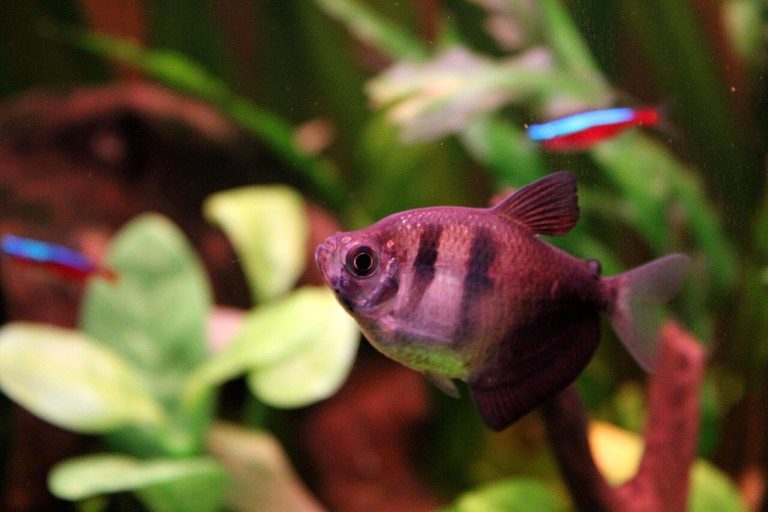
Fish species, particularly tetras, rely on precise thermal conditions to remain healthy. If you have been struggling with tank temperature stability, the heater is almost always the culprit.
If you are keeping sensitive fish, consider using two smaller heaters rather than one large one. If one fails, the other will still provide enough heat to prevent a total disaster.
Questions I get asked a lot
How long should an electric heater last? Most high-quality aquarium heaters last between 18 to 24 months. After this, the mechanical thermostat often begins to drift or fail.
Can I use a heater in a very small bowl? Generally, no. Small volumes of water heat up too quickly, which can lead to dangerous temperature swings.
Should I hide the heater behind plants? You can, but keep there is enough flow around the heater. If water cannot circulate around the unit, it will shut off prematurely.
Final thoughts
Knowing how to change electric water heater components is a fundamental part of aquarium maintenance. If you follow these safety steps, you prevent equipment failure and keep your inhabitants in a stable, comfortable environment.
Always prioritize quality, verify your temperatures with a separate thermometer, and keep a spare heater on hand for emergencies. Your fish will certainly thank you for the consistent care.
Practical notes
- Most tropical community fish are comfortable at 76–78°F (24–26°C).
- Two smaller heaters are safer than one big one; if one sticks on or fails, the other limits the damage.
- Use roughly 3–5 watts per gallon for heaters in average room temperatures; colder rooms need more.
- Always check heater settings with a separate thermometer; built-in dials are often a few degrees off.

- 2003First tank
- 20+Years keeping
- 40+Tanks kept
- 0Sponsored picks
Howard set up his first 10-gallon planted tank in 2003 and lost half of it within six weeks. Two decades and more than forty aquariums later, he writes the guides he wished he had then: clear numbers, the reasons behind them, and what actually goes wrong in home tanks.