Passive Hydroponics – Explained Simply
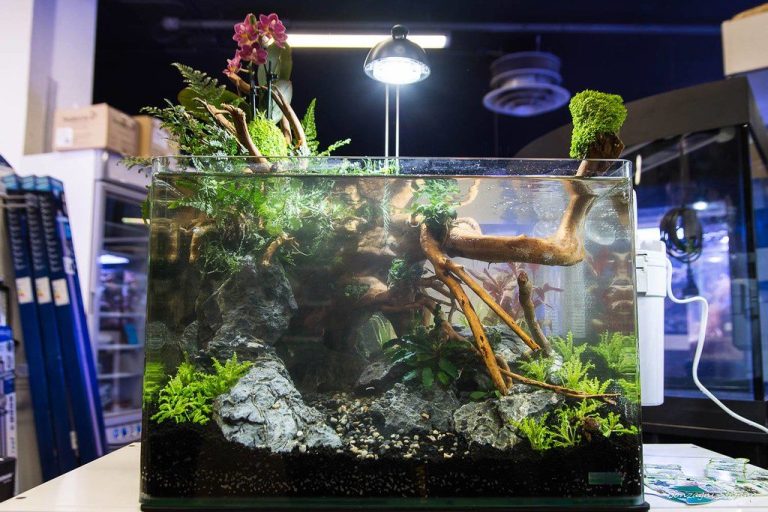
Passive hydroponics in aquariums utilizes the nutrient-rich tank water to nourish terrestrial plants whose roots are submerged, effectively creating a natural filtration system that removes nitrates and phosphates, resulting in clearer water and healthier fish.
Aquarium keeping is a journey of constant learning and refinement. From balancing water parameters to creating the perfect habitat for your aquatic friends, every step is a sign of your dedication. But what if you could improve your tank’s aesthetics and also significantly improve its water quality, all while growing beautiful houseplants? Enter passive hydroponics, a brilliant synergy between your aquarium and terrestrial plant life.
In my experience, integrating plants into an aquarium setup goes beyond just aquatic species. For over a decade, I’ve explored various methods to harness nature’s filtration power, and passive hydroponics stands out as one of the most effective and satisfying. It’s a simple, elegant solution that benefits both your fish and your foliage, creating a well-kept ecosystem. This guide will walk you through everything you need to know to successfully implement this fantastic technique in your own aquarium.
What is Passive Hydroponics and Why Does Your Aquarium Love It?
At its core, passive hydroponics is a method of growing plants without soil, where nutrients are delivered through capillary action from a reservoir. In the context of an aquarium, that “reservoir” is your fish tank itself. The plants draw all the necessary nutrients directly from the water your fish live in.
This ingenious setup transforms your aquarium into a living filter. The plants actively consume nitrates, phosphates, and other dissolved organic compounds that can build up and become problematic for aquatic life. The result is cleaner, healthier water for your fish and shrimp, reduced algae growth, and a significant decrease in the frequency of water changes. It’s a win-win situation for the entire ecosystem.
The Symbiotic Relationship: Fish, Plants, and Water Quality
The beauty of this system lies in its natural balance. Fish produce waste, which breaks down into ammonia, then nitrites, and finally nitrates through the nitrogen cycle. While beneficial bacteria handle the first two steps, nitrates accumulate and need to be removed, typically through water changes.
Passive hydroponics offers a biological solution to nitrate accumulation. Terrestrial plants are incredibly efficient at absorbing these compounds, effectively acting as a natural nitrate assimilation filter. This significantly reduces the chemical load on your tank, leading to more stable water parameters and a less stressful environment for your aquatic inhabitants.
Pro Tip: When I first tried passive hydroponics, I was amazed at how much clearer my water became. I noticed a visible reduction in green algae on the glass within weeks, even in a tank that previously struggled with mild algae issues. It’s a powerful tool against nuisance algae.
The Unseen Heroes: How Passive Hydroponics Works with Your Tank
Understanding the mechanics behind passive hydroponics helps in optimizing your setup. The primary principle at play is capillary action, which draws water and dissolved nutrients from your aquarium up to the plant roots.
Most passive systems utilize a medium like LECA (Lightweight Expanded Clay Aggregate) substrate or rockwool to support the plant and provide a stable environment. These porous materials wick water upwards, keeping the roots consistently moist without being fully submerged in stagnant water, which could lead to root rot.
Capillary Action and Root Zone Oxygenation
The porous nature of LECA substrate is key. It allows for consistent moisture delivery while also providing ample air pockets around the roots. This makes sure excellent root zone oxygenation, which is vital for healthy plant growth and nutrient uptake. Unlike submerged aquatic plants, terrestrial plants need access to atmospheric oxygen for their root systems to settle in.
The constant flow of nutrient-rich aquarium water through the roots also means a steady supply of essential macro and micronutrients. The plants efficiently absorb nitrates and phosphates uptake kinetics, converting these potential pollutants into well-grown foliage. This process, known as phytoremediation capacity, is a natural and sustainable way to purify your tank water.
Unlocking cleaner water and well-kept aquatic life is a major benefit of integrating such systems.
Getting Started: Essential Components for Your Passive Hydroponics Setup
Setting up a passive hydroponics system is surprisingly straightforward and requires only a few key components. The good news is that most of these are readily available at garden centers or online.
Key Materials You’ll Need
| Component | Description | Purpose in System |
|---|---|---|
| Net Pots or Planters | Small, mesh-sided containers, typically plastic. Sizes vary from 2-6 inches. | Holds the plant and growing medium, allowing roots to grow into the water. |
| LECA Substrate | Lightweight Expanded Clay Aggregate pellets. Inert, porous, and reusable. | Provides physical support for the plant, wicks water, and allows root aeration. |
| Aquarium-Safe Planter Holder | Suction cups, acrylic hangers, or purpose-built riparium planter. | Secures the net pot above the water line, allowing roots to dangle. |
| Terrestrial Plant Cuttings | Healthy cuttings of suitable plants (e.g., Pothos, Philodendron). | The living filter that absorbs nutrients and adds aesthetic appeal. |
For the planter holder, you can get creative. Many hobbyists use simple DIY solutions like cutting a hole in the lid of their tank or crafting small hangers from acrylic. The goal is to suspend the net pot culture so that the bottom of the pot or the very ends of the roots are just dipping into the aquarium water.
Step-by-Step: Setting Up Your Aquarium’s Passive Hydroponics System
Getting your system up and running is often quicker than you might think. Follow these steps for a smooth installation.
1. Prepare Your Cuttings
Start with healthy, pest-free cuttings from your chosen plant. Aim for cuttings that have at least two nodes (the bumps where leaves or roots emerge). Remove any leaves that would be submerged in the aquarium water, as these will rot and foul the water. Some plants will root directly in water, others benefit from a few days in a separate container of water first.
2. Rinse Your LECA
LECA substrate often comes with fine clay dust. Thoroughly rinse the LECA under running water until the water runs clear. This prevents any fine particles from entering your aquarium and clouding the water.
3. Assemble the Net Pot
Place a small layer of rinsed LECA at the bottom of your net pot. Carefully insert your plant cutting, making sure the nodes where roots will emerge are positioned to be in contact with the LECA and eventually the water. Fill the rest of the net pot with LECA, gently securing the cutting in place.
4. Position Your Planter
Attach your chosen planter holder to the rim of your aquarium. Place the net pot into the holder. The critical step here is to help that the bottom of the net pot, or the very lowest layer of LECA, is just touching the water’s surface. This allows capillary action to begin drawing water up. The bulk of the plant’s roots will eventually grow down into the water.
5. Patience and Observation
It will take some time for the plants to establish roots in the aquarium water. Be patient. In my experience, some plants show new root growth within a week, while others might take a few weeks. During this time, monitor your water parameters as usual. Once the roots are established, you’ll start to see the benefits.
Common Mistake: Don’t submerge the entire net pot or all the leaves. This will lead to root rot and plant death, potentially releasing decaying matter into your tank. Only the roots or the very bottom of the LECA should be in the water.
Choosing the Right Plants: Green Thumbs and Gills Settle in Together
Not all terrestrial plants are suitable for passive hydroponics in an aquarium. You need plants that tolerate consistently moist roots, flourish on nutrient-rich water, and are non-toxic to your fish.
Top Plant Choices for Aquarium Hydroponics
Some of the most popular and effective choices include:
- Pothos (Epipremnum aureum): This is arguably the king of aquarium hydroponics. Pothos is incredibly hardy, grows quickly, and is a nitrate assimilation powerhouse. Its attractive variegated leaves add a beautiful touch to any tank setup.
- Philodendron: Similar to Pothos in care and effectiveness, Philodendrons are also excellent choices.
- Lucky Bamboo (Dracaena sanderiana): While not true bamboo, these plants are often sold for aquatic use and do well with their roots in water. Ensure the leaves are kept out of the water.
- Peace Lily (Spathiphyllum): These beautiful flowering plants can do well with their roots in water, though they prefer slightly higher light.
- Spider Plant (Chlorophytum comosum): Another popular houseplant that adapts well to water culture and is very efficient at removing toxins.
When selecting plants, always make sure they are free of pesticides. If you’re unsure, it’s best to take cuttings from a plant you’ve grown yourself or from a trusted source.
Maintenance & Troubleshooting: Keeping Your Green Filter Running Smoothly
While passive hydroponics is largely self-sustaining, a little attention goes a long way in making sure its long-term success and maximizing its benefits.
Routine Care
- Water Level: Help the water level in your aquarium consistently reaches the base of your net pots or the tips of the roots. Top-offs with dechlorinated water are important.
- Leaf Trimming: Periodically trim any yellowing or dead leaves from your hydroponic plants. This redirects energy to new growth and prevents decaying plant matter from falling into your tank.
- Root Checks: Every few months, gently inspect the roots. Healthy roots should be white or light-colored. Brown or mushy roots can indicate an issue like root rot, often caused by too much of the plant being submerged or lack of oxygen.
- LECA Rinse (Optional): If you notice a build-up of algae or detritus in the LECA, you can carefully remove the plant and rinse the LECA under tap water. Be gentle with the roots.
Common Issues and Solutions
- Slow Growth: If your plants aren’t growing vigorously, it might be due to insufficient light (they still need light for photosynthesis) or a lack of specific micronutrients. Aquarium water is usually rich in nitrates and phosphates, but sometimes other trace elements might be lacking. Consider a general liquid plant fertilizer for the plant leaves only, avoiding direct addition to the aquarium water.
- Algae in LECA/Roots: A small amount of algae is normal. Excessive algae might indicate too much light directly hitting the LECA or roots. You can try shading the area or carefully rinsing.
- Pests: Terrestrial plants can attract pests like fungus gnats or aphids. Address these promptly with natural remedies (e.g., neem oil spray, sticky traps) that are safe to use around an aquarium. Never spray directly over the tank opening.
Beyond the Basics: Advanced Applications and Creative Solutions
Once you’ve mastered the basics, there are many ways to expand your passive hydroponics setup. From integrating systems into your filtration to creating striking riparium displays, the possibilities are vast.
Sump Refugium Plants and Riparium Planters
For those with sumps or refugiums, these hidden chambers offer an ideal location for a larger-scale passive hydroponics setup. Sump refugium plants like Pothos or even specialized wetland plants can settle in here, acting as an incredibly efficient biological filter without impacting the aesthetics of your display tank. This can significantly boost your phosphate uptake kinetics.
A riparium planter system takes passive hydroponics to the next level, creating a dynamic display that blurs the lines between aquatic and terrestrial environments. These planters are designed to hang over the tank rim, often with a dedicated reservoir for the roots, while the plant foliage creates a beautiful, natural backdrop. It’s a fantastic way to show off plants that prefer their roots wet but their leaves dry. You can even design custom lighting for your riparium planter to optimize plant growth.
Exploring a comprehensive hydroponics guide can provide even more ideas for advanced setups.
Keeper’s notes
- Run an air stone in deep water culture reservoirs around the clock; roots suffocate within hours without oxygen.
- Healthy roots are white or cream. Brown, slimy roots with a sour smell point to root rot, usually from warm, low-oxygen water.
- Measure EC (electrical conductivity) after every top-off. Leafy greens usually do well at 1.2–2.0 mS/cm, fruiting crops higher.
- Top off with plain water between changes and replace the whole solution every 2–3 weeks to stop salts building up.
FAQ: Your Passive Hydroponics Questions Answered
Is passive hydroponics safe for all fish and invertebrates?
Yes, when done correctly with non-toxic plants, passive hydroponics is very safe. Ensure no leaves are submerged to prevent rot, and always wash any new plant cuttings thoroughly to remove pesticides. The increased water quality benefits all aquatic life.
How often do I need to add plant fertilizer?
Generally, you don’t need to add fertilizer directly to the water in a passive hydroponics aquarium setup. The fish waste provides all the necessary nutrients. If your plants show signs of nutrient deficiency, you can use a foliar spray (sprayed on leaves only) specifically designed for hydroponic plants, making sure none drips into the tank.
Can I use any plant for passive hydroponics?
No, only plants that tolerate consistently moist roots and are non-toxic to fish should be used. Pothos, Philodendron, Lucky Bamboo, and Spider Plants are excellent choices. Avoid plants known to be toxic or those that require dry soil conditions.
Will passive hydroponics eliminate the need for water changes?
While passive hydroponics significantly reduces nitrate levels and the frequency of water changes, it does not entirely eliminate them. Water changes are still important for replenishing essential minerals and removing other accumulated dissolved solids that plants may not consume. Think of it as a powerful supplement, not a complete replacement.
What if my plants aren’t rooting?
Patience is key. Make sure your cutting has at least one node submerged or consistently moist. Provide adequate light for the plant. If after several weeks there’s no progress, the cutting might not have been viable, or the water might be too cold. Try a fresh cutting.
Conclusion: Embrace the Green Revolution in Your Aquarium
Implementing passive hydroponics in your aquarium is more than just a trend; it’s a smart, sustainable, and aesthetically pleasing way to improve your aquatic hobby. By harnessing the natural filtering power of terrestrial plants, you can achieve superior water quality, reduce maintenance, and create a dynamic and self-sustaining ecosystem.
From improving nitrate assimilation to providing beautiful foliage, the benefits are undeniable. Whether you start with a simple Pothos cutting in a net pot or design an elaborate riparium planter, you’ll be joining a growing community of aquarists who have discovered the profound advantages of this technique. So, go ahead, dip your green thumb into the water, and watch your aquarium flourish!

- 2003First tank
- 20+Years keeping
- 40+Tanks kept
- 0Sponsored picks
Howard set up his first 10-gallon planted tank in 2003 and lost half of it within six weeks. Two decades and more than forty aquariums later, he writes the guides he wished he had then: clear numbers, the reasons behind them, and what actually goes wrong in home tanks.