Carbon Dosing Vs Refugium – Which One to Choose
Carbon dosing promotes heterotrophic bacteria to strip nutrients via protein skimming, whereas a refugium uses macroalgae like Chaetomorpha to naturally absorb nitrates and phosphates through photosynthesis.
Maintaining a pristine reef or high-end planted aquarium often feels like a constant battle against rising nitrates and phosphates. As your tank matures, you inevitably reach a point where standard water changes are no longer enough to keep parameters in check.
This is where the debate of carbon dosing vs refugium becomes central to your maintenance strategy. Choosing between these two methods can significantly change how you manage your ecosystem’s stability.
In my experience, neither method is objectively “better” than the other. Success depends entirely on your tank’s specific bioload, your ability to monitor water chemistry, and your willingness to maintain specialized equipment.
Understanding the Mechanics of Carbon Dosing
Carbon dosing involves adding a supplemental carbon source—such as vinegar, sugar, or vodka—to your aquarium water. This practice acts as a fuel source for heterotrophic bacteria that are already present in your system.
These bacteria consume the carbon and, in the process, strip the water of nitrates and phosphates. This is known as assimilatory nitrate reduction, where the nutrients are converted into bacterial biomass.
Because the bacteria grow rapidly, they must be removed from the water column to prevent the nutrients from being released back into the tank. This is why a high-quality protein skimmer efficiency is non-negotiable when carbon dosing.
Common Mistake: Many beginners start carbon dosing at full recommended dosages. I always suggest starting at 25% of the suggested dose to avoid bacterial blooms that can rapidly deplete oxygen levels and stress your fish.
The Natural Approach: Utilizing a Refugium
A refugium is essentially a dedicated space, usually a separate chamber in your sump, designed to grow macroalgae like Chaetomorpha linum. Unlike chemical dosing, this method relies on biological nutrient uptake.
By lighting your refugium on a reverse daylight cycle, you keep the pH stable while your algae consumes nitrates and phosphates around the clock. This creates a more stable, natural environment that mimics the ocean’s own filtration systems.
Beyond nutrient export, a refugium provides a safe haven for micro-fauna like copepods and amphipods. These tiny critters act as a living food source for your fish and help keep your display tank free of detritus.
Comparative Overview: Nutrient Export Strategies
Choosing the right path requires understanding the trade-offs between chemical stimulation and biological growth. The following table highlights the core differences you should consider before setting up your system.
| Feature | Carbon Dosing | Refugium |
|---|---|---|
| Primary Mechanism | Bacterial proliferation | Macroalgae growth |
| Equipment Needs | Skimmer + Dosing Pump | Light + Sump space |
| Maintenance | High (Daily/Weekly testing) | Low (Occasional trimming) |
| Risk Level | Moderate/High | Low |
Balancing the Redfield Ratio and Nutrient Levels
Whether you choose carbon dosing or a refugium, the ultimate goal is to maintain the Redfield ratio to prevent nuisance algae outbreaks. In an oligotrophic environment, such as a low-nutrient SPS tank, carbon dosing is often favored for its ability to strip water to near-zero levels.
However, if you drive nutrients too low, you risk starving your corals. This is a common hurdle for those who manage their chemical balance strictly. If you find your corals are pale, you may need to adjust your approach to help they have enough dissolved organic carbon to settle in.
In some setups, aquarists find that lean dosing techniques help provide the necessary trace elements without spiking nitrates. Always test your water frequently when making these adjustments.
Practical Considerations for Your Setup
If you decide to go the route of a biopellet reactor for carbon dosing, keep in mind that it is a “set it and forget it” system that can be dangerous if the flow stops. If the reactor stops tumbling, the bacteria inside can die off, leading to a massive spike in waste products.
Conversely, a refugium is generally safer but can become a “nutrient trap” if you do not harvest the algae regularly. If you let the macroalgae grow to fill the entire chamber, the older parts will die and release the stored nutrients back into your water.
Pro Tip: When harvesting Chaetomorpha, only remove about 30-50% of the mass at once. This ensures the remaining algae can continue to grow and absorb nutrients without a sudden drop in filtration capacity.
Quick checklist
- Epiphytes like java fern and anubias should be tied to rock or wood; burying the rhizome rots it.
- Most planted tanks do well with 6–8 hours of light per day; longer photoperiods usually just grow more algae.
- Trim stem plants above a node and replant the tops for denser growth.
- Change one variable at a time (light, CO2 or fertiliser) and wait two weeks to judge the result.
Quick answers
Can I use both carbon dosing and a refugium?
Yes, many advanced aquarists combine both. You can use a refugium for general nutrient stability and carbon dosing to fine-tune nitrate levels during periods of heavy feeding.
Which method is better for beginners?
A refugium is significantly more forgiving. It acts as a biological buffer, whereas carbon dosing requires precise measurements and consistent monitoring to avoid crashing your tank’s oxygen levels.
Does carbon dosing kill beneficial bacteria?
No, it actually feeds them. However, it specifically encourages bacteria that flourish on high carbon availability, which can shift the bacterial population in your tank.
How do I know if my tank is an oligotrophic environment?
If your nitrates are consistently below 1-2 ppm and your phosphates are near 0.03 ppm or lower, you are operating in an oligotrophic state. This requires careful feeding to avoid coral starvation.
A closing note
The choice between carbon dosing and a refugium comes down to your personal maintenance style and your goals for the tank. If you prefer a natural, low-maintenance approach, a well-lit refugium is hard to beat.
If you are aiming for extremely low nutrient levels for high-end SPS corals, carbon dosing offers the precision required to reach those goals. Just keep in mind that no matter which method you pick, consistency and observation remain the most important tools in your arsenal.
Always keep a close eye on your tank’s inhabitants. They will tell you long before your test kits do if your nutrient management strategy is working as intended.
- 2003First tank
- 20+Years keeping
- 40+Tanks kept
- 0Sponsored picks
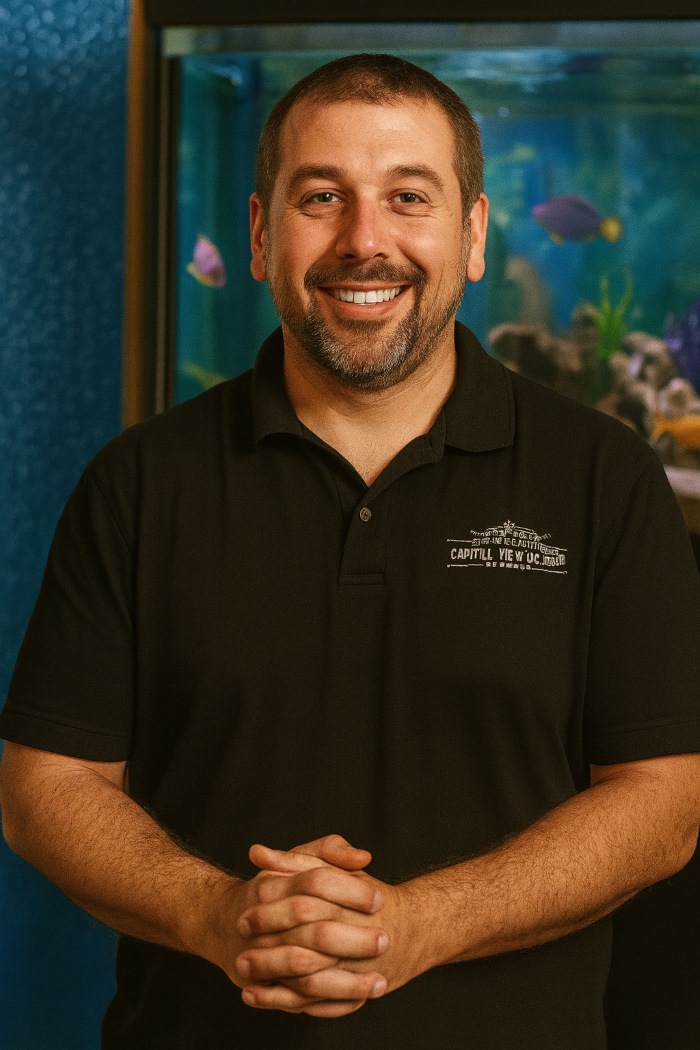
Howard set up his first 10-gallon planted tank in 2003 and lost half of it within six weeks. Two decades and more than forty aquariums later, he writes the guides he wished he had then: clear numbers, the reasons behind them, and what actually goes wrong in home tanks.