Are Tortoise Easy To Take Care Of? A Realistic Guide For Hobbyists
Tortoises are not easy to care for; they require specialized lighting, precise dietary management, and significant long-term space commitments that far exceed the needs of most aquarium fish.
Many of us in the aquarium hobby eventually find ourselves drawn to other cold-blooded companions. If you have mastered the art of water chemistry, you might wonder if transitioning to a land-based reptile is a logical next step.
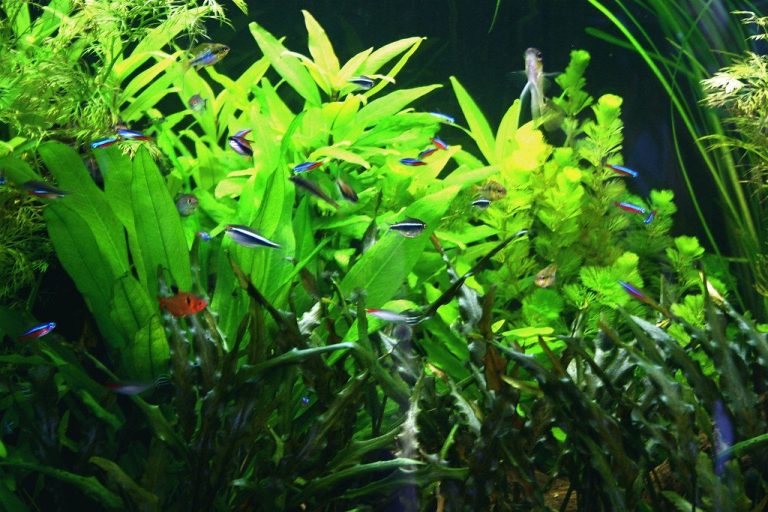
I have spent over a decade maintaining complex aquatic ecosystems, and I can tell you that the discipline required for fish keeping translates well to reptiles. However, the specific environmental needs of a tortoise are vastly different from those of a neon tetra or a cory catfish.
At a glance: Tortoises (general) (Family Testudinidae)
- Temperature
- Basking 90–100°F by species
- Adult size
- 4–30 in shell by species
- Enclosure
- Large enclosure or outdoor pen
- Group size
- Usually alone
- Temperament
- Docile
- Diet
- Herbivores: weeds, grasses, leafy greens
- Lifespan
- 40–100+ years
Keeper’s tip: UVB lighting and calcium are essential for healthy shell growth in indoor tortoises.
Are tortoise easy to take care of for beginners?
When people ask “are tortoise easy to take care of,” they are often thinking about the animal’s slow pace and seemingly low-maintenance lifestyle. In reality, tortoises are high-commitment animals that require rigid husbandry schedules.
Unlike fish, which live in a self-contained, filtered volume of water, a tortoise lives in an environment where you must manually control every variable. You are responsible for their light, their heat, and their humidity.
If you fail to provide these, your tortoise will not just get stressed—they will suffer from irreversible health issues. It is a hobby that rewards those who love the “science” part of animal keeping.
Understanding the critical environmental needs
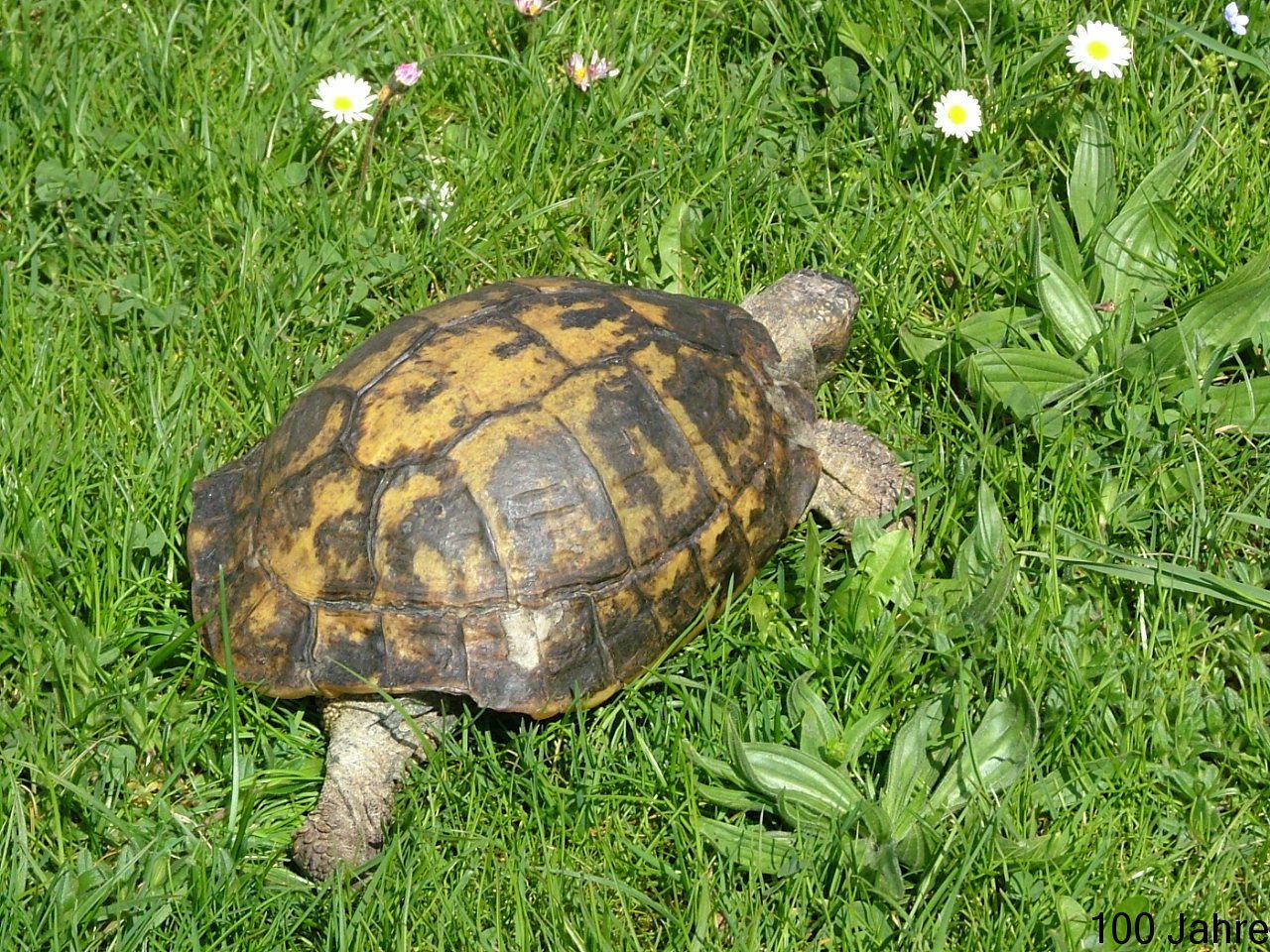
Success with any reptile, much like success with a planted tank, begins with understanding biology. You must replicate the natural environment of your specific species, such as the hardy African Sulcata or the smaller, more manageable Testudo hermanni.
The importance of the thermogradient
Tortoises are ectothermic, meaning they rely on their surroundings to regulate their body temperature. You cannot simply keep them at one room temperature.
You must establish a proper thermogradient. This means one end of the enclosure should be significantly warmer for basking, while the other remains cool to allow the animal to regulate its metabolism.
Lighting and metabolic health
In an aquarium, we focus on spectrums for plant growth. With tortoises, we focus on ultraviolet light.
Without a high-quality UVB 10.0 T5 HO bulb, your tortoise cannot synthesize Vitamin D3. This deficiency leads directly to Metabolic Bone Disease, a painful condition where the animal’s shell softens and deforms.
Common Mistake: Many beginners use “combo” bulbs that provide both heat and light. These often fail to provide adequate UVB coverage, leading to health issues within months. Always use a dedicated, reputable T5 linear UVB fixture.
Shell health and dietary requirements
If you are accustomed to measuring water parameters like pH or nitrates, you will find tracking the calcium-to-phosphorus ratio in food quite similar. It is all about the balance required for longevity.
Preventing pyramiding
You may have seen tortoises with “bumpy” or spiked shells. This condition is called pyramiding.
It is usually caused by a combination of improper diet (too much protein) and, most importantly, lack of humidity. If the substrate hygrometry is too low, the shell grows unevenly as the animal matures.
Essential dietary focus
Tortoises are primarily herbivores. They need high-fiber, calcium-rich weeds and grasses.
| Nutrient Category | Requirement |
|---|---|
| Fiber | High (Essential for gut motility) |
| Calcium | High (Essential for shell density) |
| Protein | Very Low (Avoid commercial “pellets” unless specified) |
Long-term growth and housing realities
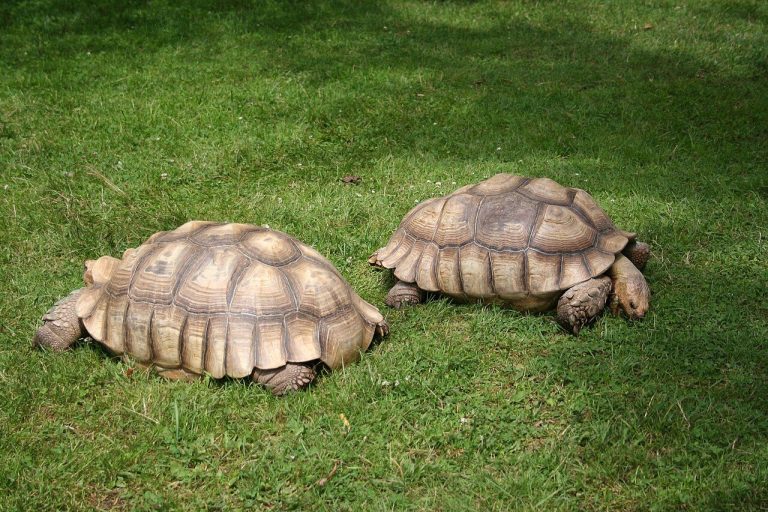
One of the biggest shocks for new owners is the sheer size of certain species. A Geochelone sulcata (Sulcata tortoise) can grow to over 100 pounds.
Space limitations
What starts as a cute hatchling in a 40-gallon tank will eventually need an entire room or a massive outdoor enclosure. If you are keeping a baby tortoise, do not be fooled by its current size. Always plan for the adult animal’s needs from day one.
Pro Tip: Build or buy your enclosure based on the adult size of the species. It is much cheaper and less stressful for the animal to transition to a permanent habitat than to keep upgrading tanks every year.
A few common questions
Do tortoises hibernate?
Some species undergo a process called brumation, which is a period of dormancy during cooler months. However, this is dangerous for beginners to attempt without professional veterinary guidance, as it can lead to health complications if the animal is not in perfect condition.
Can I keep a tortoise and fish in the same room?
Absolutely. They share similar requirements for equipment reliability. Just make sure the humidity required for a healthy tortoise shell does not negatively impact your electrical outlets or aquarium equipment nearby.
How often should I clean the enclosure?
Tortoises are messy. Unlike a well-cycled aquarium with a sturdy filter, you must manually remove waste daily. Spot-cleaning the substrate is the best way to prevent bacterial buildup and odors.
In short
Are tortoises easy to take care of? In my experience, they are rewarding but demanding. They are not “starter pets” that can be left alone.
They require the same level of dedication you would give to a delicate saltwater reef or a high-tech planted tank. If you are ready for the research, the expense, and the long-term commitment, a tortoise can be a fantastic companion. Just make sure you are doing it for the right reasons, not because you think they are “low maintenance.”

- 2003First tank
- 20+Years keeping
- 40+Tanks kept
- 0Sponsored picks
Howard set up his first 10-gallon planted tank in 2003 and lost half of it within six weeks. Two decades and more than forty aquariums later, he writes the guides he wished he had then: clear numbers, the reasons behind them, and what actually goes wrong in home tanks.