When Will Axolotls Go Extinct – What You Need to Know
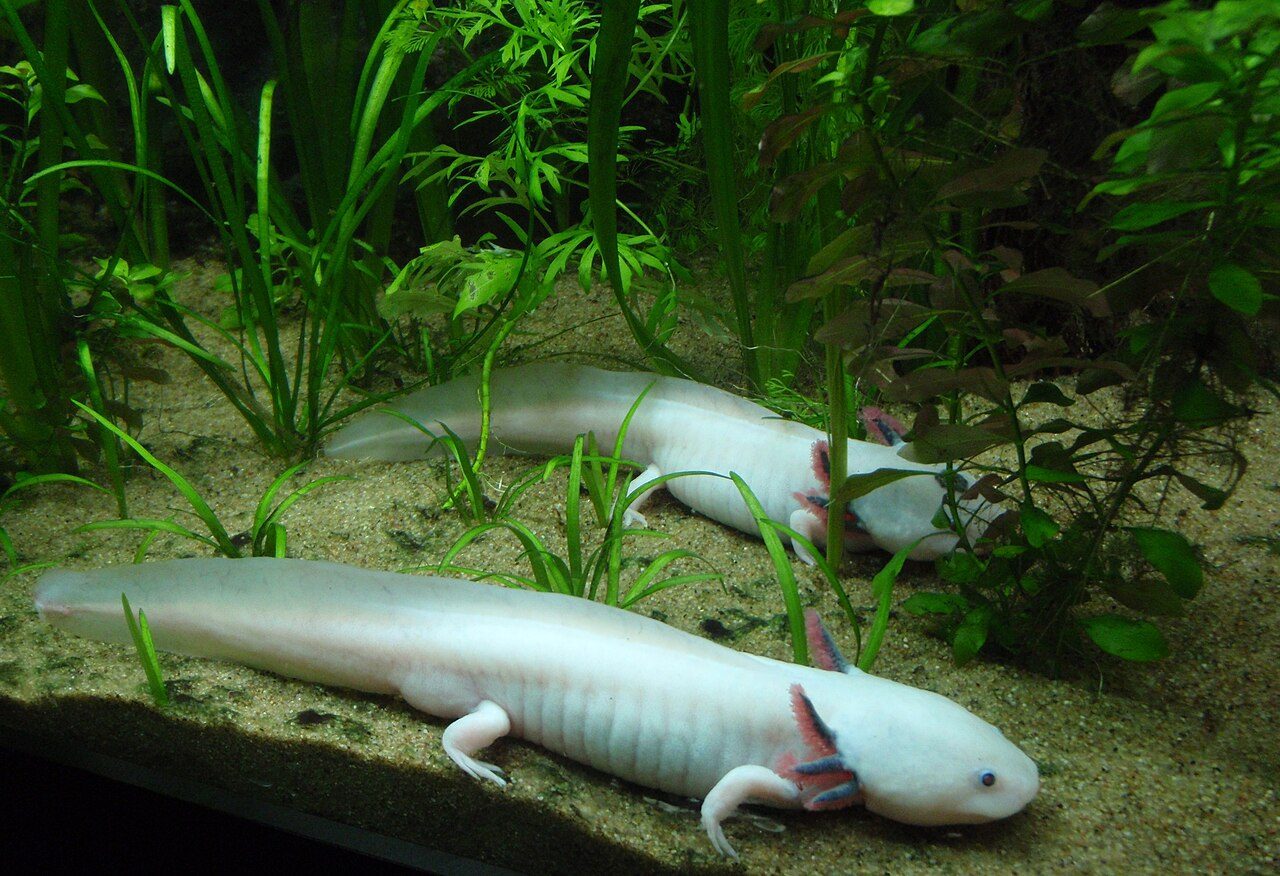
Axolotls are currently classified as Critically Endangered by the IUCN. While they are well-kept in captivity, their wild population in Lake Xochimilco is in a severe decline, nearing functional extinction in their natural habitat.
At a glance: Axolotl (Ambystoma mexicanum)
- Temperature
- 60–64°F (16–18°C)
- Water pH
- 7.0–8.0
- Adult size
- 9–12 in (23–30 cm)
- Minimum tank
- 20 gal long for one
- Group size
- Alone or same-size adults
- Temperament
- Peaceful, no fish tank mates
- Diet
- Carnivore: earthworms, axolotl pellets, bloodworm
- Lifespan
- 10–15 years
Keeper’s tip: Water above 70°F stresses axolotls quickly; a fan or chiller is often needed in summer.
As an aquarist who has spent over a decade maintaining diverse aquatic ecosystems, I’ve often found myself captivated by the unique biology of Ambystoma mexicanum. These “water dragons” are more than just popular pets; they are living remnants of a complex, ancient ecosystem.
When hobbyists ask, “when will axolotls go extinct,” they aren’t just asking about a date on a calendar. They are asking about the fragility of nature and the responsibilities we carry as keepers of these extraordinary creatures.
The Natural Habitat of the Axolotl
The axolotl is a classic example of endemism, meaning it is found nowhere else on Earth but the canal systems of Lake Xochimilco near Mexico City. Historically, these water systems were part of a vast lake basin.
Today, the urban sprawl of Mexico City has significantly reduced their range. The traditional Chinampa farming methods, which once supported a balanced ecosystem, have been heavily impacted by modern development.
Pro Tip: Understanding the history of where these animals came from, as explored in articles about their original discovery, helps us appreciate why their current environmental stress is so dire.
Why Are Wild Populations Declining?
The decline of the axolotl is not due to a single factor but a combination of human-induced environmental pressures. The primary issue is the degradation of water quality in their native canals.
Eutrophication has become a massive problem. High levels of nitrogen and phosphorus from agricultural runoff and untreated sewage lower the dissolved oxygen levels significantly.
Furthermore, the introduction of invasive species has been catastrophic. Fish like Cyprinus carpio (common carp) and Oreochromis niloticus (tilapia) were introduced to the lake for food, but they prey on axolotl eggs and larvae.
The Threat of Disease and Habitat Loss
Beyond invasive predators, the axolotl faces microscopic threats. Environmental instability often weakens the immune systems of native amphibians, making them susceptible to pathogens like Batrachochytrium dendrobatidis, a fungus linked to global amphibian declines.
When we discuss when will axolotls go extinct, we have to recognize that the habitat is no longer supporting their neoteny—the state where they retain larval features throughout their lives. The water is simply becoming too toxic for them to settle in.
| Threat Factor | Impact on Population |
|---|---|
| Invasive Species | Direct predation on eggs and juvenile axolotls. |
| Water Pollution | High nutrient load leads to low oxygen and toxicity. |
| Habitat Loss | Loss of aquatic vegetation necessary for egg-laying. |
Are Captive Axolotls the Same as Wild Ones?
It is important to clarify that the axolotls in our home aquariums are not “extinct.” In fact, there are thousands of them living in labs and private homes around the world.
However, many captive populations are highly inbred. This lack of genetic diversity makes them poor candidates for reintroduction programs if the wild habitat isn’t restored first.
Common Mistake: Many new keepers assume that because axolotls are hardy in captivity, they are indestructible. Even in a home tank, these animals require strict temperature control and pristine water conditions to avoid stress-related illnesses.
Can We Save Them from Extinction?
Conservationists are working hard to create “refugia” in Xochimilco. These are protected areas of the canal system where invasive fish are removed and native plants are re-introduced to improve water quality.
If these efforts succeed, the axolotl might survive in the wild long-term. If they fail, the species will likely exist only in human-managed environments, which is a tragedy for the biodiversity of Mexico.
Frequently asked questions
Are all axolotls in captivity descendants of the same group?
Most captive axolotls trace their lineage back to a few individuals brought to Paris in the 1800s. This creates a genetic bottleneck that complicates conservation efforts.
Can I help the wild population by releasing my pet?
Absolutely not. Releasing a captive-bred axolotl into the wild is dangerous. You could introduce diseases to the remaining wild population or disrupt their delicate genetic balance.
Is there a specific year when they will go extinct?
There is no set date. Scientists monitor the population continuously. The goal is to prevent the population from hitting a “point of no return” where they can no longer reproduce effectively.
My final take
The question of when will axolotls go extinct is a sobering reminder of how much impact we have on the natural world. While the outlook for the wild population remains grim, the dedication of researchers and the responsible care of hobbyists offer a glimmer of hope.
As keepers, our role is to continue learning about their biology and to support conservation efforts whenever possible. By appreciating these animals in our own tanks, we keep the wonder of the species alive while we advocate for the protection of their ancestral home.

- 2003First tank
- 20+Years keeping
- 40+Tanks kept
- 0Sponsored picks
Howard set up his first 10-gallon planted tank in 2003 and lost half of it within six weeks. Two decades and more than forty aquariums later, he writes the guides he wished he had then: clear numbers, the reasons behind them, and what actually goes wrong in home tanks.