Emersed Vs Submerged Aquarium Plants – Which One to Choose
Emersed plants grow with leaves above the water line, utilizing atmospheric CO2, while submerged plants grow entirely underwater, adapting their physiology to extract dissolved carbon and nutrients directly from the water column.
When you first walk into a high-end aquatic shop, you might notice that many of the potted plants look vastly different than they do once they have been established in your home aquarium for a few months. This is because the nursery environment often forces plants into an emersed state to maximize growth speed and prevent algae.
Understanding the difference between emersed vs submerged aquarium plants is essential for any hobbyist who wants to avoid the dreaded “melting” phase that often happens after planting. As someone who has spent over a decade tinkering with planted tanks, I can tell you that this transition is one of the most misunderstood aspects of the hobby.
Biological Adaptations and Morphology
Plants are incredibly resilient, but they are also specialists. When a plant like Anubias barteri var. nana grows emersed, it develops a thicker, waxy cuticle to prevent dehydration and relies on stomata for direct gas exchange with the air.
Conversely, when that same plant is moved to a submerged environment, it must undergo a total physiological overhaul. It begins to develop aerenchyma tissue—specialized spongy cells that allow for gas diffusion throughout the plant body—and shifts its focus toward bicarbonate uptake.
| Feature | Emersed Growth | Submerged Growth |
|---|---|---|
| Carbon Source | Atmospheric CO2 | Dissolved CO2/Bicarbonates |
| Leaf Structure | Stiff, waxy, thick cuticle | Soft, thin, high surface area |
| Growth Rate | Typically faster | Often slower/more delicate |
The Reality of Heterophylly and Melting
You have likely heard the term “melt” before. This is a common phenomenon when transitioning species like Cryptocoryne from an emersed nursery state to a submerged tank environment.
This process is largely due to heterophylly, where the plant produces different leaf shapes based on its environment. The plant effectively “knows” its emersed leaves are useless underwater, so it sheds them to conserve energy for the new, submerged-form growth.
Pro Tip: Don’t panic when your new plants lose their leaves! As long as the rhizome or root system remains firm and healthy, the “melt” is just a normal part of the adaptation process. Focus on maintaining stable water parameters to help them push out new growth.
Managing the Transition in Your Tank
When you introduce new plants to your system, you are essentially asking them to switch from cuticular transpiration to direct nutrient uptake through the leaves. This is a massive metabolic shift.
To support this, keep your nutrient levels are stable. When a plant is in transition, it is vulnerable to algae because it isn’t yet photosynthesizing at maximum capacity.
Why Nurseries Use Emersed Growth
It isn’t just for convenience; it’s a matter of biology. Emersed growth allows plants to utilize high levels of gaseous CO2 diffusion, which is significantly more efficient than drawing dissolved carbon from water.
This method also prevents the spread of aquatic pests and algae that are common in water-filled greenhouse vats. When you buy these plants, you are getting a clean, solid specimen that is simply waiting for the right conditions to change its form.
Common Mistake: A frequent error I see is hobbyists cranking up the light intensity immediately upon adding new plants. High light demands more CO2. If the plant hasn’t finished transitioning, it can’t keep up with that demand, leading to photoinhibition and eventual failure. Start with moderate light and increase it slowly.
Species-Specific Considerations
Not every plant acts the same way. An Echinodorus grisebachii (Amazon Sword) is quite hardy and will adapt to submerged life relatively quickly.
Other species, especially those with delicate, feathery leaves, can struggle significantly if the water chemistry isn’t perfect. Always research the specific requirements of the species before trying to force a transition in a high-tech or low-tech environment.
FAQ: Common Questions About Growth Forms
Q: Will my plant die if it doesn’t transition to submerged form? A: Usually, no. The plant will simply stop growing or exist in a dormant state. If the plant is aquatic, it will eventually adapt once the environmental conditions are stable.
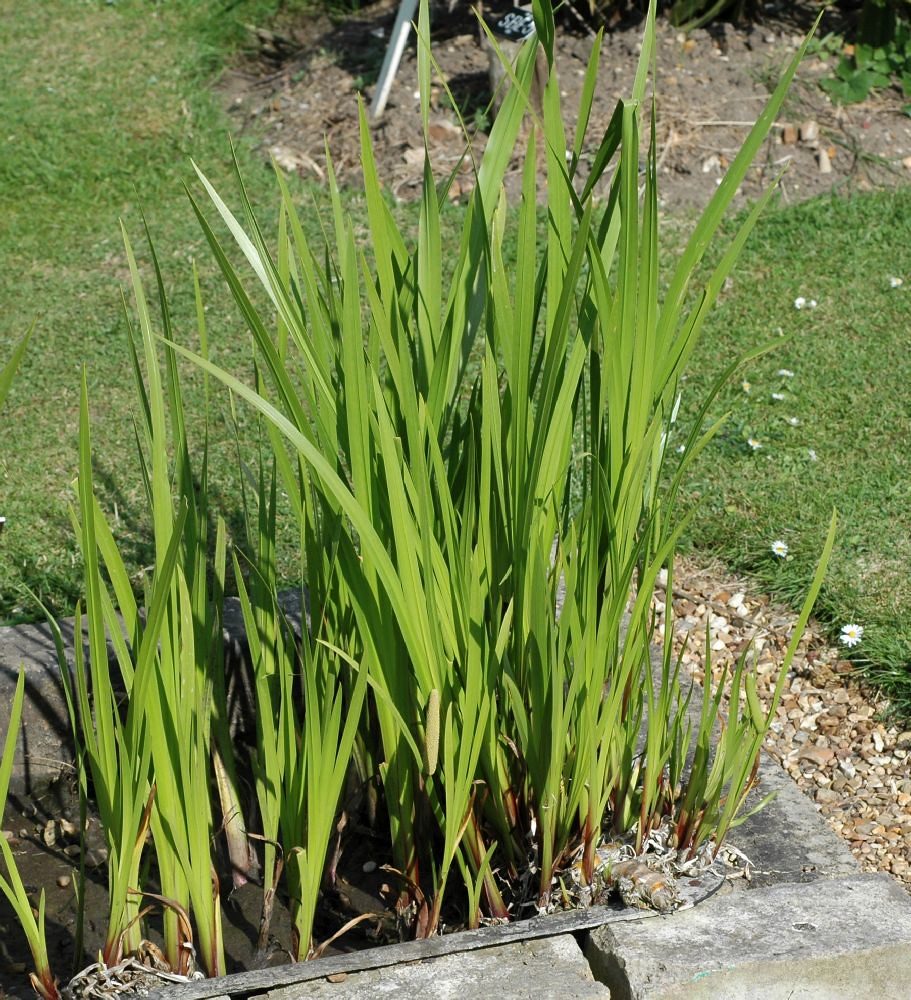
Q: How do I know if my plants are emersed or submerged? A: Emersed plants often have stiffer, upright leaves and may even have flowers. Submerged leaves are typically more translucent and flexible.
Q: Should I cut off the emersed leaves before planting? A: I recommend leaving them for a week or two. They still provide some energy to the roots while the new submerged leaves are forming. Once the new growth is visible, you can trim the old, dying leaves.
Wrapping up
Understanding emersed vs submerged aquarium plants is the difference between a tank that flourishes and one that struggles with constant plant loss. If you respect the physiological shift your plants undergo, you can create a stable environment that rewards your patience.
Whether you are focusing on heavy root feeders or delicate stem plants, keep in mind that nature takes time. Provide the right nutrients, stabilize your lighting, and watch as your plants adapt to their new aquatic home.
Keeper’s notes
- Trim stem plants above a node and replant the tops for denser growth.
- Change one variable at a time (light, CO2 or fertiliser) and wait two weeks to judge the result.
- Root feeders such as swords, crypts and vallisneria need root tabs or a nutrient-rich substrate, not only liquid fertiliser.
- Add plants before fish in a new tank; they start using ammonia and nitrate right away.

- 2003First tank
- 20+Years keeping
- 40+Tanks kept
- 0Sponsored picks
Howard set up his first 10-gallon planted tank in 2003 and lost half of it within six weeks. Two decades and more than forty aquariums later, he writes the guides he wished he had then: clear numbers, the reasons behind them, and what actually goes wrong in home tanks.