California Desert Tortoise Lifespan – A Complete Longevity Guide
The average california desert tortoise lifespan is between 50 and 80 years in the wild. In protected captive environments with specialized care, these resilient reptiles can frequently exceed 100 years of age.
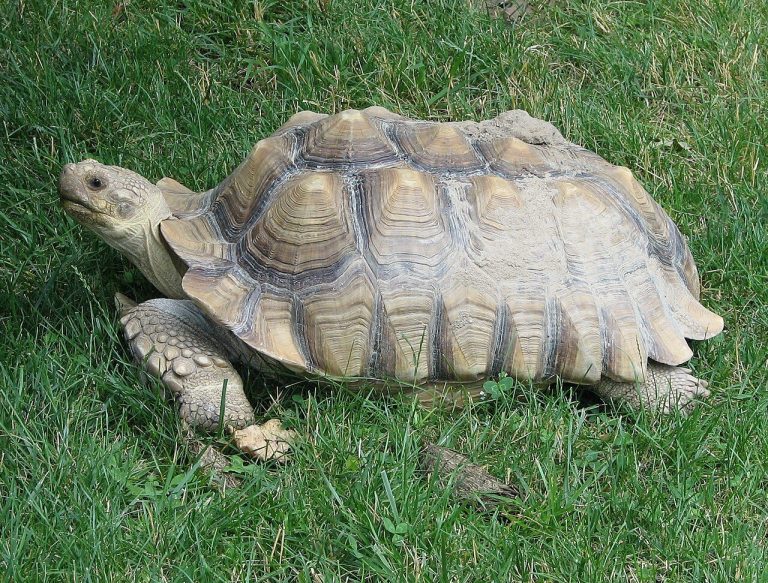
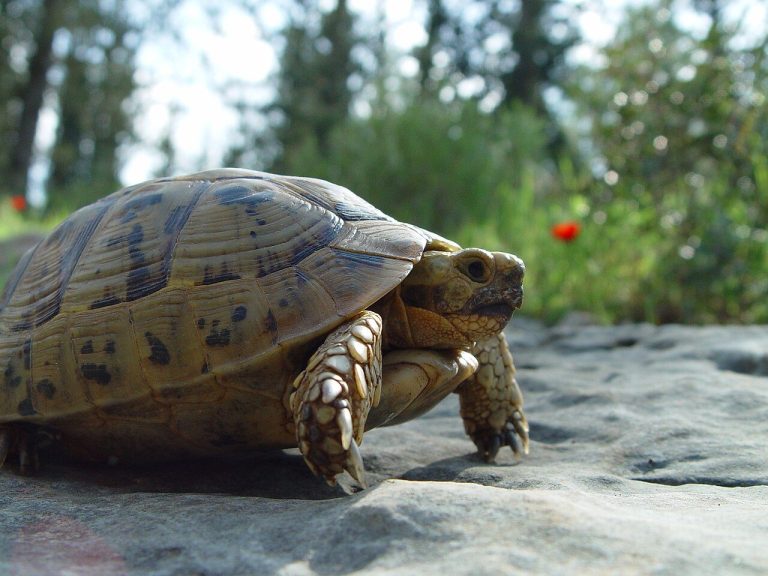
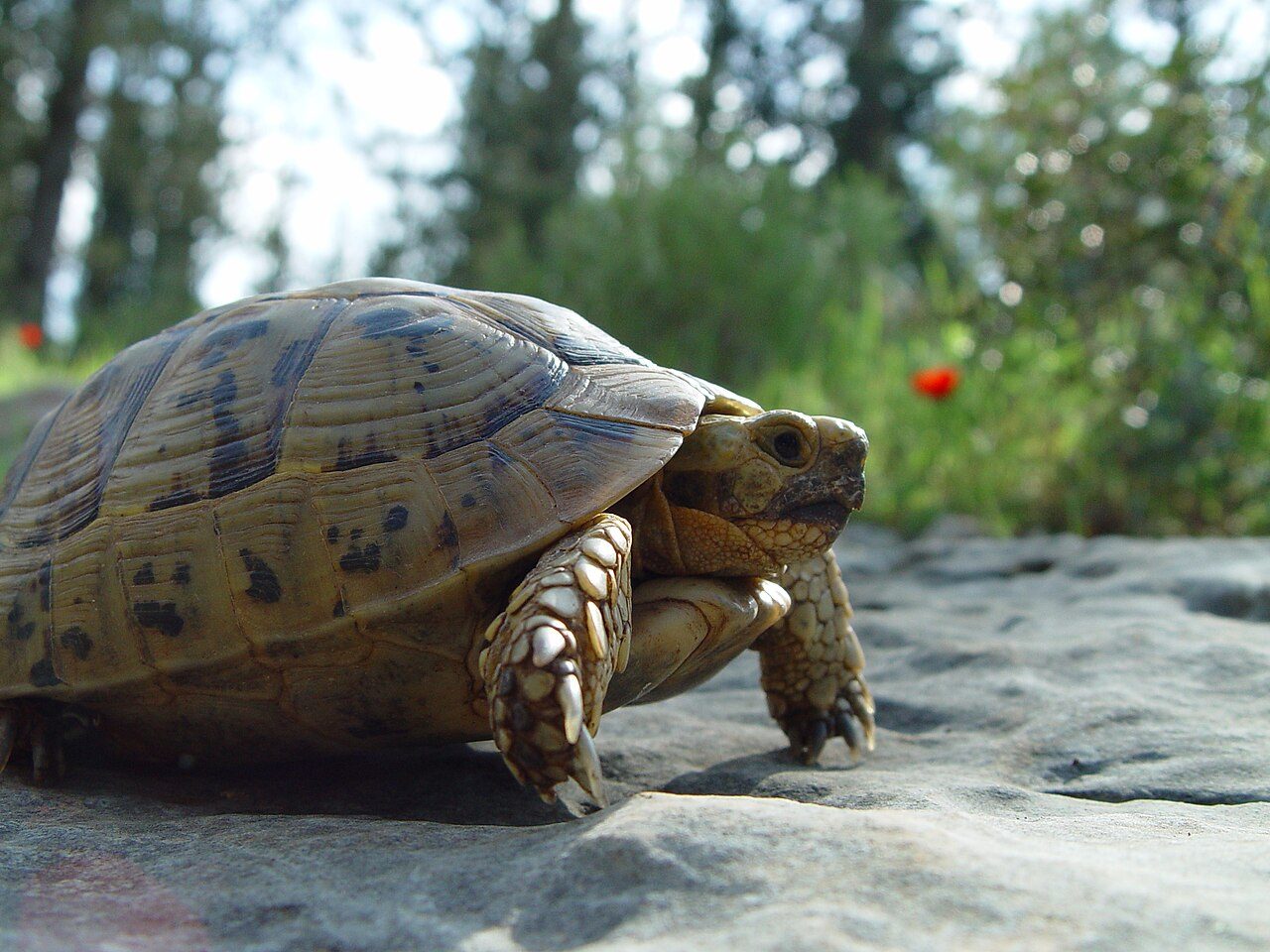
Understanding the biological potential of the Gopherus agassizii is a journey into one of nature’s most impressive survival stories. These tortoises are not merely pets or wild animals; they are long-lived icons of the American Southwest that require a multi-generational commitment.
For many hobbyists, the prospect of caring for an animal that might outlive them is both humbling and challenging. By examining the environmental and physiological factors that contribute to their longevity, we can better appreciate their place in the ecosystem.
This guide provides a deep go through the factors that influence the california desert tortoise lifespan. We will explore how these creatures survive extreme temperatures and what you can do to ensure a captive tortoise does well for a century.
At a glance: Tortoises (general) (Family Testudinidae)
- Temperature
- Basking 90–100°F by species
- Adult size
- 4–30 in shell by species
- Enclosure
- Large enclosure or outdoor pen
- Group size
- Usually alone
- Temperament
- Docile
- Diet
- Herbivores: weeds, grasses, leafy greens
- Lifespan
- 40–100+ years
Keeper’s tip: UVB lighting and calcium are essential for healthy shell growth in indoor tortoises.
The Natural Life Cycle of Gopherus agassizii
The journey of a desert tortoise begins in a small, leathery egg buried deep within the sandy soil of the Mojave or Sonoran deserts. From the moment they hatch, these tiny reptiles face an uphill battle for survival that defines their early years.
Growth is remarkably slow for this species, which is a key evolutionary trait for surviving in nutrient-poor environments. It takes approximately 15 to 20 years for a tortoise to reach sexual maturity, a timeframe that reflects their “slow and steady” approach to life.
During these early decades, the shell, or carapace, gradually hardens to provide better protection against predators. Until the shell is fully calcified, young tortoises are highly vulnerable to birds, coyotes, and even large lizards.
Common Mistake: Many keepers assume young tortoises are as hardy as adults. In reality, hatchlings have very thin shells and are highly susceptible to dehydration, requiring much higher humidity levels than mature adults.
california desert tortoise lifespan: Wild vs. Captivity
There is a significant discrepancy between how long a tortoise lives in the wild compared to a controlled environment. While the wild california desert tortoise lifespan is often capped by external threats, captive individuals benefit from consistent resources.
In the wild, the elements are the primary limiting factor for longevity. Drought, fluctuating food supplies, and habitat fragmentation can significantly shorten their years, even if the tortoise avoids predation.
Captivity removes many of these stressors, but it introduces new challenges related to husbandry and diet. When a captive environment mimics the natural desert cycle while providing medical intervention, the lifespan can easily stretch into triple digits.
| Longevity Factor | Wild Environment | Captive Environment |
|---|---|---|
| Average Lifespan | 50 – 80 Years | 80 – 100+ Years |
| Primary Threats | Predation, Drought, Road Mortality | Malnutrition, Poor Lighting, Lack of Vet Care |
| Food Stability | Highly Seasonal / Scarce | Consistent Year-Round |
| Medical Access | None (Natural Selection) | Available (Antibiotics, Surgery) |
Environmental Factors and Thermoregulation
The ability to manage internal body temperature, or thermoregulation, is perhaps the most critical skill a tortoise possesses. Because they are ectothermic, their metabolic rate and overall health are directly tied to the temperature of their surroundings.
In the desert, temperatures can swing from freezing at night to over 110 degrees Fahrenheit during the day. Tortoises spend up to 95% of their lives underground in burrows to escape these extremes and conserve precious moisture.
Burrows provide a stable microclimate that is essential for osmoregulation, the process of maintaining a balance of water and salt in the body. Without these deep retreats, a tortoise would quickly succumb to the desert heat, drastically shortening its life.
The Role of Brumation in Longevity
Brumation is the reptilian equivalent of hibernation and plays a vital role in the california desert tortoise lifespan. During the cold winter months, the tortoise enters a state of dormancy where its metabolism slows to a near-halt.
This period of rest allows the tortoise to preserve energy when food sources are non-existent. For captive tortoises, allowing for a natural brumation cycle is often seen as a way to “reset” their biological clock and maintain long-term health.
The Importance of UVB Radiation
For a tortoise to live a long life, it must have a strong skeletal structure and shell. This is only possible through the synthesis of Vitamin D3, which requires exposure to high-quality UVB radiation from the sun or specialized lamps.
Without sufficient UVB, tortoises cannot absorb calcium properly, leading to devastating health issues. This is a common pitfall for indoor keepers who may not realize that window glass filters out the very wavelengths the tortoise needs.
Common Health Challenges That Impact Lifespan
Even the hardiest tortoise faces biological threats that can compromise its longevity. Understanding these diseases is the first step in prevention and keeping a long california desert tortoise lifespan for your animal.
One of the most significant threats is Upper Respiratory Tract Disease (URTD). This condition is often caused by the pathogen Mycoplasma agassizii and can become a chronic, life-threatening issue if not addressed early.
In many cases, the symptoms start subtly with clear nasal discharge or frequent gasping. If you notice these signs, seeking respiratory infection treatments is vital to prevent permanent lung damage.
Metabolic Bone Disease and Shell Integrity
Metabolic Bone Disease (MBD) is a preventable but frequent cause of premature death in captive tortoises. It occurs when the body lacks the calcium needed for bone density, leading to soft shells and deformed limbs.
Preventing metabolic bone disease requires a strict balance of diet and lighting. Once the carapace becomes significantly deformed, it can put pressure on internal organs, reducing the tortoise’s quality of life and total years.
Urolithiasis and Hydration
A unique challenge for desert-dwelling tortoises is Urolithiasis, or the formation of bladder stones. In the wild, tortoises store water in their bladders and can reabsorb it during dry spells.
However, if they become chronically dehydrated, the minerals in their urine can crystallize into large stones. These stones can eventually block the tortoise’s ability to eliminate waste, leading to a slow and painful decline.
Pro Tip: Even though they are desert animals, regular soaking is essential for captive tortoises. Providing a shallow soak once or twice a week encourages them to void their bladder and stay hydrated, which is a key secret to a long life.
How Biologists Estimate the Age of a Tortoise
Determining the exact age of a tortoise found in the wild is notoriously difficult, but biologists have developed several reliable methods. The most common technique involves looking at the scute growth rings on the carapace.
Much like the rings of a tree, these annuli represent periods of growth. However, this method is only accurate for the first 20 or 30 years, as the rings eventually wear down and become smooth in older individuals.
In older tortoises, researchers look at the overall wear and tear of the shell and the size of the animal. While size is a general indicator, it is heavily influenced by the availability of food in the tortoise’s specific habitat.
Creating a Longevity-Focused Habitat
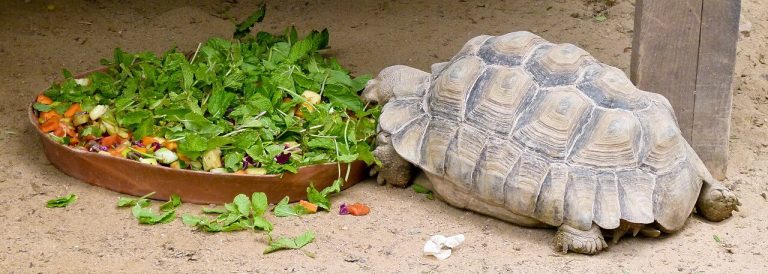
If you are legally keeping a desert tortoise, your goal should be to create an environment that promotes a century of health. This starts with a diet that mimics the low-protein, high-fiber grasses they find in the Mojave.
Overfeeding fruit or high-protein vegetables can lead to rapid, unhealthy growth and “pyramiding” of the shell. A slow, steady growth rate is much more conducive to a long california desert tortoise lifespan than hitting adult size quickly.
Proper hydration is the other pillar of a long life. You can learn the best techniques by reading our guide on bathing your tortoise, which helps maintain proper osmoregulation and prevents bladder stones.
Essential Habitat Checklist
To make sure your tortoise reaches its maximum potential age, your enclosure should include the following elements:
- A deep, insulated burrow for temperature regulation and brumation.
- Access to natural, unfiltered sunlight or high-output UVB lighting.
- A diet consisting primarily of native desert grasses and weeds.
- A shallow water dish that the tortoise can easily climb in and out of.
- Large, secure outdoor spaces that allow for natural foraging and exercise.
Conservation and the Future of the Species
The wild california desert tortoise lifespan is currently under threat from more than just natural predators. Human encroachment, solar farm development, and illegal collection have put immense pressure on wild populations.
These tortoises are protected under the Endangered Species Act (ESA), making it illegal to touch or move them in the wild without a permit. Conservation efforts focus on preserving large tracts of habitat and managing the spread of diseases like URTD.
If you respect these animals in their natural habitat and providing expert-level care to those in legal adoption programs, we can help make sure Gopherus agassizii continues to roam the desert for generations to come.
Quick answers About California Desert Tortoise Longevity
How long does a California desert tortoise live on average?
In the wild, they typically live between 50 and 80 years. In captivity, where they are protected from predators and drought, many reach 100 years or more with proper care.
What is the oldest recorded California desert tortoise?
While difficult to verify without birth records, there are several documented cases of desert tortoises living well past 100 years. Some estimates for the oldest individuals reach as high as 150 years.
Do desert tortoises live longer than Sulcata tortoises?
Generally, their lifespans are comparable, though Sulcatas are much larger. Both species are capable of living a full century if their specific environmental and dietary needs are met.
Why do some tortoises die young in captivity?
The most common causes of early death are improper diet (too much sugar or protein), lack of UVB lighting leading to MBD, and chronic dehydration causing bladder stones.
Can a tortoise recover from a respiratory infection?
Yes, but it requires prompt veterinary intervention. If left untreated, URTD can become a chronic condition that significantly shortens the animal’s life by damaging its respiratory system.
Final Thoughts on Desert Tortoise Longevity
The california desert tortoise lifespan is proof of the power of adaptation and biological resilience. These animals have mastered the art of surviving in one of the harshest environments on Earth by moving slowly and conserving every drop of energy.
Whether you are a conservationist or a legal keeper, understanding their needs is the key to their survival. If you provide the right balance of heat, light, and nutrition, we can honor the incredible longevity of these desert icons.
Taking care of a desert tortoise is a marathon, not a sprint. It is a commitment that often spans a lifetime, offering a unique perspective on the passage of time and the enduring nature of the natural world.

- 2003First tank
- 20+Years keeping
- 40+Tanks kept
- 0Sponsored picks
Howard set up his first 10-gallon planted tank in 2003 and lost half of it within six weeks. Two decades and more than forty aquariums later, he writes the guides he wished he had then: clear numbers, the reasons behind them, and what actually goes wrong in home tanks.