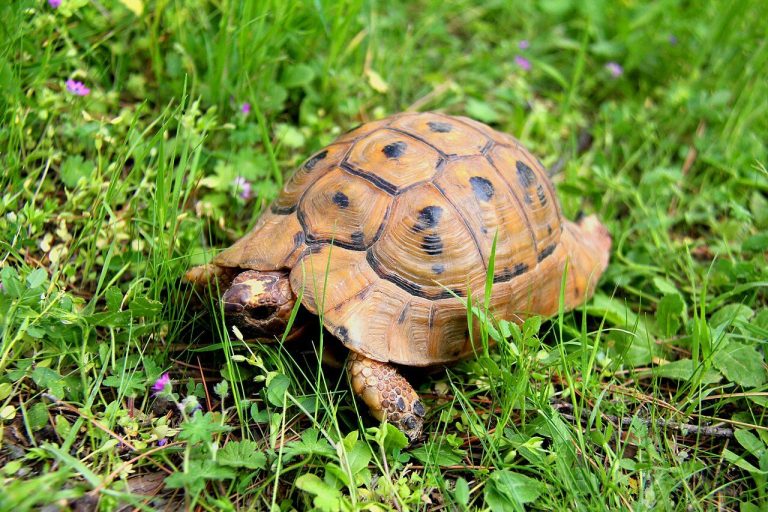
Tortoise Respiratory Infection Home Treatment – An Expert Guide
Effective tortoise respiratory infection home treatment focuses on increasing ambient temperatures, maintaining strict hygiene, and keeping proper hydration. These steps stabilize your tortoise while you monitor for signs that require professional veterinary antibiotics.
Seeing your shelled companion struggling to breathe or “blowing bubbles” from their nose is a heart-wrenching experience for any keeper.
In my decade of maintaining various reptile and fish species, I have learned that early intervention is the most critical factor in a successful recovery.
While it is tempting to panic, implementing a structured tortoise respiratory infection home treatment plan can often prevent a mild sniffle from turning into life-threatening pneumonia.
At a glance: Tortoises (general) (Family Testudinidae)
- Temperature
- Basking 90–100°F by species
- Adult size
- 4–30 in shell by species
- Enclosure
- Large enclosure or outdoor pen
- Group size
- Usually alone
- Temperament
- Docile
- Diet
- Herbivores: weeds, grasses, leafy greens
- Lifespan
- 40–100+ years
Keeper’s tip: UVB lighting and calcium are essential for healthy shell growth in indoor tortoises.
Understanding Respiratory Infections in Tortoises
A respiratory infection, often referred to as an RI, is essentially the reptile equivalent of a chest cold or pneumonia.
It occurs when bacteria, viruses, or fungi invade the lungs or nasal passages, usually because the tortoise’s immune system has been compromised.
In my experience, these infections are almost always linked to environmental stressors like incorrect temperatures or poor air quality.
Common Causes of RI
The most frequent culprit is a “chilling” event, where the enclosure temperature drops too low for an extended period.
High humidity without adequate ventilation can also create a breeding ground for pathogens in the substrate.
Additionally, dust from certain bedding materials can irritate the delicate lining of the tortoise’s respiratory tract.
Identifying the Symptoms Early
Early detection is your best weapon when dealing with a sick reptile.
Look for a “runny nose,” which appears as clear or white discharge from the nostrils, often accompanied by frequent wiping of the face.
You might also notice your tortoise refusing food or acting significantly more lethargic than usual.
Pro Tip: Listen closely to your tortoise in a quiet room. If you hear a “clicking” or “whistling” sound when they breathe, or if they are breathing with an open mouth, the infection has likely progressed and needs immediate attention.
Tortoise Respiratory Infection Home Treatment: Immediate Steps
When you first suspect an illness, your goal is to create an environment that mimics a fever to “kickstart” the tortoise’s metabolism and immune system.
The primary focus of tortoise respiratory infection home treatment is environmental correction rather than administering over-the-counter medications.
Reptiles are ectothermic, meaning they rely entirely on external heat to power their biological processes, including their immune response.
The Heat Boost (Thermal Support)
The single most effective thing you can do at home is to increase the ambient temperature of the enclosure.
In my years of keeping species like the Sulcata, I’ve found that bumping the basking spot to 95-100°F (35-38°C) and the cool end to 80°F (27°C) is vital.
This extra heat helps the tortoise’s body fight off the invading bacteria more efficiently.
Maintaining a Clean Environment
Hygiene is the top priority when a tortoise is unwell, as they are often shedding pathogens into their surroundings.
Switch out your standard substrate for paper towels or clean, dry towels during the treatment period.
This makes it easier to monitor waste and prevents dust or mold from further irritating the lungs.
| Symptom Severity | Observation | Recommended Action |
|---|---|---|
| Mild | Occasional clear nasal discharge, slightly less active. | Increase heat, check humidity, and monitor daily. |
| Moderate | Persistent bubbles from nose, clicking sounds, reduced appetite. | Strict home treatment, daily soaking, schedule vet consult. |
| Severe | Open-mouth breathing, neck stretching, total lethargy. | Emergency veterinary care required immediately. |
Optimizing Enclosure Humidity and Airflow
Humidity is a double-edged sword when it comes to respiratory health in tortoises.
While dry air can crack the mucous membranes, excessive dampness without airflow can lead to stagnant, bacteria-heavy air.
Striking the right balance depends heavily on the specific species you are keeping.
The Role of Fresh Air
In my experience, many keepers seal up their enclosures too tightly in an attempt to keep heat in.
This often results in “stale” air that traps ammonia from waste and spores from substrate.
Help there is a cross-breeze or a mesh top that allows for gas exchange while still maintaining the necessary heat.
Targeted Humidity for Lung Health
If you are dealing with young hatchling care, you know they need higher humidity than adults.
For a sick tortoise, providing a “humid hide” with warm, damp moss can help loosen mucus in the airways.
However, avoid spraying the entire enclosure, as a cold, wet tortoise will decline much faster.
Common Mistake: Never use a humidifier or fogger that creates “cold” mist for a tortoise with an RI. Cold moisture can actually settle in the lungs and make the infection significantly worse.
Hydration and Nutritional Support
A sick tortoise will often stop drinking and eating, which leads to dehydration and further weakens the immune system.
Hydration is perhaps the most underrated aspect of tortoise respiratory infection home treatment.
Water helps thin out the mucus, making it easier for the tortoise to expel it from their system.
The Importance of Warm Soaks
Daily shallow baths in warm water (85-90°F) are essential for a recovering tortoise.
I recommend soaking your tortoise for at least 20 to 30 minutes every single day during an RI flare-up.
This encourages them to hydrate and often stimulates them to defecate, removing toxins from their body.
Encouraging Appetite
When a tortoise can’t smell their food because of a stuffed nose, they often lose interest in eating.
Try offering highly aromatic “treat” foods like hibiscus flowers or small amounts of colorful bell peppers to entice them.
You can also dust their greens with a high-quality vitamin supplement to ensure they have the nutrients needed for repair.
Sanitation Protocols During Recovery
A respiratory infection is often contagious, especially if you have multiple tortoises in the same area.
Isolation is the first step in preventing a full-scale outbreak in your collection.
If one tortoise shows symptoms, move them to a dedicated “hospital tank” immediately.
Disinfecting the Habitat
While the tortoise is in their temporary hospital bin, take the time to deep-clean their main enclosure.
Use a reptile-safe disinfectant or a diluted F10 solution to scrub all surfaces, hides, and water bowls.
Discard any porous materials like wood or cork bark if you suspect they are harboring mold or high bacterial loads.
Personal Hygiene for the Keeper
Always wash your hands thoroughly after handling a sick tortoise or cleaning their enclosure.
Pathogens can easily be transferred on your skin or clothes to other healthy reptiles in your home.
I like to use a dedicated set of tongs and cleaning supplies just for the sick animal to minimize cross-contamination.
When to Transition from Home Care to a Vet
It is vital to recognize the limitations of tortoise respiratory infection home treatment.
Home care is excellent for mild cases or as a supportive measure while waiting for a veterinary appointment.
However, tortoises are masters at hiding illness, and by the time they look “really sick,” they are often in a critical state.
Signs of Pneumonia
If you notice your tortoise stretching its neck out and gasping for air (open-mouth breathing), the infection has moved into the lungs.
This is a medical emergency that requires injectable antibiotics and professional nebulization.
No amount of home heat or soaking can replace the targeted action of prescription medication in these instances.
The Risk of Chronic RI
Some tortoises may seem to recover with home treatment only to have the symptoms return a few weeks later.
This often indicates a chronic underlying issue, such as a mycoplasma infection, which is common in many captive tortoises.
A vet can perform a nasal flush or a “deep lung wash” to identify the exact pathogen and prescribe the correct drug.
Preventing Future Respiratory Issues
Once your tortoise has recovered, your focus should shift toward long-term prevention.
Most respiratory infections are a sign that something in the husbandry was “off” for a significant period.
Reviewing your setup with a critical eye can prevent a relapse.
Consistency in Temperature
Fluctuating temperatures are a major stressor for tortoises.
Invest in a high-quality thermostat to make sure your heat lamps don’t get too cold at night or dangerously hot during the day.
Consistency provides the stable environment a tortoise needs to maintain a solid immune system.
Dietary Variety and Supplements
A tortoise that eats a narrow diet is more likely to suffer from vitamin deficiencies that impact respiratory health.
Make sure you are providing a wide variety of leafy greens, grasses, and weeds.
Incorporate a calcium and multivitamin schedule that matches the specific needs of your tortoise’s age and species.
Things people often ask
Can I use human cold medicine on my tortoise?
Absolutely not. Human medications are formulated for mammals and can be highly toxic to reptiles. Never administer any medication without the direct guidance of a qualified exotic animal veterinarian.
How long does it take for a tortoise to recover from an RI?
Recovery is a slow process for reptiles due to their slow metabolism. Even with proper tortoise respiratory infection home treatment, it can take 2 to 4 weeks to see significant improvement, and sometimes longer for a full recovery.
Is a tortoise respiratory infection contagious to humans?
Most respiratory pathogens in tortoises are specific to reptiles. However, tortoises can carry Salmonella and other bacteria that can affect humans, so strict hygiene is always necessary.
Can I use essential oils like eucalyptus to help them breathe?
No, essential oils can be irritating to a tortoise’s sensitive respiratory system. Stick to providing warm, humid air through traditional methods like humid hides rather than using diffusers or oils.
The short version
Managing a tortoise respiratory infection home treatment plan requires patience, observation, and a commitment to environmental excellence.
By boosting temperatures, making sure hydration through daily soaks, and maintaining a sterile environment, you give your tortoise the best possible chance at a full recovery.
Remember that while home care is a powerful tool, it should never replace the expertise of a reptile vet if the symptoms persist or worsen.
Keep a close eye on your shelled friend, stay consistent with their care, and you will likely see them back to their active, hungry self in no time.

- 2003First tank
- 20+Years keeping
- 40+Tanks kept
- 0Sponsored picks
Howard set up his first 10-gallon planted tank in 2003 and lost half of it within six weeks. Two decades and more than forty aquariums later, he writes the guides he wished he had then: clear numbers, the reasons behind them, and what actually goes wrong in home tanks.