When to Replace Aquasoil – Signs and Timeline
You should consider replacing aquasoil when plant growth significantly declines, severe substrate compaction occurs, persistent algae issues arise due to nutrient imbalances, or if anaerobic pockets with hydrogen sulfide are detected, typically after 2-5 years.
Aquasoil has revolutionized planted aquariums, offering an ideal substrate for leafy aquatic plant growth. It’s packed with nutrients, helps buffer water parameters, and provides a perfect rooting medium. However, like any product, aquasoil doesn’t last forever.
A common question I hear from both new and experienced aquarists is, “when to replace aquasoil?” This isn’t a simple ‘set it and forget it’ situation. Understanding the signs of depletion and degradation is vital for maintaining a healthy, vivid planted tank.
In this comprehensive guide, we’ll look closely at the lifespan of aquasoil, the tell-tale signs of its decline, and how to approach the replacement process. My goal is to equip you with the knowledge to keep your aquatic plants, fish, and shrimp continue to do well.
Understanding Aquasoil: More Than Just Dirt
Before we discuss replacement, let’s briefly recap what makes aquasoil so special. Unlike inert substrates like sand or gravel, aquasoil is an active substrate, typically composed of baked clay granules, often enriched with organic acids and essential plant nutrients.
Its porous structure offers excellent surface area for beneficial bacteria to colonize, contributing to biological filtration. Crucially, aquasoil possesses a high Cation Exchange Capacity (CEC). This means it can absorb and release positively charged nutrient ions, acting as a nutrient buffer for your plants.
Many aquasoil products also have the ability to soften water by absorbing calcium and magnesium ions, which in turn lowers Carbonate Hardness (KH) and pH. This creates ideal conditions for many aquatic plants and soft-water fish species. Over time, these beneficial properties diminish.
Pro Tip: Buffering Capacity & KH
In my experience, one of the first indicators of aquasoil aging is a noticeable decline in its pH and KH buffering capabilities. If your tap water is hard, you’ll start to see your tank’s KH creep up, and the pH stabilize at a higher level than when the aquasoil was fresh. This can stress sensitive plants and fish that prefer softer, more acidic conditions.
Key Indicators It’s Time to Consider When to Replace Aquasoil
Knowing when to replace aquasoil isn’t about following a strict calendar date; it’s about observing your aquarium’s health and your plants’ behavior. Here are the most common signs that your aquasoil might be nearing the end of its useful life.
Declining Plant Growth and Nutrient Deficiency
The primary reason we use aquasoil is for solid plant growth. If your once-stable plants, especially demanding species like Hemianthus callitrichoides ‘Cuba’, start showing signs of stunted growth, yellowing leaves (chlorosis), or general poor health despite consistent fertilization and CO2, your aquasoil might be depleted.
The substrate’s ability to hold and release nutrients diminishes as its CEC is saturated or its organic components are used up. This leads to plants struggling to access essential macronutrients like nitrogen, phosphorus, and potassium, and micronutrients like iron.
Substrate Compaction and Poor Water Circulation
Over several years, aquasoil granules can break down and compact. This substrate compaction reduces porosity, hindering water and nutrient flow to plant roots. It also creates anaerobic (oxygen-deprived) zones within the substrate.
Poor circulation at the substrate level means waste products can accumulate, and beneficial aerobic bacteria struggle to do well. If you notice your substrate feels dense and doesn’t allow for easy movement of water when you gravel vacuum (which you should do lightly with aquasoil), compaction is likely occurring.
Algae Outbreaks and Nutrient Imbalances
Paradoxically, depleted aquasoil can sometimes contribute to algae problems. As the substrate loses its ability to bind nutrients effectively, it might release accumulated phosphates or other compounds into the water column. This, combined with a lack of healthy plant competition due to poor growth, can trigger frustrating algae blooms.
In my experience, persistent green dust algae or hair algae, even with good CO2 and light, can sometimes point to an underlying issue with aged substrate no longer properly sequestering nutrients.
Anaerobic Pockets and Hydrogen Sulfide Concerns
One of the more serious indicators that it’s time to consider when to replace aquasoil is the presence of anaerobic hydrogen sulfide. As substrate compacts and organic matter decomposes in the absence of oxygen, anaerobic bacteria produce hydrogen sulfide gas, which smells like rotten eggs.
You might notice this smell if you disturb the substrate or when removing old plants. Hydrogen sulfide is toxic to fish and invertebrates, and while usually released in small, non-lethal amounts, it’s a clear sign of an unhealthy substrate environment that needs addressing.
Age and Visible Deterioration
While not a definitive rule, most aquasoil products have an effective lifespan of 2 to 5 years, depending on the brand, initial nutrient load, water parameters, and plant density. Over time, you’ll physically observe the granules breaking down, turning into a finer, muddier consistency. This visible deterioration is a strong indication that the substrate’s structural integrity and beneficial properties are waning.
The Science Behind Aquasoil Degradation
To understand why aquasoil needs replacing, it helps to look at the underlying chemical processes that occur over time. This isn’t just about nutrients running out; it’s a complex interplay of physical and chemical changes.
Cation Exchange Capacity (CEC) Saturation
Fresh aquasoil has many available binding sites for cations like ammonium (NH4+), potassium (K+), calcium (Ca2+), and magnesium (Mg2+). As plants absorb these nutrients from the substrate and water, the aquasoil releases them. However, over time, these binding sites become saturated with less mobile ions or simply wear out. This reduces the substrate’s Cation Exchange Capacity, making it less effective at buffering and storing nutrients.
Humic and Fulvic Acid Depletion
Many high-quality aquasoils are rich in organic compounds like humic acid and fulvic acid. These acids contribute to the substrate’s buffering capacity, chelate nutrients, and promote healthy root development. With continuous water changes, plant uptake, and microbial activity, these beneficial organic compounds are gradually leached out or broken down, leading to humic acid depletion and a reduction in overall substrate vitality.
Total Dissolved Solids (TDS) Creep and Phosphate Saturation
Initially, aquasoil can release some minerals, contributing to a slight increase in Total Dissolved Solids (TDS). This is often part of its conditioning phase. However, as the aquasoil ages and its binding capacity decreases, accumulated waste products and nutrients that it once held can begin to leach back into the water column. This phenomenon, sometimes referred to as “TDS creep,” can contribute to higher general hardness (GH) and nutrient imbalances.
Furthermore, aquasoil, particularly those rich in iron and aluminum, can bind phosphates. While this is beneficial initially, over many years, the substrate can reach phosphate saturation. Once saturated, it can no longer effectively remove excess phosphates, potentially leading to increased phosphate levels in the water column and, consequently, algae issues.
Making the Decision: A Practical Guide to When to Replace Aquasoil
Deciding when to replace aquasoil often comes down to weighing the cumulative signs against the effort involved. Use the table below as a guide to assess your situation.
| Symptom Observed | Likely Cause (Aquasoil Related) | Recommended Action |
|---|---|---|
| Significant plant growth decline, yellowing leaves (after checking other factors) | Nutrient depletion, reduced CEC. | Strong consideration for replacement. Try root tabs first, but if persistent, replacement is best. |
| Substrate feels hard, dense, or muddy; doesn’t allow easy root penetration. | Substrate compaction, granule breakdown. | Strong consideration for replacement. Compaction is hard to reverse. |
| Persistent algae despite proper CO2, light, and water parameters. | Nutrient leaching from saturated substrate (e.g., phosphate saturation). | Moderate to strong consideration. Address other causes first, but if persistent, aquasoil is suspect. |
| Rotten egg smell when disturbing substrate. | Anaerobic pockets, hydrogen sulfide production. | Immediate consideration for replacement. This indicates an unhealthy environment. |
| Difficulty maintaining desired pH/KH, especially with soft water plants. | Loss of buffering capacity. | Moderate consideration. Can be managed with additives, but indicates aging. |
| Aquasoil is 4+ years old and shows multiple minor symptoms. | General age-related degradation. | Proactive replacement recommended. Prevention is better than crisis. |
Pro Tip: Dealing with Cryptocoryne Melt
When I first tried replacing aquasoil in an established tank, I learned a hard lesson about Cryptocoryne plants. These plants are notorious for ‘melting’ (losing all their leaves) when their environment changes drastically. If you have Cryptocorynes and plan a full substrate swap, be prepared for them to melt back. Don’t panic; they usually regrow from their root systems once adapted to the new substrate. Some aquarists choose to replant Cryptocorynes in small pots with fresh aquasoil before the main tank overhaul to minimize shock.
The Aquasoil Replacement Process: Step-by-Step
Replacing aquasoil is a significant undertaking, essentially a partial or full tank reset. It requires careful planning to minimize stress on your aquatic inhabitants.
Preparation is Key
Start by gathering all necessary supplies: new aquasoil, buckets, nets, a siphon, clean towels, and a holding tank for your fish and plants. Prepare your new aquasoil by rinsing it lightly if directed by the manufacturer, though many brands do not require rinsing.
Set up a temporary holding tank for your fish and shrimp. This can be a clean bucket or a separate small aquarium with a heater, air stone, and some of the old tank water. Transfer your plants carefully, trying to keep their roots intact if you plan to reuse them.
Removing Old Substrate
Drain most of the water from your main aquarium, leaving just enough to keep the remaining fish (if any) and plants submerged. Carefully remove any hardscape like rocks or driftwood. Then, using a scoop or your hands, gently remove the old aquasoil, being mindful of any remaining fish or delicate plant roots.
I’ve noticed that a small hand shovel or a large plastic scoop works well for this. Dispose of the old aquasoil responsibly; it can often be used in terrestrial potted plants as a nutrient boost.
Adding New Aquasoil
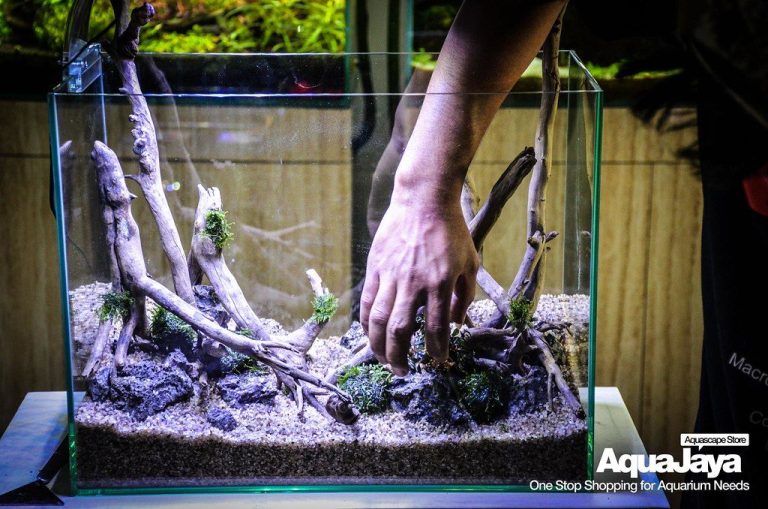
Once the old substrate is out and the tank bottom is clean, begin adding your new aquasoil. You can use a substrate shovel or your hands to create the desired slopes and contours. Add about 1-2 inches of water carefully to prevent the new substrate from clouding too much, then begin replanting.
When replanting, it’s easier to position plants in a shallow layer of water. Once plants are in place, you can slowly fill the tank, using a plate or plastic bag on the substrate to diffuse the incoming water and prevent disturbance.
Re-establishing Your Aquarium
After refilling, reintroduce your filter media and heater. Acclimate your fish and shrimp back to the tank gradually, just as you would with new arrivals. Be prepared for a mini-cycle, as the beneficial bacteria in your substrate will be significantly reduced. Monitor water parameters closely (ammonia, nitrite, nitrate) and perform frequent, small water changes.
Consider using a bacterial starter product to help speed up the cycling process. It will take time for your tank to fully re-establish its biological balance and for your plants to settle in and start growing vigorously again.
Extending the Life of Your Aquasoil
While aquasoil replacement is sometimes inevitable, there are practices that can help prolong its effectiveness:
- Regular, Moderate Water Changes: This helps prevent the buildup of excess nutrients that can saturate the aquasoil.
- Root Tabs: Supplementing with root tabs can deliver nutrients directly to plant roots, reducing the reliance on the aquasoil’s diminishing nutrient stores.
- Gentle Substrate Maintenance: Avoid aggressive gravel vacuuming, which can break down aquasoil granules faster.
- Appropriate Stocking Levels: Overstocking leads to more waste, which can contribute to faster substrate degradation and compaction.
- Good Flow: Help adequate water circulation throughout the tank, including at the substrate level, to prevent stagnant, anaerobic zones.
Practical notes
- Most planted tanks do well with 6–8 hours of light per day; longer photoperiods usually just grow more algae.
- Trim stem plants above a node and replant the tops for denser growth.
- Change one variable at a time (light, CO2 or fertiliser) and wait two weeks to judge the result.
- Root feeders such as swords, crypts and vallisneria need root tabs or a nutrient-rich substrate, not only liquid fertiliser.
Common questions About Aquasoil Replacement
How often should I replace my aquasoil?
There’s no fixed schedule, but generally, aquasoil lasts between 2 to 5 years. The exact duration depends on the specific product, your tank’s plant density, nutrient load, water parameters, and maintenance routine. Look for the signs of decline rather than a calendar date.
Can I mix old aquasoil with new aquasoil?
While technically possible, it’s generally not recommended for a full replacement. Mixing old, depleted aquasoil with new can dilute the benefits of the fresh substrate and potentially introduce old problems. If you’re doing a complete overhaul, it’s best to remove as much of the old substrate as possible.
What happens if I don’t replace my aquasoil?
If depleted aquasoil isn’t replaced, you’ll likely experience persistent issues like stunted plant growth, nutrient deficiencies, increased algae, poor water quality, and potentially the formation of harmful anaerobic pockets that can release toxic hydrogen sulfide gas. Your aquatic ecosystem will suffer.
Do all planted tank substrates need to be replaced?
No. Inert substrates like sand or gravel don’t chemically degrade or deplete like aquasoil. They may need occasional deep cleaning to prevent detritus buildup, but they don’t lose nutrient-holding or buffering capacity because they never had it in the first place. Only active substrates like aquasoil or nutrient-rich soils require eventual replacement.
Is it possible to add new aquasoil on top of old aquasoil?
While some hobbyists do this, it’s not ideal. Adding a thin layer of new aquasoil on top might provide a temporary nutrient boost for shallow-rooted plants, but it won’t address underlying issues like deep substrate compaction or severe anaerobic pockets in the older layers. It’s often a short-term fix that can lead to more problems down the line.
Where that leaves you
Knowing when to replace aquasoil is a key skill for any dedicated aquascaper or planted tank enthusiast. It’s not about adherence to a strict timeline, but rather a keen observation of your aquarium’s health and the performance of your aquatic plants.
Once you understand the signs of depletion—from declining plant vitality and substrate compaction to persistent algae and the dreaded rotten egg smell—you can proactively maintain a well-kept aquatic environment. While the replacement process can seem daunting, with careful planning, it’s a manageable task that will rejuvenate your planted tank and ensure its long-term success. Your plants, fish, and shrimp will thank you for providing them with a healthy, nutrient-rich foundation.

- 2003First tank
- 20+Years keeping
- 40+Tanks kept
- 0Sponsored picks
Howard set up his first 10-gallon planted tank in 2003 and lost half of it within six weeks. Two decades and more than forty aquariums later, he writes the guides he wished he had then: clear numbers, the reasons behind them, and what actually goes wrong in home tanks.