Brooklynella Quarantine – Step-by-Step Protocol
Brooklynella quarantine is a specialized isolation process designed to identify and eliminate Brooklynella hostilis. It involves using formalin baths, freshwater dips, or metronidazole over 4–6 weeks to help this deadly parasite does not enter your main display tank.
If you have ever kept clownfish, you likely know the gut-wrenching feeling of seeing a healthy fish suddenly covered in a thick, white mucus. This is often the first sign of Brooklynella hostilis, a parasite so aggressive it can wipe out an entire tank in days.
Implementing a strict Brooklynella quarantine protocol is the only way to ensure your new arrivals don’t bring this “clownfish disease” into your established ecosystem. In my ten years of reef keeping, I have learned that skipping this step is the most expensive mistake a hobbyist can make.
In this guide, we will walk through the exact steps to set up a quarantine tank, the chemical treatments that actually work, and how to spot the subtle early signs of infection.
Understanding the Threat of Brooklynella Hostilis
Before we look at the setup, we must understand what we are fighting. Brooklynella hostilis is a ciliate protozoan that primarily attacks the gills and skin of marine fish.
While it is famously associated with the Amphiprioninae subfamily (clownfish), it is not picky. I have seen it devastate tangs, angelfish, and even blennies when left unchecked.
Unlike Marine Ich, which can linger for weeks, Brooklynella moves with terrifying speed. It reproduces directly on the fish, meaning the population can explode overnight, leading to slime coat hyper-production as the fish tries desperately to protect itself.
Brooklynella vs. Uronema Marinum
It is often confused with Uronema marinum, another deadly ciliate. However, Brooklynella usually presents with a distinct “peeling” of the skin and heavy mucus, whereas Uronema often shows as red, open sores.
Both require immediate intervention, but the Brooklynella quarantine process is specifically tailored to disrupt the rapid reproductive cycle of B. hostilis. Understanding this distinction helps you choose the right medication from day one.
In my experience, if you see a fish gasping at the surface with trailing white strings of mucus, you must act within hours, not days. The parasite causes massive tissue damage and respiratory failure as it clogs the delicate gill filaments.
Pro Tip: Always keep a small bottle of 37% Formalin or a dedicated Metronidazole powder on hand. By the time you notice symptoms and order them online, it is often too late for the infected fish.
Essential Steps for a Successful Brooklynella Quarantine
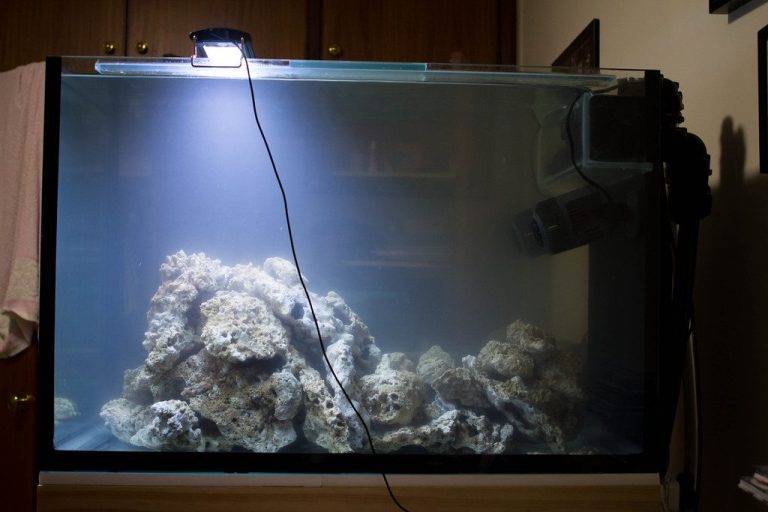
Setting up a dedicated space for your Brooklynella quarantine does not have to be expensive or complicated. In fact, a simpler setup is often better because it is easier to clean and disinfect between batches of fish.
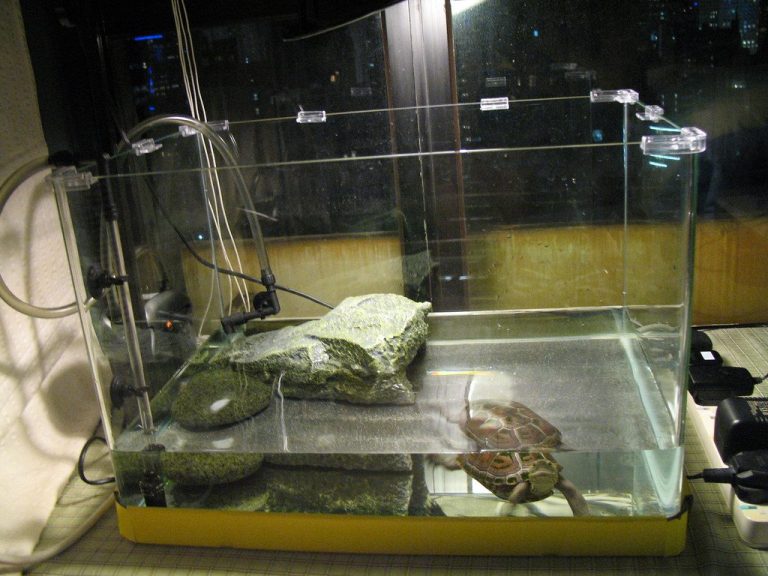
You want a “bare-bottom” tank, which means no sand or crushed coral. Substrate can absorb medications like copper or formalin, making it impossible to maintain a therapeutic dosage.
I’ve noticed that using a simple sponge filter that has been seeded in your main sump is the best way to maintain biological stability. Just keep in mind that once that sponge is used in a treatment tank, it should never go back to your display.
| Equipment Item | Purpose in Quarantine | Expert Recommendation |
|---|---|---|
| 10-20 Gallon Tank | Provides a controlled environment for observation. | Standard glass tanks are easiest to sterilize. |
| PVC Pipe Sections | Offers hiding spots without absorbing chemicals. | Use 2-inch and 3-inch “T” or “L” joints. |
| Heater & Thermometer | Maintains stable metabolic rates for the fish. | Always use a guard to prevent fish burns. |
| Air Stone & Pump | Helps keep high oxygenation, especially during medication. | Vital when using Formalin, which depletes oxygen. |
Maintaining Water Quality During Treatment
Water quality in a small quarantine tank can degrade rapidly. When you are performing a Brooklynella quarantine, you are often feeding less and medicating more, which stresses the biological filter.
I recommend performing 25% water changes every few days. This keeps ammonia in check and also physically removes some of the free-swimming parasites from the water column.
Always match the salinity and temperature of the new water exactly. Sudden changes can cause osmotic shock, further weakening a fish that is already fighting off a parasitic invasion.
The Treatment Protocol: Formalin and Metronidazole
When it comes to treating Brooklynella, Formalin is the gold standard. It is a solution of formaldehyde gas in water, and it is incredibly effective at killing ciliates on contact.
However, it is also quite toxic. You must use it with extreme caution and make sure the room is well-ventilated. In my early years, I once made the mistake of medicating in a small, unvented closet and quickly learned how irritating the fumes can be.
The most common method is a “Formalin Bath.” This involves placing the fish in a separate container with a high concentration of the chemical for 45 to 60 minutes before moving them back to the clean quarantine tank.
The Role of the Freshwater Dip
A freshwater dip is often the first line of defense. While it won’t cure the infection entirely, it provides immediate relief by causing the parasites to burst due to the sudden change in osmotic pressure.
To do this properly, use dechlorinated freshwater (RO/DI is best) that is heated to the exact temperature of the quarantine tank. You must also buffer the pH to match the saltwater, usually around 8.1 to 8.4.
Place the fish in the dip for 3 to 5 minutes. Watch them closely; if they stop moving or begin to roll over, remove them immediately. This step buys the fish time until the primary medication can take effect.
Pro Tip: When performing a freshwater dip, use a dark-colored bucket. It makes it much easier to see the white, translucent parasites as they fall off the fish and settle at the bottom.
Using Metronidazole for Sensitive Species
If you are dealing with very small or sensitive fish that might not handle formalin well, Metronidazole is a safer alternative. It can be dosed directly into the water or bound to food using a specialized binder.
While Metronidazole is effective, it often takes longer to work than formalin. In a high-stakes Brooklynella quarantine scenario, speed is everything, so many experts use a combination of both treatments.
I have found that dosing Metronidazole every 48 hours for a total of three doses is a solid prophylactic measure for new arrivals that show no symptoms but are known carriers, like wild-caught clownfish.
Symptom Checklist: Is Your Fish Infected?
During the first week of your Brooklynella quarantine, you should observe your fish several times a day. The symptoms of Brooklynella often appear in a specific sequence.
Early detection is the difference between a 100% recovery rate and losing every fish in the tank. Look for behavioral changes first, followed by physical manifestations.
| Stage | Behavioral Signs | Physical Signs |
|---|---|---|
| Early Stage | Lethargy, staying near the surface or powerheads. | Slightly rapid breathing, clamping of fins. |
| Advanced Stage | Loss of appetite, flashing (rubbing against objects). | Thick white mucus, skin peeling, cloudy eyes. |
| Critical Stage | Inability to stay upright, gasping at the surface. | Severe skin sloughing, secondary bacterial infections. |
The Myths and Realities of Hyposalinity
Many hobbyists ask if hyposalinity (lowering the salt level) can cure Brooklynella. While hyposalinity is a fantastic tool for treating Marine Ich (Cryptocaryon irritans), it is largely ineffective against Brooklynella.
Brooklynella hostilis is remarkably resilient to low salinity. Relying on this method alone during your Brooklynella quarantine will give the parasite more time to multiply while you wait for results that won’t come.
I recommend keeping your quarantine tank at a standard salinity of 1.020 to 1.025 unless you are specifically targeting Ich. Maintaining a stable environment allows the fish to use its energy for healing rather than osmoregulation.
Preventing Cross-Contamination
One of the most common ways this parasite spreads is through “aerosolization” or shared equipment. If your quarantine tank is within a few feet of your display tank, tiny droplets of water can travel through the air.
I’ve noticed that many hobbyists are careful with their hands but forget about nets, thermometers, and feeding cups. Each tank should have its own dedicated set of tools that never touch another system.
If you must share a tool, it must be soaked in a bleach solution and rinsed thoroughly with a dechlorinator. During a Brooklynella quarantine, treat every drop of water in the isolation tank as if it is “hot” with parasites.
Quick checklist
- Seed the quarantine filter from your main tank or keep a spare sponge running in the display so the QT starts cycled.
- Copper treatments work against many marine parasites but are deadly to invertebrates and must be measured with a copper test kit.
- Keep a written log of dates, doses and symptoms while a fish is in quarantine.
- Watch new arrivals for clamped fins, rapid breathing, white spots and flashing before they ever join the main tank.
FAQ
How long should a Brooklynella quarantine last?
A standard quarantine should last at least 4 to 6 weeks. While the parasite’s life cycle is fast, you need this time to help no other latent diseases, like Marine Velvet, are present.
Can Brooklynella live in a tank without fish?
Yes, but not for long. Without a host to feed on, the parasite typically dies off within 3 to 4 weeks. If your display tank was infected, leaving it “fallow” (fishless) for 6 weeks is the safest way to clear it.
Is Brooklynella the same as Ich?
No. They are both parasites, but they belong to different groups. Brooklynella is a ciliate that lives primarily on the skin surface, while Ich burrows deeper into the tissue, making it harder to reach with short baths.
Can I use copper to treat Brooklynella?
Copper is not the preferred treatment for Brooklynella. While it may have some minor impact, it is far less effective than Formalin or Metronidazole. Using copper alone often leads to treatment failure with this specific parasite.
Conclusion: The Value of Patience
The Brooklynella quarantine process might feel like a lot of extra work, especially when you are excited to see your new fish in your reef tank. However, the peace of mind it provides is invaluable.
If you take the time to observe your fish in a controlled environment and applying prophylactic treatments like Metronidazole or Formalin baths, you are acting as a responsible steward of your aquatic life.
In my experience, the most successful aquarists aren’t the ones with the most expensive gear; they are the ones with the most patience. Protect your investment, protect your fish, and always make sure that quarantine tank ready.
Every fish you save through proper quarantine is a victory for the hobby. Stay diligent, watch for that tell-tale slime coat, and never be afraid to act quickly when you spot a problem.

- 2003First tank
- 20+Years keeping
- 40+Tanks kept
- 0Sponsored picks
Howard set up his first 10-gallon planted tank in 2003 and lost half of it within six weeks. Two decades and more than forty aquariums later, he writes the guides he wished he had then: clear numbers, the reasons behind them, and what actually goes wrong in home tanks.