Can You Plant Golden Moneyworts In Rocks? Unlock Vibrant Growth
Yes, you can absolutely plant golden moneyworts in rocks, and it’s an excellent way to create dynamic aquascapes. By utilizing safe aquatic adhesives or tucking stems into natural crevices, these versatile plants can stay healthy and add a beautiful splash of color to your hardscape with proper care.
Welcome to “Successful Aquarium,” where we help you build stable aquatic environments. Today, we’re diving into a common question for aquascapers and plant enthusiasts: can you plant golden moneyworts in rocks?
Golden moneywort, scientifically known as Lysimachia nummularia ‘Aurea’, is a popular and relatively easy-to-care-for aquatic plant. Its rich chartreuse to golden-yellow foliage can add a dazzling contrast to any aquarium. While typically known for being planted in substrate, its adaptability opens up exciting possibilities for hardscape integration.
In my experience, learning to work with plants like golden moneywort in unconventional ways improves an aquascape. This guide will walk you through everything you need to know about successfully anchoring this beautiful plant to your aquarium rocks, making sure it flourishes and boosts your underwater landscape.
Understanding Golden Moneywort: A Versatile Aquatic Plant
Before we look at attachment methods, let’s understand what makes golden moneywort so special. This plant is a true aquatic chameleon, capable of growing both submerged and emersed.
It’s primarily a stem plant, meaning it grows vertically from a central stem with leaves branching off. Unlike some root feeders, golden moneywort is also adept at absorbing nutrients directly from the water column, making it less dependent on a rich substrate.
Growth Habits and Root Structure
Golden moneywort has a relatively delicate but tenacious root system when given the chance to anchor. When planted in substrate, it develops roots that spread and help it absorb nutrients.
However, when free-floating or attached to hardscape, it can develop adventitious root development from its nodes. These roots seek out surfaces to cling to, providing stability and some nutrient uptake.
This adaptability is precisely what makes it a fantastic candidate for attaching to rocks. The plant’s ability to pull nutrients from the water column also means it doesn’t strictly require a nutrient-rich substrate to stay healthy.
Why Plant Golden Moneyworts in Rocks? The Aquascaping Advantage
The decision to plant golden moneyworts in rocks isn’t just about answering the question of “can you.” It’s about opening up creative potential and achieving specific aesthetic and practical benefits in your aquascape.
Integrating plants directly onto hardscape elements like rocks can dramatically change the look and feel of your tank. It allows for a more natural, overgrown appearance, mimicking how plants might colonize rocks in a natural stream or riverbed.
Aesthetic Appeal and Design Flexibility
Attaching golden moneywort to an inert rock substrate allows you to add splashes of vivid color exactly where you want them. Imagine a dark lava rock adorned with a cascade of bright yellow-green moneywort!
This technique is particularly useful for foreground or midground accents, creating depth and visual interest. It can soften harsh rock edges and provide a easy transition between different aquascaping elements.
Creating Natural-Looking Aquascapes
One of the hallmarks of a beautiful aquascape is its ability to look like a slice of nature. Plants growing directly on rocks contribute significantly to this illusion.
It helps break up monotonous rock formations and provides hiding spots for smaller fish and invertebrates. The contrast between the rugged texture of the rock and the delicate foliage of the moneywort is visually eye-catching.
Pro Tip: Consider the ‘Golden Ratio’ in Aquascaping
When attaching plants to rocks, think about the rule of thirds or the golden ratio. Avoid placing plants symmetrically. Instead, aim for an asymmetrical, natural look. Clump them in odd numbers (e.g., three small bunches) or along one side of a larger rock to create visual balance and interest, rather than a forced, artificial arrangement.
Preparing for Attachment: Golden Moneywort and Your Hardscape
Proper preparation is key to ensuring your golden moneywort stays healthy once attached. This involves both the plant material and the rocks you intend to use.
Selecting and Preparing Your Rocks
First, ensure your rocks are aquarium-safe. Most rocks found in nature are fine, but it’s essential to avoid those that might leach harmful minerals or significantly alter water parameters. Granite, lava rock, slate, and inert river stones are generally safe choices.
Always clean new rocks thoroughly. Scrub them with a brush under running water to remove any dirt, dust, or potential contaminants. Avoid using soaps or detergents, as these can be toxic to aquarium inhabitants.
Preparing Your Golden Moneywort Cuttings
When you acquire golden moneywort, it will likely come as individual stems. If you’re using a potted plant, gently remove it from the pot and separate the stems.
Trim off any yellowing or damaged leaves. You’ll want healthy, sturdy stems for attachment. For longer stems, you can cut them into smaller sections, making sure each section has at least 3-4 nodes (points where leaves and roots emerge).
In my early days, I often tried to attach entire long stems, which resulted in them easily coming loose. Shorter, healthier cuttings are far more manageable and have a better success rate for aquatic plant anchoring techniques.
Aquatic Plant Anchoring Techniques: How to Attach Golden Moneywort to Rocks
Now for the practical part: getting your golden moneywort to stay put. There are a few effective methods, each with its own advantages.
Method 1: Using Cyanoacrylate Adhesive (Super Glue)
This is by far the most popular and effective method for attaching many types of aquatic plants, including golden moneywort, to hardscape. Look for gel-based cyanoacrylate adhesive, often sold as “super glue gel” or “aquascaping glue.” Help it states “fish safe” or “reef safe” if possible, though standard cyanoacrylate is generally considered safe once cured.
To use, apply a small dab of glue to the base of your golden moneywort cutting, near a node. Then, press the glued section firmly against the desired spot on your rock. Hold it for about 10-20 seconds until it feels secure. The glue cures almost instantly when it comes into contact with water, so you can even do this underwater if needed, though it’s easier to do outside the tank.
Common Mistake: Too Much Glue
A common pitfall is using too much cyanoacrylate adhesive. A tiny dab is all you need. Excess glue can create an unsightly white residue and doesn’t improve adhesion. It’s better to use a small amount, let it cure, and then reapply a tiny bit more if needed, than to start with a large blob.
Method 2: Tucking into Hardscape Crevices
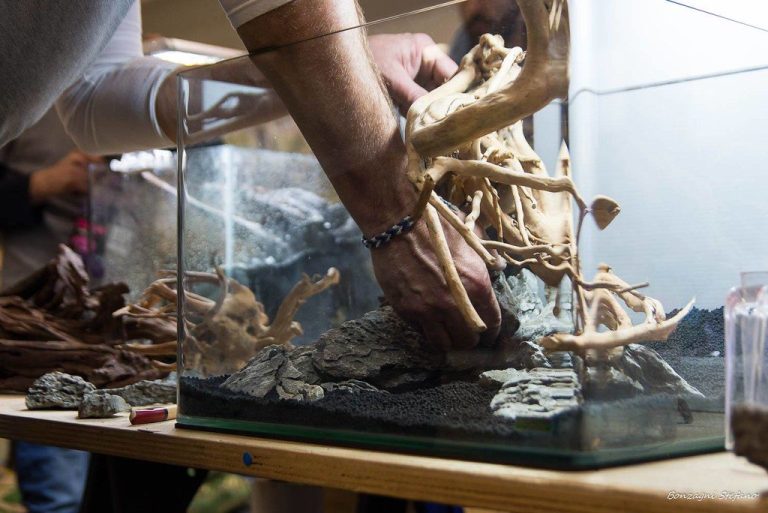
Nature provides its own anchoring solutions. If your rocks have natural cracks, holes, or rough textures, you can often tuck golden moneywort stems directly into these hardscape crevices.
Gently push the base of a stem cutting into a crevice. The goal is to get it snug enough that it won’t float away. Over time, the plant’s natural adventitious root development will help it grip the rock more securely. This method is excellent for a natural look, as it requires no artificial aids.
Method 3: Using Thread or Fishing Line (Less Common for Moneywort)
While more commonly used for mosses or anubias, you can technically tie golden moneywort to rocks using thin cotton thread or fishing line. Wrap the thread around the base of the plant and then around the rock, tying it off securely.
The downside is that thread can be visible, and it’s more time-consuming for a plant with many individual stems like moneywort. It’s generally less practical than glue or tucking for this specific plant, but an option if you prefer to avoid adhesives.
Ideal Conditions for Golden Moneywort Attached to Rocks
Once your golden moneywort is securely attached, providing the right environmental conditions is the top priority for its long-term health and bright growth. Even attached plants need proper care.
Lighting Requirements
Golden moneywort is not particularly demanding when it comes to light, making it suitable for a range of setups. It can settle in under moderate lighting, where it will display its characteristic golden hue.
Under higher light, its colors can become even more intense, but it will also grow faster and potentially require more nutrients and CO2. Help the light penetrates to where your moneywort is attached, especially if it’s placed lower in the tank.
Nutrient Uptake and Fertilization
Since golden moneywort is attached to rocks and often doesn’t have direct access to a rich substrate, its primary source of nutrition will be the water column. This makes regular water column fertilization vital.
I’ve noticed that a comprehensive liquid fertilizer containing macro and micronutrients works best. Pay attention to signs of deficiency, such as yellowing leaves or stunted growth, which might indicate a need for more iron or other trace elements.
Be mindful of nutrient lockout, where an imbalance of one nutrient can prevent the uptake of others. Consistent dosing and regular water changes help prevent this.
For more detailed information on balancing plant nutrients, you might find our article on root feeding vs water column dosing helpful.
CO2 Supplementation and Water Parameters
While not strictly necessary, CO2 supplementation will significantly boost golden moneywort’s growth rate and vibrancy. If you’re running a high-tech tank with injected CO2, your moneywort will absolutely flourish, exhibiting strong growth and healthy pearling.
For those interested in optimizing CO2 delivery, exploring options like a CO2 reactor vs diffuser can make a big difference. Even without CO2, it will still grow, albeit slower.
Maintaining stable water parameters is also vital. Golden moneywort is quite adaptable, but consistency is key. Here’s a general guideline for right conditions:
| Parameter | Ideal Range for Golden Moneywort |
|---|---|
| Temperature | 68-82°F (20-28°C) |
| pH | 6.0-7.5 |
| GH (General Hardness) | 3-8 dGH (50-150 ppm) |
| KH (Carbonate Hardness) | 3-8 dKH (50-150 ppm) |
| Lighting | Moderate to High (20-50 PAR) |
| CO2 (Optional) | 0-30 ppm (required for high growth) |
Maintenance and Troubleshooting for Attached Golden Moneywort
Even with best conditions, a little ongoing care and attention will keep your golden moneywort looking its best. Being a submerged stem plant, it will continue to grow, requiring periodic trimming.
Trimming and Re-attaching
As your golden moneywort grows, it will eventually become bushy and long. Regular trimming is essential to maintain its shape and prevent it from shading other plants. Simply snip off the tops of the stems at your desired length.
The trimmed tops can then be replanted in the substrate or, if you desire more growth on your rocks, re-attached using the methods described earlier. This is a great way to propagate and expand your moneywort display.
Addressing Common Issues
Like all aquatic plants, golden moneywort can face challenges. Keep an eye out for signs of distress:
- Melting or Yellowing Leaves: This often indicates a nutrient deficiency (especially iron or nitrates) or insufficient lighting. Test your water parameters and adjust your fertilization regime. It could also be a sign of aquarium plant nutrient lockout.
- Algae Growth on Leaves: Too much light, too few nutrients, or an imbalance can lead to algae. Reduce light intensity or duration, increase nutrient dosing, and help good water circulation.
- Detached Stems: If stems come loose, simply re-attach them using super glue. This is a common occurrence, especially with new attachments, and easily remedied.
Observing your plants closely is the best way to catch problems early. Healthy growth, often indicated by new shoots and bright color, signifies a happy plant.
Integrating Golden Moneywort into Your Aquascape Design
Successfully attaching golden moneywort to rocks opens up a world of aquascaping possibilities. Think beyond just a single plant; consider how it interacts with other elements.
Placement and Visual Flow
Use golden moneywort to highlight specific areas of your hardscape. Place it along the contours of a rock to emphasize its shape, or in a cluster to create a focal point. Its bright color makes it an excellent contrast plant against darker rocks or green background plants.
Consider its growth habit: it will trail and spread, so give it space. You can use it to create a “riverbed” effect by having it flow over a series of small, strategically placed rocks.
Compatibility with Other Plants and Livestock
Golden moneywort is peaceful and compatible with most aquarium inhabitants. Its dense growth can provide shelter for small fish, shrimp, and fry.
Pair it with other low-to-moderate light plants like Anubias, Java Fern, or various mosses for a peaceful look. For a high-tech tank, it can complement faster-growing stem plants, creating a dynamic multi-layered aquascape.
Practical notes
- Most planted tanks do well with 6–8 hours of light per day; longer photoperiods usually just grow more algae.
- Trim stem plants above a node and replant the tops for denser growth.
- Change one variable at a time (light, CO2 or fertiliser) and wait two weeks to judge the result.
- Root feeders such as swords, crypts and vallisneria need root tabs or a nutrient-rich substrate, not only liquid fertiliser.
Common questions About Planting Golden Moneyworts in Rocks
Let’s address some common queries to ensure you have all the information you need.
Can golden moneywort grow without substrate?
Yes, absolutely! Golden moneywort is highly adaptable. As a submerged aquarium plant, it can absorb nutrients directly from the water column through its leaves and stems. Its ability for adventitious root development allows it to anchor to hardscape without needing to be rooted in a traditional substrate.
How do I attach golden moneywort to driftwood instead of rocks?
The process for attaching golden moneywort to driftwood is identical to attaching it to rocks. You can use cyanoacrylate adhesive (super glue gel) or tuck stems into natural crevices and cracks in the wood. Keep the driftwood is also aquarium-safe and well-cured before use.
What if my golden moneywort comes loose from the rock?
If a stem comes loose, don’t worry. This is a minor setback and easily fixed. Simply remove the detached stem from the tank, re-apply a small dab of cyanoacrylate adhesive to its base, and re-attach it firmly to the rock. Hold it in place for a few seconds until the glue cures.
Does golden moneywort need CO2?
While golden moneywort will grow without CO2 supplementation, providing it will significantly bring out its growth rate, health, and colorful coloration. In a low-tech setup, it will grow slower but still settle in, especially with adequate lighting and liquid fertilization. For dense growth and healthy aquarium plant pearling, CO2 is highly recommended.
What kind of lighting does golden moneywort prefer?
Golden moneywort is quite flexible with lighting. It does well in moderate light, where it maintains its golden hue. Under higher light conditions, its growth will be more vigorous, and its coloration may intensify, but you’ll also need to keep sufficient nutrients and potentially CO2 to prevent algae issues.
Conclusion: Embrace the Versatility of Golden Moneywort
So, can you plant golden moneyworts in rocks? The answer is a resounding yes. This adaptable and beautiful plant offers incredible versatility for aquascapers looking to create natural, bright, and dynamic underwater landscapes.
Once you understand its growth habits, utilizing effective aquatic plant anchoring techniques like cyanoacrylate adhesive or tucking into hardscape crevices, and providing consistent care through water column fertilization and stable parameters, you can achieve beautiful results.
Don’t be afraid to experiment with placement and design. Golden moneywort’s bright golden-green foliage will undoubtedly become a highlight in your aquarium, creating a dense and inviting environment for your fish and shrimp.

- 2003First tank
- 20+Years keeping
- 40+Tanks kept
- 0Sponsored picks
Howard set up his first 10-gallon planted tank in 2003 and lost half of it within six weeks. Two decades and more than forty aquariums later, he writes the guides he wished he had then: clear numbers, the reasons behind them, and what actually goes wrong in home tanks.