Root Feeding Vs Water Column Dosing – Mastering Aquarium Plant
Root feeding targets substrate-heavy plants via specialized tabs, while water column dosing provides immediate, bioavailable nutrients for stems and epiphytes. Combining both helps keep a balanced, well-kept ecosystem for all your aquarium flora.
Understanding how to nourish your aquatic plants is the single most significant step toward transitioning from a beginner to a successful planted tank keeper. It is easy to get overwhelmed by the vast array of fertilizers on the market, but the core of the issue boils down to one fundamental choice: where should the nutrients be delivered?
In my experience, thinking of your tank as having two distinct feeding zones—the substrate and the open water—is the best way to help long-term plant health. Plants have evolved different strategies to survive, and by mimicking these natural processes, you create a much more stable environment.
Defining the Two Primary Nutrient Delivery Methods
At its simplest, root feeding involves placing fertilizer tabs or capsules directly into the substrate. This method focuses on the rhizosphere, the area around the roots where plants like Cryptocoryne and Echinodorus species actively scavenge for minerals.
Water column dosing, on the other hand, involves adding liquid fertilizers to the tank water. This supports plants that primarily pull nutrients through their leaves, such as stem plants or floating vegetation, through a process known as foliar absorption.
Why the distinction matters
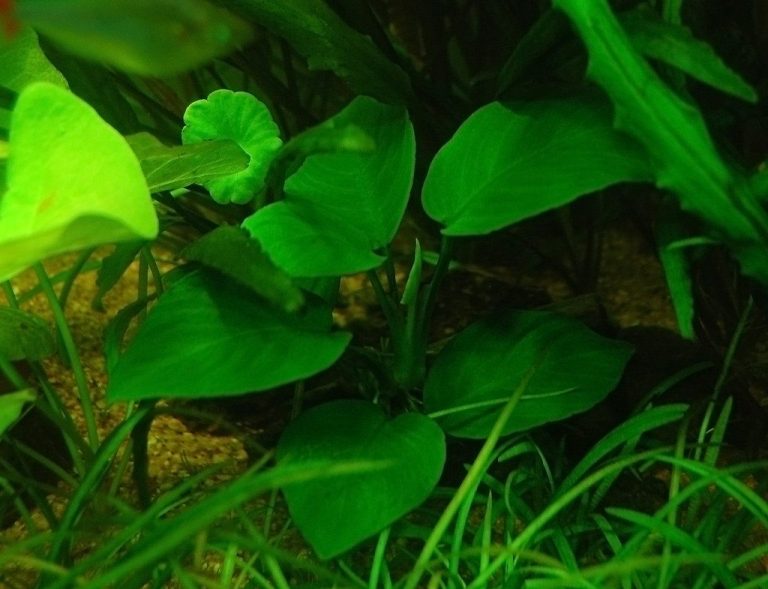
Some plants are “heavy root feeders,” meaning they possess complex root systems designed to mine the soil for nutrients. If you only provide liquid fertilizers to these species, they may struggle to settle in, leading to yellowing leaves or stunted growth. Conversely, epiphytes like Anubias or Java Fern have no true root system for nutrient uptake; they rely entirely on epiphytic uptake from the water column.
| Feature | Root Feeding | Water Column Dosing |
|---|---|---|
| Primary Target | Roots/Substrate | Leaves/Stems |
| Best For | Crypts, Swords, Sagittaria | Stem plants, Mosses, Epiphytes |
| Longevity | Slow release (weeks/months) | Immediate availability |
The Science of Substrate Mineralization
The effectiveness of root feeding is heavily dependent on your substrate. If you are using inert sand or gravel, root tabs are an absolute necessity because those materials have a low cation exchange capacity.
When you push a root tab into the substrate, the nutrients slowly leach into the surrounding area, creating a localized reservoir. This is incredibly efficient because it minimizes the amount of fertilizer floating in the water, which helps prevent algae outbreaks.
Pro Tip: When inserting root tabs, use a pair of long aquascaping tweezers to push the tab at least two inches deep. If the tab sits too close to the surface, the nutrients will quickly leak into the water column, potentially causing an algae bloom on your glass.
Optimizing Water Column Dosing
Water column dosing is the backbone of the Estimative Index approach, which makes sure plants never run out of essential elements. This method is brilliant because it provides a consistent supply of macro-nutrients like nitrogen, phosphorus, and potassium, as well as essential micronutrients like chelated iron.
I have noticed that even in tanks with rich soil, liquid dosing is a vital safety net. It allows for quick adjustments; if you see a deficiency in new growth, you can increase your liquid dose immediately. You don’t have to wait for the roots to process the change.
Nutrient Translocation: How Plants Move Food
One of the most remarkable aspects of botany is nutrient translocation. Many plants are capable of moving nutrients from their roots to their leaves, and sometimes even vice versa.
If you have a nutrient-rich substrate, your heavy root feeders will often pull nutrients up to support their foliage. This is why even if you stop dosing the water column for a week, your plants might continue to look healthy. However, relying solely on this is risky, as it can deplete the substrate over time.
Creating a Balanced Feeding Strategy
For the most rich aquariums, I always recommend a hybrid approach. Start by ensuring your substrate is enriched with high-quality root tabs for your centerpiece plants. Then, supplement with a lean or comprehensive liquid fertilizer for your mid-ground and background stem plants.
Common Mistake: Many hobbyists overdose liquid fertilizers in an attempt to help a struggling root-feeder. This rarely works and usually just feeds the algae. If a specific plant is failing, check the root zone first—it’s almost always a substrate issue.
Practical notes
- Add plants before fish in a new tank; they start using ammonia and nitrate right away.
- Remove melting or dead leaves promptly so they do not break down into ammonia.
- Yellowing older leaves often point to nitrogen or potassium shortage; yellowing new leaves usually point to iron.
- Epiphytes like java fern and anubias should be tied to rock or wood; burying the rhizome rots it.
Frequently asked questions
How often should I replace root tabs?
Most commercial root tabs last between two to four months, depending on the plant density and water flow. I personally mark my calendar to refresh them every three months.
Does water column dosing cause algae?
It is a common misconception that fertilizers cause algae. In reality, algae is usually caused by an imbalance between light, CO2, and nutrients. If your plants are healthy and growing, they will outcompete algae for the available nutrients.
Can I skip root feeding if I have dirted tanks?
If you used a nutrient-rich organic soil or an aquasoil with a high cation exchange capacity, you may not need root tabs for the first six to twelve months. Eventually, however, even the best soils become depleted and will require supplementation.
My final take
The debate of root feeding vs water column dosing is not about choosing one over the other—it is about understanding the biological needs of your specific plant species. If you provide a stable foundation in the substrate and a consistent, available supply in the water column, you are giving your plants the best possible environment to do well.
Don’t be afraid to experiment with your dosing routine. Watch your plants closely; they will tell you exactly what they need through their color, growth rate, and overall vitality. With time and observation, you will find the “sweet spot” that turns your aquarium into a dense, well-kept underwater garden.

- 2003First tank
- 20+Years keeping
- 40+Tanks kept
- 0Sponsored picks
Howard set up his first 10-gallon planted tank in 2003 and lost half of it within six weeks. Two decades and more than forty aquariums later, he writes the guides he wished he had then: clear numbers, the reasons behind them, and what actually goes wrong in home tanks.