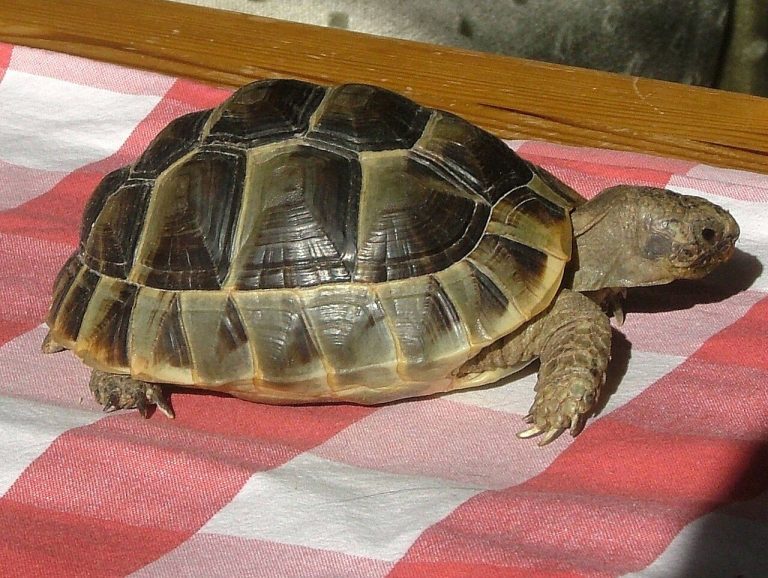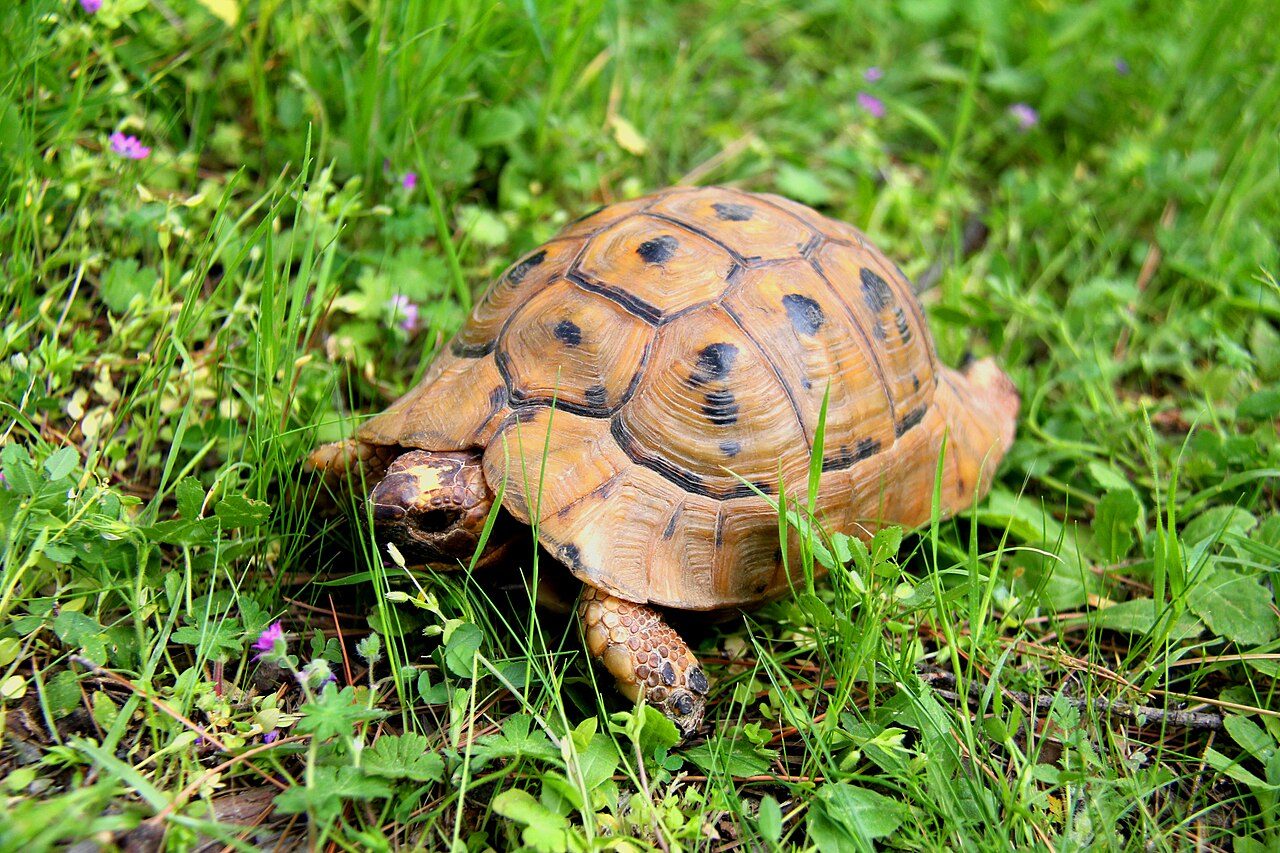
How Long Do Tortoises Sleep – And What It Means For Their Health
Tortoises typically sleep for 10 to 14 hours daily, though this varies significantly based on age, species, environmental temperature, and seasonal shifts like brumation.
Understanding the sleep patterns of your shelled companion is a fundamental part of responsible exotic pet care. Much like maintaining precise water parameters for a sensitive long-living aquatic species, managing a tortoise requires attention to their internal clock and environmental stressors.
Because they are ectothermic, their activity levels are directly tied to their surroundings. If you have ever wondered how long do tortoises sleep, the answer is rarely a simple number; it is a complex interplay of biology and habitat.
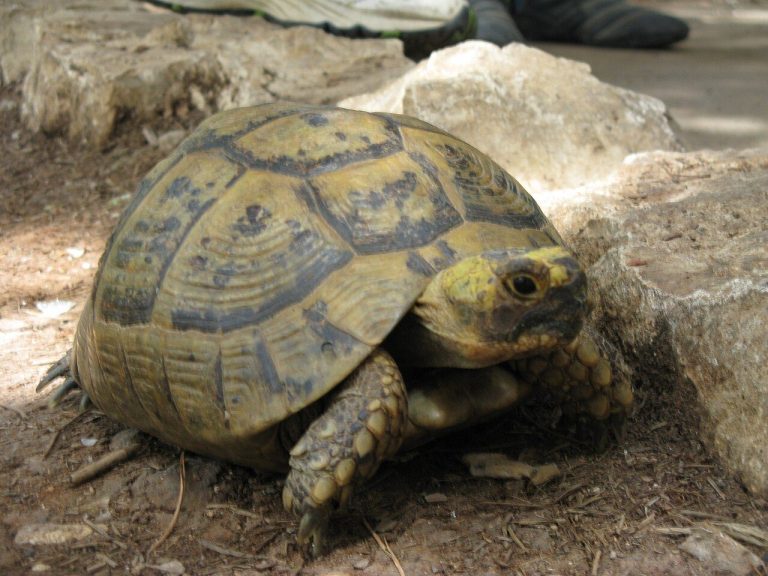
At a glance: Tortoises (general) (Family Testudinidae)
- Temperature
- Basking 90–100°F by species
- Adult size
- 4–30 in shell by species
- Enclosure
- Large enclosure or outdoor pen
- Group size
- Usually alone
- Temperament
- Docile
- Diet
- Herbivores: weeds, grasses, leafy greens
- Lifespan
- 40–100+ years
Keeper’s tip: UVB lighting and calcium are essential for healthy shell growth in indoor tortoises.
The Biology of Ectothermic Metabolism
At their core, tortoises are masters of energy conservation. Their ectothermic metabolism means they rely entirely on external heat sources to power their bodily functions.
When a tortoise is warm, its metabolism speeds up, allowing for digestion, movement, and foraging. Conversely, when the temperature drops, their system slows down to preserve energy, often resulting in longer periods of dormancy or sleep.
How Long Do Tortoises Sleep: Seasonal and Species Variations
When we look at the question of how long do tortoises sleep, we must consider the specific needs of the animal. A hatchling, for instance, will sleep significantly more than a mature adult as it directs all its energy toward rapid growth and shell development.
Species also play a major role in these cycles. Tropical species like the Chelonoidis carbonarius (Red-Footed Tortoise) do not undergo true hibernation, but they may slow down during cooler, drier months. Temperate species, however, engage in brumation—a state of metabolic depression that can last for months.
| Life Stage/Condition | Typical Sleep/Rest Duration |
|---|---|
| Hatchlings | 16–18 hours per day |
| Healthy Adults | 10–14 hours per day |
| Brumation (Seasonal) | Weeks to months (species dependent) |
Creating the Ideal Thermogradient
Your tortoise’s sleep quality is dictated by the quality of their enclosure. If a tortoise is constantly lethargic and sleeping “too much,” it is often a sign that their environment lacks a proper thermogradient.
You must provide a warm basking spot and a significantly cooler retreat area. If the entire enclosure is too cold, the tortoise will enter a state of forced lethargy rather than healthy, restorative rest.
Pro Tip: Always use a high-quality laser temperature gun to check your basking zone. If your tortoise is hiding 24/7, they might be cold-stressed, which is a leading cause of illness in captive chelonians.
The Role of Photoperiod and UVB Radiation
Light is the primary signal for a tortoise’s internal circadian rhythm. In the wild, the sun tells them when to wake, bask, and eventually return to their burrow to sleep.
In captivity, you must mimic these cycles using automated timers for your lighting. Lack of proper UVB radiation can lead to Metabolic Bone Disease, which drains the animal’s energy and often manifests as excessive sleeping or lack of appetite.
Recognizing Signs of Trouble
While knowing how long do tortoises sleep is useful, it is equally important to recognize when sleep crosses into illness. A tortoise that is difficult to wake, has swollen eyes, or exhibits wheezing while resting is not just sleeping—it is likely suffering from a respiratory infection.
Estivation is another phenomenon to watch for, where a tortoise buries itself to escape extreme heat or drought. If this behavior occurs in your enclosure, your humidity levels or temperature zones are likely inadequate.
Common Mistake: Many keepers confuse a lethargic, sick tortoise with one that is simply “sleeping a lot.” If your tortoise is unresponsive to food or tactile stimulation during its normal daylight hours, consult an exotic veterinarian immediately.
Essential Maintenance Checklist for Sleep Health
To make sure your tortoise maintains a healthy cycle, you need to monitor their habitat variables closely. Consistency is the secret to a well-kept chelonian.
- Photoperiod Management: Help 12-14 hours of light during the summer months.
- Humidity Control: Keep a consistent relative humidity based on the specific species’ needs.
- Substrate Depth: Provide enough loose, safe substrate for the animal to burrow if it feels vulnerable.
- Dietary Integrity: Feed high-fiber, calcium-rich greens to maintain energy levels.
Questions I get asked a lot
Is it normal for my tortoise to sleep all day?
If your tortoise is a hatchling, this is common. For an adult, sleeping all day often indicates an incorrect temperature gradient or a lack of proper UVB exposure.
Should I wake my tortoise up to feed it?
Generally, no. It is better to ensure the environment is warm enough that they wake up naturally to bask and forage. Waking them forcibly can cause unnecessary stress.
How do I know if my tortoise is brumating or just sick?
Brumation is a slow, seasonal process that happens as temperatures drop. Sickness often comes with symptoms like discharge from the nose or eyes, lethargy during the warm season, and weight loss.
Does humidity affect how long do tortoises sleep?
Yes. If the humidity is too low, some species will burrow and sleep to minimize water loss. Always check your hygrometer to make sure the environment matches the species’ natural habitat requirements.
Final thoughts
Understanding how long do tortoises sleep is more than a trivia question; it is a lens through which you can evaluate your pet’s overall health. If you provide a stable thermogradient, proper UVB, and a consistent light cycle, you allow your tortoise to express its natural behaviors.
Remember that like keeping delicate aquatic life, patience and observation are your best tools. Keep your enclosure parameters stable, monitor for behavioral changes, and your tortoise will settle in for years to come.

- 2003First tank
- 20+Years keeping
- 40+Tanks kept
- 0Sponsored picks
Howard set up his first 10-gallon planted tank in 2003 and lost half of it within six weeks. Two decades and more than forty aquariums later, he writes the guides he wished he had then: clear numbers, the reasons behind them, and what actually goes wrong in home tanks.