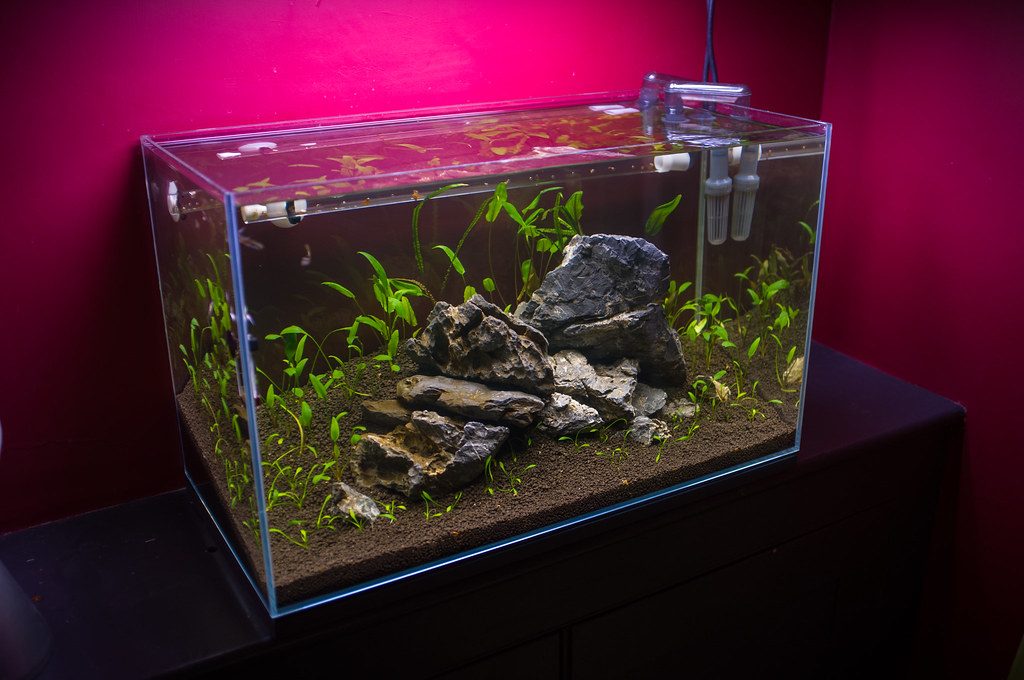
Root Tabs Vs Liquid Fertilizer – Which One to Choose
Root tabs provide targeted nutrients directly to the substrate for heavy root feeders, while liquid fertilizers enrich the water column for plants that absorb minerals through their leaves and stems.
If you have ever stared at your aquarium plants wondering why your Echinodorus looks stunted while your floating plants are healthy, you are likely dealing with a nutrient delivery issue. Achieving a leafy, rich aquascape requires more than just decent lighting and good water flow.
You need to understand how your plants actually “eat.” In my experience, the debate of root tabs vs liquid fertilizer isn’t about which one is “better,” but rather which method aligns with the specific species you are keeping.
Understanding the Two Modes of Nutrient Delivery
Plants in the aquarium hobby are generally categorized by where they prefer to intake their nutrition. Some species possess massive, strong root systems evolved to pull minerals from the soil, while others act as sponges, soaking up everything from the surrounding water.
Liquid fertilizer, often referred to as water column dosing, provides a mixture of essential minerals directly into the tank water. This is highly effective for fast-growing stem plants and floating species.
Conversely, root tabs are concentrated, solid pellets pushed deep into the substrate. They provide a slow-release source of nutrition. This is essential for plants that rely on substrate-based nutrient absorption to stay healthy and rich.
Root Tabs vs Liquid Fertilizer: A Quick Comparison
To help you decide which approach fits your current tank setup, I have put together this comparison table. It highlights the primary use cases for each method to ensure you aren’t wasting money on the wrong supplements.
| Feature | Root Tabs | Liquid Fertilizer |
|---|---|---|
| Targeted Species | Heavy root feeders (e.g., Cryptocoryne, Swords) | Epiphytes, stem plants, and floaters |
| Application | Manual insertion into substrate | Dosing into the water column |
| Longevity | 3–4 months per application | Daily or weekly dosing |
| Primary Benefit | Localizes nutrients at the roots | Constant availability for leaves |
When to Use Liquid Fertilizers
Liquid dosing is the backbone of most high-tech aquariums. Because these fertilizers contain chelated micronutrients and essential macronutrients, they make sure your plants never go hungry.
When you use liquid supplements, you are utilizing foliage nutrient uptake. This is particularly beneficial for epiphytic plants like Anubias or Java Fern, which do not have traditional roots for nutrient intake.
Pro Tip: If you notice hair algae, you might be over-dosing your liquid fertilizer. Start by cutting your recommended dose in half and observe your plants’ growth rates over the next two weeks before adjusting.
The Importance of Substrate and Root Tabs
If you are using an inert substrate like plain gravel or pool filter sand, your plants will eventually starve without root tabs. These tabs rely on the cation exchange capacity of your substrate to hold onto nutrients.
When you push a root tab into the gravel, it creates a localized zone of high-density nutrition. This is the difference between a sad, yellowing Cryptocoryne and one that grows leafy, deep-green foliage.
Common Mistake: Many beginners place root tabs too close to the surface. Always push them at least 2 inches deep into the substrate to prevent the nutrients from leaching directly into the water column, which can trigger massive algae blooms.
Balancing Your NPK Ratio
Whether you use tabs or liquids, you must monitor your NPK ratio—Nitrogen, Phosphorus, and Potassium. A common misconception is that “more is better.”
In reality, if your plants cannot consume the nutrients you provide, you are simply feeding the algae. I have found that balancing your lighting intensity with your nutrient dosing is the “secret sauce” for a healthy aquarium.
If you have low light, your plants grow slowly and require fewer nutrients. If you have high-intensity LEDs, your plants will grow rapidly and demand a steady supply of both root and water-column nutrition.
Questions I get asked a lot
Can I use both root tabs and liquid fertilizer? Absolutely. In fact, most advanced aquascapers use both. They use root tabs for their heavy-feeding plants and a lean dose of liquid fertilizer to make sure the stem plants and epiphytes remain healthy.
Do root tabs expire? They don’t necessarily “expire” in a way that makes them toxic, but the nutrient content can degrade over time. It is best to use them within 12 months of purchase.
Will root tabs harm my shrimp or snails? When used correctly—by burying them deep in the substrate—they are perfectly safe. Just avoid breaking the tab near the surface, as a sudden spike in concentrated minerals can stress sensitive invertebrates.
How often should I replace root tabs? I typically replace mine every 3 to 4 months. If you see your plants starting to show signs of chlorosis (yellowing leaves) even with good lighting, it is a sign that it is time to refresh your root zone.
Final thoughts
Mastering the balance of root tabs vs liquid fertilizer is a milestone in every hobbyist’s journey. Once you understand the specific needs of your plants—whether they prefer root-based feeding or water column absorption—you can move from simply keeping plants alive to helping them stay healthy.
Start by assessing your current substrate and plant species. If you have a tank full of heavy root feeders, prioritize high-quality root tabs. If you have a jungle of stem plants and floating species, lean into a reliable liquid fertilizer.
Don’t be afraid to experiment with your dosing levels as you learn your tank’s unique ecosystem. With patience and observation, your aquarium will become the vivid, healthy underwater garden you’ve always wanted.
Worth knowing before you start
- Change one variable at a time (light, CO2 or fertiliser) and wait two weeks to judge the result.
- Root feeders such as swords, crypts and vallisneria need root tabs or a nutrient-rich substrate, not only liquid fertiliser.
- Add plants before fish in a new tank; they start using ammonia and nitrate right away.
- Remove melting or dead leaves promptly so they do not break down into ammonia.

- 2003First tank
- 20+Years keeping
- 40+Tanks kept
- 0Sponsored picks
Howard set up his first 10-gallon planted tank in 2003 and lost half of it within six weeks. Two decades and more than forty aquariums later, he writes the guides he wished he had then: clear numbers, the reasons behind them, and what actually goes wrong in home tanks.