Hospital Tank Vs Quarantine Tank – Which One to Choose
A quarantine tank isolates new arrivals to prevent disease spread, while a hospital tank is a dedicated space for medicating sick fish. Both are essential tools for maintaining a healthy, pathogen-free main aquarium.
In my decade of managing diverse aquatic systems, I have learned that the difference between a healthy display and a total tank crash often comes down to a single spare glass box.
Understanding the nuance of a hospital tank vs quarantine tank is the first major step toward becoming a successful aquarist.
While many beginners view these terms as interchangeable, they serve distinct roles in your fish-keeping strategy and require slightly different management techniques.
When I first started, I made the mistake of adding new fish directly to my main display, only to lose half my stock to a sudden outbreak of white spot disease.
That painful lesson taught me that an isolation protocol isn’t just an “extra” step; it is a fundamental pillar of responsible husbandry.
Defining the Core Roles: Hospital Tank vs Quarantine Tank
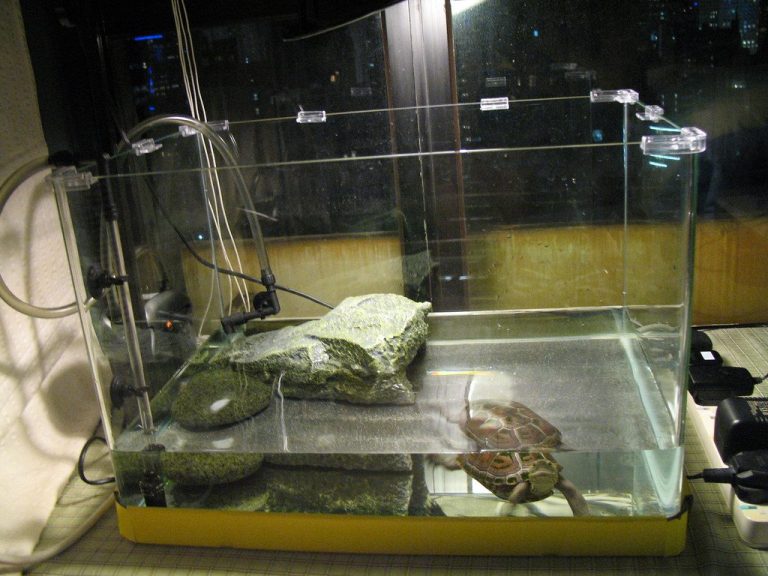
To the untrained eye, both setups look like a simple, bare-bones aquarium sitting in a corner or under a stand.
However, the primary intent of each setup dictates how you interact with the fish inside and what equipment you might choose to use.
A quarantine tank is a preventative measure, designed to hold new livestock for several weeks to make sure they aren’t carrying hidden “hitchhikers” or latent infections.
Conversely, a hospital tank is a reactive environment where you perform active medical interventions on fish that are already showing signs of distress or disease.
| Feature | Quarantine Tank (QT) | Hospital Tank (HT) |
|---|---|---|
| Primary Goal | Observation and prevention of disease introduction. | Active treatment of illness or physical injury. |
| Typical Duration | 4 to 6 weeks. | Until the full course of medication is complete. |
| Inhabitants | Newly purchased fish, shrimp, or plants. | Sick or bullied fish from the main display. |
| Medication | Optional prophylactic dips or mild dewormers. | Targeted therapeutic doses (antibiotics, copper, etc.). |
The Protective Shield of Quarantine
The quarantine tank acts as a biological firewall for your colorful community setups.
It allows you to monitor the respiratory rate, feeding habits, and waste production of new fish without the distractions of a complex environment.
In this controlled space, you can identify pathogen transmission vectors before they ever touch your display water.
The Focused Healing of a Hospital Tank
When a fish is struggling, the stressors of a community tank—like competition for food or territorial aggression—can worsen their condition.
A hospital tank provides a quiet, low-stress environment where the fish can focus entirely on recovery.
It also saves you money, as medicating a small 10-gallon tank is far cheaper than dosing a 100-gallon display aquarium.
Pro Tip: Never use a net or siphon in your hospital tank and then immediately use it in your main display. Even a single drop of water can transfer pathogens, rendering the entire isolation process useless.
Why You Absolutely Need a Quarantine Protocol
The logic behind the hospital tank vs quarantine tank debate often centers on whether you have the space for two extra tanks.
In my experience, if you can only manage one, set it up as a quarantine tank first to prevent problems from entering your home.
Most aquarium diseases, such as Ichthyophthirius multifiliis (commonly known as Ich), have life cycles that allow them to hide on a healthy-looking fish for days.
Breaking the Life Cycle of Parasites
If you keep new arrivals in a separate enclosure, you allow enough time for these parasites to manifest.
If you notice those signature white spots, you can treat them immediately with a formalin-malachite green solution without harming your main tank’s plants or invertebrates.
Without this period of isolation, you risk infecting every single inhabitant in your primary aquarium.
Nutritional Conditioning
New fish are often stressed from transport and may not have eaten well at the local fish store.
A quarantine tank allows you to offer high-quality, nutrient-dense foods to build up their immune systems.
I often use this time to get finicky eaters accustomed to my preferred brand of pellets or frozen bloodworms.
Prophylactic Dips and Treatments
Some advanced keepers prefer to perform a prophylactic dip on all new arrivals to “clean” them of external parasites.
This might involve a short-duration bath in a concentrated salt solution or a specific deworming medication like Praziquantel.
Doing this in a quarantine tank makes sure that any pests falling off the fish are contained and easily disposed of.
When to Transition to a Hospital Tank
Deciding between a hospital tank vs quarantine tank strategy often depends on the health status of your current residents.
If you notice an established fish is lethargic or has ragged fins, you must move them to a hospital environment immediately.
This is especially true if you see symptoms like fish resting on the substrate for extended periods.
Specialized Treatment Needs
Certain medications are “reef-safe” or “plant-safe,” but many of the most effective ones are not.
For example, maintaining a specific copper sulfate concentration is highly effective against marine velvet but will kill every snail and shrimp in a display tank.
A hospital tank allows you to use these potent chemicals safely and effectively.
Monitoring Water Parameters During Treatment
Medications can often interfere with the biological filter by slowing down nitrifying bacteria colonization.
In a dedicated hospital tank, you can perform large, frequent water changes to keep ammonia levels at zero without disrupting the main tank’s balance.
I’ve noticed that fish heal significantly faster when they aren’t fighting high nitrate levels alongside their illness.
Pro Tip: Always use a bare-bottom enclosure for your hospital tank. Substrate can absorb medications, making it impossible to maintain a steady therapeutic dose, and it provides a hiding place for parasites like Ich.
Essential Equipment for Both Systems
The beauty of these tanks is that they do not need to be expensive or aesthetically pleasing.
A standard 10-gallon or 20-gallon glass tank is usually sufficient for most freshwater and saltwater species.
Your focus should be on functionality, ease of cleaning, and maintaining stable water conditions.
Filtration and Aeration
I always recommend sponge filter seeding as the best way to keep these tanks ready at a moment’s notice.
Keep a small sponge filter running in your main display’s sump or behind some plants at all times.
When you need to set up an isolation tank, simply move that “seeded” sponge over to provide instant biological filtration.
Heating and Temperature Stability
Stability is the key to recovery, especially when dealing with tropical species.
Use a reliable, adjustable heater to keep the water at the species-specific ideal temperature.
In some cases, such as treating Ich, you may even need to raise the temperature slightly to accelerate the parasite’s life cycle.
Hiding Places and Stress Reduction
A completely empty tank can be terrifying for a fish, which increases cortisol levels and suppresses the immune system.
Instead of rocks or gravel, use segments of PVC pipe or plastic aquarium decorations that can be easily bleached and sterilized.
These provide the fish with a sense of security without creating “dead zones” where detritus can accumulate.
Medication and Treatment Strategies
When managing a hospital tank vs quarantine tank, your approach to chemicals will vary significantly.
In quarantine, you are looking for signs of trouble; in the hospital, you are actively fighting a known enemy.
It is vital to understand the common tools at your disposal to help you don’t do more harm than gold.
Managing Parasites and Bacteria
For external parasites, a combination of therapeutic salinity levels and specific dyes like malachite green often works wonders.
If you suspect a bacterial infection, such as fin rot or dropsy, you may need to use broad-spectrum antibiotics.
Always finish the entire course of medication, even if the fish looks “better” after two days, to prevent antibiotic resistance.
The Role of Salt
Aquarium salt is one of the most underrated tools in the hobby.
It can help with osmotic regulation, reduce stress, and eliminate certain protozoans.
However, be careful with the dosage, as some scaleless fish like Corydoras are sensitive to high salt concentrations.
| Symptom | Likely Cause | Recommended Action |
|---|---|---|
| White, salt-like spots | Ich (Ichthyophthirius) | Raise temp, dose Malachite Green. |
| Cloudy eyes or fuzzy patches | Bacterial Infection | Clean water, dose Erythromycin. |
| Flashing/rubbing against objects | External Flukes | Dose Praziquantel. |
| Sunken belly/white stringy poop | Internal Parasites | Medicated food with Metronidazole. |
Maintenance and Safety Protocols
The effectiveness of your hospital tank vs quarantine tank setup relies entirely on your discipline regarding maintenance.
A neglected isolation tank can quickly become a death trap due to ammonia spikes or low oxygen levels.
Because these tanks are often small, the margin for error is significantly thinner than in your display.
Daily Monitoring
Check the ammonia and nitrite levels daily using a high-quality liquid test kit.
Since many medications can kill off beneficial bacteria, you may need to perform 25-50% water changes every day.
Always ensure the replacement water is dechlorinated and matched for temperature and pH to avoid shocking the fish.
Sterilization Between Uses
Once a fish has been cleared for the main tank or has sadly passed away, the isolation tank must be completely reset.
I use a 10% bleach solution to scrub the glass, heater, and PVC pipes.
Rinse everything multiple times and let it air dry completely for at least 48 hours to make sure no pathogens survive.
Avoiding Cross-Contamination
I cannot stress enough how easily diseases travel on wet hands.
If you have multiple tanks, always work on the healthiest tank first and the hospital tank last.
Wash your arms up to the elbows with unscented soap after touching the water in an isolation setup.
Keeper’s notes
- Never share nets, siphons or buckets between quarantine and display tanks without disinfecting them first.
- Medicate only in a bare-bottom quarantine tank; substrate, rock and carbon absorb or interfere with many treatments.
- Seed the quarantine filter from your main tank or keep a spare sponge running in the display so the QT starts cycled.
- Copper treatments work against many marine parasites but are deadly to invertebrates and must be measured with a copper test kit.
Common questions
Can I use a plastic tub instead of a glass tank?
Yes, food-grade plastic bins make excellent temporary isolation units. They are lightweight, cheap, and easy to store when not in use. Just make sure the plastic is sturdy enough to hold the weight of the water without bowing.
How long should I quarantine new fish?
A minimum of 4 weeks is standard, but 6 weeks is much safer. This allows enough time for the life cycles of most common parasites and the incubation periods of bacterial infections to complete.
Do I need a light for my hospital tank?
Generally, no. Ambient room light is usually enough for you to observe the fish. Keeping the tank dim or covered with a towel can actually help reduce the stress levels of a sick or new fish.
Can I quarantine fish and plants together?
It is better to keep them separate. Many medications used in quarantine or hospital tanks are toxic to plants. If you are quarantining plants, you are mainly looking for snails or algae, which requires a different approach than fish health.
What if I don’t have a cycled filter ready?
You can use bottled bacteria products to “jump-start” the tank, but you must be prepared for heavy water changes. In a pinch, daily 50% water changes can keep a single small fish safe even without a fully cycled filter.
Conclusion: The Ultimate Insurance Policy
Mastering the use of a hospital tank vs quarantine tank is what separates a casual hobbyist from a successful aquarist.
If you take the time to observe new arrivals and provide a dedicated space for the sick, you protect the investment of time and money you’ve put into your main display.
In my experience, the peace of mind that comes with knowing your main tank is pathogen-free is worth every bit of the extra effort.
Whether you are bringing home a rare tetra or nursing a favorite angelfish back to health, these simple glass boxes are your most powerful tools.
Set up your isolation protocol today, and your fish will thank you with years of health and vivid color.

- 2003First tank
- 20+Years keeping
- 40+Tanks kept
- 0Sponsored picks
Howard set up his first 10-gallon planted tank in 2003 and lost half of it within six weeks. Two decades and more than forty aquariums later, he writes the guides he wished he had then: clear numbers, the reasons behind them, and what actually goes wrong in home tanks.