How To Remove Algae From Aquarium Decor – Your Expert Guide
To effectively remove algae from aquarium decor, physically scrub the items outside the tank with a soft brush or sponge, then rinse thoroughly. For stubborn algae like Black Beard Algae, consider a hydrogen peroxide spot treatment or a diluted bleach dip, followed by extensive rinsing and dechlorinating before reintroducing to the aquarium.
Algae is a universal challenge in the aquarium hobby. While a little bit of green can be natural in a healthy ecosystem, an uncontrolled bloom can quickly turn your beautifully aquascaped tank into an unsightly mess. More than just an aesthetic issue, excessive algae can indicate underlying imbalances in your water parameters or lighting.
As someone who has maintained countless aquariums over the past decade, I understand the frustration of seeing your favorite driftwood or artificial rock covered in a fuzzy green or stubborn black growth. This guide will walk you through everything you need to know about how to remove algae from aquarium decor, from identifying the culprits to implementing safe and effective cleaning strategies. We’ll also go through preventative measures to keep your decor sparkling clean long-term.
Understanding the Algae Invaders on Your Decor
Before you grab a scrub brush, it’s helpful to identify what kind of algae you’re dealing with. Different types respond better to different treatments. Recognizing your foe is the first step in winning the battle.
Green Spot Algae (GSA)
This common algae appears as small, hard, dark green spots, typically on slow-growing plant leaves, glass, and especially on decor items. It’s usually a sign of low phosphate levels or too much light.
In my experience, GSA can be incredibly stubborn once it attaches to porous surfaces. You’ll need some elbow grease to get rid of it.
Black Beard Algae (BBA)
Often considered one of the most persistent and frustrating algae, `Black beard algae (BBA)` (also known as Red Algae, although it appears black or dark red) forms fuzzy, beard-like tufts on decor, plants, and equipment. It does well in tanks with fluctuating CO2 levels, poor nutrient distribution, or excess organic waste.
BBA can be particularly challenging because its cell structure makes it resistant to many manual removal methods alone.
Green Hair Algae
This algae forms long, fine green strands that can entangle decor and plants. It’s often a sign of excess nutrients, particularly nitrates, combined with high lighting. While unsightly, it’s usually easier to remove manually than BBA or GSA.
Diatoms (Brown Algae)
Often appearing in new tanks, diatoms form a brown, dusty film over everything – decor, substrate, and glass. They flourish on `silicate levels` in tap water and are typically outcompeted by other algae and plants as the tank matures.
Manual removal is easy, but they tend to return until the silicates are depleted or outcompeted.
Essential Tools for Algae Removal
Having the right tools makes the job much easier and safer for your aquarium and yourself.
- Soft Bristle Brush or Old Toothbrush: Excellent for scrubbing decor, especially intricate pieces.
- Algae Scraper or Razor Blade: For flat, hard surfaces like glass or very smooth decor (use with caution).
- Clean Bucket: To hold decor and prepare cleaning solutions.
- Gloves: Protect your hands, especially when using chemical treatments.
- Dechlorinator: Important for neutralizing chlorine after bleach dips.
- Hydrogen Peroxide (3% solution): For targeted spot treatments.
- Bleach (unscented, regular household): For heavy-duty sanitization and stubborn algae.
Step-by-Step Guide: How to Remove Algae from Aquarium Decor
Here’s how I approach cleaning decor, from routine maintenance to tackling serious outbreaks. Always remove the decor from the tank before cleaning to avoid harming your aquatic inhabitants or disrupting water chemistry.
1. Manual Scrubbing for General Algae
For most common algae, a good old-fashioned scrub is highly effective. This method is safe for all types of decor and doesn’t introduce chemicals into your tank.
Start by carefully removing the affected decor from your aquarium. Place it in a clean bucket filled with old aquarium water or tap water.
Using a soft-bristle brush, an old toothbrush, or a designated algae pad, gently scrub all visible algae off the decor. Pay close attention to crevices and textured surfaces where algae can hide.
For tougher `Green spot algae (GSA)`, you might need to apply a bit more pressure. Rinse the decor thoroughly under running tap water to remove any dislodged algae particles.
Pro Tip: When doing a water change, siphon some of the old aquarium water into a separate bucket. Use this water to rinse off decor after scrubbing. This helps conserve tap water and can be useful for other aquarium maintenance tasks. Perform regular water changes to keep your tank healthy.
2. Hydrogen Peroxide Spot Treatment for Stubborn Algae
`Hydrogen peroxide spot treatment` (3% solution, readily available) is an excellent way to target persistent algae like `Black beard algae (BBA)` without resorting to harsher chemicals for the entire tank. It works by oxidizing organic matter.
Remove the affected decor from the tank. You can either dab the peroxide directly onto the algae using a cotton swab or fully submerge the decor in a diluted solution.
For dabbing, apply the 3% hydrogen peroxide directly to the algae-covered areas. Let it sit for 5-10 minutes. You might see the algae fizz or turn reddish-brown, indicating it’s working.
For submersion, mix 1 part 3% hydrogen peroxide with 3-4 parts water in a clean bucket. Submerge the decor for no more than 15-20 minutes. Prolonged exposure can damage porous materials or artificial paints.
After treatment, rinse the decor extremely thoroughly under running water for several minutes. This is critical to make sure no peroxide enters your main tank. Allow the decor to air dry completely if possible before returning it to the aquarium, especially if it’s porous.
3. Bleach Dip for Severe Algae and Disinfection
A `bleach dip solution` is a powerful method for sterilizing decor and eradicating severe algae outbreaks, particularly `Black beard algae (BBA)`. However, it must be used with extreme caution and followed by careful rinsing and dechlorination. This method is generally suitable for inert plastic, ceramic, or glass decor, but should be avoided for natural wood or porous rocks that could absorb bleach.
In a well-ventilated area, prepare a solution of 1 part unscented household bleach to 19 parts water (a 5% bleach solution). This 1:20 dilution is strong enough for most algae but minimizes potential damage.
Submerge your decor in the bleach solution. The duration depends on the severity of the algae; typically, 10-15 minutes is sufficient. For extremely stubborn BBA, you might go up to 30 minutes, but monitor closely.
After the dip, remove the decor and rinse it thoroughly under running tap water for several minutes. Use a stiff brush to scrub off any remaining algae or bleach residue.
The most key step is neutralization. Submerge the decor in a bucket of fresh water with a strong dose of dechlorinator (2-3 times the standard tank dose). Let it soak for several hours, or even overnight, changing the water and adding more dechlorinator every few hours.
Before reintroducing the decor, smell it. If you detect any chlorine odor, repeat the dechlorination process. Any bleach residue can be fatal to your fish and invertebrates. Following a strict aquarium biosecurity protocol is essential when using strong chemicals.
Common Mistake: Rushing the dechlorination process after a bleach dip. Even a tiny amount of residual chlorine can wipe out your tank’s beneficial bacteria and harm your fish. Always over-dechlorinate and allow ample soaking time. When in doubt, let it air dry for a day or two after rinsing and dechlorinating.
4. Using Glutaraldehyde for Algae Control
Products containing `Glutaraldehyde dosing` (often marketed as liquid carbon supplements like Seachem Flourish Excel) can be effective at killing algae, especially BBA, either through spot treatment or general tank dosing. While generally safe for fish and plants at recommended doses, exercise caution.
To spot treat decor, remove it from the tank and apply a small amount of concentrated glutaraldehyde directly to the algae using a dropper. Let it sit for a few minutes before rinsing thoroughly and returning to the tank.
For in-tank spot treatment (only on decor that can’t be easily removed), turn off filters and water flow. Use a syringe to precisely apply the solution to algae-covered decor. Allow 10-15 minutes for it to work before turning filters back on. This method requires careful consideration of your tank’s inhabitants and overall health.
Preventative Measures: Keeping Algae Off Your Decor
The best way to how to remove algae from aquarium decor is to prevent it from forming in the first place. A balanced aquarium environment is naturally less prone to aggressive algae growth.
1. Optimize Lighting
Excessive light is a primary driver of algae.
Reduce your `photoperiod duration` to 8-10 hours a day. If you have intense lighting, consider raising your light fixture or dimming it. I’ve noticed that many aquarists simply run their lights for too long, leading to algae issues.
2. Nutrient Management
Algae settle in on excess nutrients.
Perform regular water changes to dilute nitrates and phosphates. Avoid overfeeding your fish, as uneaten food breaks down into nutrients. Consider using `phosphate adsorbent media` in your filter if you have consistently high phosphate levels, which often contribute to `Green spot algae (GSA)`.
For planted tanks, make sure your plants have adequate nutrients. Healthy plants outcompete algae for available resources. If your plants are showing signs of `aquarium plant phosphate deficiency`, consider adjusting your fertilization routine. More flourishing plant biomass generally means less algae. Read more about aquarium plant biomass for a balanced tank.
3. Mechanical Filtration and Water Flow
Help your filter media is clean and providing good mechanical filtration to remove organic waste. Adequate water flow prevents dead spots where detritus and algae can accumulate.
4. Introduce Algae Eaters (Biological Control)
Certain aquatic creatures are excellent at keeping algae in check.
Consider `Amano shrimp (Caridina multidentata)` for a wide range of algae, including some types of hair algae. `Otocinclus catfish (Otocinclus affinis)` are fantastic grazers for soft green algae and diatoms on decor and leaves.
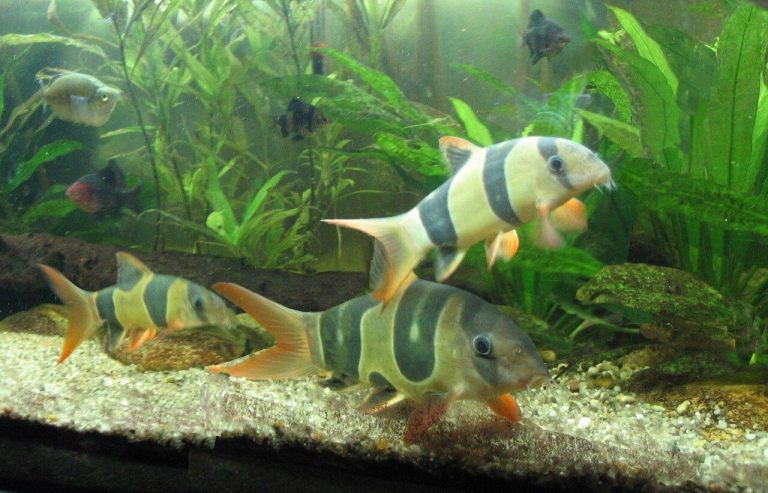
Chinese Algae Eaters can also be effective, especially when young, but can become aggressive and less efficient as they mature. Always research compatibility before adding any new inhabitants to your tank.
| Algae Type | Appearance | Common Causes | Recommended Removal Method for Decor | Key Prevention Strategy |
|---|---|---|---|---|
| Green Spot Algae (GSA) | Small, hard, dark green spots | Low phosphates, high light | Scrub vigorously, razor blade (if safe), hydrogen peroxide spot treat | Increase phosphates (if low), reduce light intensity/duration |
| Black Beard Algae (BBA) | Fuzzy, dark red/black tufts | Fluctuating CO2, poor flow, excess organics | Hydrogen peroxide dip/spot, glutaraldehyde spot, bleach dip (carefully) | Stabilize CO2, improve flow, regular water changes, manual removal |
| Green Hair Algae | Long, fine green strands | Excess nutrients (nitrates), high light | Manual removal (twirl with brush), hydrogen peroxide spot | Reduce feeding, increase water changes, nutrient export (plants) |
| Diatoms (Brown Algae) | Brown, dusty film | High silicates (new tanks), low light | Wipe off manually, soft brush | Tank maturation, `silicate levels` reduction, increase light gradually |
Safety Considerations When Cleaning Aquarium Decor
Your safety and the safety of your aquatic pets are essential. Always keep these points in mind:
- Ventilation: When using bleach or glutaraldehyde, ensure you are in a well-ventilated area to avoid inhaling fumes.
- Gloves: Wear protective gloves to prevent skin irritation from cleaning agents and to maintain hygiene.
- Thorough Rinsing: This cannot be stressed enough. Any chemical residue (bleach, peroxide, glutaraldehyde) can be toxic to your fish, shrimp, and plants. Rinse, rinse, and rinse again.
- Dechlorination: Always dechlorinate decor after using bleach. A good dechlorinator neutralizes chlorine and chloramines.
- Test Before Reintroduction: If you’re particularly concerned, especially after a bleach dip, you can place the cleaned decor in a bucket of dechlorinated water with a few hardy snails for a day to make sure it’s safe before putting it back in your main tank.
Keeper’s notes
- Do not clean the filter and change lots of water on the same day; spread maintenance out.
- Change 20–30% of the water weekly rather than doing large, rare changes that shock fish.
- Scrape algae from the glass before the water change so loose debris gets siphoned out.
- Persistent algae usually means too much light or too many nutrients; fix the cause, not only the symptom.
A few common questions About Removing Algae From Aquarium Decor
Can I clean aquarium decor with vinegar?
Yes, distilled white vinegar can be used to clean some types of hard, inert aquarium decor. It’s effective for removing mineral deposits and some types of algae. After cleaning, rinse the decor thoroughly and soak it in dechlorinated water for a few hours before returning it to the tank.
Is it safe to boil aquarium decor to kill algae?
Boiling can kill algae and sterilize decor, but it’s only safe for certain materials. Plastic decor can melt or warp. Natural wood (like driftwood) can leach tannins excessively or become waterlogged, and some rocks can crack. Only boil inert, non-porous items that are specifically safe for high heat.
How often should I clean my aquarium decor?
The frequency depends on your tank’s algae growth rate. For light algae, manual wiping during routine tank maintenance (like weekly water changes) is often enough. For persistent algae, decor might need removal and deeper cleaning every few weeks or as needed.
Will algae eaters clean all my decor?
Algae eaters like `Amano shrimp (Caridina multidentata)` and `Otocinclus catfish (Otocinclus affinis)` are excellent at grazing on certain types of algae, but they won’t typically eradicate a severe outbreak or clean every crevice. They are best used as part of a comprehensive algae prevention strategy, not as the sole solution for heavy infestations.
Can algae on decor harm my fish?
Generally, algae itself isn’t directly harmful to fish. However, excessive algae growth often indicates poor water quality, high nutrient levels, or imbalances that can stress fish or lead to other health issues. Heavy algae can also consume oxygen at night, potentially causing issues in heavily stocked or poorly aerated tanks.
A closing note
Tackling algae on your aquarium decor can feel like an endless battle, but with the right knowledge and tools, it’s a fight you can win. Once you understand the different types of algae, employing appropriate cleaning methods like manual scrubbing, `hydrogen peroxide spot treatment`, or even a `bleach dip solution` for tough cases, and diligently focusing on prevention, you can maintain a pristine and healthy aquatic environment.
A clean tank is a happy tank. Regular maintenance, optimized lighting, and balanced nutrients are your best allies in keeping your decor free from unsightly green and black growths. Keep at it, and you’ll soon enjoy a crystal-clear view of your well-kept aquascape.

- 2003First tank
- 20+Years keeping
- 40+Tanks kept
- 0Sponsored picks
Howard set up his first 10-gallon planted tank in 2003 and lost half of it within six weeks. Two decades and more than forty aquariums later, he writes the guides he wished he had then: clear numbers, the reasons behind them, and what actually goes wrong in home tanks.