Do Axolotls Live In Caves – Create The Perfect Refuge For Your Water
Yes, axolotls naturally live in caves and dark crevices. These cryptic refuges provide essential protection from bright light and potential predators, making hides a mandatory requirement for any healthy home aquarium setup.
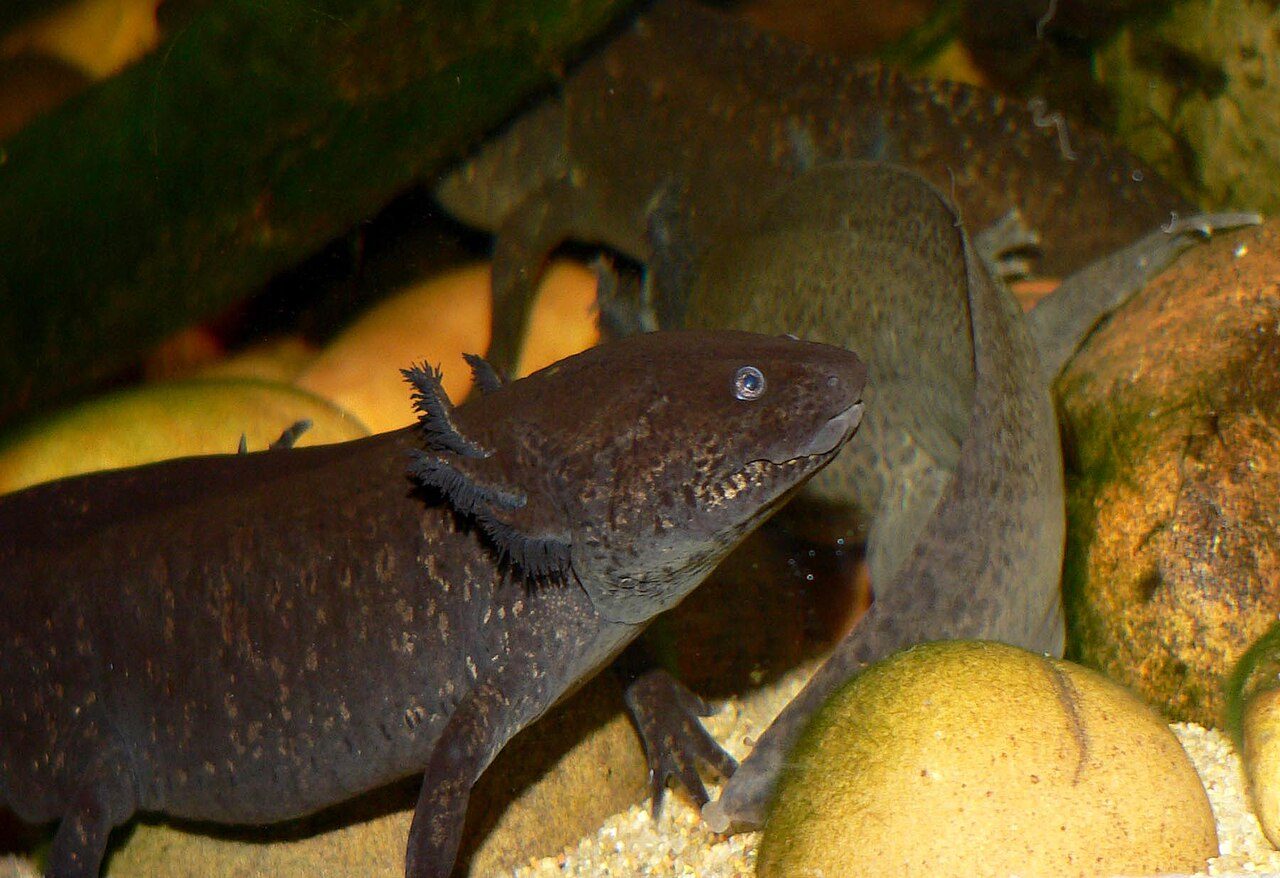
If you have ever spent a quiet evening watching your Ambystoma mexicanum—the scientific name for our well-loved axolotl—you have likely noticed their affinity for the shadows. These unique amphibians are not just shy; their biological makeup practically demands a dark place to retreat.
In my decade of keeping these “water dragons,” I have found that the quality of their hiding spots directly correlates to their overall health and stress levels. Providing a cave is not just a decorative choice; it is a fundamental part of replicating the Lake Xochimilco biotope where they originated.
When we ask, do axolotls live in caves, we are really looking into the deep-seated instincts of a creature that has evolved to stay healthy in murky, slow-moving waters. Let’s look at why these shelters are so critical and how you can provide the best one for your aquatic friend.
At a glance: Axolotl (Ambystoma mexicanum)
- Temperature
- 60–64°F (16–18°C)
- Water pH
- 7.0–8.0
- Adult size
- 9–12 in (23–30 cm)
- Minimum tank
- 20 gal long for one
- Group size
- Alone or same-size adults
- Temperament
- Peaceful, no fish tank mates
- Diet
- Carnivore: earthworms, axolotl pellets, bloodworm
- Lifespan
- 10–15 years
Keeper’s tip: Water above 70°F stresses axolotls quickly; a fan or chiller is often needed in summer.
Understanding the Habitat: Do Axolotls Live in Caves?
In the wild canals of Mexico, axolotls spend much of their time tucked away under submerged root structures and overhanging banks. These areas serve as natural caves, offering a cryptic refuge preference that keeps them safe from birds and large fish.
Because axolotls lack eyelids, they are extremely sensitive to bright light. A cave provides the low ambient illumination they need to feel secure during the daylight hours when they are less active.
In a home aquarium, we must mimic these natural conditions to prevent chronic stress. Without a proper place to hide, an axolotl may become frantic, lose its appetite, or even experience a weakened immune system.
The Biological Need for Darkness
Axolotls are primarily nocturnal hunters, meaning their eyes are adapted for low-light environments. In the bright glare of a standard aquarium light, they can feel exposed and vulnerable.
Providing a ceramic hideout or a large rock cave allows them to regulate their exposure to light. You will often see them resting inside their cave during the day, only emerging once the room dims or the tank lights are turned off.
Pro Tip: I’ve noticed that if an axolotl is constantly trying to tuck its head under a filter intake or behind a thermometer, it’s a clear sign your current caves aren’t dark enough or are too small. Always aim for a “blackout” effect inside the hide.
Choosing the Best Materials for Axolotl Hides
When selecting a cave, the material is just as important as the size. Since axolotls have very delicate, permeable skin, anything with sharp edges or rough textures can cause painful scrapes and secondary infections.
Many keepers start with a PVC pipe shelter because they are affordable and easy to clean. While not the most “natural” looking option, they are incredibly safe and provide a smooth surface for the axolotl to rest against.
If you prefer a more aesthetic look, a ceramic hideout is an excellent choice. These are often molded into natural shapes like logs or stone piles and offer a heavy, stable structure that won’t be knocked over by a clumsy axolotl.
Comparison of Common Hide Materials
To help you decide, I have put together a comparison of the most popular options used by experienced keepers.
| Material Type | Pros | Cons |
|---|---|---|
| Ceramic | Heavy, natural look, very dark inside. | Can be expensive; check for sharp glaze drips. |
| PVC Pipe | Extremely safe, very cheap, easy to stack. | Not aesthetically pleasing; can roll if not secured. |
| Natural Slate | Authentic biotope look, helps with nail filing. | Must be sanded at edges; heavy risk of collapse. |
| Resin Decor | Wide variety of shapes and sizes. | Often has sharp internal seams; may leach paint. |
Creating a Safe and Natural Setup
When arranging your aquarium, think about the flow of the water and the placement of the caves. Axolotls prefer a cool water temperature (ideally 60-64°F) and low water flow, as high current can stress them out.
Place your caves in areas of the tank where the water is calmest. This helps make sure that when they retreat for a nap, they aren’t fighting a current while trying to stay still.
You should also consider the water hardness (GH). Axolotls flourish in slightly hard water, which helps support their mineral needs and gill health. Some natural stones used for caves can subtly influence water chemistry, so always test your parameters regularly.
Substrate and Burrowing Behavior
While we focus on caves, it is worth noting that axolotls sometimes display substrate burrowing behavior. This is more common when they are searching for food or trying to find a cooler spot in the sand.
If you use a fine sand substrate, you might see your axolotl “shoveling” its way into a corner near its cave. This is a perfectly natural behavior that complements their use of traditional hides.
Understanding the personality of these creatures can help you realize that “burrowing” is often just another way they seek security. Always ensure the substrate is fine enough to pass through their digestive tract if accidentally swallowed.
The Importance of Multiple Hiding Spots
One mistake I often see beginners make is providing only one cave. In a standard 20-gallon or 29-gallon tank, you should aim for at least two distinct hiding areas.
This gives the axolotl choices. They may prefer one cave when they are hungry and another when they want deep sleep. If you are keeping multiple axolotls together, having more hides than inhabitants is a strict rule to prevent territorial nipping.
Even though they aren’t traditionally social, they do have interesting traits that suggest they value their personal space. Providing enough “real estate” makes sure every animal feels safe.
Pro Tip: When setting up caves, try to face the openings away from the front of the glass. This creates a much darker interior, which the axolotl will prefer over a cave that lets in light from the room.
Maintenance and Safety Checks for Caves
Caves can become “dead zones” where debris and waste accumulate. During your weekly water changes, it is vital to lift the hides and siphon out any trapped waste.
Check the interior of the caves for any slime buildup or sharp edges that may have developed. Over time, some resin decorations can chip, exposing jagged plastic underneath.
If you are using natural wood or rocks, make sure they are still structurally sound. Rotting wood can foul the water, and shifting rocks can pin an axolotl against the glass, which is a life-threatening situation.
Checking for Sharp Edges
A simple way to test if a cave is safe is the “pantyhose test.” Run a pair of thin stockings over every surface of the hide.
If the fabric snags or tears, the cave is too sharp for an axolotl’s skin. You can often fix these spots with a bit of sandpaper or aquarium-safe silicone to smooth things over.
Why Axolotls Might Avoid Their Caves
Sometimes, you might provide a beautiful cave, only to find your axolotl never uses it. This can be frustrating, but there is usually a logical reason for this behavior.
Check the temperature inside the cave. If the cave is located near a heater (which you shouldn’t really have anyway) or in a spot with zero circulation, it might become uncomfortably warm or stagnant.
Another reason could be the size. An axolotl wants to feel the walls of the cave against its body—this provides a tactile sense of security. If the cave is “cavernous” and huge, they might not feel as protected.
Water Quality and Hiding
If your axolotl is suddenly refusing to enter its cave and is instead floating or gasping, this is a sign of poor water quality rather than a preference change. High ammonia or nitrite levels will make an axolotl restless.
Always maintain your cycle and keep the water pristine. You can learn more about the historical origins of these animals to understand why they are so sensitive to environmental changes.
Frequently asked questions
Can I use rocks from my backyard to make a cave? It is generally discouraged unless you know exactly what kind of rock it is. Some rocks can leach heavy metals or drastically change your pH and water hardness (GH). If you do use them, boil them first and perform a vinegar test to check for calcium carbonate.
Do axolotls need caves to sleep? While they don’t “sleep” the way humans do, they have periods of low activity. During these times, they almost always prefer to be in a cave to feel safe from perceived predators.
How big should the cave opening be? The opening should be at least 25% wider than your axolotl’s widest point (usually their gills). You want them to be able to turn around inside without getting stuck or damaging their delicate gill filaments.
Is it okay if my axolotl spends all day in its cave? Yes, this is very common. Axolotls are most active at night. As long as they are coming out to eat and look healthy, spending the daylight hours in a cave is perfectly normal behavior.
My final take
So, do axolotls live in caves? Absolutely. In fact, providing a dark, secure retreat is one of the most important things you can do for your pet’s mental and physical health.
By mimicking the Lake Xochimilco biotope through the use of a ceramic hideout, PVC pipe shelter, or natural stone, you are allowing your axolotl to express its natural instincts. This leads to a much more active and bright animal in the long run.
Remember to prioritize smooth surfaces, low light, and regular cleaning. With the right refuge, your “water dragon” will stay healthy for many years to come, ruling over its underwater kingdom from the comfort of its favorite cave.

- 2003First tank
- 20+Years keeping
- 40+Tanks kept
- 0Sponsored picks
Howard set up his first 10-gallon planted tank in 2003 and lost half of it within six weeks. Two decades and more than forty aquariums later, he writes the guides he wished he had then: clear numbers, the reasons behind them, and what actually goes wrong in home tanks.