Customize Fish Tank – Create Your Dream Aquatic World
To customize fish tank setups effectively, choose a cohesive theme, utilize safe hardscape materials like dragon stone, and integrate advanced equipment such as in-line heaters and sumps to maintain a clean, professional aesthetic.
Starting a new aquarium is an exciting journey that allows you to blend art with science. When you choose to customize fish tank environments, you are doing more than just picking out decorations; you are designing a self-sustaining ecosystem.
A personalized aquarium serves as a focal point in any room, reflecting your personal style while providing a species-specific habitat for your aquatic inhabitants. By moving beyond standard kits, you gain control over every variable, from water chemistry to visual flow.
This comprehensive guide will walk you through the technical and aesthetic choices required to build a high-end, bespoke aquarium. Whether you are interested in high-tech planted tanks or minimalist marine setups, the principles of customization remain the same.
Planning Your Aesthetic Theme
The first step to successfully customize fish tank layouts is selecting a clear theme. A well-defined theme prevents the “cluttered” look that often plagues beginner tanks and ensures all elements work in harmony.
Many hobbyists find inspiration in natural landscapes, such as mountain ranges or dense tropical jungles. By adhering to a specific style, you can select plants and fish that naturally coexist in the wild, which often leads to better health for the animals.
The Iwagumi Style
The Iwagumi style is a Japanese approach focused on simplicity and spirituality. It typically uses an odd number of stones, with one primary “Father” stone serving as the main focal point of the arrangement.
This style usually features low-growing carpet plants and a single species of schooling fish. It creates a sense of vastness and tranquility, making it a popular choice for those who appreciate minimalist design.
Dutch and Nature Aquariums
Dutch aquariums are often referred to as underwater gardens, focusing heavily on plant density and color contrast. Unlike other styles, Dutch tanks rarely use wood or rocks, relying instead on the heights and textures of various plant species.
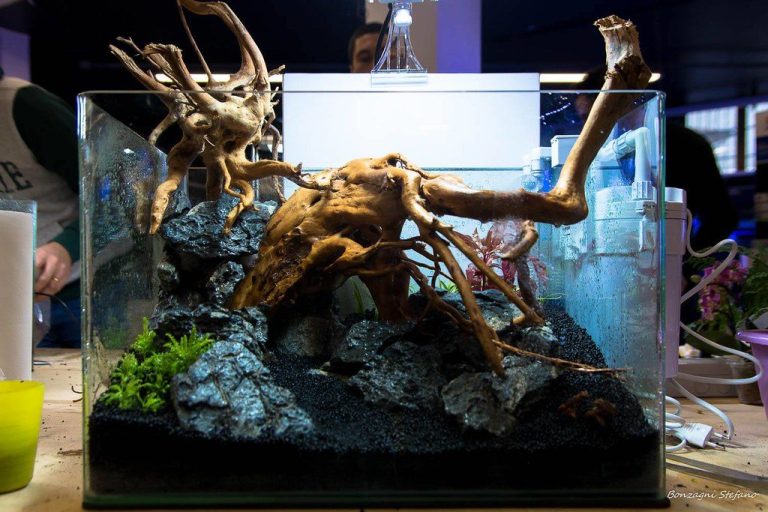
The Nature Aquarium style, popularized by Takashi Amano, seeks to recreate a slice of a natural landscape. It often incorporates driftwood and intricate rockwork to mimic a forest or a stream bed.
Pro Tip: Use the “Golden Ratio” (1:1.618) when placing your primary hardscape elements. Avoid placing your main focal point dead-center; instead, shift it slightly to the left or right to create a more dynamic and natural visual flow.
The physical components you choose will dictate the longevity and safety of your build. When you customize fish tank projects, the quality of the glass and the hardscape materials can make a significant difference in the final appearance.
Standard tanks often have a green tint due to iron content in the glass. For a professional look, many experienced keepers opt for Low-iron glass, which provides unparalleled clarity and color accuracy for your fish and plants.
Hardscape Essentials
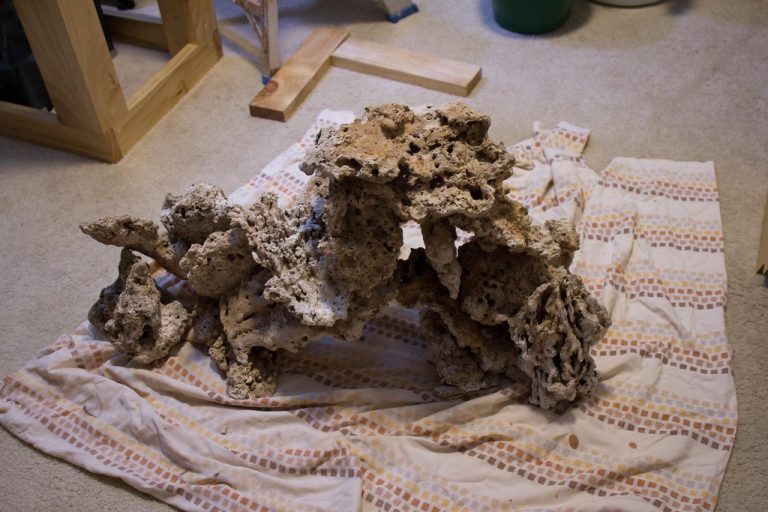
Hardscaping refers to the non-living elements of your aquarium, such as rocks and wood. Materials like Seiryu stone, dragon stone, and spider wood are favorites because of their deep textures and interesting shapes.
Before adding any hardscape, it is vital to ensure it is aquarium-safe and won’t negatively impact your water parameters. Some stones can increase Carbonate hardness (KH), which may not be suitable for soft-water species like certain shrimp or tetras.
Substrate Selection
The substrate is the foundation of your aquarium’s biological and visual structure. For planted tanks, specialized active soils provide essential nutrients and help maintain a slightly acidic pH.
If you are focusing on a display fish tank, you might choose a cosmetic sand for the foreground. Combining different textures can create a sense of depth and realism that a single type of gravel cannot achieve.
| Theme Type | Primary Materials | Maintenance Level | Recommended Skill |
|---|---|---|---|
| Iwagumi | Stones, Carpet Plants | Moderate | Intermediate |
| Dutch Style | Diverse Stem Plants | High | Advanced |
| Biotope | Region-specific Wood/Rocks | Low to Moderate | Beginner |
| Hardscape-Only | Large Rocks, Driftwood | Low | Beginner |
Technical Enhancements for a Clean Look
A major part of a successful customize fish tank strategy is managing the “visual noise” created by equipment. Heaters, filter intakes, and wires can distract from the natural beauty of your underwater world.
Advanced hobbyists often use a Sump filtration system located beneath the main tank. This allows you to move all the bulky equipment out of the display area, leaving only the water and your chosen decor visible.
Filtration and Plumbing
If a sump is not an option, you can use glass lily pipes connected to a canister filter. These transparent pipes are nearly invisible in the water, providing a sleek and modern look.
Adding a Surface skimmer to your intake helps remove the oily film that can accumulate on the water’s surface. This improves oxygen exchange and also ensures your lighting penetrates the water effectively.
Temperature and Water Level Control
To keep the display area even cleaner, consider using an In-line heater. This device is installed on the return line of your canister filter, heating the water before it ever enters the tank.
Maintaining a consistent water level is also important for aesthetics, especially in rimless tanks. An Auto top-off system (ATO) uses a sensor to detect evaporation and automatically adds fresh water to keep the level perfect.
Advanced Lighting and Plant Customization
Lighting is the engine that drives a planted aquarium. When you customize fish tank lighting, you must look beyond brightness and consider the specific spectrum of light required for photosynthesis.
High-end LED fixtures allow you to control the individual channels of red, green, and blue light. This allows you to highlight the specific colors of your fish while providing the necessary energy for plant growth.
Understanding PPFD and Spectrums
Instead of looking at watts, professional aquarists measure Photosynthetic Photon Flux Density (PPFD). This measurement tells you exactly how much usable light is reaching your plants at the bottom of the tank.
Different plants require different light intensities. For example, red plants often require high PPFD and a specific light spectrum to maintain their colorful coloration and prevent them from turning green.
CO2 and Substrate Heating
For those aiming for dense, rapid growth, a Pressurized CO2 injection system is a real improvement. By precisely controlling the amount of carbon dioxide in the water, you can achieve growth rates that are impossible in low-tech setups.
Some advanced setups also incorporate Substrate heating cables. These cables create gentle convection currents in the soil, which helps transport nutrients to the roots and prevents “cold spots” that can lead to root rot.
Common Mistake: Many beginners over-complicate their first custom build by trying to use every advanced technology at once. Start with a solid foundation of quality hardscape and lighting before adding complex CO2 or dosing systems.
Water Chemistry and Safety in Custom Tanks
The beauty of a custom tank is only sustainable if the water chemistry is stable. Customizing your water source is just as important as customizing your decor to support long-term success.
Many expert keepers use Reverse Osmosis Deionization (RODI) systems to strip their tap water of all minerals and impurities. This provides a “blank canvas,” allowing you to remineralize the water to the exact specifications of your chosen species.
Safety with DIY Materials
If you are interested in DIY fish tank decor ideas, safety must be your primary concern. Not all plastics, resins, or paints are safe for aquatic life, as they can leach toxins over time.
Always use 100% aquarium-safe silicone if you are bonding rocks or wood together. If you are painting the back of your tank, apply the paint to the outside of the glass only to avoid any contact with the water.
Planning for the Long Term
Customization should also include a maintenance plan. A beautiful display tank requires regular attention to keep the glass clean and the plants trimmed.
Consider the placement of your tank in relation to windows. Direct sunlight can cause rapid algae growth, which can quickly ruin the look of a carefully designed custom aquarium.
Practical notes
- Buy the largest tank your space and budget allow; bigger volumes are more stable and forgiving.
- Glass tanks scratch less than acrylic; acrylic is lighter and stronger but needs soft cleaning pads.
- A tight lid reduces evaporation and keeps jumping fish inside.
- Check that the floor and stand can take the weight; water weighs about 8.3 lb per gallon, plus glass, rock and substrate.
Common questions About Customizing Fish Tanks
Is it cheaper to customize a fish tank or buy a kit?
Initially, buying a kit is usually cheaper, but you often end up replacing the low-quality components. Customizing from the start allows you to invest in high-quality gear that lasts longer and provides better results.
Can I use rocks from my backyard in a custom tank?
It is possible, but risky. You must perform a “vinegar test” to see if the rock contains calcium carbonate, which can alter your pH. Additionally, boiling rocks is dangerous as they can explode; it is safer to scrub them and soak them in hot water.
How do I hide the wires on my custom aquarium?
Using a dedicated aquarium cabinet with cable management holes is the best method. You can also use black vinyl backgrounds to hide wires that are running down the back of the glass.
What is the best way to attach moss to driftwood?
You can use clear fishing line or aquarium-safe cyanoacrylate glue (super glue gel). Apply a small amount of glue to the wood and press the moss onto it; the glue will cure underwater and is safe for fish.
Final Thoughts on Your Custom Build
Taking the time to customize fish tank setups is one of the most satisfying aspects of the aquarium hobby. It allows you to express your creativity while building a high-functioning habitat that stays healthy.
If you focus on a clear theme and utilizing quality materials like low-iron glass and professional-grade hardscape, you can create a centerpiece that rivals professional installations. Patience is key during the design and cycling phases.
Explore various creative display concepts to find the style that resonates with you. With the right planning and technical execution, your custom aquarium will provide years of beauty and enjoyment for both you and your fish.

- 2003First tank
- 20+Years keeping
- 40+Tanks kept
- 0Sponsored picks
Howard set up his first 10-gallon planted tank in 2003 and lost half of it within six weeks. Two decades and more than forty aquariums later, he writes the guides he wished he had then: clear numbers, the reasons behind them, and what actually goes wrong in home tanks.