Fish Tank Display Ideas – Inspiration and Practical Tips
To create unusual fish tank display ideas, begin with a clear theme, select appropriate substrate and hardscape, strategically place live plants, and choose fish that complement the aesthetic while keeping their well-being and tank compatibility.
A beautifully aquascaped aquarium is more than just a glass box; it’s a living piece of art, a tranquil window into an underwater world. For many of us, the joy of fish keeping extends beyond simply maintaining healthy fish to creating a striking environment. If you’ve ever gazed at beautiful aquariums online or in a local fish store, you know the power of thoughtful design.
In my experience, transforming a basic setup into a display-worthy tank requires a blend of artistic vision and practical understanding. It’s about bringing together elements like substrate, hardscape, live plants, and the fish themselves into a cohesive, peaceful whole. This guide will walk you through many fish tank display ideas, offering actionable advice to help you design an aquarium that stays healthy and also captivates.
Laying the Foundation: Planning Your Aquatic Vision
Every successful aquascape begins long before the first drop of water enters the tank. It starts with a clear vision and careful planning. Thinking through your design aesthetic early on will save you time and frustration later.
Envisioning Your Theme and Style
The first step is to decide on a general theme or style for your aquarium. This overarching concept will guide all your subsequent choices, from substrate color to plant selection. Popular aquascaping styles offer distinct aesthetics.
For instance, an Iwagumi layout emphasizes simplicity, using only rocks and a carpet of foreground plants to create a minimalist, serene landscape. A Dutch aquascape, on the other hand, is a vivid underwater garden, focusing on dense groupings of various plant species and colors with little to no hardscape. Jungle or natural styles aim to replicate a wild, untamed environment, often with lots of driftwood and tall, flowing plants.
Pro Tip: Start with a Sketch.
Before buying anything, grab a pencil and paper (or use a digital tool) and sketch out a few different layouts. This helps visualize your fish tank display ideas, experiment with focal points, and ensure your elements fit the tank’s dimensions. It’s a fantastic way to refine your concept.
Sizing Up Your Space and Tank Dimensions
Your tank’s size and shape are fundamental constraints and opportunities for your design. A long, shallow tank lends itself well to panoramic landscapes, while a tall, narrow tank might be better suited for vertical rock formations or towering plants. Consider the room where the aquarium will reside.
Will it be a focal point in a living room, a calming presence in an office, or a rich accent in a child’s room? The surrounding decor and available light in the room can also influence your choices. For instance, a minimalist tank might complement a modern room, while a dense jungle tank could improve a more traditional setting.
The Canvas: Substrate and Hardscape Selection
Once you have a theme in mind, it’s time to build the physical foundation of your display. The substrate and hardscape elements are the backbone of any aquascape, providing structure and defining the landscape.
Choosing the Right Substrate
The substrate is the bottom layer of your aquarium, and its choice impacts both aesthetics and functionality. For a natural look, fine sand or small-grained gravel in earthy tones works wonderfully. If you plan a heavily planted tank, a specialized plant substrate rich in nutrients will promote sturdy plant growth.
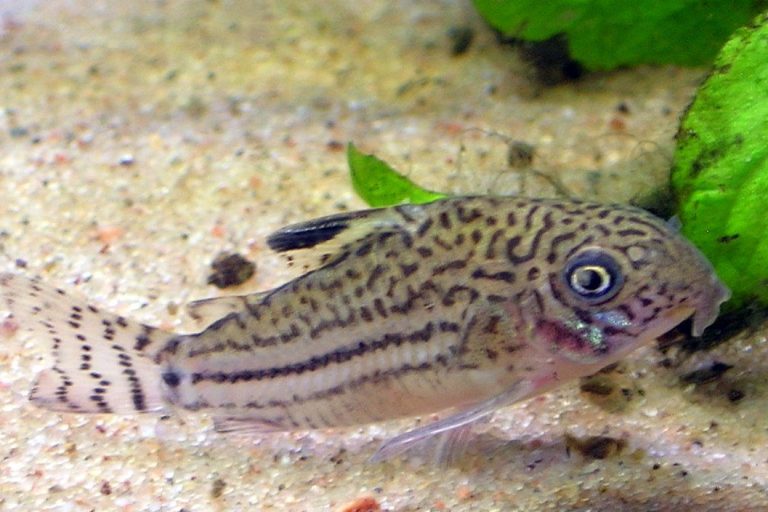
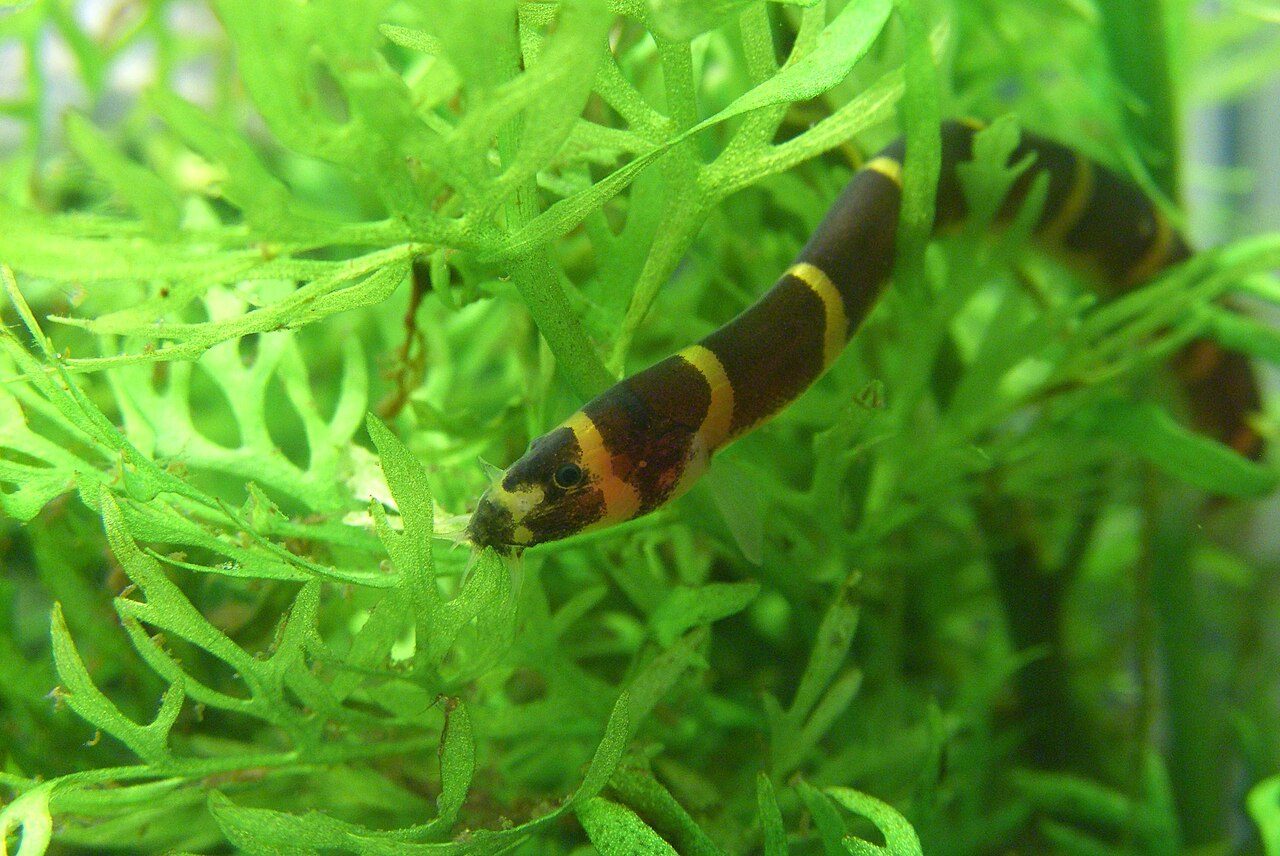
Consider the needs of your fish as well. Some bottom-dwelling species, like corydoras or loaches, prefer soft sand to protect their delicate barbels. Darker substrates can make fish colors pop, while lighter ones create a brighter, more open feel.
Incorporating Rocks, Wood, and Other Elements
Hardscape elements like rocks and driftwood are essential for creating depth, focal points, and hiding places for fish. Driftwood, in particular, adds a natural, organic feel and can release tannins that create a desirable “blackwater” effect, mimicking certain natural habitats. Rocks can be used to form dramatic cliffs, serene valleys, or intricate caves.
When selecting hardscape, aim for pieces that complement your chosen theme. For an Iwagumi style, select a few aesthetically pleasing stones that work together to form a cohesive composition. For a jungle tank, intertwining pieces of driftwood can create a dense, root-like structure. Always consider the scale of your tank; oversized pieces can make a small tank feel cramped, while too many small pieces can look cluttered.
Pro Tip: Preparing Driftwood is Key.
Most driftwood needs to be thoroughly cleaned and soaked before going into your aquarium. This process, often called “curing,” helps leach out tannins (reducing initial water discoloration) and ensures the wood sinks. I’ve noticed that boiling driftwood for several hours, changing the water regularly, can significantly speed up this process and also sterilize it, preventing unwanted hitchhikers.
Making sure Safety and Stability
Safety is the top priority when adding hardscape. Always make sure any rocks or wood are stable and won’t shift or fall, potentially cracking the tank glass or trapping fish. Heavy rocks should be placed directly on the bottom glass, not on the substrate, to prevent them from digging down and collapsing.
Wash all hardscape thoroughly before adding it to your tank. Boiling or soaking wood and scrubbing rocks can help remove any unwanted debris, pesticides, or pollutants. Avoid collecting rocks from unknown outdoor sources, as they might contain harmful minerals or chemicals.
Bringing Life: Plants and Decor for Dynamic Displays
With the foundation set, it’s time to introduce the living elements that transform your tank into a bright ecosystem. Live plants are not just decorative; they play a vital role in water quality and fish health.
Selecting Live Plants for Visual Appeal and Function
Choosing the right plants involves considering their growth habit, color, texture, and light requirements. Foreground plants, like dwarf hairgrass or Monte Carlo, create a leafy carpet effect. Midground plants, such as Cryptocoryne or Anubias, add texture and fill in space. Background plants, like Vallisneria or Amazon swords, provide height and a sense of depth.
Mixing plants with different leaf shapes and colors adds visual interest. Red-leaved plants can create eye-catching focal points against a backdrop of green. Beyond aesthetics, live plants oxygenate the water, absorb nitrates, and provide essential hiding spots for your fish, contributing to a healthier environment.
Strategic Placement: Crafting Depth and Flow
The way you arrange your plants and hardscape is where true aquascaping artistry comes into play. Techniques like the rule of thirds or the golden ratio can help create visually appealing compositions. Avoid placing your focal point directly in the center; instead, offset it slightly.
Create distinct areas within your tank: an open swimming space, a dense planted zone, and a rocky retreat. Use taller plants and hardscape in the back and sides to give a sense of depth, gradually decreasing height towards the front. Think about leading the viewer’s eye through the scape, creating a natural flow.
The Role of Lighting in Improving Your Display
Proper lighting is critical for both plant growth and showing off your display. The right light spectrum can make your fish colors pop and highlight the bright greens and reds of your plants. Too little light will stunt plant growth, while too much can lead to excessive algae.
LED lights offer great flexibility in intensity and color temperature, allowing you to fine-tune the ambiance. Consider a timer to ensure a consistent photoperiod, typically 8-10 hours a day, which is beneficial for both plants and fish.
The Inhabitants: Fish and Invertebrates as Living Art
The fish and invertebrates are the dynamic, living components that bring your aquascape to life. Their colors, behaviors, and swimming patterns contribute significantly to the overall display.
Harmonizing Fish with Your Aquascape
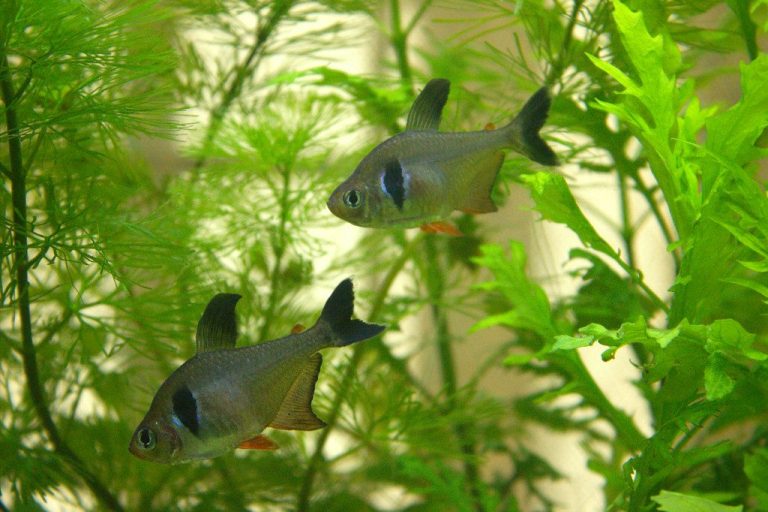
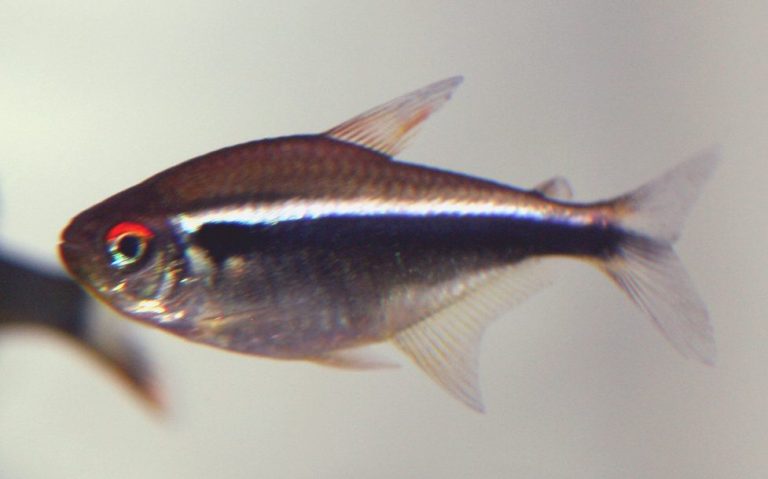
When selecting fish, consider how they will interact with and complement your aquascape. Small schooling fish, like various tetras or rasboras, look incredible swimming through open spaces or darting among plants. For a dense, heavily planted Neon Tetra tank, their bright colors provide a fantastic contrast.
Bottom dwellers like corydoras or plecos add activity to the substrate layer. Make sure the fish you choose are compatible in temperament and water parameter requirements. Overstocking can detract from the visual appeal and lead to stress and poor water quality.
Color and Form: Adding Dynamic Contrast
Think about the colors of your chosen fish in relation to your plants and hardscape. A school of bright red Rummy-nose Tetras against a green planted background is striking. Consider fish that occupy different levels of the water column to add movement throughout the tank.
For a vivid community fish tank, a mix of species with varying shapes, sizes, and colors can create an incredibly dynamic display. However, always prioritize the fish’s welfare over purely aesthetic choices. Healthy, happy fish will always be the most beautiful element of your display.
| Aquascape Style | Key Characteristics | Maintenance Level | Best Fish Types |
|---|---|---|---|
| Iwagumi | Minimalist, focus on rock arrangement, carpet plants. Open spaces. | Medium-High (precise trimming, algae control for carpets) | Small schooling fish (e.g., Celestial Pearl Danios, Ember Tetras) |
| Dutch | Dense groupings of various stem plants, rich colors, no hardscape. | High (frequent trimming, CO2 often required) | Small, peaceful fish that won’t uproot plants (e.g., Harlequin Rasboras, Dwarf Gouramis) |
| Jungle/Natural | Wild, overgrown look with driftwood, tall plants, dark substrate. | Medium (less precise trimming, occasional thinning) | Mid-sized schooling fish, peaceful cichlids, bottom feeders (e.g., Angelfish, Corydoras, Tetras) |
| Biotope | Replicates a specific natural habitat (e.g., Amazonian riverbed, Asian stream). | Varies (depends on complexity of habitat) | Fish native to the specific biotope being replicated |
| Minimalist/Zen | Sparse decor, clean lines, often a single focal point or open sandy areas. | Low (easy cleaning, less plant maintenance) | Solitary fish (e.g., Betta), small schooling fish, shrimp |
Beyond the Glass: External Display Elements
While the interior of your aquarium is the top priority, the elements surrounding the tank also play a significant role in its overall presentation. These external touches can improve your fish tank display ideas from good to spectacular.
Backgrounds and Backdrops
A simple background can dramatically bring out your aquascape. A solid black or frosted background can create a sense of depth and make the colors of your fish and plants pop. Naturalistic backgrounds, depicting underwater scenes or rock formations, can further immerse the viewer in the aquatic world.
I’ve found that a well-chosen background can hide unsightly equipment, like heaters and filters, allowing the focus to remain entirely on the beauty within the tank. It also helps to prevent fish from becoming stressed by movements outside the tank.
Stand and Cabinetry: Function Meets Form
The stand your aquarium rests on is more than just a support structure; it’s an integral part of your display. A sturdy, aesthetically pleasing stand can complement your room’s decor and provide valuable storage for aquarium equipment, food, and supplies. Many modern aquarium cabinets are designed to hide filtration systems, CO2 tanks, and oxygenation methods, maintaining a clean and uncluttered look.
Choose a stand that is rated for the weight of your full aquarium and that matches the style you’ve chosen for your tank and room. This attention to detail contributes to a polished, professional display.
Room Lighting and Overall Ambiance
The lighting in the room where your aquarium is located can also impact its appearance. Soft, ambient room lighting can create a cozy, inviting atmosphere that draws attention to the glowing aquarium. Avoid direct, harsh sunlight on the tank, as this can encourage algae growth and cause temperature fluctuations.
Consider how your aquarium interacts with the rest of the room’s lighting scheme. A well-placed aquarium light, combined with appropriate room lighting, can turn your tank into a eye-catching focal point, day or night.
Sustaining the Beauty: Maintenance for a Lasting Display
Creating a eye-catching aquascape is only half the battle; maintaining its beauty over time is the other. Regular, consistent maintenance is vital to keep your fish tank display ideas looking their best and making sure the health of its inhabitants.
Regular Cleaning and Scaping Adjustments
Routine maintenance, such as water changes, glass cleaning, and gravel vacuuming, is essential for water quality and aesthetics. For planted tanks, regular pruning of plants helps maintain their shape and prevents them from overgrowing and blocking light from other plants.
I often find myself making minor adjustments to the hardscape or repositioning plants during water changes. These small tweaks can keep the display looking fresh and balanced. It’s an ongoing process of refinement.
Algae Control and Troubleshooting Common Display Issues
Algae is a common challenge in any aquarium, but it can quickly detract from a beautiful display. Balancing light, nutrients, and CO2 (if applicable) is key to minimizing algae growth. Introducing algae-eating snails or shrimp can also be a helpful biological control.
Learning to identify common problems early, such as nutrient deficiencies in plants or signs of fish stress, allows you to address them before they significantly impact your display or the health of your aquatic pets. A well-maintained tank is proof of the aquarist’s dedication and knowledge.
Worth knowing before you start
- A tight lid reduces evaporation and keeps jumping fish inside.
- Check that the floor and stand can take the weight; water weighs about 8.3 lb per gallon, plus glass, rock and substrate.
- Set up and cycle the tank fully before buying fish, which usually takes 4–6 weeks.
- Rinse new substrate and decor in plain water; soap residue is toxic to fish.
Quick answers About Fish Tank Display Ideas
What’s the best way to start designing my first aquascape?
Begin by researching different aquascaping styles like Iwagumi, Dutch, or natural setups to find one that appeals to you. Then, sketch out your layout, starting with hardscape placement (rocks, wood) to establish structure, followed by plant zones. This planning phase is essential.
How do I choose decorations that are safe for my fish?
Always select decorations specifically designed for aquariums from reputable pet stores. Avoid items with sharp edges, toxic paints, or materials that can leach harmful chemicals into the water. Thoroughly rinse all decorations before adding them to your tank.
Can I mix different aquascape styles?
While some aquascapers prefer to stick to a single style, you can certainly blend elements from different styles to create a unique look. For example, you might combine the open spaces of an Iwagumi with the dense planting of a Dutch tank. The key is to keep the elements still create a peaceful and aesthetically pleasing composition.
How often should I re-scape my tank?
The frequency of re-scaping depends on your preference and the growth rate of your plants. Some aquarists enjoy re-scaping every few months for a fresh look, while others prefer to maintain a stable setup for years. Regular pruning and minor adjustments can keep a scape looking good without a complete overhaul.
Where that leaves you
Creating a eye-catching aquarium display is a deeply satisfying aspect of fish keeping. It allows you to express your creativity while providing a beautiful, healthy home for your aquatic inhabitants. By thoughtfully considering your theme, carefully selecting your substrate and hardscape, strategically placing plants, and choosing fish that complement your design, you can transform your tank into a eye-catching underwater world.
The journey of aquascaping is one of continuous learning and refinement. Don’t be afraid to experiment, learn from your experiences, and enjoy the process. With these fish tank display ideas and a little patience, you’ll soon have an aquarium that is not just a tank, but a true aquatic showpiece.

- 2003First tank
- 20+Years keeping
- 40+Tanks kept
- 0Sponsored picks
Howard set up his first 10-gallon planted tank in 2003 and lost half of it within six weeks. Two decades and more than forty aquariums later, he writes the guides he wished he had then: clear numbers, the reasons behind them, and what actually goes wrong in home tanks.