Display Fish Tank – Setup Checklist
A display fish tank is an aquarium carefully designed and maintained to serve as an aesthetically pleasing focal point in any space, showing off rich aquatic life and intricate aquascapes for maximum visual impact and enjoyment.
Welcome to Successful Aquarium. As aquarists, we all dream of that striking aquatic showpiece – a healthy underwater world that captivates anyone who lays eyes on it. More than just a home for your fish, a exceptional display fish tank becomes a living piece of art, a dynamic focal point that transforms a room.
Achieving this level of aquatic artistry requires more than just filling a tank with water and fish. It demands careful planning, thoughtful design, and a deep understanding of the delicate balance within an aquatic ecosystem. After over a decade of personal experience setting up and maintaining countless aquariums, I’ve learned that the secret lies in harmonizing aesthetics with the biological needs of your inhabitants.
This comprehensive guide will walk you through every step of creating your own striking display fish tank, from initial concept to ongoing maintenance. We’ll cover everything from selecting the right hardware to crafting remarkable aquascapes and making sure the long-term health of your aquatic residents. Get ready to turn your aquarium dreams into a colorful reality!
What Makes a Great Display Fish Tank?
A great display fish tank isn’t just about size or expensive equipment; it’s about the synergy of all its components. It’s an environment where the health and vitality of the fish and plants are the top priority, creating a bright, dynamic scene.
The concept extends beyond mere functionality. It encompasses visual appeal, the intricate balance of the ecosystem, and the overall impression it leaves on an observer. A well-executed display tank tells a story, evokes tranquility, or simply amazes with its natural beauty.
Beyond the Basic Aquarium
Unlike a utilitarian breeding tank or a simple holding tank, a display aquarium prioritizes aesthetics without compromising the well-being of its inhabitants. Every element, from the substrate to the filtration system, is chosen with both beauty and biological function in mind.
This means considering how light interacts with the water, how plants grow, and how fish species complement each other in their movements and colors. It’s a holistic approach that improves fish keeping to an art form.
Choosing Your Canvas: Tank Types and Sizes
The foundation of any spectacular display fish tank is the aquarium itself. The choice of tank will dictate your aquascaping possibilities, stocking options, and even the type of equipment you’ll need.
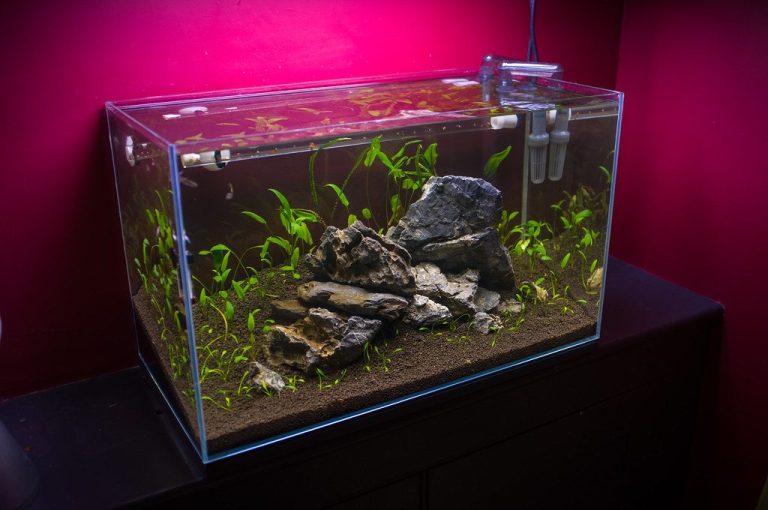
When selecting your tank, think about the overall aesthetic you’re aiming for and the space it will occupy. Rimless tanks, for instance, offer a sleek, modern look that smooth integrates into contemporary decor.
Rimless vs. Braced Tanks
Modern aquariums often come in two primary configurations: rimless or with a top brace. Both have their advantages and disadvantages for a display setup.
Rimless tanks, constructed with thicker low-iron glass for maximum clarity and structural integrity, are highly popular for their minimalist appeal. The absence of a plastic rim creates an unobstructed view of the aquascape, boosting the visual impact.
These tanks typically rely on strong rimless silicone bonding techniques for structural support. While beautiful, they often require a precise leveling mat and careful handling due to the exposed glass edges.
Braced tanks, on the other hand, feature a plastic or glass brace around the top perimeter. This brace adds significant structural support, making them less prone to bowing, especially in larger volumes. However, the brace can obstruct the view slightly and sometimes makes maintenance tasks, like reaching into the tank, a bit more challenging.
Selecting the Right Size
Size matters, not just for the fish you plan to keep, but for the visual presence of your display. Larger tanks offer more stability in water parameters and greater creative freedom for aquascaping.
However, they also come with increased cost, weight, and maintenance requirements. Always consider the long-term commitment before settling on a behemoth.
Pro Tip: Location, Location, Location. Before buying any tank, especially a large one, carefully measure your desired location. Consider not just the tank’s footprint but also access for maintenance, proximity to electrical outlets, and the structural integrity of your floor. A 100-gallon tank weighs over 1,000 pounds when full.
Here’s a quick comparison of common tank types:
| Tank Type | Advantages | Disadvantages | Best For |
|---|---|---|---|
| Standard Braced | Cost-effective, very strong, widely available. | Top brace can obstruct view and access, less “modern” aesthetic. | Beginners, budget-conscious, very large tanks where bracing is critical. |
| Rimless | Sleek, modern look, unobstructed viewing, clear low-iron glass. | More expensive, heavier glass, requires precise leveling, can have higher evaporation. | High-end aquascaping, minimalist aesthetics, experienced hobbyists. |
| All-in-One (AIO) | Integrated filtration, compact, clean appearance, great for smaller setups. | Limited customization for filtration, smaller display area in some models. | Nano tanks, beginners wanting a streamlined setup, offices. |
Crafting the Underwater Landscape: Aquascaping Principles
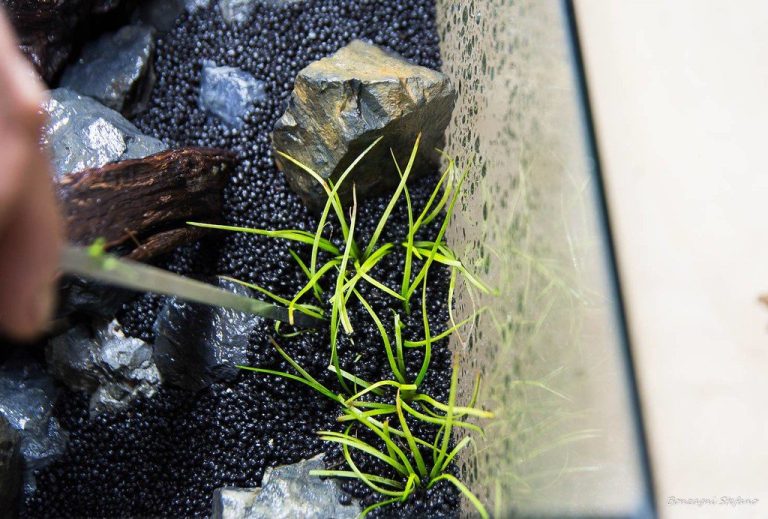
Aquascaping is the art of arranging aquatic plants, rocks, driftwood, and substrate in an aesthetically pleasing manner within an aquarium. For a display fish tank, this is where your creativity shines.
A well-designed aquascape provides visual interest for you and stimulating territories for your fish. It’s about creating depth, balance, and a natural flow that draws the eye.
Understanding Design Principles
Successful aquascaping often borrows principles from traditional landscape design and art. Concepts like the rule of thirds, golden ratio, and focal points are incredibly effective.
Consider creating a sense of depth by placing larger elements in the foreground and smaller ones in the background. Utilize negative space to highlight key features and prevent the tank from looking cluttered.
Popular Aquascaping Styles
There are several established aquascaping styles, each with its unique charm:
- Nature Aquarium: Pioneered by Takashi Amano, this style mimics natural landscapes, often featuring intricate arrangements of wood and rocks adorned with dense plant growth.
- Iwagumi Composition: A Japanese style focused on rock arrangements, typically using three main stones (a large “main” stone, a smaller “secondary” stone, and an even smaller “tertiary” stone) to create a striking, minimalist landscape. Carpeting plants are often used to soften the rocks.
- Dutch Style: Emphasizes dense planting of various plant species, focusing on contrasting leaf shapes, colors, and heights to create a colorful underwater garden without much hardscape.
- Biotopes: Replicates a specific natural habitat, including the correct substrate, plants, and fish species from that region. This is less about artistic arrangement and more about ecological accuracy.
Substrate, Hardscape, and Live Plants
Your choice of substrate is essential. For planted tanks, nutrient-rich substrates are essential, providing a cation exchange capacity that helps plants absorb nutrients. Inert sands or gravels are suitable for fish-only setups or tanks with minimal plant requirements.
Hardscape elements like driftwood and rocks add structure and interest. Always make sure they are aquarium-safe and won’t leach harmful substances into the water. Boiling driftwood helps to sterilize it and reduce tannins.
Live plants are the living heart of a display tank. They look beautiful and also contribute to water quality by consuming nitrates and producing oxygen. For vigorous plant growth, especially in high-tech setups, consider pressurized CO2 diffusion and adequate Photosynthetically Active Radiation (PAR) from your lighting system.
The Heart of the System: Filtration, Heating, and Lighting
Behind every eye-catching display fish tank is a solid life support system. Proper filtration, consistent heating, and appropriate lighting are non-negotiable for a healthy and rich aquatic environment.
These components work together to maintain stable water parameters, support plant growth, and keep your fish stable.
Filtration: The Unseen Guardian
Effective filtration is the top priority. It involves mechanical filtration to remove particulate matter, chemical filtration to absorb dissolved impurities, and most critically, biological filtration.
Biological filtration relies on beneficial nitrifying bacteria that convert toxic ammonia and nitrite into less harmful nitrate. Canister filters are often preferred for display tanks due to their large media capacity and ability to hide plumbing, maintaining a clean aesthetic.
Common Mistake: Under-filtering. Many beginners underestimate the importance of filtration. Always aim for a filter rated for a tank size larger than your actual aquarium, especially for heavily stocked or planted tanks. Pay attention to the canister filter flow rate and ensure it circulates the entire tank volume multiple times per hour. Adding a surface film skimmer to your filter intake can also dramatically improve clarity by removing unsightly surface films.
Heating and Temperature Stability
Most tropical fish require stable water temperatures. A reliable heater, appropriately sized for your tank, is essential. Fluctuations in temperature can stress fish and make them susceptible to disease.
In my experience, using two smaller heaters rather than one large one can offer a safeguard. If one fails, the other can still provide some heat, preventing a catastrophic temperature drop. Always make sure your heater has an accurate thermostat.
Lighting: Fueling Life and Aesthetics
Lighting serves two critical functions: illuminating your aquascape for viewing and providing the necessary energy for photosynthesis in live plants. The type and intensity of light will depend heavily on whether your display tank is fish-only or heavily planted.
For planted tanks, full-spectrum LED lights with adjustable intensity and color temperature are ideal. They allow you to dial in the perfect amount of Photosynthetically Active Radiation (PAR) to support healthy plant growth without encouraging excessive algae.
Populating Your Showpiece: Fish and Plant Selection
The inhabitants are what bring your display fish tank to life. Careful selection of fish and plants, keeping their compatibility and suitability for your setup, is important for long-term success and a peaceful ecosystem.
Think about the natural behaviors, adult sizes, and specific needs of each species before introducing them to your tank. A well-researched stocking plan prevents future conflicts and ensures all inhabitants stay healthy.
Choosing Compatible Fish
Compatibility goes beyond just aggression. Consider adult size, water parameter requirements (pH, hardness, temperature), swimming levels, and dietary needs. For example, a peaceful community tank with small tetras would not be suitable for large, aggressive cichlids.
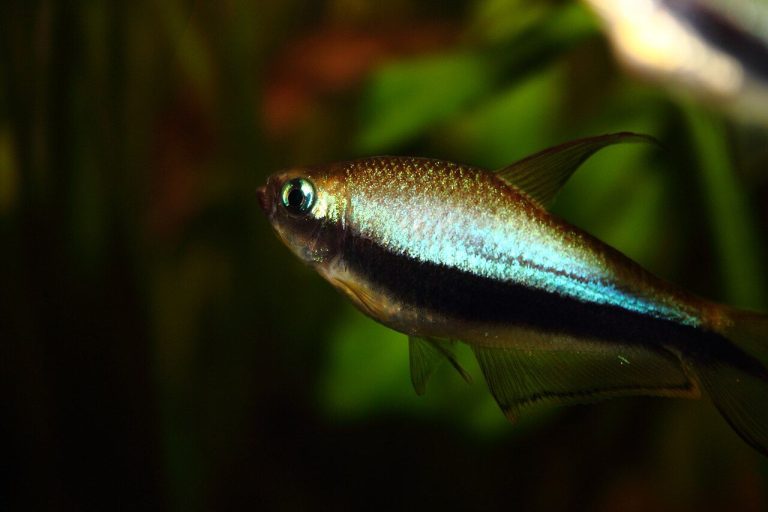
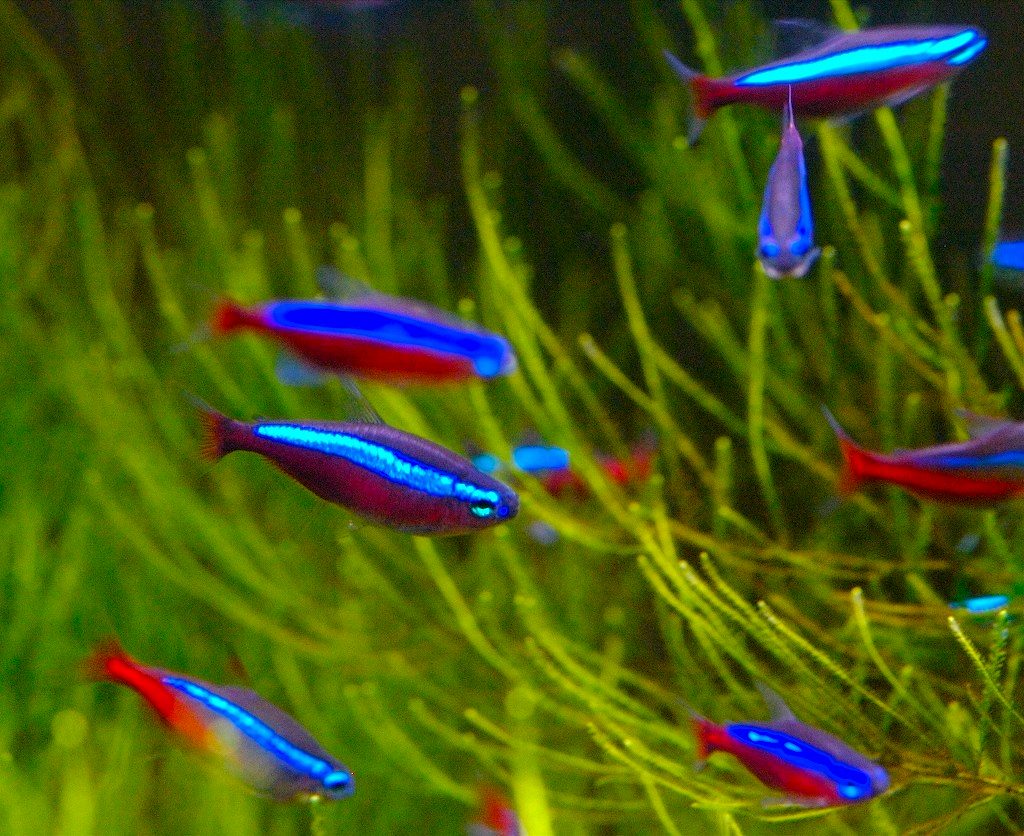
When selecting community fish, aim for species that occupy different areas of the tank (bottom, middle, top) to create visual interest and utilize all available space. Schooling fish like Neon Tetras look particularly impressive in a well-planted display.
For those seeking a majestic centerpiece, species like Symphysodon (Discus fish) can be eye-catching, but they demand highly stable water parameters and dedicated care. Always research thoroughly before committing to advanced species.
Planting for Success
Just like fish, plants have varying requirements for light, CO2, and nutrients. Match your plant choices to your lighting and CO2 setup. Low-tech plants like Anubias, Java Fern, and various mosses are forgiving and beautiful.
High-tech plants, such as many stem plants and carpeting species, demand intense light, CO2 injection, and often a nutrient-rich substrate. These can create incredibly leafy and intricate aquascapes but require more consistent attention.
Stocking and Compatibility Considerations
Here’s a simplified guide for common freshwater community tank fish, suitable for many display setups:
| Fish Species | Typical Adult Size | Minimum Tank Size | Temperament | Notes |
|---|---|---|---|---|
| Neon Tetra | 1.5 inches | 10 gallons (for a school) | Peaceful, schooling | Needs a school of 6+, sensitive to water changes. |
| Cardinal Tetra | 2 inches | 15 gallons (for a school) | Peaceful, schooling | Similar to Neons, but often hardier and more bright. |
| Corydoras Catfish | 1.5-3 inches (species dependent) | 10 gallons (for a small group) | Peaceful, bottom dweller | Needs sand or smooth gravel to protect barbels, keep in groups. |
| Harlequin Rasbora | 1.75 inches | 10 gallons (for a school) | Peaceful, schooling | Great with other peaceful community fish, good for planted tanks. |
| Dwarf Gourami | 2-2.5 inches | 10 gallons (single male) | Peaceful, can be territorial with other males | Beautiful centerpiece fish, provide plenty of hiding spots. |
Always introduce new fish carefully, preferably after a period of observation quarantine to prevent introducing diseases to your main display tank.
Maintaining the Spectacle: Ongoing Care and Troubleshooting
A magnificent display fish tank isn’t a “set it and forget it” endeavor. Consistent, mindful maintenance is the backbone of its beauty and the health of its inhabitants. This routine care helps keep water quality remains pristine and your aquascape flourishes.
Regular maintenance prevents most problems before they even start, keeping your underwater world colorful and clear for all to admire.
Regular Maintenance Schedule
Consistency is key. Establishing a routine helps you stay on top of tasks and understand the natural rhythms of your tank. In my experience, a little effort often prevents big headaches.
This includes everything from feeding to filter cleaning and water parameter checks. Don’t skip steps; each plays a vital role.
| Frequency | Task | Description |
|---|---|---|
| Daily | Feed fish, check for abnormal behavior, inspect equipment (heater, filter flow), check temperature. | Quick visual check of fish health, making sure everything is running smoothly. |
| Weekly | Perform 25-30% water changes, clean glass/acrylic, prune plants, dose fertilizers (if needed), test water parameters (ammonia, nitrite, nitrate, pH). | Removes nitrates, refreshes trace elements, keeps tank looking pristine and parameters stable. |
| Monthly | Clean filter media (rinse in old tank water), deep clean substrate (if needed), wipe down exterior of tank/canopy. | Maintains filter efficiency and prevents detritus buildup. |
| Quarterly/Bi-Annually | Replace chemical filter media (carbon, purigen), deep clean external filter hoses, check and calibrate thermometers. | Helps keep right filtration and equipment accuracy. |
Troubleshooting Common Issues
Even with the best care, issues can arise. Understanding how to diagnose and address common problems is part of being a successful aquarist.
- Algae Blooms: Often caused by excess light, nutrients (nitrates, phosphates), or insufficient CO2. Adjust lighting duration/intensity, increase water changes, or add fast-growing plants.
- Cloudy Water: Can be bacterial bloom (new tanks, overfeeding), particulate matter (insufficient mechanical filtration), or algae. Check parameters, reduce feeding, or increase mechanical filtration.
- Fish Illness: Observe fish daily for signs like clamped fins, spots, labored breathing, or abnormal swimming. Promptly diagnose and treat in a separate quarantine tank to avoid spreading to your display.
Always keep in mind that patience and observation are your best tools in troubleshooting. Most problems have a solution if caught early.
Worth knowing before you start
- A tight lid reduces evaporation and keeps jumping fish inside.
- Check that the floor and stand can take the weight; water weighs about 8.3 lb per gallon, plus glass, rock and substrate.
- Set up and cycle the tank fully before buying fish, which usually takes 4–6 weeks.
- Rinse new substrate and decor in plain water; soap residue is toxic to fish.
FAQ: Your Display Fish Tank Questions Answered
1. What is the ideal temperature for a freshwater display fish tank?
For most common tropical freshwater fish, an ideal temperature range is between 75-80°F (24-27°C). However, always research the specific needs of your chosen species, as some may prefer slightly cooler or warmer conditions. Maintaining a stable temperature is more important than hitting an exact number.
2. How often should I clean the substrate in my display tank?
For a planted display tank, aim for a light substrate vacuum during your weekly water changes, targeting only visible detritus to avoid disturbing plant roots and beneficial bacteria. In a fish-only tank, a more thorough vacuuming monthly or bi-weekly helps remove uneaten food and waste. Avoid deep cleaning the entire substrate at once, as it can disrupt the nitrogen cycle.
3. Can I mix different types of fish in a display tank?
Yes, absolutely. Creating a community fish tank with various species is a hallmark of a great display. However, it’s essential to select species that are compatible in terms of temperament, adult size, and water parameter requirements. Research each species carefully to prevent aggression, stress, or undue competition for resources.
4. How do I prevent excessive algae growth in my display aquarium?
Algae is often a sign of an imbalance. To prevent it, make sure your lighting duration is not too long (typically 8-10 hours), avoid overfeeding your fish, perform regular water changes to reduce nitrates and phosphates, and consider adding fast-growing live plants to outcompete algae for nutrients. Introducing certain algae-eating fish or invertebrates can also help.
Conclusion: Your Journey to a Striking Display
Creating a magnificent display fish tank is a deeply satisfying journey. It combines art, science, and a passion for aquatic life into a single, striking endeavor. From selecting the perfect low-iron glass canvas to carefully crafting an Iwagumi composition and making sure best Photosynthetically Active Radiation for your plants, every decision contributes to the final showpiece.
Patience is essential. An established, healthy aquarium takes time to mature. Don’t be discouraged by initial challenges; they are part of the learning process. With consistent care, attention to detail, and a genuine love for your aquatic inhabitants, you will undoubtedly create a beautiful living artwork that brings joy and tranquility to your home or office.
At Successful Aquarium, we’re dedicated to helping you achieve your aquatic dreams. Keep learning, keep observing, and most importantly, keep enjoying your incredible underwater world.
- 2003First tank
- 20+Years keeping
- 40+Tanks kept
- 0Sponsored picks
Howard set up his first 10-gallon planted tank in 2003 and lost half of it within six weeks. Two decades and more than forty aquariums later, he writes the guides he wished he had then: clear numbers, the reasons behind them, and what actually goes wrong in home tanks.