Axolotle Care – Diet, Tank and Tank Mates
Successful axolotle care requires cold, pristine water (60–68°F), a spacious tank with fine-grained silica sand, and a strict diet of high-quality proteins like earthworms to ensure their lifelong health and well-being.
At a glance: Axolotl (Ambystoma mexicanum)
- Temperature
- 60–64°F (16–18°C)
- Water pH
- 7.0–8.0
- Adult size
- 9–12 in (23–30 cm)
- Minimum tank
- 20 gal long for one
- Group size
- Alone or same-size adults
- Temperament
- Peaceful, no fish tank mates
- Diet
- Carnivore: earthworms, axolotl pellets, bloodworm
- Lifespan
- 10–15 years
Keeper’s tip: Water above 70°F stresses axolotls quickly; a fan or chiller is often needed in summer.
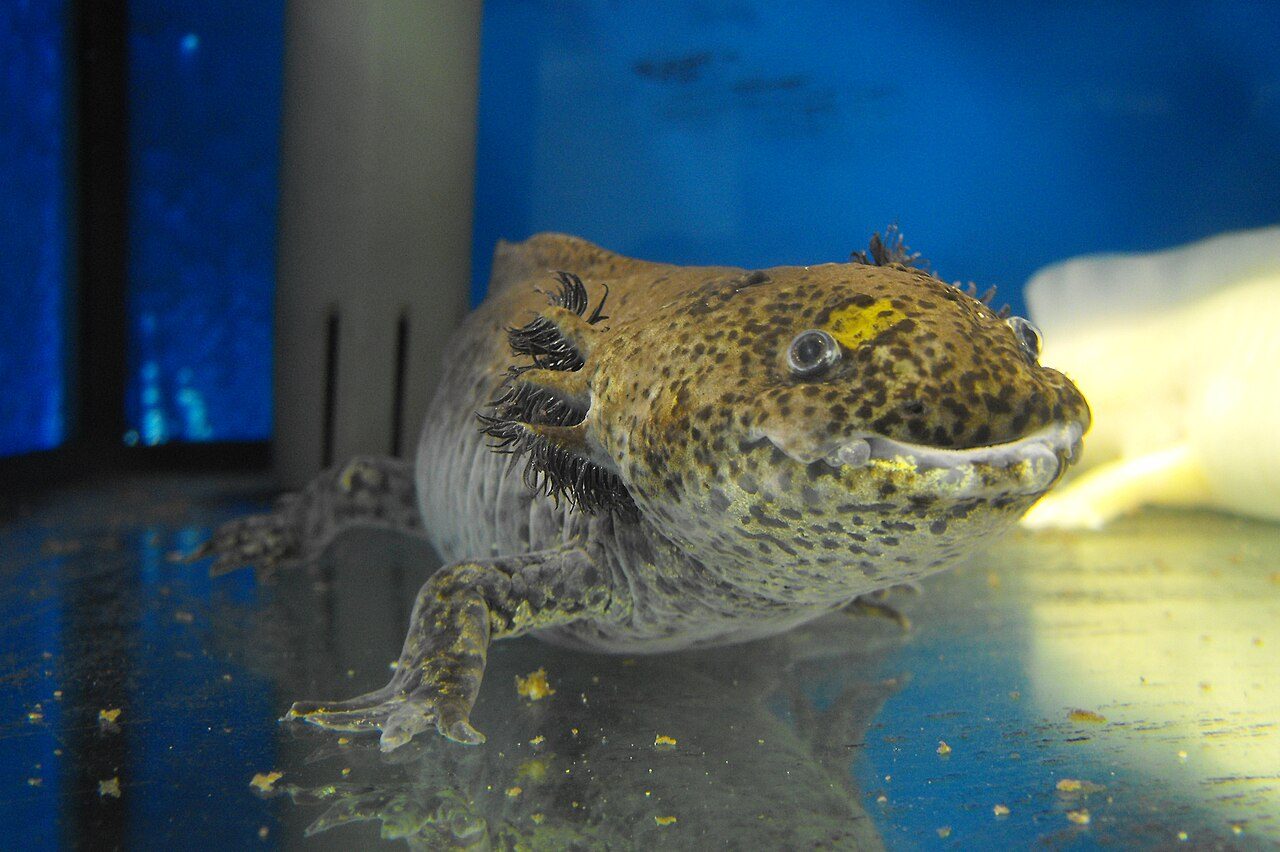
Keeping an Ambystoma mexicanum is a rewarding experience that differs significantly from traditional fish keeping. These unusual creatures are famous for their neoteny, meaning they retain their larval features—like their iconic external branchiae—throughout their entire lives. Because they never metamorphose into land-dwelling salamanders, your primary goal is to recreate a stable, cool-water environment that mimics their native lake beds.
Understanding the Basics of Axolotl Biology
When you first bring home an axolotl, you are essentially caring for a permanent aquatic juvenile. They are sensitive to their surroundings, and maintaining high water quality is non-negotiable. Unlike many tropical fish, these animals cannot tolerate warm water and will quickly become stressed if the temperature fluctuates above 70°F.
Successful keepers prioritize stable parameters over everything else. Because they are heavy waste producers, you must have a sturdy filtration setup that doesn’t create a strong current, as they prefer calm, still water.
| Parameter | Ideal Range |
|---|---|
| Temperature | 60°F – 68°F |
| pH Level | 7.4 – 7.6 |
| Ammonia/Nitrite | 0 ppm (Absolute) |
| Nitrate | Below 20 ppm |
Essential Tank Setup and Filtration
The most critical aspect of axolotle care is the substrate choice. You should never use gravel, as axolotls are suction feeders and will inevitably ingest small stones, leading to fatal impaction. I always recommend fine-grained silica sand, which is safe for them to pass if swallowed.
For filtration, I swear by sponge filtration. It provides excellent biological housing for nitrifying bacteria without creating the high-flow environments that stress these animals. If you have a large tank, consider a low-flow canister filter with a spray bar directed toward the glass to break the current.
Pro Tip: Never rely on “cooling fans” during a heatwave. If you live in a warm climate, invest in an aquarium chiller. It is the only reliable way to keep the water temperature within their comfort zone consistently.
Monitoring Water Quality and Ammonia Toxicity
Because axolotls are sensitive, ammonia toxicity is a constant threat. Your tank must be fully cycled before you ever add your pet. Keep in mind that their waste is potent; I perform weekly water changes of about 20-25% to keep nitrates in check.
Never use water conditioners that contain aloe or other additives, as these can irritate their delicate slime coats. Stick to basic, high-quality dechlorinators. If you notice your axolotl’s gills curling forward or becoming pale, check your water parameters immediately, as these are often the first signs of stress.
Proper Nutrition and Feeding Habits
Feeding an axolotl is straightforward but requires consistency. They are carnivores, and their staple diet should consist of high-quality earthworms, specifically Eisenia fetida (often sold as red wigglers). These provide the essential vitamins and minerals they need to do well.
Avoid feeding them feeder fish from pet stores, as these carry a high risk of parasites and diseases. If you are struggling to find a variety of foods, you can supplement with specialized sinking pellets, but keep the core of their diet focused on fresh, clean proteins.
Common Mistake: Overfeeding is a major issue for beginners. If the axolotl refuses food or leaves pieces behind, remove the excess immediately. Rotting food creates ammonia spikes that can severely damage their gills.
Health and Disease Prevention
Common health issues often stem from poor water quality. One of the most frequent problems is Saprolegnia, a type of water mold that appears as fuzzy, white patches on the body or gills. This is almost always an indicator that the water is too warm or the biological balance is off.
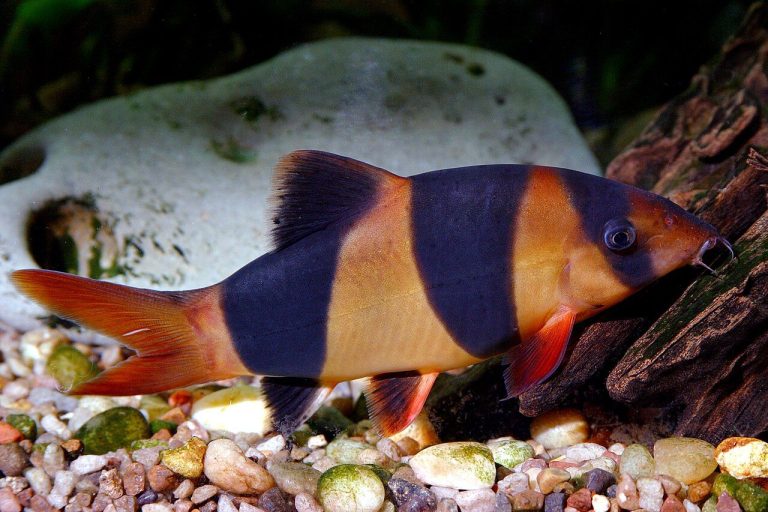
When your water is clean and cool, your axolotl will rarely get sick. If you are interested in keeping other species, help they are compatible. In my experience, it is almost always best to keep axolotls in a species-only tank to avoid territorial disputes or accidental nipping. If you want to add some diversity to your fish room, you might look into hardy species like a cory catfish for a separate, warmer setup.
Reader questions
How big of a tank do I need? A single adult needs at least a 20-gallon long tank. Bigger is always better to help maintain stable water parameters.
Can I keep plants with my axolotl? Yes, but choose hardy, low-light plants like Anubias or Java Fern that can be tied to driftwood. Axolotls like to rearrange their environment, so rooted plants might get dug up.
Do they need a light? Axolotls do not have eyelids and prefer dim lighting. If you use aquarium lights, ensure they are not too bright and provide plenty of hiding spots like caves or large pieces of slate where they can escape the glare.
Before you go
Successfully keeping an axolotl is all about diligence and preparation. If you focus on low temperatures, safe substrate, and pristine water quality, you create an environment where these “water monsters” can flourish for over a decade. The key to long-term success is patience during the initial cycling phase and consistency in your maintenance routine. Enjoy the process of observing these prehistoric-looking creatures—there really is nothing else like them in the hobby!

- 2003First tank
- 20+Years keeping
- 40+Tanks kept
- 0Sponsored picks
Howard set up his first 10-gallon planted tank in 2003 and lost half of it within six weeks. Two decades and more than forty aquariums later, he writes the guides he wished he had then: clear numbers, the reasons behind them, and what actually goes wrong in home tanks.