Aquaculture Is Extensively Practiced In This Region
Aquaculture is extensively practiced in this region to support sustainable food production and ornamental fish supplies by utilizing advanced recirculating systems and bio-secure breeding techniques to optimize aquatic health.
When we look at global trends, it is clear that aquaculture is extensively practiced in this region, shaping not just commercial food supply but the very methods we use in our home aquariums. Whether you are keeping a simple community tank or managing a sophisticated reef system, the technology and biological principles used by professionals are now within our reach.
I have spent over a decade maintaining various setups, and I’ve noticed that many hobbyists overlook the professional-grade science that makes their tanks settle in. Once you understand how large-scale systems operate, you can better manage your own Nitrifying bacteria consortia and water chemistry.
Why Aquaculture is Extensively Practiced in This Region and Beyond
The prevalence of these practices isn’t just about volume; it’s about control. In commercial settings, operators monitor Total Ammonia Nitrogen (TAN) levels with scientific precision to help the survival of sensitive species.
For the home aquarist, this translates to the importance of high-quality filtration. We no longer rely on simple mechanical sponges alone; we incorporate biological media that mimics the efficiency of industrial bio-filters.
Pro Tip: When setting up a new tank, do not rush the nitrogen cycle. Even if you use bottled bacteria, allow your filter to build up its own colony of nitrifying bacteria before adding a heavy bioload.
Implementing Recirculating Aquaculture Systems at Home
While most of us aren’t running massive Recirculating Aquaculture Systems (RAS) in our basements, the core logic remains the same. A successful RAS focuses on water conservation and strict waste removal.
In my experience, the biggest failure point for home tanks is the lack of oxygenation. High Dissolved Oxygen saturation is critical for both commercial stock and your favorite aquarium tetras or shrimp.
| Parameter | Target Level | Why It Matters |
|---|---|---|
| Total Ammonia Nitrogen (TAN) | 0 ppm | Prevents chemical burns and stress. |
| Dissolved Oxygen | > 6 mg/L | Supports metabolic activity and health. |
| Nitrate (NO3) | Below 20 ppm | Reduces algae growth and fish stress. |
Advanced Breeding Techniques and Bio-Security
When we discuss breeding species like Oreochromis niloticus or sensitive shrimp, bio-security becomes the top priority. Professionals often source Specific Pathogen Free broodstock to prevent the introduction of diseases that can wipe out an entire population overnight.
As a hobbyist, you should practice similar vigilance. Always quarantine new arrivals before introducing them to your established community tank.
Common Mistake: Many beginners skip the quarantine process because the fish “look healthy.” Many pathogens are invisible, and a 4-week quarantine is the best insurance policy for your existing livestock.
Modern Innovations: Biofloc and Ozonization
You might have heard of Biofloc technology, which turns waste into a protein-rich food source. While it is difficult to maintain in a standard glass tank, the principle of creating a healthy microbial environment is the holy grail of aquarium keeping.
Furthermore, the use of Ozonization in large-scale setups is becoming more common to clarify water and destroy pathogens. If you are interested in how these commercial lessons apply to your hobby, check out this guide on the basics of fish culture to expand your knowledge.
Managing Species-Specific Needs
Whether you are dealing with cold-water Salmo salar or tropical invertebrates like Penaeus monodon, the environment must be tailored to the species. One size does not fit all.
I’ve noticed that hobbyists often fail because they try to force fish into water parameters that don’t match their natural habitat. Always research the origin of your fish before you bring them home.
Quick checklist
- Stocking density drives water quality in any aquaculture setup; more fish per gallon means more filtration and aeration.
- In aquaponics the fish are the nutrient source, so feeding rate sets how many plants the system can support.
- Tilapia, goldfish and koi are common aquaponics fish because they tolerate a wide range of conditions.
- Dissolved oxygen is the first limit in aquaculture ponds; aerate at night, when plants and algae consume oxygen too.
Common questions
Is it hard to replicate professional aquaculture at home?
It is not necessarily hard, but it requires patience and discipline. You don’t need the massive equipment, but you do need to understand the underlying water chemistry.
Can I use commercial aquaculture feed for my aquarium fish?
Be careful. Commercial feeds are often designed for rapid growth rather than long-term health or color vibrancy. Always read the label and ensure the nutritional profile matches your specific fish.
Why is water quality control so emphasized?
In closed systems, waste products accumulate quickly. If you want to turn your hobby into a venture, you must master the art of water testing and consistent maintenance.
How do I know if my oxygen levels are low?
If your fish are gasping at the surface, your oxygen levels are critical. Adding an air stone or increasing surface agitation is the fastest way to resolve this.
A last word
The fact that aquaculture is extensively practiced in this region provides us with a wealth of data we can use to make our own aquariums flourish. If you focus on stable water parameters, proper filtration, and strict quarantine practices, you can emulate the success of the pros.
Every great aquarium is built on a foundation of consistent maintenance and a deep respect for the biology of the animals we keep.
- 2003First tank
- 20+Years keeping
- 40+Tanks kept
- 0Sponsored picks
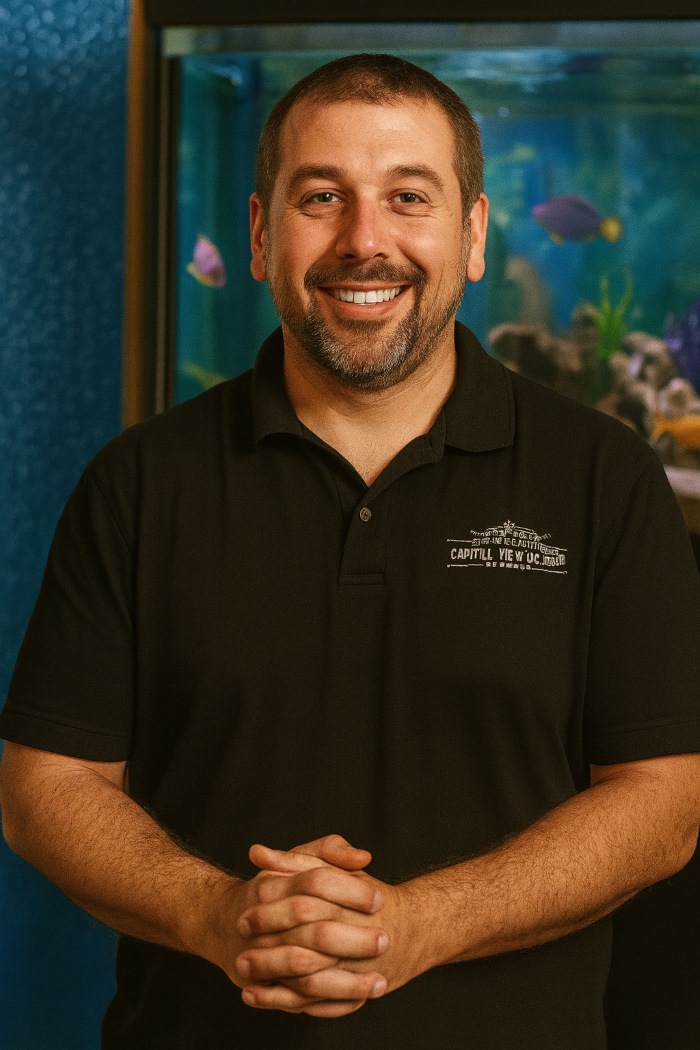
Howard set up his first 10-gallon planted tank in 2003 and lost half of it within six weeks. Two decades and more than forty aquariums later, he writes the guides he wished he had then: clear numbers, the reasons behind them, and what actually goes wrong in home tanks.