Freshwater Fish Tank Mates – Compatibility Guide
Freshwater fish tank mates are compatible species that share similar water parameters, temperaments, and dietary needs. Successful pairings prioritize peaceful social dynamics, appropriate tank sizes, and balanced bioloads to help a healthy, stable aquatic environment.
Building a rich community aquarium is one of the most satisfying aspects of the fish-keeping hobby.
In my experience, the secret to a healthy display isn’t just about picking the prettiest colors, but about understanding how different species interact.
Choosing the right freshwater fish tank mates requires a blend of biological knowledge and observation of natural behaviors.
Over the last decade, I have seen many beginners struggle with “aquarium chaos” simply because they overlooked a few basic rules of compatibility.
This guide will walk you through everything you need to know to create a peaceful underwater world where every inhabitant can flourish.
Understanding the Fundamentals of Compatibility
Before you head to your local fish store, you must understand that not all fish are created equal.
Compatibility is rooted in three main pillars: water chemistry, social behavior, and physical size.
If you ignore these, you risk chronic stress, disease, or even the loss of your favorite specimens.
pH Tolerance Ranges and Chemistry
Every fish species has evolved to stay healthy in specific water conditions, often referred to as their niche.
Some fish, like African Cichlids, prefer hard, alkaline water, while many Tetras settle in in soft, acidic environments.
When selecting tank mates, you must ensure their pH tolerance ranges overlap significantly to avoid metabolic stress.
Species-Specific Temperature Requirements
Temperature is another critical factor that many hobbyists overlook when mixing species.
A “tropical” label is often too broad; some fish prefer the cooler end of the spectrum (72°F), while others need it much warmer (82°F).
Always cross-reference the species-specific temperature requirements before introducing a new inhabitant to your community.
Pro-Tip: I always recommend setting your heater to the “middle ground” of all your inhabitants’ ranges. If one fish likes 74-78°F and another likes 76-82°F, 77°F is your “sweet spot” for long-term health.
Choosing the Best freshwater fish tank mates for Your Setup
The size of your aquarium dictates the diversity and number of inhabitants you can safely keep.
A common mistake is overstocking, which leads to poor water quality and increased aggression.
Let’s look at how to balance your tank using a few proven combinations.
| Species Group | Ideal Temperature | pH Range | Best Mates |
|---|---|---|---|
| Small Tetras | 72°F – 78°F | 6.0 – 7.0 | Rasboras, Corydoras, Shrimp |
| Livebearers | 74°F – 82°F | 7.0 – 8.2 | Mollies, Platies, Guppies |
| Dwarf Cichlids | 76°F – 82°F | 5.5 – 6.8 | Hatchetfish, Pencilfish |
| Corydoras Catfish | 72°F – 78°F | 6.5 – 7.5 | Almost any peaceful fish |
Schooling Behavior Dynamics
Many of the most popular community-friendly fish are schooling species.
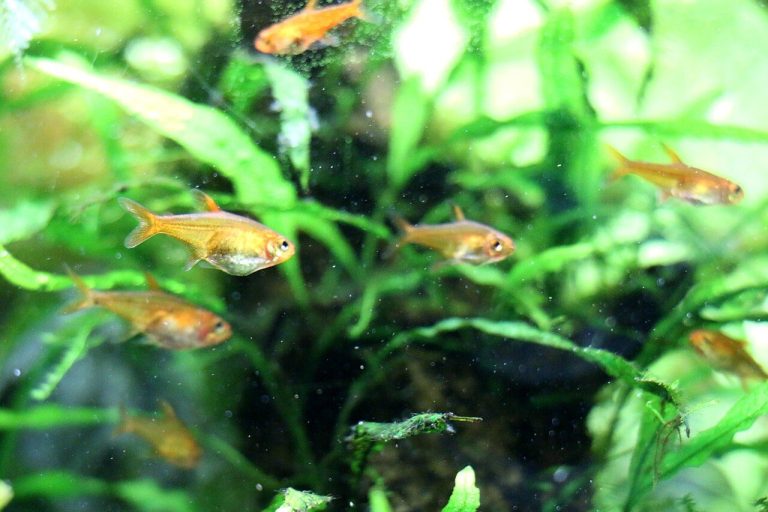
Species like Neon Tetras or Harlequin Rasboras need to be in groups of at least six to ten individuals.
When they are kept in smaller numbers, they become stressed and may display unusual aggression or hide constantly.
Territorial Fish Species Mitigation
Some fish are naturally territorial and will defend a specific area of the tank from intruders.
Species like the Red Tailed Shark or certain Dwarf Gouramis can be problematic if the tank is too small.
To mitigate this, use plenty of driftwood, rocks, and plants to break up lines of sight.
Managing the Aquarium Bioload and Space
Every living creature in your tank contributes to the aquarium bioload calculation.
This refers to the amount of waste (ammonia) produced by your fish relative to the capacity of your beneficial bacteria to process it.
If you add too many freshwater fish tank mates at once, you may trigger a dangerous ammonia spike.
Community Tank Stocking Density
The old “one inch of fish per gallon” rule is often misleading because it doesn’t account for fish mass or activity levels.
A thick-bodied fish like a Platy produces much more waste than a slender Neon Tetra of the same length.
I always suggest starting with a lower community tank stocking density and adding fish slowly over several months.
Nitrate Accumulation Management
As your community grows, nitrate accumulation management becomes your primary maintenance task.
Nitrates are the end product of the nitrogen cycle and can become toxic if they reach high levels.
Regular water changes and the use of live plants are the best ways to keep these levels under control.
Pro-Tip: Floating plants like Amazon Frogbit or Salvinia are “nitrate sponges.” They grow rapidly and pull nutrients directly from the water column, helping to keep your tank mates healthy.
Essential Strategies for Preventing Aggression
Even peaceful fish can sometimes act out, especially during feeding or breeding times.
Understanding the interspecies aggression index of your chosen fish can help you avoid major conflicts.
Some species are notorious for “fin nipping,” which can lead to secondary infections like fin rot.
Fin Nipping Prevention Strategies
If you have slow-moving fish with long, flowing fins, you must avoid “nippy” tank mates.
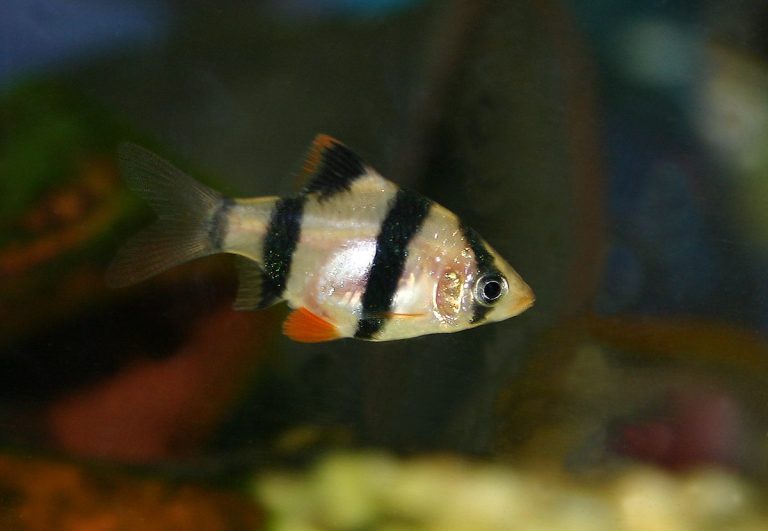
Tiger Barbs and Serpae Tetras are classic examples of fish that may target their neighbors’ fins.
Implementing fin nipping prevention strategies involves choosing tank mates with similar swimming speeds and avoiding overly aggressive schoolers.
The Role of Tank Decor in Harmony
A barren tank is a recipe for disaster in a community setting.
By adding caves, dense planting, and vertical structures, you create “micro-territories” for your fish.
This allows subordinate fish to escape the gaze of more dominant individuals, reducing overall stress levels.
Specialized Pairings: Dwarf Cichlids and Beyond
For intermediate hobbyists, dwarf cichlid cohabitation offers a interesting look into complex social behaviors.
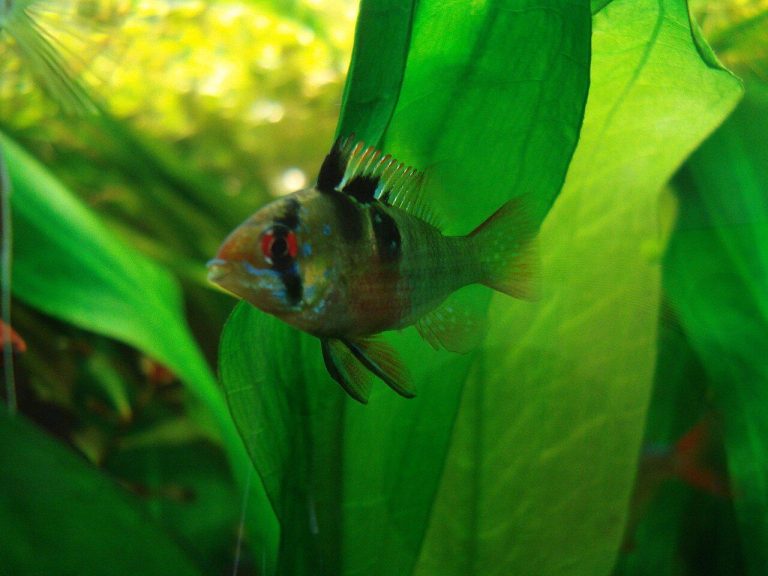
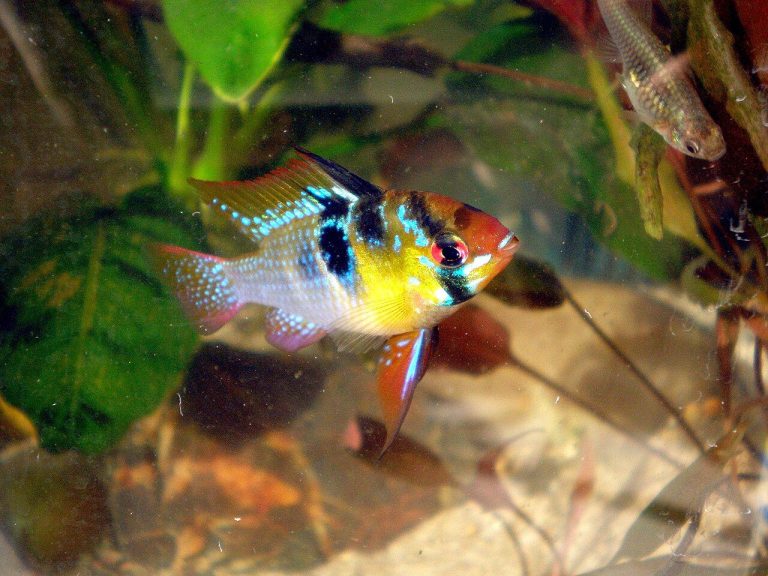
Species like Apistogramma or Ram Cichlids can live peacefully with small dither fish.
Dither fish are active schoolers that signal to the shy cichlids that no predators are nearby, encouraging them to come out into the open.
Choosing the Right Dither Fish
The best dither fish are those that stay in the upper layers of the water column.
Hatchetfish or certain beginner species like Zebra Danios work exceptionally well.
They stay out of the cichlids’ bottom-dwelling territory while providing a sense of security for the entire tank.
Invertebrates as Tank Mates
Don’t forget about shrimp and snails when planning your community.
Amano shrimp are excellent algae eaters and are large enough to avoid being eaten by most small community fish.
However, always research species that can live together before adding expensive ornamental shrimp to a tank with larger fish.
Common Mistakes to Avoid
In my decade of keeping fish, I’ve seen the same few mistakes repeated by well-meaning hobbyists.
One of the most common is buying “unlikely” pairs because they looked peaceful in a crowded pet store tank.
Store tanks are temporary environments; fish behavior changes significantly once they establish a home in your aquarium.
Size Disparity Risks
The golden rule of fish keeping is: “If it fits in their mouth, it will eventually end up there.”
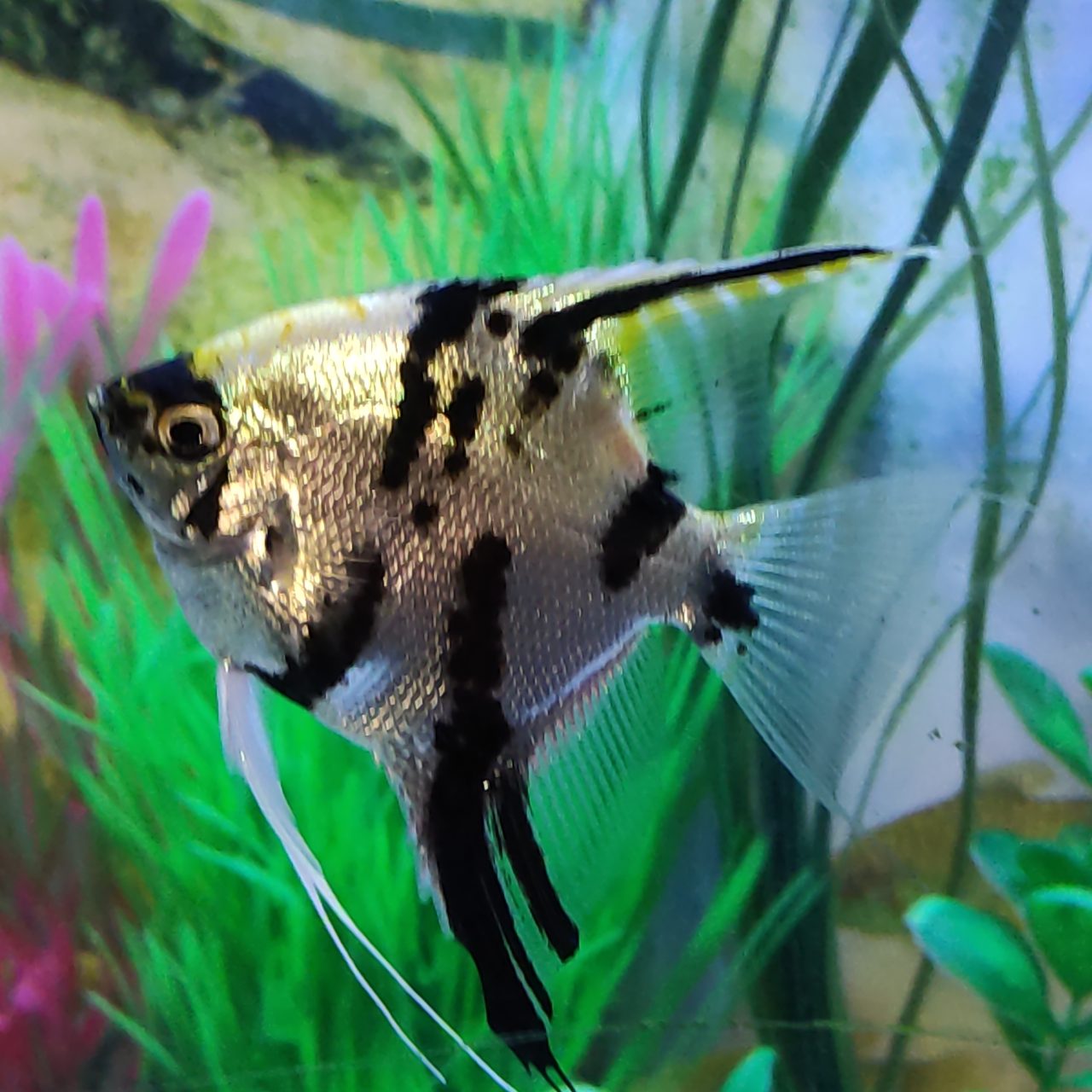
Never house tiny fry or nano-shrimp with large-mouthed fish like Angelfish or large Gouramis.
Even if the larger fish seems “friendly,” their predatory instincts will eventually take over.
Ignoring the Water Column Layers
A well-planned community tank utilizes all three layers of the aquarium: top, middle, and bottom.
If all your fish are bottom-dwellers, they will constantly compete for space and food.
Aim for a mix, such as Corydoras for the bottom, Tetras for the middle, and Hatchetfish for the top.
Quick checklist
- Budget for running costs, not just the tank: food, test kits, water conditioner, electricity and replacement filter media.
- Buy the largest tank your space and budget allow; bigger volumes are more stable and forgiving.
- Glass tanks scratch less than acrylic; acrylic is lighter and stronger but needs soft cleaning pads.
- A tight lid reduces evaporation and keeps jumping fish inside.
Common questions
Can I keep Betta fish with other tank mates?
Yes, but it depends heavily on the individual Betta’s personality and the size of the tank.
Avoid other colorful fish with long fins, as the Betta may perceive them as rivals.
Peaceful bottom-dwellers like Kuhli Loaches or small snails are usually the safest bets.
How do I introduce new fish to an established tank?
Always use the “drip acclimation” method to help them adjust to your water parameters.
It is also helpful to feed the existing fish right before the introduction to distract them.
Turning off the lights for a few hours can also reduce the stress of the new arrival and prevent immediate bullying.
What should I do if a fish starts being aggressive?
First, check your water parameters, as stress from poor water can cause irritability.
If the water is fine, try rearranging the decor to “reset” everyone’s territories.
If the aggression continues, you may need to permanently rehome the aggressor or use a divider.
How many fish can I realistically keep?
This depends on your filtration capacity and your commitment to maintenance.
A heavily planted tank with an oversized filter can handle a higher bioload than a basic setup.
Always prioritize the quality of life for the fish over the quantity of fish in the tank.
A last word
Finding the perfect freshwater fish tank mates is a journey of discovery that transforms a glass box into a living ecosystem.
If you focus on shared water parameters, respecting territorial boundaries, and managing your bioload, you keep a peaceful environment.
Every tank is unique, and careful observation is your most valuable tool as an aquarist.
Take your time, do your research, and don’t be afraid to ask for advice from experienced keepers.
With a little patience and the right pairings, your community tank will become a source of beauty and relaxation for years to come.

- 2003First tank
- 20+Years keeping
- 40+Tanks kept
- 0Sponsored picks
Howard set up his first 10-gallon planted tank in 2003 and lost half of it within six weeks. Two decades and more than forty aquariums later, he writes the guides he wished he had then: clear numbers, the reasons behind them, and what actually goes wrong in home tanks.