Business Opportunities Related to Aquaculture
Business opportunities related to aquaculture include high-tech Recirculating Aquaculture Systems (RAS), ornamental fish and shrimp breeding, and specialized aquatic feed production. These ventures leverage sustainable technology to meet the growing global demand for seafood and aquarium species.
The transition from a dedicated aquarium hobbyist to a professional entrepreneur is a journey fueled by passion and technical precision. As the global demand for sustainable protein and high-quality ornamental species continues to rise, the commercial landscape for aquatic ventures has expanded significantly.
Exploring business opportunities related to aquaculture allows enthusiasts to apply their knowledge of water chemistry and biology to a scalable business model. Whether you are interested in food production or the vivid world of rare tropical fish, the industry offers diverse paths for growth.
Success in this field requires a deep understanding of modern systems and market needs. If you focus on efficiency and sustainability, new businesses can carve out a profitable niche in the evolving blue economy.
The modern aquaculture sector is no longer limited to traditional pond farming. Innovative technologies have opened doors for urban and indoor farming operations that were previously impossible.
One of the most prominent business opportunities related to aquaculture today is the development of Recirculating Aquaculture Systems (RAS). These systems allow for high-density fish production with minimal water consumption by continuously filtering and reusing water.
Entrepreneurs can also look into specialized niches such as the production of live feeds or the cultivation of medicinal aquatic plants. Each of these sectors requires a specific set of skills and a commitment to maintaining rigorous environmental standards.
High-Tech Recirculating Aquaculture Systems (RAS)
RAS technology represents the pinnacle of controlled environment aquaculture. These systems rely on a nitrifying bacteria consortia within biofilters to convert toxic waste into less harmful substances.
Maintaining Dissolved Oxygen saturation is critical in RAS to support high stocking densities. This technology is ideal for producing premium species like Atlantic salmon or Barramundi in locations far from the coast.
Investment in RAS also involves managing Total Ammonia Nitrogen (TAN) levels to help the health of the livestock. While the initial capital expenditure is high, the ability to control every aspect of the environment leads to predictable and high-quality yields.
Pro Tip: When designing an RAS facility, always prioritize redundancy in your life-support systems. Backup power and secondary filtration units are essential to prevent catastrophic losses during equipment failure.
Biofloc Technology and Shrimp Farming
Biofloc technology is a sustainable alternative that is gaining traction, particularly in shrimp farming. This method involves the cultivation of beneficial microbial communities that treat waste and provide a supplemental food source for the livestock.
A major opportunity in this niche is the intensive culture of Litopenaeus vannamei (whiteleg shrimp). Using Biofloc technology reduces the need for frequent water changes and improves the overall biosecurity of the operation.
This approach is highly efficient and can be implemented in smaller footprints compared to traditional shrimp ponds. It is an excellent entry point for those looking to provide high-quality, locally sourced seafood to urban markets.
Ornamental Fish and Shrimp Breeding for the Global Market
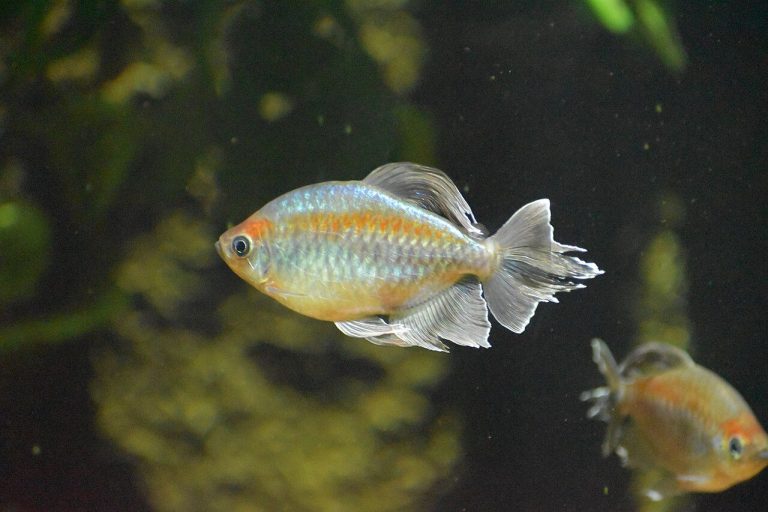
The aquarium hobby is a multi-billion dollar industry that relies heavily on a consistent supply of healthy, rich specimens. Breeding rare or difficult-to-spawn species offers a lucrative path for skilled aquarists.
Specializing in “designer” shrimp or high-end cichlids can yield significant returns. Many hobbyists prefer tank-raised specimens because they are generally hardier and better adjusted to aquarium life than wild-caught individuals.
Establishing a boutique hatchery requires a focus on genetic diversity and health protocols. This segment of the industry rewards those who can consistently produce high-quality livestock with unique color strains or patterns.
The Rise of Freshwater Shrimp Breeding
Freshwater shrimp, particularly Caridina and Neocaridina varieties, have seen a massive surge in popularity. These small invertebrates require specialized care but offer a high profit-to-space ratio.
Breeding high-grade Crystal Red or Blue Dream shrimp can be done in a relatively small indoor facility. The biggest factor is maintaining stable water parameters and providing a diet that boosts coloration and growth.
This niche is particularly attractive because of the ease of shipping shrimp globally. A well-managed shrimp room can serve customers around the world through online platforms and specialized auctions.
Marine Ornamental Breeding and Sustainability
The marine aquarium sector is shifting toward captive-bred species to protect coral reefs. This shift creates a massive opening for businesses focused on breeding clownfish, dottybacks, and even certain types of tangs.
Utilizing Viral Nervous Necrosis (VNN) diagnostics is essential in marine hatcheries to make sure the stock is free from debilitating diseases. Providing certified disease-free fish adds significant value and builds trust with customers.
As regulations on wild collection tighten, the demand for captive-bred marine life will only continue to grow. This is one of the most environmentally impactful business opportunities related to aquaculture for the conservation-minded entrepreneur.
Common Mistake: Many new breeders fail because they try to raise too many different species at once. It is much more profitable to master the production of one or two high-demand species before expanding your catalog.
Commercial Aquatic Plant Nurseries and Aquascaping Supplies
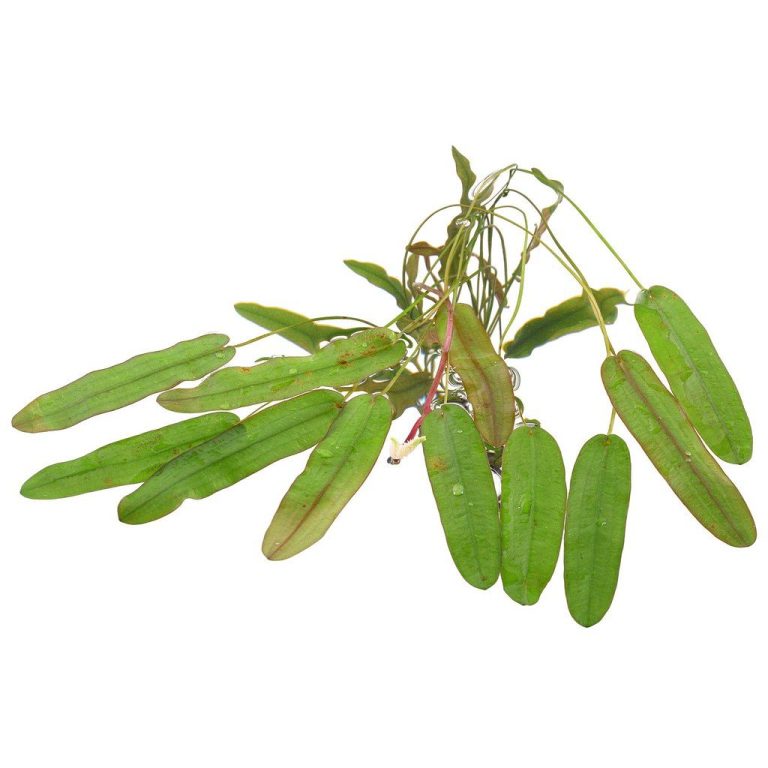
The “planted tank” movement has transformed the aquarium industry. There is a constant and growing demand for healthy, algae-free aquatic plants for professional aquascaping.
Establishing a nursery that uses tissue culture or emersed growth techniques can be a highly successful venture. These methods make sure the plants are free from pests, snails, and unwanted algae, which is a major selling point for hobbyists.
In addition to plants, there are various business opportunities related to aquaculture in the production of specialized substrates and fertilizers. Providing a complete “system” for plant growth can help you capture a larger share of the market.
Tissue Culture Technology
Tissue culture involves growing plants in a sterile laboratory environment on a nutrient-rich agar medium. This process allows for the rapid propagation of rare species in a very small space.
Retailers and hobbyists highly value tissue-cultured plants because they are guaranteed to be “clean.” This technology requires a specialized setup but offers the highest level of quality control in the industry.
Selling these plants in sealed cups also extends their shelf life, making them easier to manage for retail markets. It is a modern solution to the age-old problem of plant melt and pest introduction in aquariums.
Hardscape and Substrate Production
Aquascaping relies heavily on specific types of rocks, wood, and nutrient-rich soils. While many of these are imported, there is a significant opportunity for local sourcing and processing.
Identifying and preparing local stones or driftwood for aquarium use can be a profitable side business. Ensuring that these materials are safe and “aquarium-ready” provides a valuable service to the local hobbyist community.
Understanding the aquaculture overview of your local region can help you identify unique natural resources that can be ethically harvested and marketed.
Specialized Feed Production and Nutritional Services
Nutrition is the foundation of any successful aquatic operation. Developing high-quality, specialized feeds is a critical area of growth in the aquaculture sector.
One of the most important metrics in this field is the Feed Conversion Ratio (FCR). A lower FCR means that the fish are converting feed into body mass more efficiently, which directly impacts the profitability of a farm.
Businesses that focus on sustainable ingredients, such as insect meal or algae-based proteins, are well-positioned for the future. These alternatives reduce the reliance on wild-caught fishmeal and appeal to eco-conscious consumers.
Live Feed Cultivation for Hatcheries
Hatcheries for both food fish and ornamentals require massive quantities of live feed, such as rotifers, copepods, and brine shrimp. Culturing these organisms is a specialized skill that many farms prefer to outsource.
Starting a dedicated live feed business can serve multiple clients in your new region. Providing “enriched” live feeds that are boosted with essential fatty acids adds even more value to your product.
This business model requires precise aquaculture business management to make sure the cultures remain stable and productive. Consistency is the most important factor when supplying other commercial operations.
Custom Feed Formulation and Pelleting
Large-scale farms often require custom feed formulations tailored to the specific life stage of their fish. Small-scale pelleting operations can cater to niche markets that are underserved by major feed manufacturers.
By using high-quality binders and attractants, you can create feeds that improve growth rates and reduce waste. This level of customization is highly sought after by breeders of sensitive or rare species.
| Business Opportunity | Primary Focus | Key Technology |
|---|---|---|
| RAS Farming | High-density food fish | Nitrifying bacteria consortia |
| Ornamental Breeding | Rare and designer species | Genetic selection & health screening |
| Plant Nurseries | Aquascaping species | Tissue culture & emersed growth |
| Shrimp Biofloc | Litopenaeus vannamei | Microbial flock management |
Integrated Multi-Trophic Aquaculture (IMTA)
Sustainability is a major trend in business today. Integrated Multi-Trophic Aquaculture (IMTA) is a system where the waste from one species becomes the input for another.
For example, a farm might raise fish in cages, while nearby bivalves (like mussels) filter out organic waste, and seaweed absorbs dissolved inorganic nutrients. This circular approach reduces environmental impact and provides multiple revenue streams.
Implementing IMTA requires a deep understanding of the ecological relationships between different species. While complex, it is one of the most innovative ways to build a resilient and ecologically sound aquaculture business.
Benefits of Diversified Revenue Streams
By producing multiple products, an IMTA operation is less vulnerable to market fluctuations in a single commodity. If the price of fish drops, the seaweed or shellfish harvest can help maintain profitability.
This model also improves the public perception of aquaculture. Consumers are increasingly willing to pay a premium for products that are part of a restorative or low-impact farming system.
The intersection of aquaculture and fish culture within an IMTA framework represents the future of sustainable coastal development. It is a sophisticated model that rewards careful planning and ecological expertise.
Ancillary Services: Consulting, Tech, and Maintenance
Not every business in this sector needs to raise live animals or plants. There is a significant need for support services that help other operations succeed.
Aquarium maintenance services for offices and luxury homes remain a steady source of income. Additionally, consulting for new aquaculture startups is a high-value niche for those with extensive insider knowledge.
Technological stories in the industry often highlight the need for better monitoring tools. Developing apps or hardware for water quality tracking is a wide-open field for tech-savvy entrepreneurs.
Water Quality Testing and Diagnostic Labs
As the industry becomes more professionalized, the demand for precise testing increases. Establishing a private lab that offers Viral Nervous Necrosis diagnostics and water chemistry analysis can serve a large client base.
Many small-scale farmers and hobbyists do not have the equipment to perform advanced testing. Providing fast, accurate results can help them prevent disease outbreaks and optimize their growth parameters.
Equipment Design and Manufacturing
There is a constant need for better filtration components, such as protein fractionation units and UV sterilizers. Designing equipment that is more energy-efficient or easier to maintain can disrupt the current market.
Small-scale manufacturing, perhaps using 3D printing for custom parts, allows for rapid prototyping and localized production. This is an excellent way to get into the industry without the risks associated with livestock.
Quick checklist
- Cycle an aquaponics system just like an aquarium; nitrifying bacteria must be established before plants can use fish waste.
- Never use pesticides on aquaponics plants; most are toxic to fish even in small amounts.
- Test ammonia and nitrite weekly in new systems and after adding fish.
- Keep aquaponics water near pH 6.8–7.2, a compromise between fish, plants and nitrifying bacteria.
Reader questions About Business Opportunities in Aquaculture
What is the most profitable fish to farm in a small space?
Ornamental fish like high-grade Discus or rare shrimp varieties generally offer the highest profit per gallon. In the food sector, intensive tilapia or catfish production in RAS can be profitable if local markets are strong.
How much capital is needed to start an aquaculture business?
Capital requirements vary widely. A small-scale ornamental breeding setup might cost a few thousand dollars, while a commercial RAS facility can require millions in investment for infrastructure and technology.
Is aquaculture environmentally friendly?
Modern aquaculture can be very sustainable, especially when using RAS, Biofloc, or IMTA systems. These methods minimize water use, reduce waste discharge, and decrease the pressure on wild fish stocks.
Do I need a license to start an aquaculture business?
Yes, most regions require specific permits for commercial aquaculture, especially if you are discharging water or raising non-native species. Always check with local and national agricultural departments.
What is the biggest risk in aquaculture?
The most significant risks include disease outbreaks, equipment failure, and sudden changes in water quality. Strong biosecurity and redundant life-support systems are the best ways to mitigate these risks.
Final Thoughts on Starting an Aquaculture Venture
The range of business opportunities related to aquaculture is vast and continues to grow alongside technological advancements. From the precision of tissue culture to the ecological balance of IMTA, there is a path for every type of entrepreneur.
Success in this field is not just about the love of fish; it is about rigorous management and a commitment to quality. If you focus on sustainable practices and high-demand niches, you can turn your aquatic expertise into a well-kept commercial enterprise.
As you move forward, keep in mind that the most successful businesses are those that solve problems for their customers or the environment. Whether you are providing healthy food or beautiful aquarium inhabitants, your contribution to the blue economy is vital.
Mastering aquaculture business management is the final step in keeping your venture is as sustainable financially as it is biologically. With the right approach, aquaculture offers a satisfying and profitable future.

- 2003First tank
- 20+Years keeping
- 40+Tanks kept
- 0Sponsored picks
Howard set up his first 10-gallon planted tank in 2003 and lost half of it within six weeks. Two decades and more than forty aquariums later, he writes the guides he wished he had then: clear numbers, the reasons behind them, and what actually goes wrong in home tanks.