Best Plants For Hydroponics Beginners – Explained Simply
The best plants for hydroponics beginners in an aquarium setting are fast-growing, heavy-feeding species like Pothos, Peace Lilies, and Philodendrons, which settle in by absorbing nitrates directly from your fish tank water.
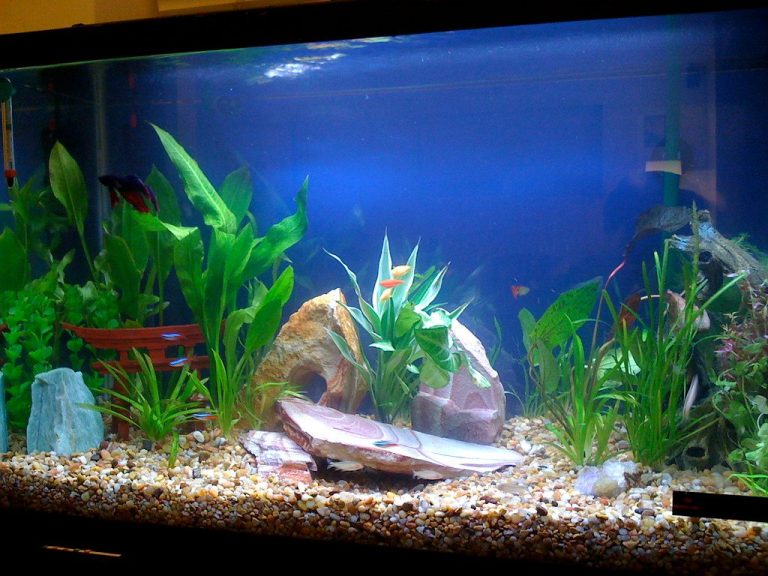
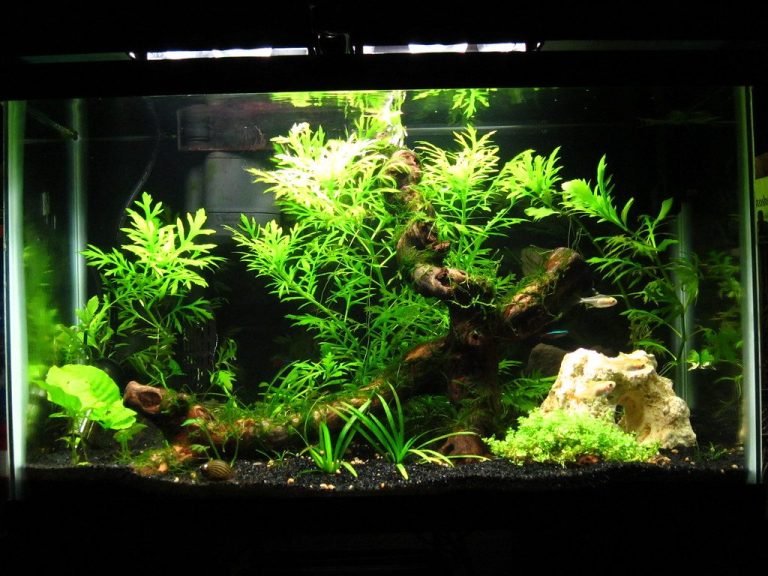
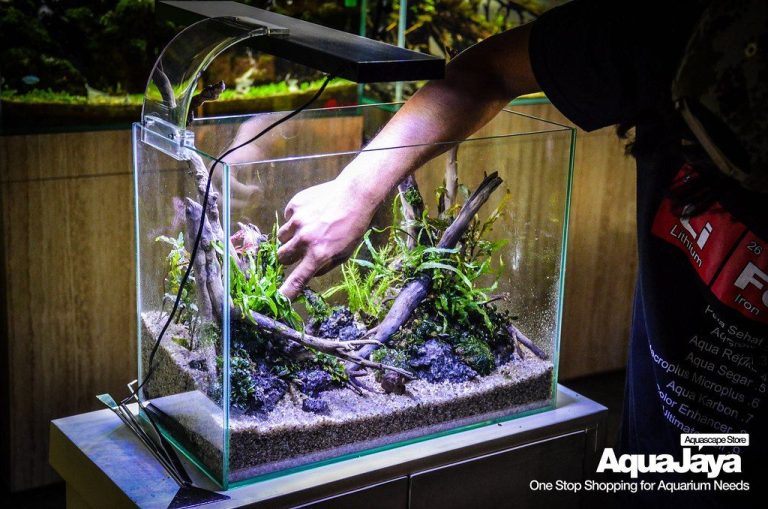
Integrating terrestrial plants into your aquarium setup—a practice often called aquaponics or aquarium-based hydroponics—is one of the most satisfying projects for any hobbyist. By allowing plants to grow with their roots submerged in your tank while their foliage remains in the air, you create a natural filter that significantly improves water quality.
When I first started experimenting with this setup years ago, I was amazed at how much clearer my water became. The plants act as biological sponges, soaking up nitrates and other waste products that would otherwise require more frequent water changes.
Understanding the best plants for hydroponics beginners
Choosing the right species is vital because not every plant enjoys having its roots constantly bathed in water. You want plants that are naturally hardy and adaptable to “wet feet.”
In my experience, starting with vining or leafy foliage plants provides the highest success rate. These species are incredibly forgiving if you accidentally submerge a bit too much of the stem or if your lighting isn’t perfectly calibrated.
| Plant Name | Growth Habit | Best For |
|---|---|---|
| Pothos (Epipremnum aureum) | Vining | Removing nitrates |
| Peace Lily (Spathiphyllum) | Upright | Tank aesthetics |
| Lucky Bamboo (Dracaena) | Upright | Low-light setups |
Why Pothos is the ultimate starter plant
If you are looking for the absolute champion of aquarium hydroponics, look no further than Pothos. It is nearly indestructible and grows vigorously under standard room lighting.
The roots of the Pothos plant are exceptionally efficient at extracting nitrogen compounds from your fish waste. This helps stabilize your tank’s natural filtration process, leading to a healthier environment for your livestock.
Pro Tip: When using Pothos, always ensure that only the roots are submerged in the aquarium. Keep the leaves and stems above the waterline to prevent rot, which can foul your water chemistry.
Setting up your hydroponic system safely
Getting your plants into the tank requires a bit of preparation to keep your fish safe. You should never use plants that have been recently treated with chemical fertilizers or pesticides from a nursery.
I recommend thoroughly washing the roots in dechlorinated water to remove all traces of potting soil. Soil particles can introduce unwanted debris into your filtration system and may contain fertilizers that are harmful to sensitive fish or shrimp.
Securing your plants
You can use specialized aquarium plant holders or simple suction-cup clips to keep your plants in place. Some hobbyists use clean, inert gravel or ceramic media to hold the roots in place if they are using a hang-on-back filter basket.
Be sure that the plant cannot fall into the tank entirely. If you have active fish like neon tetras, they will appreciate the extra cover the roots provide, but you must make sure the setup is stable.
Maintenance and long-term care
Once your plants are established, they require very little intervention. However, you should monitor the root growth periodically to make sure they aren’t clogging your tank’s intake tubes.
Pruning is also essential for maintaining the health of your hydroponic setup. If you notice yellowing leaves, trim them off immediately. This encourages the plant to put energy into producing new, healthy growth.
Common Mistake: A common error is neglecting the lighting needs of the plant. Even though they are “easy,” they still need ambient room light or a dedicated desk lamp to photosynthesize effectively. Without light, the roots will eventually decay.
Balancing aesthetics and function
Integrating plants into your aquarium shouldn’t just be about utility; it should look beautiful. Many aquarists choose to grow plants like Philodendrons or Monsteras for their large, dramatic leaves.
These plants add a vertical dimension to your tank that traditional aquatic plants cannot reach. Just keep in mind that the larger the plant, the more nutrients it will pull from your water column.
If you see your aquarium plants struggling, it might mean your hydroponic plants are “out-competing” them for nutrients. You may need to supplement with a liquid fertilizer if you notice growth slowing down in your underwater vegetation.
Quick checklist
- Light-proof reservoirs and tubing; any light reaching the solution grows algae that competes for nutrients.
- Keep nutrient solution pH at 5.5–6.5 for most leafy greens; check it every day or two, because it drifts quickly.
- Run an air stone in deep water culture reservoirs around the clock; roots suffocate within hours without oxygen.
- Healthy roots are white or cream. Brown, slimy roots with a sour smell point to root rot, usually from warm, low-oxygen water.
A few common questions
Can I use any houseplant for my aquarium hydroponics?
No, not all plants are suitable. Avoid succulents or desert plants, as they will quickly rot in water. Stick to semi-aquatic species that are known to survive in water-logged conditions.
Will my fish eat the plant roots?
Most fish will leave healthy, established roots alone. However, some species, like Goldfish or large Cichlids, may pick at them. Monitor your fish for the first few days to help they aren’t destroying your new additions.
How often do I need to clean the roots?
Usually, you don’t need to clean them unless you see significant debris buildup or if the roots have grown into your filter intake. A gentle rinse in tank water during your regular maintenance routine is plenty.
In short
Starting your journey with the best plants for hydroponics beginners is a fantastic way to boost your fish-keeping experience. By mimicking nature and utilizing the nutrient-filtering power of terrestrial plants, you create a more stable and bright ecosystem.
Start with a simple Pothos cutting, make sure you have a clean setup, and watch as your tank begins to stay healthy. The combination of healthy fish and dense greenery is the hallmark of a successful aquarium. Happy planting.

- 2003First tank
- 20+Years keeping
- 40+Tanks kept
- 0Sponsored picks
Howard set up his first 10-gallon planted tank in 2003 and lost half of it within six weeks. Two decades and more than forty aquariums later, he writes the guides he wished he had then: clear numbers, the reasons behind them, and what actually goes wrong in home tanks.