How To Decorate A Fish Tank – Step-by-Step Guide
Decorating a fish tank effectively combines aesthetic design with functional biology, using hardscape, substrate, and live plants to create a safe, stress-free environment for your aquatic inhabitants.
Designing an aquarium is one of the most rewarding aspects of the hobby. It is the bridge between a simple glass box and a living, breathing ecosystem that mimics the natural world.
When you learn how to decorate a fish tank, you aren’t just picking colors and shapes; you are engineering a habitat. The best layouts prioritize the health and behavior of your fish over purely visual appeal.
Understanding the Foundation: Substrate and Hardscape
Before adding any decorative flair, your substrate serves as the mechanical and biological foundation. The choice of substrate affects everything from root growth to the tank’s water chemistry.
If you are planning a planted tank, look for substrates with a high cation exchange capacity. These materials hold onto nutrients, making them available for plant roots.
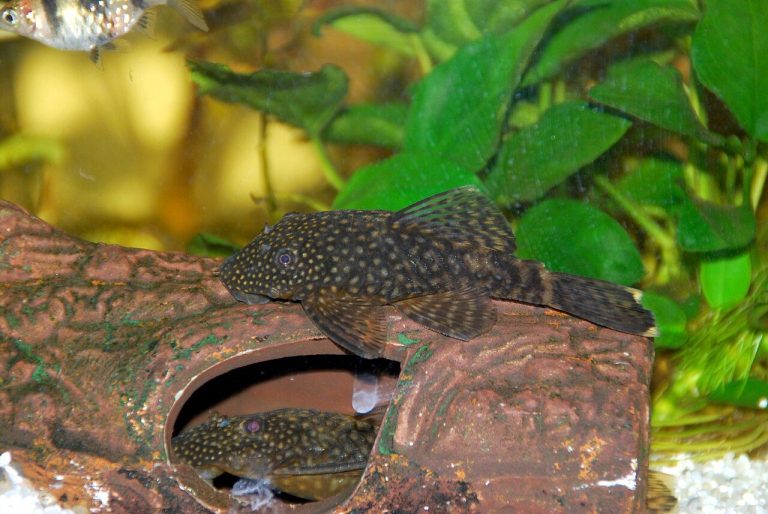
Hardscape elements like Seiryu stone or driftwood provide the physical structure of your layout. They define the “flow” of the tank and create essential hiding spots for timid species, which helps reduce stress in community tank fish.
Pro Tip: Always boil or soak new driftwood for several days. This leaches out excess tannins, preventing your water from turning tea-colored and making sure the wood becomes waterlogged enough to stay at the bottom.
Bringing Life into the Layout: Aquatic Plants
Plants are the heart of a healthy aquarium. They improve water quality by absorbing nitrates and providing oxygenation, which is vital for a stable environment.
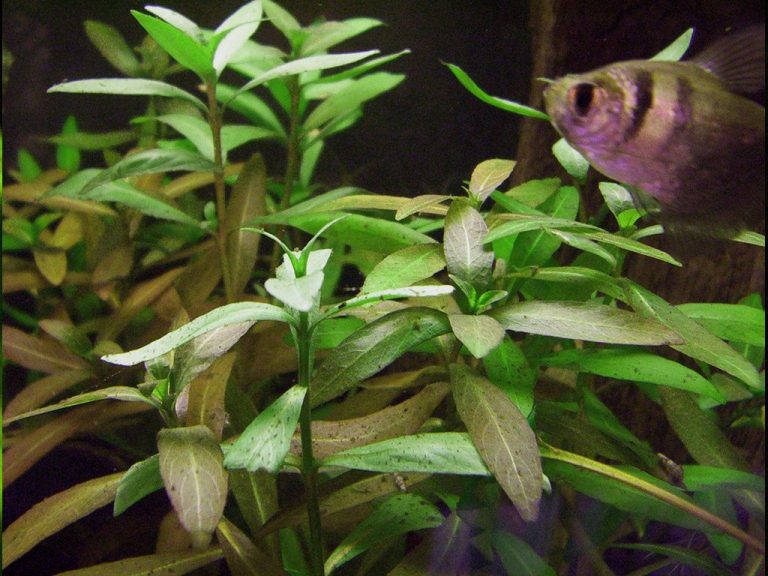
- Epiphytic attachment: Plants like Anubias barteri and Microsorum pteropus do not need to be buried in the substrate. You can glue or tie them directly to rocks or wood.
- Rooted plants: These require a nutrient-rich substrate to do well long-term.
When positioning your greenery, follow the “rule of thirds.” Place your tallest plants in the back corners and shorter, carpeting plants in the front to create a sense of depth.
Choosing the Right Decor for Your Setup
Not all decor is safe for every inhabitant. Sharp edges on artificial ornaments can tear the delicate fins of long-finned fish, while certain plastics may leach chemicals over time.
Natural materials are almost always superior for biological health. They often carry humic substances, which provide natural antiseptic properties and help create a more stable, natural water environment for your fish.
| Material | Best Use Case | Maintenance Level |
|---|---|---|
| Driftwood | Hiding spots and anchor point | Medium |
| Seiryu Stone | Iwagumi-style rock layouts | Low |
| Fine Gravel | Bottom-dwelling fish health | Low |
Advanced Design Techniques: Iwagumi and Beyond
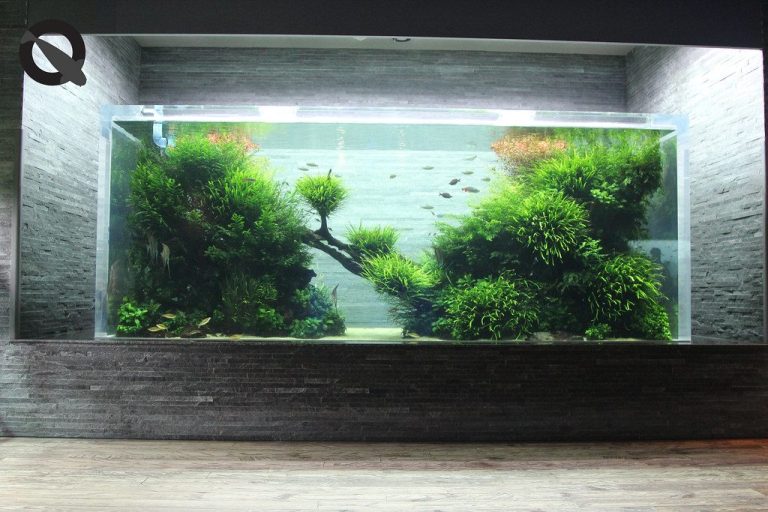
For those looking to master how to decorate a fish tank with a professional touch, the Iwagumi style is a classic choice. This Japanese method focuses on the minimalist arrangement of stones.
It relies on a single focal point and low-growing ground cover. Keep in mind that this style often requires CO2 injection to keep the dense carpet of plants growing vigorously.
If you are a beginner, don’t feel pressured to go high-tech immediately. You can achieve a beautiful look by focusing on substrate granulometry—using different sizes of gravel to create natural-looking slopes and paths.
Common Mistakes to Avoid
The most frequent error I see in new setups is overcrowding. While it is tempting to fill every inch with decor, your fish need open swimming space.
A cluttered tank is also significantly harder to clean. If you cannot reach the gravel with your siphon, you will struggle with waste buildup, leading to poor water quality.
Common Mistake: Avoid adding decor that is too small. Fish can become stuck in crevices or decorative caves, leading to injury or death. Always make sure any hole in a piece of decor is large enough for your largest fish to swim through easily.
The Importance of Biofilm and Stability
Remember that your decor is not just for looks; it is a surface for beneficial bacteria. As your tank matures, you will notice biofilm colonization on rocks and wood.
This is a sign of a healthy, cycling tank. Do not scrub this off excessively during routine maintenance, as it is a vital part of your aquarium’s biological filter.
FAQ Section
How do I safely clean new rocks for my tank? Always scrub them under warm water without using any soap or detergents. If you are worried about pests, soak them in a weak hydrogen peroxide solution and rinse thoroughly.
Does substrate depth matter for plant health? Yes. A minimum of 2-3 inches of substrate is recommended for most live plants to make sure they have enough room to anchor their root systems.
Can I mix different styles of decor? Absolutely. While Iwagumi is minimalist, many hobbyists mix driftwood and stone to create a “nature aquarium” style. The key is to help the materials look cohesive in terms of color and texture.
Final thoughts
Learning how to decorate a fish tank is a journey of trial and error. Start with a few key pieces of hardscape and some hardy plants, then observe how your fish interact with the new space.
As you gain experience, you will naturally gravitate toward the layouts that suit your specific fish species and personal style. Enjoy the process of creating a slice of nature for your home.
Worth knowing before you start
- A tight lid reduces evaporation and keeps jumping fish inside.
- Check that the floor and stand can take the weight; water weighs about 8.3 lb per gallon, plus glass, rock and substrate.
- Set up and cycle the tank fully before buying fish, which usually takes 4–6 weeks.
- Rinse new substrate and decor in plain water; soap residue is toxic to fish.

- 2003First tank
- 20+Years keeping
- 40+Tanks kept
- 0Sponsored picks
Howard set up his first 10-gallon planted tank in 2003 and lost half of it within six weeks. Two decades and more than forty aquariums later, he writes the guides he wished he had then: clear numbers, the reasons behind them, and what actually goes wrong in home tanks.