How Many Axolotls Are Left In Captivity – A Guide
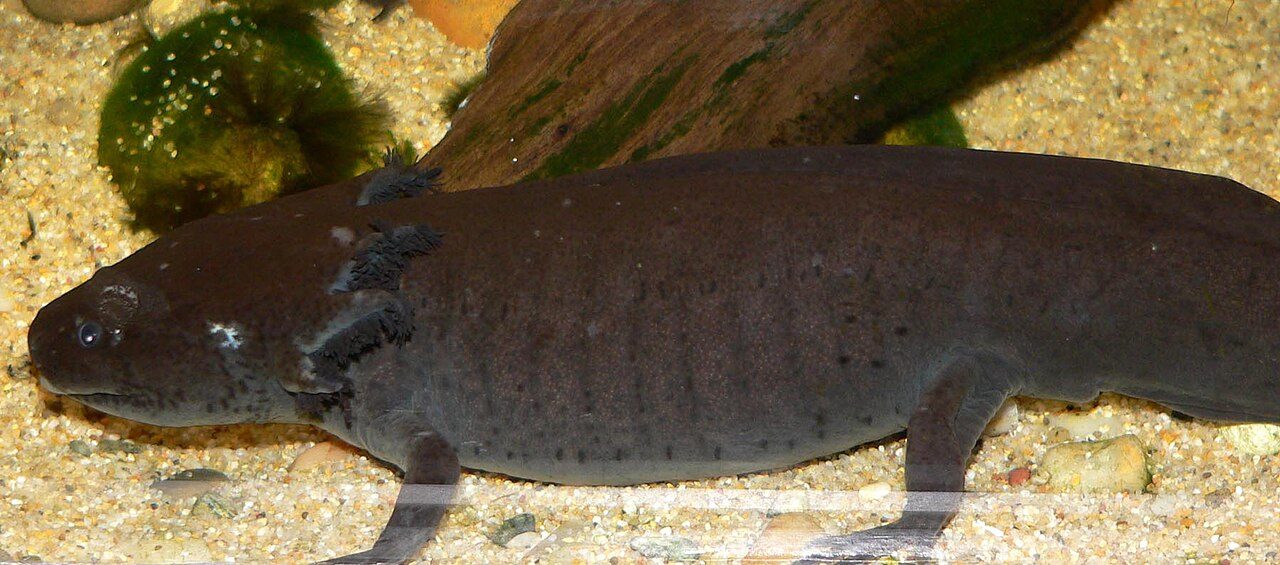
While axolotls are critically endangered in their native habitat, their captive population is strong, numbering in the millions globally due thanks to widespread breeding programs and their popularity as exotic pets. This stable captive community plays a vital role in their species’ survival and offers a unique connection for aquarists.
Welcome to “Successful Aquarium,” your trusted resource for creating healthy aquatic environments. Today, we’re diving deep into the unusual world of axolotls, those unique aquatic salamanders often called “Mexican walking fish.” Many aquarists, myself included, are captivated by their perpetually smiling faces and regenerative abilities. A common question I hear is, “how many axolotls are left in captivity?”
The answer to this question is more complex and hopeful than you might initially think, especially when contrasted with their dire situation in the wild. While their wild counterparts face imminent extinction, the captive population is not only stable but flourishing. This article will explore the surprising dichotomy between wild and captive axolotl numbers, go through their conservation status, and provide essential guidance for keeping these incredible creatures ethically and successfully. Join me as we uncover the true story of the axolotl’s numbers and what it means for both hobbyists and conservationists.
At a glance: Axolotl (Ambystoma mexicanum)
- Temperature
- 60–64°F (16–18°C)
- Water pH
- 7.0–8.0
- Adult size
- 9–12 in (23–30 cm)
- Minimum tank
- 20 gal long for one
- Group size
- Alone or same-size adults
- Temperament
- Peaceful, no fish tank mates
- Diet
- Carnivore: earthworms, axolotl pellets, bloodworm
- Lifespan
- 10–15 years
Keeper’s tip: Water above 70°F stresses axolotls quickly; a fan or chiller is often needed in summer.
How Many Axolotls Are Left in Captivity: A Surprising Contrast
The question of “how many axolotls are left in captivity” often comes with an unspoken concern about their survival. It’s a natural thought, given their endangered status. However, the reality is quite astonishing: the number of axolotls in captivity vastly outnumbers those remaining in their natural environment.
Estimates for the global captive population range into the millions. This includes animals in research laboratories, zoos, and, most significantly, the private pet trade. This strong captive presence is a direct result of their unique biology, ease of breeding in controlled environments, and immense popularity among hobbyists worldwide.
The Axolotl’s Plight in the Wild: A Vanishing Legacy
To understand the significance of the captive population, we must first acknowledge the tragic decline of axolotls in their native habitat. The species, Ambystoma mexicanum, is endemic to the ancient canal systems and lakes of Xochimilco, near Mexico City. This specific aquatic habitat has undergone drastic changes over the past century.
Intense urbanization, pollution from agricultural runoff and sewage, and the introduction of invasive fish species like tilapia and carp have decimated their numbers. These invasive fish compete for food and prey on young axolotls. As a result, surveys conducted in recent decades have revealed alarmingly low numbers, with some studies finding fewer than 1,000 individuals, and sometimes even none, in their last remaining wild strongholds. The IUCN Red List officially classifies the axolotl as critically endangered.
Pro Tip: Understanding the ‘Critically Endangered’ Status
When a species is listed as “critically endangered” by the IUCN, it means it faces an extremely high risk of extinction in the wild. For axolotls, this isn’t just a label; it’s a stark reality driven by severe habitat loss and ecological pressures. It shows why the captive population is so vital for their long-term survival prospects.
The Flourishing Captive Population: Hope for a Species
Despite their dire wild status, the captive axolotl population is not only stable but healthy. This unique situation has made the axolotl a interesting case study in conservation. Their ability to reproduce readily in captivity, combined with their scientific value, has led to their widespread presence.
Role in Research and Education
Axolotls have been invaluable to scientific research for centuries, particularly in fields like regeneration, development, and neoteny. Their ability to regrow lost limbs, spinal cords, and even parts of their brains has made them a “model organism” in laboratories worldwide. This demand for research animals has fueled extensive captive breeding programs.
Beyond research, zoos and aquariums play a key role in educating the public about these unique amphibians and the threats they face. They often show off axolotls, using them as ambassadors for wetland conservation. Learning about their unique traits helps encourage appreciation for biodiversity.
The Pet Trade and Responsible Keeping
The vast majority of axolotls in captivity today are found in the exotic pet trade. Their charming appearance, relatively easy care requirements (for an amphibian), and remarkable biology make them popular choices for dedicated hobbyists. This widespread availability means that you can often find a variety of morphs, from wild-type to leucistic (white with black eyes) and golden, at specialized pet stores or from reputable breeders.
However, the popularity of axolotls as pets comes with a significant responsibility. Ethical keeping practices are essential to make sure these captive populations remain healthy and contribute positively to the species’ future. This includes providing appropriate tank conditions, a balanced diet, and understanding their specific needs.
Understanding Axolotl Care: Supporting the Captive Community
Responsible axolotl keeping is a direct contribution to the species’ survival. If you provide a proper environment, you help the health and longevity of your pet and support ethical breeding efforts. In my experience, the biggest challenges for new axolotl keepers revolve around maintaining stable water parameters and appropriate temperatures.
Essential Water Parameters for Axolotls
Axolotls are sensitive to water quality, much like many fish and shrimp. They prefer cool, clean, and stable water. Unlike many tropical fish, they do not tolerate warm temperatures well. Here’s a quick guide to their preferred parameters:
| Parameter | Best Range | Notes for Keepers |
|---|---|---|
| Temperature | 60-68°F (16-20°C) | Vital for health; higher temps cause stress and fungal issues. |
| pH | 6.5-8.0 | Slightly alkaline is often preferred; stability is key. |
| Ammonia | 0 ppm | Highly toxic; cycle your tank thoroughly. |
| Nitrite | 0 ppm | Highly toxic; cycle your tank thoroughly. |
| Nitrate | <20 ppm | Keep low with regular water changes and good filtration. |
| General Hardness (GH) | 7-14 dGH (125-250 ppm) | Provides essential minerals; important for osmotic regulation. |
| Carbonate Hardness (KH) | 3-8 dKH (50-140 ppm) | Buffers pH, preventing dangerous fluctuations. |
Regular water testing is non-negotiable. I’ve noticed that many new keepers underestimate the importance of a properly cycled tank for axolotls. Just like fish, they produce waste that becomes toxic if not managed by beneficial bacteria.
Tank Setup and Environment
A single adult axolotl requires a minimum of a 20-gallon long tank. The “long” aspect is important as it provides more floor space, which axolotls prefer over height. If you’re considering multiple axolotls, remember they are solitary creatures by nature, and cohabitation requires careful monitoring and even larger tanks (add 10 gallons per additional axolotl).
The substrate is a critical choice. Fine sand (like play sand) is suitable for adult axolotls, but gravel should be avoided entirely. Axolotls have a tendency to ingest substrate while feeding, and gravel can cause fatal impactions. Many experienced keepers, myself included, opt for a bare-bottom tank or large, smooth river stones that are too big to swallow. Providing plenty of hides, such as caves, PVC pipes, or terracotta pots, will make your axolotl feel secure. Dim lighting is also preferred, as they are nocturnal and sensitive to bright light.
Feeding Your Axolotl
Axolotls are carnivores and predators. Their diet in captivity should mimic what they’d find in the wild: worms and small insects. High-quality axolotl pellets are a good staple, but they should be supplemented with live or frozen foods.
Earthworms (like Canadian nightcrawlers or red wigglers) are an excellent and nutritious food source. You can also offer bloodworms, brine shrimp, and small pieces of lean, unseasoned salmon or tilapia as occasional treats. Avoid feeding feeder fish, as they can carry diseases and often lack nutritional value. Young axolotls need to be fed daily, while adults can be fed every 2-3 days.
Common Mistake: Improper Feeding and Substrate Choice
A frequent error I’ve observed is feeding axolotls unsuitable foods like processed human foods or feeder fish, or using gravel as substrate. Gravel can lead to fatal impactions, and improper diets cause nutritional deficiencies. Always stick to high-quality axolotl pellets and earthworms, and use fine sand or a bare bottom.
Ethical Considerations and Conservation Through Captivity
The fact that there are so many axolotls in captivity while their wild population dwindles presents a unique ethical dilemma and opportunity. Responsible captive breeding and ownership can play a significant role in the species’ future.
Breeding Programs and Genetic Diversity
While the captive population is large, maintaining genetic diversity is important. Many captive axolotls are descended from a relatively small founder group, which can lead to inbreeding and reduced genetic robustness over time. Reputable breeders focus on ethical breeding practices, avoiding close relatives and exchanging stock to maintain healthy genetic lines.
Some conservation efforts are exploring the possibility of eventual reintroduction, though this is a complex and distant goal given the severe degradation of their natural habitat. For now, maintaining genetically diverse captive populations serves as a living “ark” for the species.
Supporting Sustainable Practices
As hobbyists, our choices directly impact the welfare of these animals. Supporting breeders who prioritize health, genetic diversity, and proper husbandry is vital. Never release a captive-bred axolotl into the wild; not only is it illegal in many places, but it can introduce diseases to fragile wild populations and is unlikely to succeed.
Learning about the unusual history of axolotls and sharing that knowledge helps raise awareness for their conservation. Every responsible axolotl keeper becomes an advocate for this incredible amphibian.
Reader questions About Axolotls and Their Numbers
Many questions arise when discussing the unique conservation status of axolotls. Here are some of the most common ones I encounter.
Are Axolotls Extinct in the Wild?
No, axolotls are not completely extinct in the wild, but they are classified as “Critically Endangered.” This means their wild population is extremely small and faces an exceptionally high risk of extinction. Extensive surveys have found very few individuals, and sometimes none at all, in their native habitat of Lake Xochimilco.
Why Are There So Many Axolotls in Captivity if They Are Endangered?
Axolotls are widely kept in captivity for several reasons: they breed relatively easily in controlled environments, they are popular as exotic pets due to their unique appearance and personality, and they are extensively used in scientific research because of their incredible regenerative abilities. These factors have led to a large and well-kept captive population, contrasting sharply with their wild status.
Can Captive Axolotls Be Released into the Wild?
No, captive axolotls cannot and should not be released into the wild. Releasing captive-bred animals can introduce diseases to the already fragile wild population and disrupt the delicate ecosystem. Furthermore, captive-bred axolotls may not possess the necessary survival skills to settle in in a wild environment. Their native habitat is also severely degraded, making reintroduction extremely challenging.
What is the Main Threat to Wild Axolotls?
The primary threats to wild axolotls are habitat degradation and loss due to urbanization, water pollution from agriculture and sewage, and the introduction of invasive fish species like tilapia and carp. These invasive species compete with axolotls for food and prey on young axolotls, further reducing their numbers.
How Can Hobbyists Help Axolotl Conservation?
Hobbyists can contribute to axolotl conservation by practicing responsible pet ownership. This includes providing excellent care, supporting ethical breeders who prioritize genetic diversity and health, and never releasing captive animals into the wild. Educating others about axolotls and their conservation status also helps raise awareness.
Conclusion: Your Role in the Axolotl’s Future
The question of “how many axolotls are left in captivity” leads us down a path of both concern and hope. While their wild populations teeter on the brink of extinction, the vast number of axolotls flourishing in captivity offers a unique lifeline for the species. This interesting dichotomy highlights the critical role that responsible aquarists play.
By committing to excellent care, maintaining pristine aquatic environments, and understanding the biological needs of these incredible amphibians, you become an integral part of their ongoing survival story. Every healthy captive axolotl represents a piece of a living genetic library, preserving this species for future generations and scientific discovery. Let’s continue to be diligent, informed, and passionate keepers, keeping the future of these perpetually smiling “water dragons.”
- 2003First tank
- 20+Years keeping
- 40+Tanks kept
- 0Sponsored picks
Howard set up his first 10-gallon planted tank in 2003 and lost half of it within six weeks. Two decades and more than forty aquariums later, he writes the guides he wished he had then: clear numbers, the reasons behind them, and what actually goes wrong in home tanks.