Where Tortoise Sleep – What You Need to Know
Tortoises sleep in secure, humid environments like underground burrows, dense vegetation, or specialized hide boxes. These locations provide essential protection from predators and help the tortoise maintain stable internal body temperatures and hydration levels.
Understanding where tortoise sleep is a fundamental aspect of chelonian husbandry that directly impacts their health and longevity. In the wild, these reptiles are experts at finding or creating microclimates that shield them from extreme weather and potential threats.
For the home aquarist or reptile keeper, replicating these natural sleeping quarters is vital for reducing stress. When a tortoise feels secure in its resting place, its immune system functions more efficiently, and its growth remains steady.
This guide explores the biological needs behind sleeping preferences and provides actionable steps to optimize your pet’s habitat. If you focus on the intersection of safety and environmental control, you can keep your tortoise enjoys deep, restorative rest.
At a glance: Tortoises (general) (Family Testudinidae)
- Temperature
- Basking 90–100°F by species
- Adult size
- 4–30 in shell by species
- Enclosure
- Large enclosure or outdoor pen
- Group size
- Usually alone
- Temperament
- Docile
- Diet
- Herbivores: weeds, grasses, leafy greens
- Lifespan
- 40–100+ years
Keeper’s tip: UVB lighting and calcium are essential for healthy shell growth in indoor tortoises.
where tortoise sleep in the Wild vs. Captivity
In their natural habitats, tortoises are highly selective about their resting locations because they are vulnerable while dormant. Most species utilize their environment to regulate their circadian rhythm, which is the internal clock governing sleep-wake cycles.
Wild tortoises often seek out areas with high ambient humidity to prevent dehydration during the night. This is particularly true for hatchlings, which have a higher surface-area-to-volume ratio and lose moisture quickly.
Pro Tip: Always provide at least two different hiding spots in your enclosure. Place one in the warm zone and one in the cool zone to allow your pet to choose its own thermal comfort level during rest.
In a captive setting, the goal is to mimic these “safe zones” using artificial hides, deep substrate, and moisture-retaining materials. If a tortoise cannot find a suitable place to tuck away, it may become restless, leading to physical exhaustion and a weakened immune system.
The Role of Thermoregulation During Rest
Tortoises are ectothermic, meaning they rely on external heat sources to maintain their body temperature. Even during sleep, thermoregulation remains a priority for their survival.
At night, the thermal gradient within the enclosure should shift to reflect natural cooling. However, the sleeping area must not become so cold that the tortoise’s metabolism drops to dangerous levels, unless they are entering a state of brumation.
Safety and Psychological Security
A tortoise’s shell provides excellent protection, but it is not a complete defense against the psychological stress of being exposed. They instinctively prefer “tight” spaces where their shell touches the sides or top of the hide.
This tactile feedback tells the tortoise that no large predator can reach them from behind or above. Providing a snug fit in their sleeping quarters is a simple way to improve their overall sense of well-being.
Essential Features of a Tortoise Sleeping Area
Creating the perfect spot for where tortoise sleep requires more than just a plastic box. You must consider the substrate composition, moisture levels, and the physical dimensions of the hide.
The substrate acts as both a mattress and an insulator. Materials like coco coir, cypress mulch, or a soil-sand mix allow the tortoise to engage in fossorial behavior, which is the natural urge to dig and burrow.
| Feature | Purpose | Ideal Setup |
|---|---|---|
| Substrate Depth | Enables burrowing and insulation. | 4-8 inches depending on species size. |
| Humidity Level | Prevents shell pyramiding and dehydration. | 60% – 80% inside the primary hide. |
| Hide Accessibility | Reduces physical stress of entering. | Wide opening with a low ceiling. |
| Darkness | Supports natural melatonin production. | Opaque materials that block all light. |
Substrate Composition and Moisture
The choice of substrate is perhaps the most critical factor in creating a comfortable sleeping zone. It should be loose enough for digging but firm enough to hold the shape of a shallow burrow.
Maintaining a moist (but not soaking wet) layer of substrate at the bottom of the hide creates a microclimate. This humidity is vital for respiratory health and helps prevent conditions like puffy eyes caused by dry environments.
Light Cycles and the Photoperiod
To maintain a healthy circadian rhythm, your tortoise needs a clear distinction between day and night. The photoperiod should typically last 12 hours, followed by 12 hours of total darkness.
Even a small amount of light leaking into the enclosure at night can disrupt their sleep. Use heavy timers and avoid colored “night bulbs,” as tortoises can see the light emitted by these bulbs, which interferes with their rest.
Species-Specific Sleeping Habits
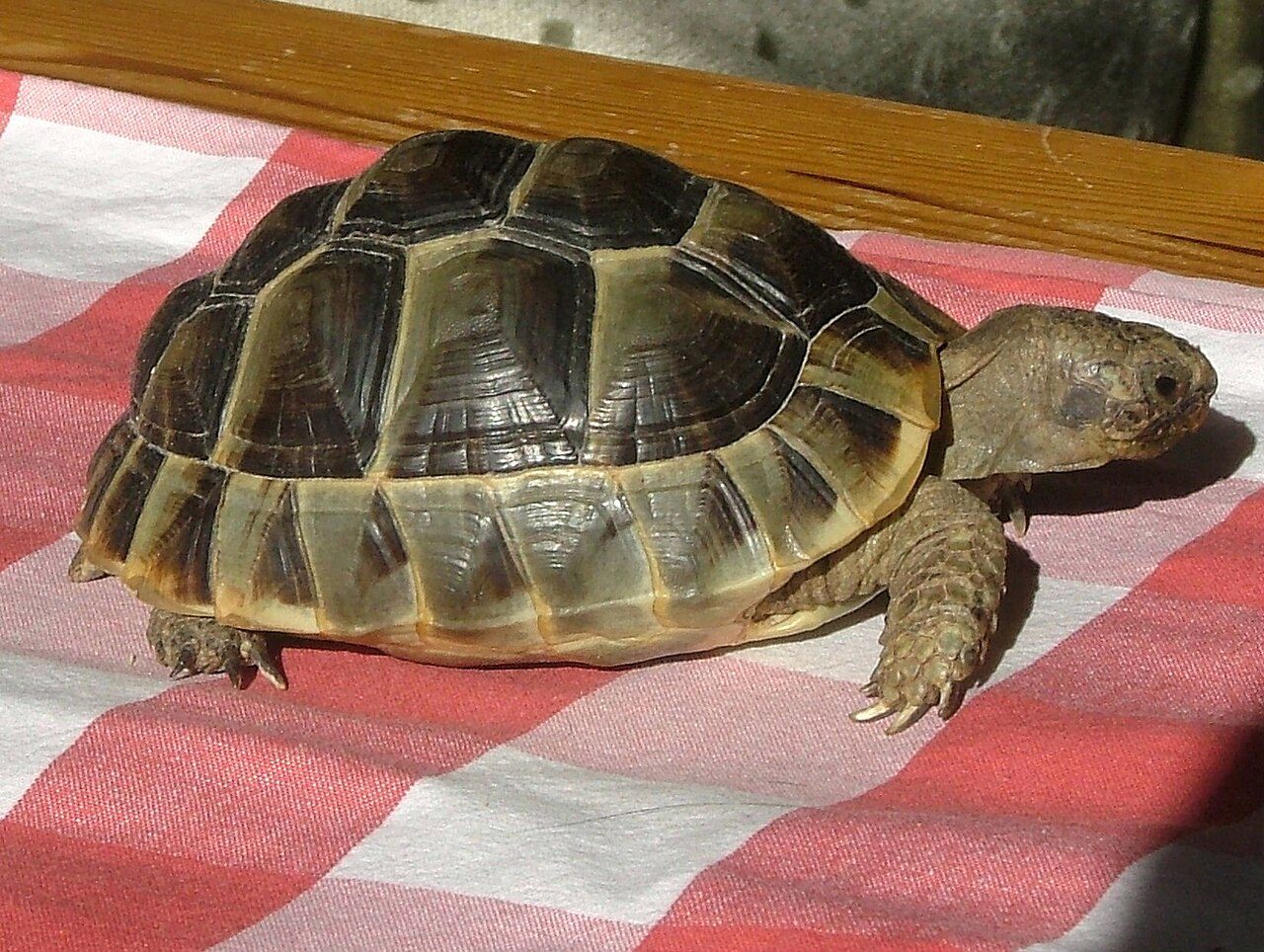
Different species have evolved unique ways of resting based on their native geography. For instance, the Testudo hermanni (Hermann’s Tortoise) often wedges itself under low-lying shrubs or into leaf litter.
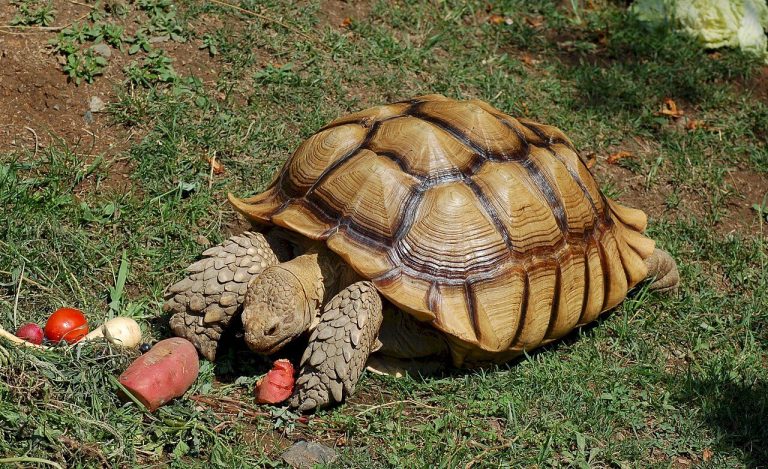
In contrast, larger species like the Sulcata may dig massive tunnels several feet deep to escape the African sun. Understanding these nuances helps you tailor the enclosure to their biological expectations.
Mediterranean Species
Species like the Russian and Greek tortoises are known for their intense digging. They often prefer to be completely submerged in the substrate during the night.
If you provide a shallow substrate for these species, they may spend hours scratching at the corners of the enclosure. This behavior indicates they are trying to find a deeper, more secure place to sleep.
Tropical and Forest Species
Red-footed tortoises, which hail from humid forest regions, do not burrow as deeply. Instead, they prefer to sleep under fallen logs or within piles of damp moss.
For these tortoises, focus on “surface hides” that maintain very high humidity. You can achieve this by adding live plants or moist sphagnum moss to their designated sleeping quarters.
Pro Tip: If your tortoise consistently sleeps outside of its hide, check the temperature inside the hide. It may be trapping too much heat or becoming too cold, forcing the animal to seek more comfortable conditions elsewhere.
Common Challenges with Tortoise Sleep
Sometimes, even with a perfect setup, you might notice unusual sleeping behaviors. It is important to distinguish between normal resting and signs of illness or environmental stress.
If you notice your tortoise is lethargic or sleeping more than usual, it could be a sign of a respiratory infection. Monitoring how long they sleep can provide early clues to their health status.
Disruptions to the Sleep Cycle
External noises, vibrations, or frequent handling late in the evening can startle a tortoise. These disruptions prevent them from entering deep sleep stages, leading to irritability and a lack of appetite.
Keep the enclosure in a low-traffic area of your home during the night. This makes sure the environment remains quiet and the tortoise feels safe enough to fully retract into its shell.
Identifying Sleep vs. Lethargy
A healthy tortoise is easy to wake and becomes active shortly after the morning lights turn on. If your pet remains tucked in its shell even after the basking lamps have warmed the enclosure, it may be time to reassess their care for a tortoise at home to ensure no underlying issues exist.
Lethargy is often accompanied by other symptoms, such as nasal discharge or a lack of interest in food. Always consult a veterinarian if the tortoise’s sleeping habits change suddenly without an obvious environmental cause.
Seasonal Changes and Brumation
As the seasons change, many tortoises naturally prepare for brumation, a state of dormancy similar to hibernation. During this time, where tortoise sleep becomes a long-term commitment.
The animal will seek out the deepest, most stable part of its burrow. In captivity, you must carefully control the temperature to make sure they do not wake up too early or experience dangerous metabolic shifts.
Preparing the Winter Sleeping Spot
For species that brumate, the sleeping area must be protected from frost and extreme moisture. Many keepers use “hibernation boxes” filled with insulating materials like shredded paper or dry leaves.
Monitoring the weight and hydration of the tortoise before they enter this deep sleep is key. A healthy tortoise can sustain itself for months, but a sick or underweight animal may not survive the process.
Waking Up from Long-Term Rest
When the photoperiod lengthens and temperatures rise, the tortoise will slowly emerge. Providing immediate access to water and a warm basking spot is essential to “restart” their digestive system after a long period of inactivity.
Common questions About Tortoise Sleeping Locations
Why does my tortoise sleep in the corner instead of its hide?
This often happens if the hide is too hot, too cold, or smells of ammonia from waste. It can also occur if the tortoise is still acclimating to a new environment and feels safer in a corner where it can see the entire enclosure.
Can tortoises sleep in water?
While some semi-aquatic turtles sleep in water, land tortoises should never sleep submerged. If your tortoise is sleeping in its water bowl, it may be trying to hydrate or cool down, but this can lead to skin infections if it becomes a habit.
How deep should the substrate be for sleeping?
For most burrowing species, the substrate should be at least as deep as the tortoise is long. This allows them to fully submerge themselves, which provides the best insulation and security.
Do tortoises sleep with their heads out?
Generally, a tortoise will pull its head and limbs into its shell for protection while sleeping. If a tortoise is sleeping with its head fully extended and limp, and does not retract when touched, it may be suffering from extreme exhaustion or illness.
Should I turn off all lights at night?
Yes, all light sources, including UV and basking lamps, should be turned off. If you need to maintain heat, use a ceramic heat emitter (CHE) which provides warmth without emitting any visible light that could disrupt their circadian rhythm.
Final Thoughts on Tortoise Sleep Health
Providing a dedicated and well-maintained area for where tortoise sleep is one of the kindest things you can do for your pet. It is more than just a place to rest; it is a sanctuary that supports their complex biological needs.
If you focus on substrate quality, humidity control, and species-specific preferences, you create an environment where your tortoise can settle in. A well-rested tortoise is a healthy, active, and long-lived companion.
Observe your pet’s behavior closely and do not be afraid to adjust their sleeping quarters as they grow. With the right setup, you will enjoy the peace of mind that comes with knowing your chelonian friend is safe and comfortable every single night.

- 2003First tank
- 20+Years keeping
- 40+Tanks kept
- 0Sponsored picks
Howard set up his first 10-gallon planted tank in 2003 and lost half of it within six weeks. Two decades and more than forty aquariums later, he writes the guides he wished he had then: clear numbers, the reasons behind them, and what actually goes wrong in home tanks.