DIY Hydroponics For Beginners – Step-by-Step Guide
DIY hydroponics for beginners involves using aquarium water, rich in fish waste, to fertilize terrestrial plants. It is a simple, sustainable way to improve water quality while growing dense greenery.
Integrating plants into your aquarium setup is one of the most satisfying transitions an aquarist can make. If you set up a system where your fish provide the nutrients for your house plants, you are essentially creating a miniature, closed-loop ecosystem.
In my experience, this approach makes your tank look eye-catching and also acts as a powerful natural filtration system. When you start diy hydroponics for beginners, you quickly realize that your plants are doing half the work of maintaining water chemistry for you.
Understanding the Symbiotic Relationship
At its core, this method relies on the nitrogen cycle. Fish produce waste, which breaks down into ammonia, then nitrites, and finally into nitrates.
While nitrates are generally safe in low concentrations, they can accumulate quickly in a closed aquarium. Aquatic plants flourish by absorbing these nitrates as fertilizer, essentially cleaning the water for your fish.
Pro Tip: Always make sure your plant roots are submerged, but keep the foliage above the water line. If the leaves are constantly submerged, they will eventually rot and foul your water quality.
Essential Gear for Your First Setup
You do not need an expensive, high-tech setup to get started. Most of the materials can be found at your local hardware or hobby store.
To help your project is successful, focus on selecting plants that are naturally hardy and enjoy “wet feet.” Common choices include Pothos, Peace Lilies, and Philodendrons, which are famous for their ability to scrub nitrates from the water column.
| Component | Purpose |
|---|---|
| Mesh Pots | Allows roots to access water while keeping plant stable. |
| Expanded Clay Pellets | Provides structure and surface area for beneficial bacteria. |
| Hang-on-Back Hangers | Securely positions the plant basket above the tank edge. |
Practical Steps to diy hydroponics for beginners
Start by selecting a sturdy location on the rim of your aquarium. You need to make sure that the weight of the basket and the plant will not stress your glass or acrylic.
Clean the root system of your chosen plant thoroughly to remove any soil or chemical fertilizers. These substances can be harmful to your fish if introduced directly into your aquarium water.
Gently place the plant in a mesh pot and surround it with inert media like clay pebbles. This media holds the plant upright and provides a home for beneficial bacteria that help process waste before it even hits the water.
Selecting the Right Livestock
Not every fish is a perfect candidate for a system involving plant roots. Some species, like certain cichlids or large goldfish, might be tempted to nibble on the delicate roots dangling into the water.
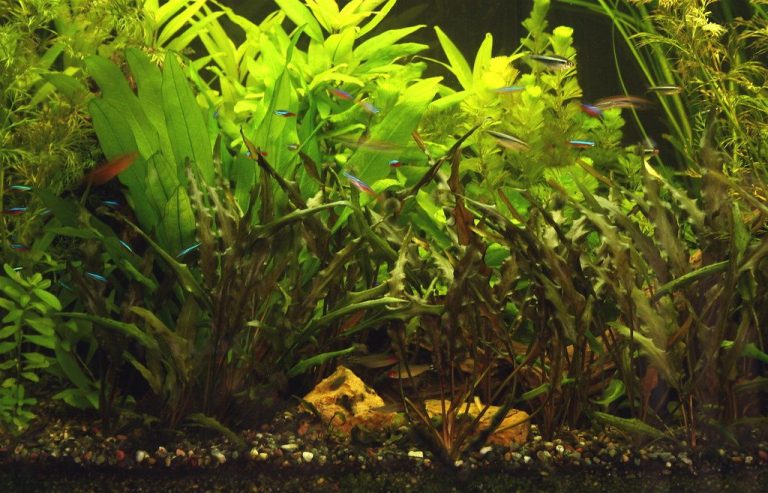
I have found that community fish like Tetras are excellent for these setups. If you are curious about which species are best suited for a healthy community tank, consider reading our guide on top-tier tetras for beginners.
Maintenance and Monitoring
Even with plants handling the heavy lifting, you must still test your water regularly. Plants are not a replacement for water changes, but they certainly extend the time between them.
Keep an eye on your nitrate levels using a liquid test kit. If you notice your nitrates are dropping to zero consistently, you may need to supplement with specific trace minerals or iron, as the plants might be consuming all available nutrients.
Common Mistake: Do not use plants from a garden store that have been treated with heavy pesticides. These chemicals can be lethal to shrimp and sensitive fish species.
Evaluating the Pros and Cons
Before fully committing, it helps to weigh the impact on your specific setup. You can learn more about the specific positive impacts of hydroponics on water clarity to see if it aligns with your goals.
Conversely, it is just as important to understand the potential drawbacks of hydroponics, such as light competition or the risk of plant decay, before building your system. Being aware of these issues allows you to troubleshoot proactively rather than reactively.
Practical notes
- Keep nutrient solution pH at 5.5–6.5 for most leafy greens; check it every day or two, because it drifts quickly.
- Run an air stone in deep water culture reservoirs around the clock; roots suffocate within hours without oxygen.
- Healthy roots are white or cream. Brown, slimy roots with a sour smell point to root rot, usually from warm, low-oxygen water.
- Measure EC (electrical conductivity) after every top-off. Leafy greens usually do well at 1.2–2.0 mS/cm, fruiting crops higher.
FAQ: Frequently Asked Questions
Will my fish eat the plant roots?
Most community fish will ignore healthy, established roots. However, if your fish are naturally herbivorous, they may pick at the roots, which could stress the plant over time.
Do I need to add extra light for the plants?
While your aquarium light might be sufficient for some low-light plants, many terrestrial plants prefer a bit more spectrum or intensity. A small, dedicated clip-on light for the plants can make a world of difference.
Can I grow edible herbs in my aquarium?
Yes, you can, but be very careful. Make sure you are not using any medications or treatments in your tank that are not labeled as safe for human consumption.
My final take
Starting a project like this brings a new layer of satisfaction to the hobby. You aren’t just keeping fish; you are building a living, breathing slice of nature that cleans itself.
Take your time with the setup and watch your plants grow alongside your aquatic friends. With a little patience, you will see exactly why so many hobbyists are moving toward this greener approach.

- 2003First tank
- 20+Years keeping
- 40+Tanks kept
- 0Sponsored picks
Howard set up his first 10-gallon planted tank in 2003 and lost half of it within six weeks. Two decades and more than forty aquariums later, he writes the guides he wished he had then: clear numbers, the reasons behind them, and what actually goes wrong in home tanks.