When Tortoise Sleep – What You Need to Know
Tortoises typically sleep for 10 to 12 hours during the night, following a diurnal rhythm. They retreat into burrows or dark hides at sunset to regulate their body temperature and remain hidden from potential predators until morning.
Understanding when tortoise sleep is one of the most fundamental aspects of being a responsible keeper. Over the last decade of maintaining various reptiles and aquatic systems, I have found that sleep patterns are the best indicator of overall health.
If your tortoise is not resting correctly, it often points to an issue with the environment or diet. Just like the fish in our aquariums, tortoises rely on a strict light and dark cycle to maintain their biological functions.
In this guide, I will share my personal experiences and the scientific principles behind tortoise rest. We will explore how to create the perfect sleeping environment to make sure your shelled friend lives a long, healthy life.
At a glance: Tortoises (general) (Family Testudinidae)
- Temperature
- Basking 90–100°F by species
- Adult size
- 4–30 in shell by species
- Enclosure
- Large enclosure or outdoor pen
- Group size
- Usually alone
- Temperament
- Docile
- Diet
- Herbivores: weeds, grasses, leafy greens
- Lifespan
- 40–100+ years
Keeper’s tip: UVB lighting and calcium are essential for healthy shell growth in indoor tortoises.
The Natural Sleep Cycle of a Tortoise
Most tortoise species are strictly diurnal, meaning they are active during the day and sleep at night. This behavior is deeply rooted in their biology, as they rely on the sun to kickstart their metabolism.
In my experience, a tortoise will begin to settle down as soon as the light intensity fades. They have a very keen sense of the passing day, often heading toward their favorite sleeping spot before the lights even turn off.
How Long Do They Actually Sleep?
A healthy tortoise will usually sleep between 10 and 12 hours a day. However, this can vary based on the age of the animal and the specific species you are keeping.
Younger tortoises, much like human infants, may require more rest. I have often noticed my hatchlings spending up to 15 hours tucked away in their hides to conserve energy for growth.
The Importance of the Photoperiod
Proper aquarium lighting photoperiod regulation is not just for plants and fish; it is vital for tortoises too. Without a clear distinction between day and night, their internal clock becomes confused.
I always recommend using an automatic timer for your enclosure lights. This makes sure that the tortoise receives a consistent 12 hours of light followed by 12 hours of total darkness.
Pro Tip: If your tortoise is restless at night, check for “light pollution” in the room. Even a small LED from a television or a nearby fish tank can disrupt their circadian rhythm.
Environmental Factors Influencing Rest
The environment plays a massive role in when tortoise sleep and how deeply they rest. Unlike mammals, tortoises cannot generate their own body heat, so their sleep is tied to the ambient temperature.
If the enclosure is too cold, the tortoise may fall into a state of lethargy that mimics sleep but is actually dangerous. Conversely, if it is too hot, they may struggle to settle down at all.
Temperature and Sleep Quality
During the night, it is natural for the temperature to drop slightly. However, you must help it does not fall below the safe threshold for your specific species.
| Species | Ideal Daytime Temp (°F) | Safe Nighttime Temp (°F) |
|---|---|---|
| Sulcata Tortoise | 85 – 95 | 70 – 75 |
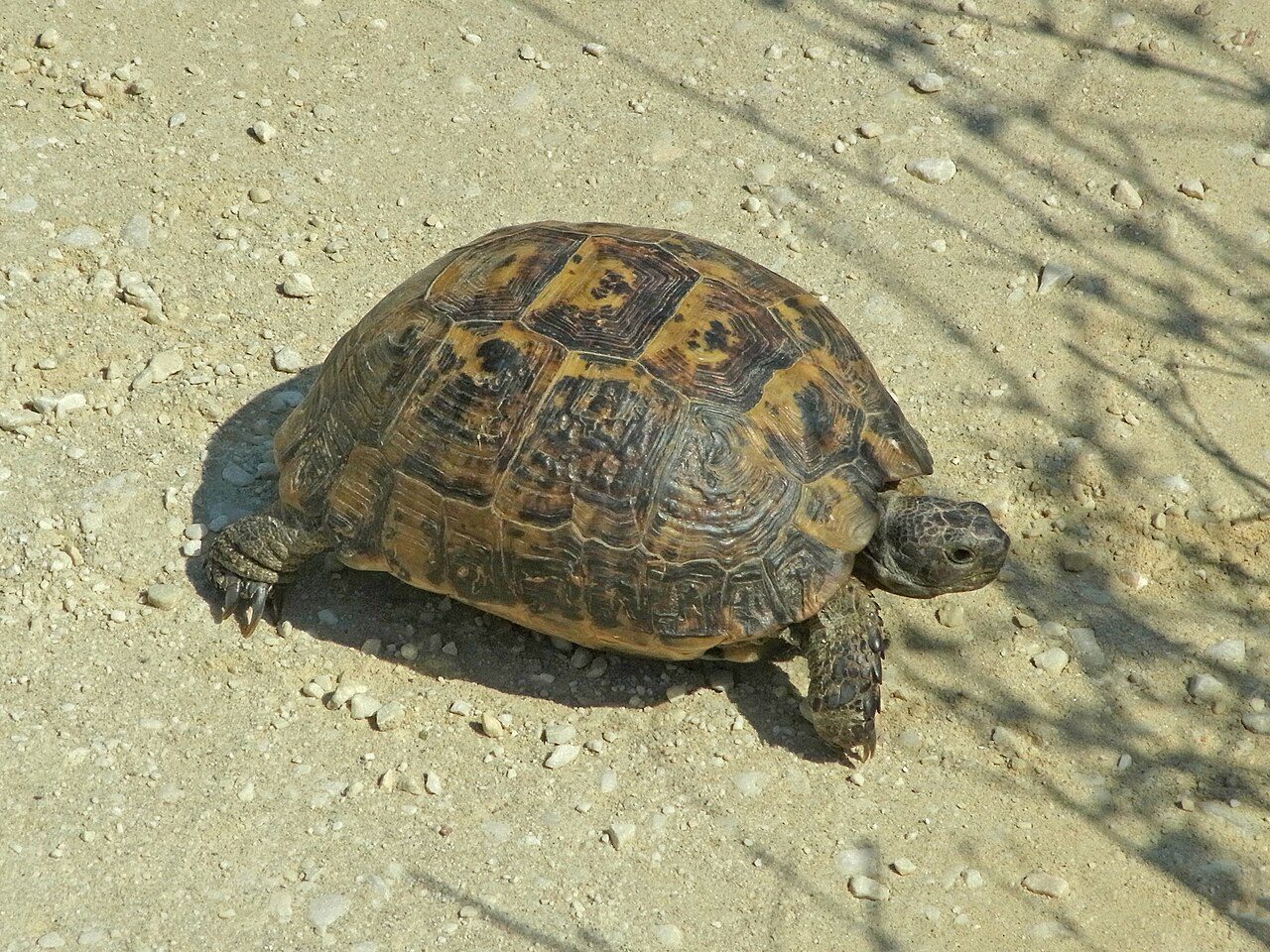
| Russian Tortoise | 75 – 85 | 65 – 70 |
| Red-Footed Tortoise | 80 – 88 | 70 – 75 |
When the mercury drops, many tortoises exhibit substrate burrowing behavior. This is a natural instinct to find a microclimate that remains stable throughout the night.
Humidity and Respiratory Health
Humidity is often overlooked when discussing sleep. If the air is too dry, a tortoise may experience discomfort in their nasal passages, leading to frequent waking or “repositioning.”
I have found that keeping the sleeping area slightly more humid helps with shell health and hydration. This is especially true when managing your tortoise during cold months when indoor heaters tend to dry out the air.
Common Sleeping Behaviors to Watch For
Every tortoise has its own “personality” when it comes to bedtime. Some are very tidy and sleep in the same spot every night, while others are more adventurous.
You might see your tortoise stretching its legs out behind it or tucking its head completely into its shell. Both are signs of a tortoise that feels secure in its environment.
The Use of Hides and Shelters
In the wild, a tortoise is most vulnerable when sleeping. To counter this, they use cryptic coloration resting camouflage and seek out dark, enclosed spaces.
Providing a sturdy, dark hide is non-negotiable for a healthy habitat. When constructing a proper enclosure, I always ensure there are at least two hiding spots—one on the warm side and one on the cool side.
Why Do They Dig Before Sleeping?
If you hear scratching at night, don’t worry. This is a rhythmic behavior where the tortoise “beds down” into the substrate to create a snug fit.
In my years of keeping, I’ve noticed this behavior is more pronounced in species like the Russian tortoise. They are masters of creating burrows that protect them from temperature swings.
Pro Tip: Make sure your substrate is deep enough for burrowing. A mix of organic topsoil and coco coir at least 4-6 inches deep is ideal for most medium-sized tortoises.
Sleep vs. Torpor: Knowing the Difference
It is important to distinguish between healthy sleep and water temperature induced torpor or lethargy. While torpor is a natural state for some aquatic species, in tortoises, it often signals a problem.
If your tortoise is sleeping during the day or seems unable to wake up even after the basking lights are on, there may be an underlying issue. This is sometimes linked to a loss of appetite or respiratory infection.
The Impact of Water Quality on Sleep
While tortoises are land animals, their environment still requires cleanliness. High levels of waste can lead to bacterial growth, which affects their comfort and health.
In aquatic setups, we worry about ammonia toxicity neurological depression, which makes fish appear sleepy or “drunk.” In a tortoise enclosure, poor hygiene can cause similar lethargy due to the stress on their immune system.
Circadian Rhythm Disruption in Fish and Tortoises
I often compare tortoise sleep to the diurnal fish resting behavior seen in many aquarium favorites. Both groups of animals require a distinct “off” period to process nutrients and repair tissues.
If you leave the lights on 24/7, the tortoise will experience extreme stress. This leads to a weakened immune system and a significantly shortened lifespan.
Special Considerations: Brumation and Aestivation
Sometimes, when tortoise sleep, it isn’t just for the night. Certain species undergo long periods of dormancy known as brumation (in cold weather) or aestivation (in extreme heat).
Brumation is a deep, metabolic sleep that can last for months. It is a natural process, but it requires careful monitoring of the tortoise’s weight and hydration levels.
Aestivation and Environmental Stress
In cases of extreme drought or heat, some tortoises enter a state of aestivation. This is similar to how certain fish use an anabantoid labyrinth organ aestivation strategy to survive when their ponds dry up.
The tortoise will bury itself deep underground and slow its heart rate to a crawl. If your pet does this unexpectedly, it usually means your enclosure is far too hot or dry.
Comparing Sleep to Other Species
It is interesting to note the nocturnal fish species activity cycle compared to tortoises. While your tortoise is sleeping, many catfish or loaches in a nearby aquarium might just be starting their day.
This contrast is one of the reasons I love keeping both reptiles and fish. There is always someone awake and active in my hobby room.
How to Tell if Your Tortoise is Sleeping Soundly
A sleeping tortoise should look peaceful. Their breathing will be slow and rhythmic, often visible by the slight movement of the skin around their legs.
If you see your tortoise “pumping” its front legs while sleeping, this is actually how they breathe. Because they have a rigid shell, they use their limb muscles to move air in and out of their lungs.
Signs of Disturbed Sleep
If your tortoise is frequently waking up or moving around the enclosure at night, something is wrong. Common culprits include:
- Presence of mites or other parasites.
- Temperatures that are too high or too low.
- Noise and vibrations from nearby appliances.
- Inadequate hiding spaces that make the tortoise feel exposed.
The Role of Diet in Sleep Patterns
What a tortoise eats during the day affects how it sleeps at night. A high-fiber diet ensures they have the energy to forage but also allows for a slow, steady digestion process during rest.
I have found that tortoises fed a diet too high in fruit or sugar often have “bursts” of energy followed by crashes. This can lead to irregular sleep patterns and irritability.
Creating the Perfect Sleeping Environment
To ensure your tortoise gets the best rest possible, you need to focus on the “three Hs”: Humidity, Hideouts, and Heat.
I always recommend placing the primary sleeping hide in a corner of the enclosure. This provides two “solid” walls, which helps the tortoise feel more secure against potential threats.
Substrate Choice for Better Rest
The substrate should be moisture-retentive but not soggy. If the tortoise is sleeping on a damp surface, they are at risk for shell rot or respiratory issues.
I personally use a mix of cypress mulch and soil. This allows for natural substrate burrowing fish dormancy-like behavior, where the tortoise can create a perfect “nest” for the night.
Lighting Transitions
In nature, the sun doesn’t just “flick off.” There is a period of twilight. While not strictly necessary, some advanced keepers use “dimming” thermostats to simulate a sunset.
I have noticed that my older Sulcatas respond very well to this. They start moving toward their burrows as the light begins to dim, mirroring their natural instincts in the wild.
Quick answers
Do tortoises sleep with their eyes open?
No, tortoises have eyelids and will close them tightly when they are in a deep sleep. If you see a tortoise with its eyes open but it is not moving, it is likely just basking or resting, not fully asleep.
Why is my tortoise sleeping in its water bowl?
This is usually a sign that the enclosure is too hot or the humidity is too low. The tortoise is trying to cool down or hydrate. While it might look cute, it can be dangerous if they flip over or if the water becomes too cold at night.
Can tortoises dream?
While we cannot know for sure, studies on reptilian brain waves suggest they do experience REM-type sleep. It is remarkable to think that your tortoise might be dreaming of a field of dandelions.
Should I wake my tortoise up?
Generally, you should never wake a sleeping tortoise unless you need to administer medication or there is an emergency. Sudden waking can cause significant stress and disorientation.
A closing note
Monitoring when tortoise sleep is one of the most rewarding parts of being a keeper. It provides a window into their health and well-being that few other behaviors can match.
If you provide a consistent photoperiod, a secure hide, and the right thermal gradients, you are giving your tortoise the foundation for a long life. Remember that every species is unique, so always tailor your care to the specific needs of your pet.
Whether you are watching the nocturnal fish species activity cycle in your tanks or checking on your burrowed tortoise, observing these natural rhythms is what makes our hobby so special. Keep learning, keep observing, and enjoy the quiet moments with your shelled companions.

- 2003First tank
- 20+Years keeping
- 40+Tanks kept
- 0Sponsored picks
Howard set up his first 10-gallon planted tank in 2003 and lost half of it within six weeks. Two decades and more than forty aquariums later, he writes the guides he wished he had then: clear numbers, the reasons behind them, and what actually goes wrong in home tanks.