Disadvantages Of Hydroponics – Pros and Cons
The primary disadvantages of hydroponics include high initial setup costs, a total reliance on electricity, and the risk of rapid disease spread. Additionally, maintaining the complex balance of water chemistry and nutrient levels requires significant technical knowledge.
Over the last decade, I have seen a massive surge in aquarium hobbyists trying to bridge the gap between fish keeping and gardening. Many of us start by simply sticking a piece of Pothos into our hang-on-back filters, hoping to lower nitrates and add a splash of green to the room.
However, as you move toward more complex setups like aquaponics or dedicated ripariums, you begin to encounter the same hurdles that commercial growers face. While the idea of growing plants without soil sounds like a futuristic dream, the reality often involves a steep learning curve and several unexpected frustrations.
In my experience, understanding the disadvantages of hydroponics is the first step toward building a system that actually lasts. If you jump in without a clear picture of the risks, you may find yourself dealing with flooded floors, dead plants, or—even worse—stressed fish.
Understanding the Technical Barriers of Soilless Growing
When we remove soil from the equation, we lose the natural buffer that earth provides to plant roots. In a traditional garden, the soil acts as a reservoir for nutrients and moisture, protecting plants from sudden environmental shifts.
In a hydroponic or aquaponic environment, the water is the sole provider of everything the plant needs. This means that any mistake you make in your water chemistry is amplified almost instantly, leaving very little room for error.
I’ve noticed that beginners often struggle with the sheer amount of monitoring required to keep things stable. You aren’t just a fish keeper anymore; you are effectively a water chemist and a high-tech gardener rolled into one.
Pro Tip: The Power Failure Trap
Always have a battery-powered air stone or a small backup power supply for your pumps. In a hydroponic setup, if the water stops moving, the roots can begin to dry out or suffocate in stagnant water within just a few hours.
The Financial Burden: Initial Costs and Energy Demands
One of the most immediate disadvantages of hydroponics is the price tag associated with a proper setup. Unlike a simple pot of dirt, a functional hydroponic system requires pumps, specialized grow lights, timers, and high-quality nutrient solutions.
If you are integrating this with an aquarium, you also have to consider the cost of plumbing and specialized grow media like expanded clay pebbles or rockwool. These materials add up quickly, especially if you are aiming for a large-scale “veggie filter” for a monster fish tank.
Beyond the initial purchase, the ongoing electricity costs can be a shock to your monthly budget. High-output LED grow lights and constant-run water pumps consume a significant amount of energy over time, which is something many hobbyists overlook in the planning phase.
| Resource | Soil Gardening | Hydroponic Setup |
|---|---|---|
| Initial Setup Cost | Low (Pot, Soil, Seeds) | High (Pumps, Lights, Media) |
| Electricity Usage | Zero (Sunlight) | Moderate to High |
| Water Efficiency | Moderate (Runoff loss) | Very High (Recirculating) |
| Maintenance Frequency | Weekly | Daily Monitoring |
Critical Disadvantages of Hydroponics in an Aquarium Context
When you link your fish tank to a hydroponic grow bed, you are creating a closed-loop ecosystem. While this is the “holy grail” for many aquarists, it introduces a specific set of disadvantages of hydroponics that don’t exist in standalone systems.
The biggest issue I have encountered is the nutrient tug-of-war between the plants and the fish. While plants are excellent at removing nitrates, they also consume trace minerals like iron, potassium, and magnesium that your aquatic plants or even the fish might need.
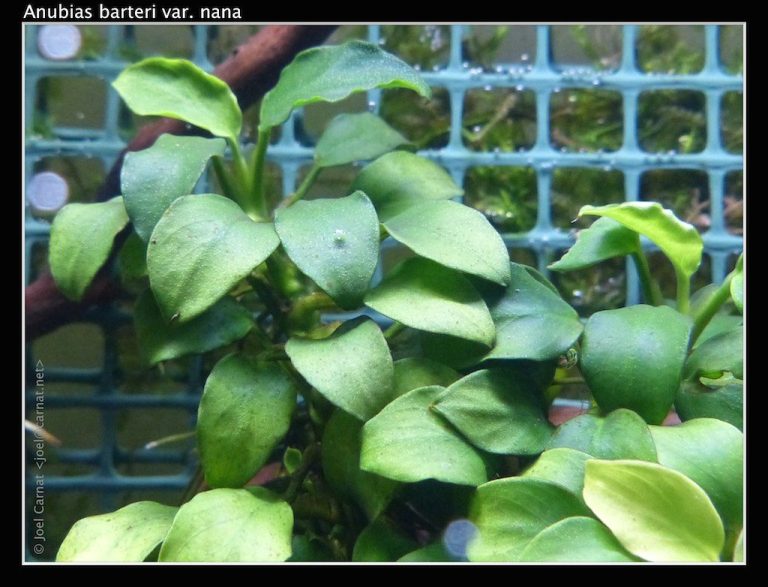
If your terrestrial plants grow too aggressively, they can “starve” your submerged aquarium plants. This often leads to a situation where your tomatoes are well-kept above the tank, but your expensive Anubias and Java Ferns inside the tank are melting away.
Furthermore, the pH levels required for ideal plant growth (often 5.5 to 6.5) do not always align with the needs of your fish. Keeping African Cichlids, which prefer hard, alkaline water, in an aquaponic system can be a nightmare because the plants will constantly struggle to take up nutrients at a high pH.
The Risk of Rapid Disease and Pest Spread
In a soil-based garden, if one plant gets a root fungus, it often stays localized to that specific area for a while. However, in a recirculating water system, the water acts as a high-speed highway for pathogens and pests.
If a single plant develops a water-borne disease like Pythium (root rot), the spores are pumped through the entire system within minutes. This can lead to a catastrophic failure where every plant in your setup dies simultaneously.
Similarly, pests like aphids or spider mites can be incredibly difficult to treat in an aquarium-linked system. You cannot simply spray heavy pesticides on your plants because the runoff will drip back into the aquarium and likely kill your fish or shrimp.
Common Mistake: Over-reliance on “Natural” Fixes
When pests strike your hydroponic plants, don’t assume all “organic” sprays are safe for fish. Even Neem oil can cause surface film issues that reduce oxygen exchange for your fish, leading to gasping and stress.
System Vulnerability and Mechanical Failures
A hydroponic system is only as strong as its weakest piece of hardware. This mechanical dependency is one of the most frustrating disadvantages of hydroponics for someone used to the low-tech simplicity of a standard aquarium.
Leaks are a constant concern, especially when you are routing water outside of the main tank into grow beds or PVC pipes. A single clogged drain—often caused by runaway root growth—can result in your main pump emptying the entire aquarium onto your living room floor.
Root blockages are more common than people think. Over time, the roots of vigorous plants like Monstera or Mint will find their way into every nook and cranny of your plumbing, eventually restricting flow and causing pressure build-ups.
The Learning Curve: Technical Knowledge Requirements
To be successful, you need to understand the relationship between electrical conductivity (EC), total dissolved solids (TDS), and nutrient bioavailability. This is a lot to ask of a beginner who just wanted a pretty fish tank.
I have seen many hobbyists get discouraged because they didn’t realize that plants “eat” differently at different stages of their lives. A system balanced for leafy greens like lettuce will likely fail if you try to grow fruiting plants like peppers without significant adjustments to your supplementation.
Without this technical knowledge, you are essentially flying blind. You might see yellowing leaves and assume you need more fertilizer, but the actual problem might be a pH lockout that prevents the plant from using the nutrients already present in the water.
Is Hydroponics Right for Your Aquarium? (Decision Table)
Before you commit to the hardware and the hassle, use this table to determine if you are ready for the transition.
| Feature | Stick to Traditional Aquariums if… | Try Hydroponics/Aquaponics if… |
|---|---|---|
| Time Commitment | You prefer low-maintenance “set and forget” tanks. | You enjoy daily testing and tweaking parameters. |
| Budget | You are working with a limited or fixed budget. | You have the funds for backup pumps and quality LEDs. |
| Space | You have limited vertical space above the tank. | You have room for racking and overhead lighting. |
| Risk Tolerance | You keep sensitive or expensive shrimp and fish. | You keep hardy species (like Goldfish or Tilapia). |
Practical notes
- Top off with plain water between changes and replace the whole solution every 2–3 weeks to stop salts building up.
- Start with easy crops such as lettuce, basil and spinach before moving on to tomatoes or peppers.
- Keep reservoir water at 65–72°F (18–22°C). Warmer water holds less oxygen and invites root rot.
- Light-proof reservoirs and tubing; any light reaching the solution grows algae that competes for nutrients.
Frequently asked questions
Can I do hydroponics without a pump?
While “Kratky” method hydroponics exists without a pump, it is very difficult to integrate with a live aquarium. In a fish tank, you need water movement to prevent the water from becoming stagnant and foul, which would harm both your fish and your plants.
Why are my plants dying even though my fish are healthy?
This is one of the classic disadvantages of hydroponics in a home setting. Your fish produce nitrates, but they don’t produce enough potassium, iron, or calcium for many terrestrial plants. You likely need to “dose” these specific nutrients carefully to keep the plants alive.
Does hydroponics cause more algae in the aquarium?
It can. If you are adding fertilizers to support your hydroponic plants and your lighting is not perfectly balanced, the excess nutrients will fuel massive algae blooms inside the fish tank.
Are there any “silent” risks to look out for?
Humidity is a major one. A large hydroponic setup can significantly increase the humidity in your room, which might lead to mold on your walls or ceiling if you don’t have proper ventilation.
Final Thoughts on the Challenges of Soilless Systems
When we look at the disadvantages of hydroponics, it is easy to feel overwhelmed. Between the technical requirements, the potential for leaks, and the constant need for monitoring, it is certainly not a “lazy” way to keep an aquarium.
However, for the right person, these challenges are part of the fun. I have personally found that the satisfaction of harvesting a bunch of fresh basil grown entirely from my aquarium water is worth the occasional headache.
If you decide to move forward, start small. Don’t try to build a commercial-grade system on day one. A single plant in a basket is the best way to learn the ropes without risking the health of your entire aquatic community.
Always keep in mind that the health of your fish comes first. If the hydroponic system starts to negatively impact your water quality or the stress levels of your inhabitants, be prepared to scale back and re-evaluate your approach.

- 2003First tank
- 20+Years keeping
- 40+Tanks kept
- 0Sponsored picks
Howard set up his first 10-gallon planted tank in 2003 and lost half of it within six weeks. Two decades and more than forty aquariums later, he writes the guides he wished he had then: clear numbers, the reasons behind them, and what actually goes wrong in home tanks.