Farming with Hydroponics – Explained Simply
Farming with hydroponics is a soil-free cultivation method that delivers mineral-rich water directly to plant roots. This technique maximizes growth rates and resource efficiency, making it ideal for modern indoor and outdoor gardening setups.
Modern gardening is undergoing a massive shift as more enthusiasts move away from traditional soil. Farming with hydroponics offers a precise way to grow plants by controlling every variable in the environment.
By removing the unpredictability of soil, you can make sure your crops receive the exact nutrients they need. This method is particularly popular among aquarists who want to integrate plant growth with their water-based hobbies.
Whether you are looking to grow fresh herbs or colorful leafy greens, understanding the mechanics of soilless growth is the first step toward success. Let’s explore how you can master this innovative approach to cultivation.
The Core Principles of Farming with Hydroponics
At its heart, farming with hydroponics relies on a nutrient solution to sustain plant life. Instead of searching through soil for minerals, roots are bathed in a tailored mix of water and essential elements.
This direct access allows plants to spend less energy growing extensive root systems and more energy producing foliage and fruit. The result is often a significantly faster growth cycle compared to traditional dirt farming.
To succeed, you must manage the relationship between water, oxygen, and nutrients. When these three elements are balanced, plants settle in in environments that would otherwise be inhospitable.
The Role of Oxygen in the Root Zone
One of the most critical aspects of this method is root zone oxygenation. Without sufficient oxygen, roots can “drown,” leading to rot and systemic failure.
In many systems, air stones or falling water are used to increase dissolved oxygen levels. This ensures that the metabolic processes of the plant remain at peak performance throughout the day.
Understanding Nutrient Delivery
Nutrients in these systems are typically delivered in a highly bioavailable form. Unlike soil, where cation exchange capacity determines how well minerals are held, hydroponics allows for immediate uptake.
This means you have total control over the “diet” of your plants. You can adjust the concentrations of nitrogen, phosphorus, and potassium based on the specific growth stage of your crop.
Common Mistake: Many beginners forget to monitor the temperature of their nutrient solution. If the water gets too warm, it holds less oxygen, which can quickly lead to root pathogens.
Popular Systems for Hydroponic Success
There is no one-size-fits-all approach to building a system. Different methods suit different plants and space requirements, ranging from simple buckets to complex vertical towers.
Choosing the right setup depends on your goals and the amount of time you can dedicate to maintenance. Each system has unique advantages regarding water circulation and ease of use.
Nutrient Film Technique (NFT)
The nutrient film technique is a favorite for commercial and hobbyist leafy green production. In this setup, a very shallow stream of nutrient-rich water flows over the tips of the roots.
The roots grow into a thick mat at the bottom of a sloped channel. Because only the tips are submerged, the upper portion of the root system has constant access to atmospheric oxygen.
Deep Water Culture (DWC)
In a deep water culture system, plants are suspended in net pots above a reservoir. The roots hang directly into the nutrient solution, which is constantly aerated by an air pump.
This is one of the easiest systems to maintain and is excellent for larger plants like tomatoes or peppers. It provides a stable environment that resists rapid temperature fluctuations.
Ebb and Flow Systems
Also known as flood and drain, the ebb and flow method involves periodically flooding the grow tray with nutrients. After a set time, the solution drains back into a reservoir.
This cycle makes sure that the expanded clay aggregate or other media stays moist while allowing the roots to breathe between waterings. It is a versatile choice for a wide variety of plant species.
Essential Components for Your Setup
To start farming with hydroponics, you need a few specialized tools beyond just seeds and water. These components work together to create a self-sustaining loop for your plants.
Investing in quality equipment early on can prevent many common headaches. Reliability is key, especially when dealing with water pumps and lighting timers.
| Component | Function | Importance |
|---|---|---|
| Reservoir | Holds the nutrient solution | High – Must be light-proof |
| Submersible Pump | Moves water to the plants | Essential for active systems |
| Grow Lights | Provides necessary spectrum | Critical for indoor setups |
| Air Stone | Increases dissolved oxygen | Vital for root health |
Selecting the Right Growing Media
Since there is no soil, you need a medium to support the plant’s weight and provide a home for nitrifying bacteria. Common choices include rockwool, perlite, and coconut coir.
Expanded clay aggregate is particularly popular because it is reusable and provides excellent drainage. It does not affect the pH of your water, giving you total control over the chemistry.
Monitoring Water Chemistry
Success in farming with hydroponics is largely a numbers game. You must regularly check the electrical conductivity (EC) of your solution to make sure nutrient levels are not too high or too low.
Additionally, pH levels must be kept within a specific range (usually 5.5 to 6.5). If the pH drifts too far, plants experience “nutrient lockout” and cannot absorb the minerals present in the water.
Managing Nutrients and Additives
Plants require a complex mix of macro and micro-nutrients to flourish. In a hydroponic environment, these must be added manually to the water.
Most growers use a two-part or three-part liquid nutrient system. This prevents certain minerals from reacting with each other and falling out of the solution before they reach the plant.
The Importance of Chelated Iron
Iron is a common deficiency in many fast-growing hydroponic crops. Using chelated iron ensures that the mineral remains available to the plant even if the pH fluctuates slightly.
Without it, you may notice yellowing between the veins of new leaves, a condition known as interveinal chlorosis. Keeping a bottle of supplement on hand is a smart move for any serious grower.
Water Quality Considerations
The starting quality of your water matters immensely. Many professional growers prefer using purified water to avoid competing with minerals already present in tap water.
If you are just starting, you might want to look into best water for hydroponics to understand how your local supply affects plant health. High chlorine or heavy metal content can stunt growth.
Pro Tip: Always calibrate your pH and EC meters at least once a month. Inaccurate readings are the leading cause of “mystery” plant deaths in soilless systems.
Best Crops for Hydroponic Farming
While you can technically grow almost anything hydroponically, some crops are much better suited for the environment. Leafy greens and soft-stemmed herbs are the gold standard for beginners.
These plants typically have shorter growth cycles and lower nutrient requirements. This makes them more forgiving if you make a mistake with your water chemistry.
Leafy Greens and Lettuce
Lettuce is perhaps the easiest crop to master. It stays healthy in deep water culture and nutrient film technique systems.
Because lettuce has a shallow root system, it doesn’t require a large amount of space. You can harvest individual leaves or the entire head, providing a constant supply of fresh food.
Culinary Herbs
Basil, mint, and cilantro are excellent candidates for best vegetables for hydroponics setups. They grow incredibly fast when given high light and consistent nutrients.
Basil, in particular, loves the warmth and high nitrogen levels found in most standard hydroponic solutions. It will often produce much larger leaves than its soil-grown counterparts.
Troubleshooting Common Hydroponic Issues
Even with the best planning, problems can arise. Being able to identify symptoms early can save your entire crop from failure.
Most issues in farming with hydroponics stem from the water solution or the environment. Checking these two factors first will solve about 90% of your problems.
Identifying Root Rot
Root rot is a fungal or oomycete infection that turns healthy white roots into brown, slimy mush. It is almost always caused by low oxygen levels or high water temperatures.
If you smell a foul, swamp-like odor coming from your reservoir, it is time to act. Increasing aeration and using a beneficial bacteria supplement can help reverse the damage if caught early.
Algae Growth in the System
Algae is a common nuisance that competes with your plants for nutrients. It grows whenever light hits the nutrient-rich water in your reservoir or grow trays.
To prevent this, help all water containers are opaque. Using black tubing and covering the top of your grow media with “sun shields” will starve the algae of the light it needs to grow.
Integrating Hydroponics with Fish Keeping
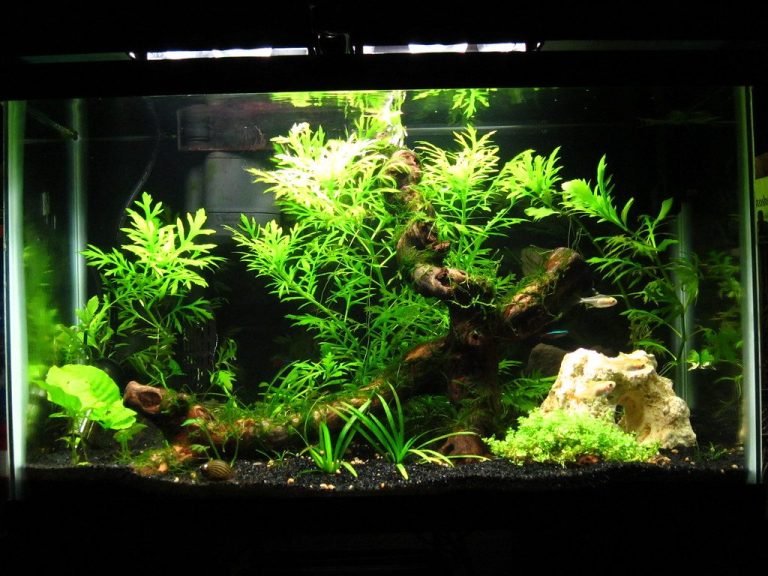
For many hobbyists, the ultimate goal is to combine farming with hydroponics with an aquarium. This creates a symbiotic relationship where fish waste provides the nutrients for the plants.
This process is often discussed when looking at how is aquaponics different from other methods. The plants act as a natural filter, cleaning the water for the fish.
In these setups, nitrifying bacteria convert ammonia into nitrates. The plants then absorb these nitrates, which prevents toxic buildup in the fish tank.
Practical notes
- Top off with plain water between changes and replace the whole solution every 2–3 weeks to stop salts building up.
- Start with easy crops such as lettuce, basil and spinach before moving on to tomatoes or peppers.
- Keep reservoir water at 65–72°F (18–22°C). Warmer water holds less oxygen and invites root rot.
- Light-proof reservoirs and tubing; any light reaching the solution grows algae that competes for nutrients.
Common questions About Hydroponic Farming
Is farming with hydroponics more expensive than soil gardening? The initial setup costs for pumps, lights, and reservoirs are higher than buying a bag of soil. However, the faster growth rates and reduced water usage often make it more cost-effective in the long run.
How often should I change the nutrient solution? Most experts recommend a full reservoir change every 7 to 14 days. This prevents the buildup of unused salts and helps make sure the nutrient balance remains right for the plants.
Can I use regular garden fertilizer for hydroponics? No, standard fertilizers often lack the micronutrients necessary for soilless growth. They also frequently contain urea, which can be toxic to plants in a hydroponic environment without soil bacteria to break it down.
Do I need special seeds for hydroponic systems? You can use any standard seeds for hydroponics. However, some varieties are bred specifically for greenhouse or indoor conditions and may perform better in a controlled system.
How much light do hydroponic plants need? Most leafy greens require 12 to 14 hours of light per day. Fruiting plants like tomatoes may need up to 16 hours of high-intensity light to produce a good harvest.
Final Thoughts on Modern Hydroponic Farming
Embracing farming with hydroponics opens up a world of possibilities for the modern grower. It allows you to produce high-quality food or decorative plants regardless of your local soil quality or climate.
If you focus on the needs of the roots—oxygen, moisture, and minerals—you can achieve results that far surpass traditional methods. The precision offered by these systems is the future of sustainable gardening.
As you gain experience, you can experiment with different system designs and nutrient profiles. The journey from a simple bucket to a fully automated vertical farm is one of the most rewarding paths an aquarist or gardener can take.

- 2003First tank
- 20+Years keeping
- 40+Tanks kept
- 0Sponsored picks
Howard set up his first 10-gallon planted tank in 2003 and lost half of it within six weeks. Two decades and more than forty aquariums later, he writes the guides he wished he had then: clear numbers, the reasons behind them, and what actually goes wrong in home tanks.