Aquaculture Production And Biodiversity Conservation
Aquaculture production and biodiversity conservation go hand-in-hand by utilizing sustainable breeding practices and closed-loop systems to reduce pressure on wild populations while promoting the health of our home aquatic ecosystems.
When we think about our home aquariums, we often overlook the broader impact of our hobby. Whether you are keeping a simple community tank or managing a sophisticated reef, the intersection of aquaculture production and biodiversity conservation is more relevant than ever.
As hobbyists, we act as stewards of the species we keep. If you prioritise captive-bred organisms, we directly contribute to the reduction of wild-harvesting pressure, making sure that ecosystems remain intact for future generations.
The Philosophy of Sustainable Fish Keeping
At its core, this approach is about stewardship. When we source tank-raised specimens, we are participating in a global effort to preserve genetic integrity.
I have spent over a decade observing how captive-bred fish adapt better to the aquarium environment. They are generally more accustomed to standard prepared foods and are often more resilient to common tank stressors.
Pro Tip: Always ask your local fish store specifically for “captive-bred” or “aquaculture-certified” livestock. If they cannot confirm the source, it is often safer to wait for a shipment that carries that provenance.
Understanding Advanced Aquaculture Systems at Home
You might think that recirculating aquaculture systems (RAS) are only for large-scale farms, but the principles apply to your home setup. A well-maintained canister filter or a complex sump system is essentially a micro-RAS, designed to manage waste and maintain water quality.
If you watch your aquarium plant oxygen production, you are actually engaging in a miniature version of phytoremediation wastewater treatment. This helps keep your nitrogen cycle stable and your inhabitants healthy.
Balancing Ecology in Your Tank
When we talk about aquaculture production and biodiversity conservation, we must discuss the importance of biosecurity. Even in a small tank, introducing new fish carries the risk of bringing in pathogens.
Effective pathogen exclusion biosecurity protocols are simple: quarantine your new arrivals. A dedicated quarantine tank allows you to observe behavior and treat potential issues before they spread to your main display.
| Parameter | Target for Stability | Why It Matters |
|---|---|---|
| Dissolved Oxygen | 6-8 mg/L | Supports metabolic health |
| Nitrate (NO3) | < 20 ppm | Prevents long-term stress |
| Ammonia/Nitrite | 0 ppm | Essential for survival |
Managing Genetic Health and Biodiversity
One of the biggest challenges in captive breeding is the risk of a genetic bottleneck. When we consistently breed from a very small pool of siblings, the resulting offspring may become less hardy over time.
For those interested in breeding, I recommend seeking out unrelated pairs from different sources. This practice of genetic bottleneck mitigation strategies helps make sure that the fish you produce remain vigorous and true to their species’ characteristics.
Common Mistake: Many hobbyists fail to document the lineage of their breeding stock. Keeping a simple logbook of where your fish came from can help you make informed decisions when it is time to pair them up.
Reducing Your Environmental Footprint
The hobby can be resource-intensive, but we can mitigate this by being mindful of our waste. Effluent nutrient loading—essentially the nitrates and phosphates we remove during water changes—can be managed more sustainably.
Consider using your nutrient-rich aquarium water to fertilize house plants. This turns waste into a resource, effectively closing the loop in your home ecosystem.
FAQ: Common Questions on Aquaculture and Conservation
Q: Can home hobbyists really help with biodiversity? A: Absolutely. By supporting captive-breeding programs, you reduce the demand for wild-caught specimens, which protects fragile habitats from over-harvesting.
Q: What is the biggest threat to aquarium biodiversity? A: The introduction of aquatic invasive species risk assessment is key. Never release aquarium fish or plants into local waterways, as this can devastate native populations.
Q: Are there simple ways to improve my tank’s sustainability? A: Focus on efficiency. Use LED lighting to reduce energy consumption, and optimize your filtration to minimize water waste during maintenance.
Q: Why is native species reintroduction ecology mentioned in conservation? A: It highlights the need to keep our tanks “biosecure.” If non-native species are released, they can outcompete local fauna, illustrating why we must be responsible keepers.
Where that leaves you
Integrating the principles of aquaculture production and biodiversity conservation into your hobby is not just about keeping fish alive—it is about honoring the natural world. Every water change, every thoughtful feeding, and every decision to buy captive-bred livestock is a step toward a more sustainable future.
Once you understand the mechanics behind our tanks, we transform from mere collectors into true enthusiasts. I have found that the more I learn about these systems, the more rewarding the hobby becomes.
For those looking to expand their knowledge further, understanding the fundamentals of fish culture can provide a solid foundation for your future projects. Keep learning, keep observing, and keep growing your piece of the underwater world.
Practical notes
- Never use pesticides on aquaponics plants; most are toxic to fish even in small amounts.
- Test ammonia and nitrite weekly in new systems and after adding fish.
- Keep aquaponics water near pH 6.8–7.2, a compromise between fish, plants and nitrifying bacteria.
- Stocking density drives water quality in any aquaculture setup; more fish per gallon means more filtration and aeration.
- 2003First tank
- 20+Years keeping
- 40+Tanks kept
- 0Sponsored picks
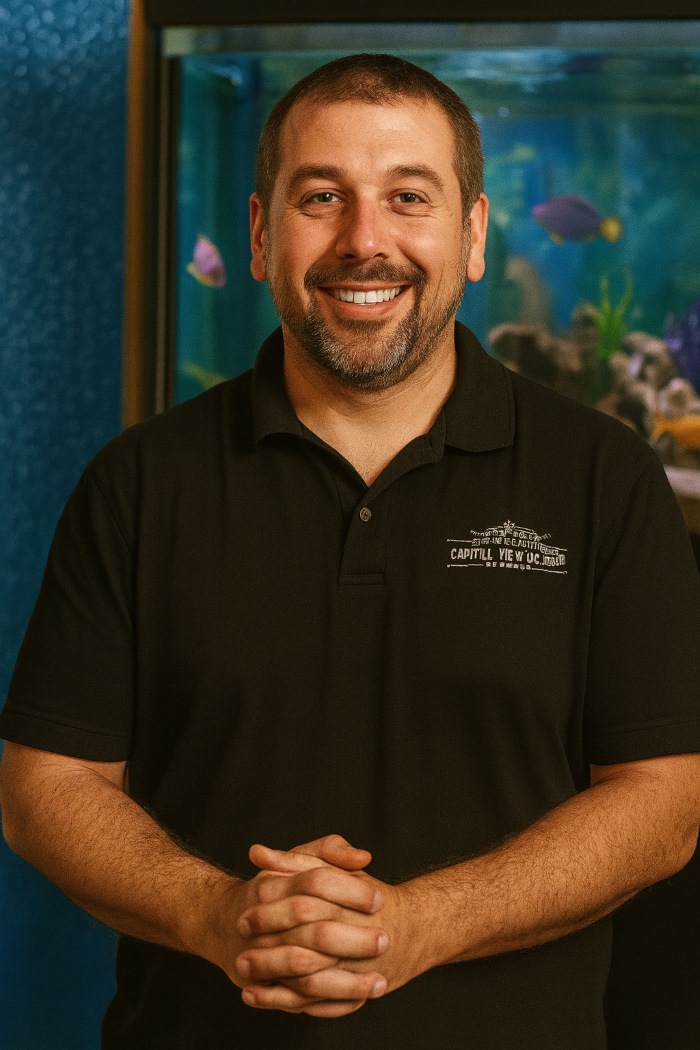
Howard set up his first 10-gallon planted tank in 2003 and lost half of it within six weeks. Two decades and more than forty aquariums later, he writes the guides he wished he had then: clear numbers, the reasons behind them, and what actually goes wrong in home tanks.