Aquarium Plant Oxygen Production – Explained Simply
Aquarium plant oxygen production is the natural process where aquatic plants, through photosynthesis, convert carbon dioxide and light energy into sugars for growth, releasing oxygen as a vital byproduct. This oxygen significantly boosts water quality, supporting the respiration and overall health of fish, shrimp, and beneficial bacteria in your aquarium.
Welcome, fellow aquarists, to the rich world beneath the surface! If you’ve ever gazed into a beautifully planted aquarium, you’ve likely witnessed the subtle magic of tiny bubbles rising from plant leaves. This phenomenon, known as pearling, is a direct visual cue of solid aquarium plant oxygen production, a cornerstone of a healthy and stable aquatic ecosystem. Understanding and optimizing this process is key to building not just leafy greenery, but also colorful, stress-free fish and efficient biological filtration.
In my decade-plus journey of keeping diverse aquatic setups, from nano tanks to large community aquariums, I’ve seen firsthand the transformative power of live plants. They do far more than just look pretty; they are the lungs of your underwater world, constantly working to maintain the delicate balance required for life to flourish. Let’s look closely at the science, the benefits, and the practical strategies for maximizing oxygen output from your aquatic flora.
The Science Behind Aquarium Plant Oxygen Production: Photosynthesis Explained
At its heart, aquarium plant oxygen production is a biological marvel driven by photosynthesis. This fundamental process allows plants to create their own food using light energy, and in doing so, they provide a life-sustaining byproduct for the entire aquarium.
The Photosynthesis Process
Photosynthesis is a complex biochemical reaction, but its core principle is simple: plants take in carbon dioxide (CO2) from the water and light energy (typically from your aquarium lights) to synthesize glucose (a sugar) for energy and growth. The chemical equation is often summarized as:
6CO2 (Carbon Dioxide) + 6H2O (Water) + Light Energy → C6H12O6 (Glucose) + 6O2 (Oxygen)
The green pigment chlorophyll, housed within the plant’s cells, is key for capturing light energy. This energy then powers the conversion. A key part of this process involves the splitting of water molecules, known as `photolysis`, which directly releases oxygen into the surrounding water. The `RuBisCO enzyme` plays a critical role in the initial steps of carbon fixation, where CO2 is incorporated into organic molecules.
Pearling: A Sign of Vigor
When you see those tiny streams of bubbles escaping from your plant leaves, you’re witnessing `pearling`. This happens when the water surrounding the plant becomes saturated with oxygen produced during photosynthesis. Since the water can’t hold any more dissolved oxygen, the excess collects on the leaf surface as visible bubbles before rising to the surface.
Pearling is a fantastic indicator of healthy, active photosynthesis and excellent aquarium plant oxygen production. It tells you your plants are happy, well-lit, and have sufficient carbon dioxide and nutrients to settle in. I’ve noticed that a tank full of pearling plants often correlates with strong fish health and crystal-clear water.
Pro Tip: Observing Pearling
To best observe pearling, try to watch your tank about 2-4 hours after your lights turn on, especially if you’re using CO2 supplementation. This gives the plants time to ramp up photosynthesis. Don’t be discouraged if you don’t see it immediately; not all plants pearl vigorously, and conditions need to be just right.
Why Dissolved Oxygen is Key for a Healthy Aquarium Ecosystem
The oxygen released by your plants doesn’t just dissipate into the air; it saturates the water column as `dissolved oxygen`. This invisible gas is arguably the most critical parameter for the health and longevity of nearly all aquarium inhabitants.
Benefits for Fish and Invertebrates
Fish and invertebrates, like shrimp and snails, require `dissolved oxygen` for respiration, just as land animals need atmospheric oxygen. They extract this oxygen from the water using their gills. Adequate oxygen levels are fundamental for:
- Efficient Metabolism: Allows fish to properly process food and utilize energy.
- Reduced Stress: Fish constantly gasping at the surface are often suffering from low oxygen, leading to weakened immune systems and susceptibility to disease.
- Ideal Growth and Coloration: Healthy, well-oxygenated fish display their best colors and grow at their natural rates.
- Reproduction: Many species require specific oxygen levels for successful spawning and egg development.
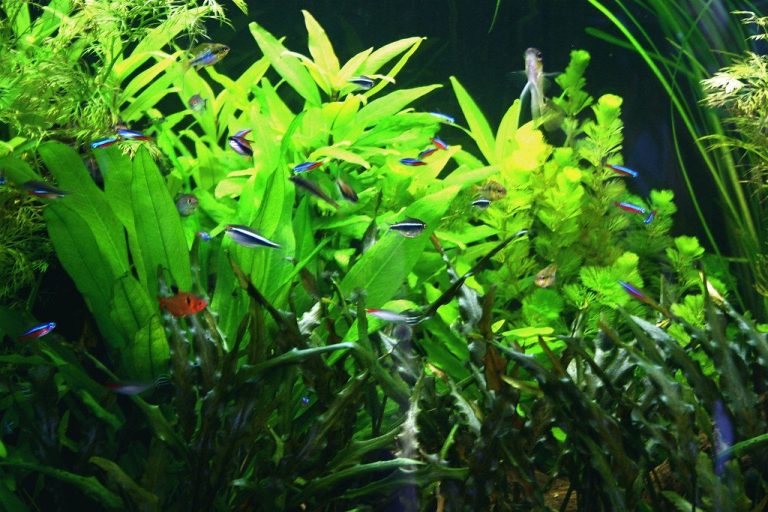
For species like neon tetras, which often come from oxygen-rich blackwater environments, stable and sufficient dissolved oxygen is non-negotiable for their long-term well-being.
Benefits for Biological Filtration and Water Quality
Beyond the obvious needs of fish, `dissolved oxygen` is indispensable for the unseen heroes of your aquarium: beneficial bacteria. These microscopic organisms colonize your filter media, substrate, and even plant surfaces, performing vital roles in the nitrogen cycle.
- Nitrification: Aerobic bacteria, specifically Nitrosomonas and Nitrobacter, convert toxic ammonia into nitrite, and then nitrite into much less toxic nitrate. This process is entirely oxygen-dependent. Without sufficient oxygen, these bacteria cannot function, leading to a dangerous buildup of ammonia and nitrite.
- Waste Breakdown: Oxygen aids in the decomposition of organic waste materials, preventing anaerobic (oxygen-free) zones from forming. Anaerobic conditions can produce harmful gases like hydrogen sulfide, which smells like rotten eggs and is highly toxic to fish.
- Overall Stability: A well-oxygenated tank is more resilient to minor fluctuations and supports a healthier, more balanced microbial community.
Key Factors Influencing Aquarium Plant Oxygen Production
To master aquarium plant oxygen production, we must understand the environmental factors that govern photosynthesis. It’s a delicate balance, and adjusting one parameter often impacts others.
Light: The Energy Source
Light is the engine of photosynthesis. Without adequate illumination, plants cannot produce oxygen effectively.
- Photosynthetically Active Radiation (PAR): This measures the amount of light within the spectral range (400-700 nanometers) that plants actually use for photosynthesis. It’s a much more accurate metric than lumens or watts for evaluating plant growth lights.
- Intensity: Too little light, and plants starve. Too much, and you risk algae blooms. Finding the `light compensation point` – the intensity where oxygen production equals oxygen consumption – is critical. Beyond this point, net oxygen production occurs.
- Spectrum: Plants primarily utilize blue and red light wavelengths. Most quality aquarium plant lights are designed to provide an best spectrum.
- Duration: A consistent photoperiod, typically 8-10 hours, allows plants sufficient time to photosynthesize without promoting excessive algae growth.
Carbon Dioxide (CO2): The Building Block
Carbon dioxide is the primary carbon source for plants. While some CO2 naturally dissolves into the water from the air, and fish respiration contributes a small amount, it’s often the limiting factor in heavily planted tanks.
- CO2 Supplementation: In high-tech planted aquariums, injecting CO2 is common to boost plant growth and thus oxygen production significantly. This can be done via DIY systems or pressurized CO2 tanks. For more details, check out our guide on aquarium CO2 efficiency.
- Bicarbonate Utilization: Some hardy plants, particularly those in harder water, can utilize bicarbonates as a carbon source when gaseous CO2 is scarce. However, this is less efficient than direct CO2 uptake.
Nutrients: Fueling Growth
Just like terrestrial plants, aquatic plants need a balanced diet of macro and micronutrients for vigorous growth and effective photosynthesis.
- Macronutrients: Nitrogen (N), Phosphorus (P), and Potassium (K) are needed in larger quantities.
- Micronutrients: Iron, manganese, zinc, boron, and copper are essential in trace amounts. Iron, for instance, is critical for chlorophyll production.
- Delivery: Nutrients can be supplied through nutrient-rich substrates, liquid fertilizers, or root tabs. Deficiencies will stunt growth and reduce oxygen output.
Plant Health and Species Selection
The type and health of your plants play a huge role in their oxygen output.
- Fast-Growing Plants: Species like `Egeria densa`, Anacharis, and various stem plants are renowned for their rapid growth and high rates of photosynthesis, leading to significant oxygen release.
- Leaf Structure: Plants with fine, delicate leaves or a large surface area tend to be more efficient at gas exchange.
- Aerenchyma: Some aquatic plants possess specialized internal air channels called `aerenchyma`. These allow for efficient gas transport within the plant, facilitating both CO2 uptake and oxygen release, particularly in submerged parts.
- Overall Health: Stress, disease, or damage will impair a plant’s ability to photosynthesize, reducing oxygen production.
Water Movement and Gas Exchange Interface
Water movement is a double-edged sword when it comes to oxygen.
- Surface Agitation: Gentle surface agitation is essential for the `gas exchange interface` between the water and the air, allowing CO2 to dissolve into the water and excess oxygen to escape. Too little agitation can lead to a CO2 deficiency.
- Excessive Flow: While some flow is good, too much turbulent flow can strip beneficial CO2 from the water too quickly for plants to absorb, potentially hindering photosynthesis. It can also cause physical stress to delicate plant leaves.
- Oxygen Distribution: Adequate water flow helps distribute the oxygen produced by plants evenly throughout the tank, ensuring all inhabitants benefit.
Maximizing Oxygen Production: Actionable Strategies
Now that we understand the influencing factors, let’s put that knowledge into practice. Here are actionable steps to supercharge your aquarium plant oxygen production.
Optimizing Lighting
Invest in a quality LED light fixture designed for planted aquariums. Look for lights that specify their PAR output and offer a full spectrum.
- Intensity: Adjust light intensity based on your plant selection. Low-light plants require less, while high-light plants demand more. Start conservatively to avoid algae.
- Photoperiod: Stick to an 8-10 hour lighting schedule. Use a timer for consistency. Avoid leaving lights on for too long, as this primarily benefits algae, not necessarily increased oxygen production beyond a certain point.
CO2 Supplementation
For rich plant growth and maximum oxygen output, especially in medium to high-tech planted tanks, CO2 injection is highly recommended.
- Pressurized Systems: Offer precise control and are generally more stable.
- DIY CO2: A more budget-friendly option for smaller tanks, though less consistent.
- Monitoring: Use a drop checker to monitor CO2 levels, aiming for a consistent green color. This makes sure your plants get enough CO2 without over-acidifying the water, which can be harmful to fish.
Nutrient Management
A balanced nutrient regimen is critical.
- Substrate: Start with a nutrient-rich aquasoil or add root tabs for heavy root feeders.
- Liquid Fertilizers: Dose comprehensive liquid fertilizers regularly, following product instructions. Pay attention to both macro and micronutrients.
- Water Testing: Periodically test for nitrates and phosphates to keep you’re not over-dosing, which can lead to algae.
Choosing the Right Plants
Selecting the right plants for your setup is fundamental. Fast-growing, undemanding species are excellent oxygen producers.
Here’s a table comparing common aquarium plant types and their oxygen production potential:
| Plant Type | Examples | Growth Rate | Oxygen Production Potential | Typical Light/CO2 Needs |
|---|---|---|---|---|
| Stem Plants | Egeria densa (Anacharis), Rotala, Ludwigia, Bacopa | Fast to Very Fast | Very High (Excellent pearling potential) | Medium to High Light, CO2 often beneficial |
| Floating Plants | Frogbit, Dwarf Water Lettuce, Red Root Floaters | Very Fast | High (Primarily atmospheric gas exchange, but contribute to overall system health) | Any light, utilize atmospheric CO2 |
| Rhizome Plants | Anubias, Java Fern, Bucephalandra | Slow to Medium | Medium | Low to Medium Light, CO2 not essential |
| Rooted Rosette Plants | Cryptocoryne, Echinodorus (Swords), Vallisneria | Medium to Fast | High | Medium Light, CO2 beneficial for faster growth |
| Foreground/Carpet Plants | Dwarf Hairgrass, Monte Carlo, Pearlweed | Medium to Fast | High (Excellent pearling when established) | High Light, CO2 essential for carpeting |
For maximum oxygen generation, focus on a good density of fast-growing stem plants and rooted rosette plants. Consider whether your angelfish need live plants for their environment, as many fish species benefit greatly.
Regular Maintenance
Healthy plants are productive plants.
- Trimming: Regularly trim stem plants to promote bushier growth and prevent shading. Remove any decaying leaves.
- Cleaning: Keep plant leaves free of algae or detritus that can block light and hinder photosynthesis.
- Water Changes: Consistent partial water changes replenish trace elements and remove excess nitrates, contributing to a stable environment.
Troubleshooting Low Oxygen Production and Common Mistakes
Sometimes, despite your best efforts, your plants might not be pearling or showing vigorous growth. Here are common issues and how to address them.
Identifying Signs of Low Oxygen
Beyond observing your plants, pay attention to your fish:
- Gasping at Surface: The most obvious sign. Fish struggle to breathe and congregate at the water’s surface where oxygen exchange occurs.
- Lethargy: Fish may become less active, spending time hiding or resting on the substrate.
- Rapid Gill Movement: Fish gills may be working harder than usual to extract oxygen.
Common Issues Affecting Plant Oxygen Production
- Inadequate Lighting: The most frequent culprit. If your light is too weak, too old, or has the wrong spectrum, plants won’t photosynthesize effectively. Upgrade your light or help it’s positioned correctly.
- CO2 Deficiency: Especially in high-light tanks, natural CO2 simply isn’t enough. Consider CO2 injection. If you’re injecting CO2, ensure your diffuser isn’t clogged and your bubble rate is appropriate for your tank size.
- Nutrient Deficiencies: Yellowing leaves (nitrogen, iron), stunted growth (various), or holes in leaves (potassium) indicate a lack of essential nutrients. Adjust your fertilization regimen.
- Algae Overgrowth: Algae compete with plants for light and nutrients. Severe algae blooms can smother plants and block light, drastically reducing their oxygen output. Address the root cause of the algae (usually excess light, nutrients, or fluctuating CO2).
- Overstocking: Too many fish consume a lot of oxygen, putting extra strain on the system and potentially leading to low oxygen levels even with healthy plants.
- Poor Water Circulation: Creates “dead spots” where CO2 and nutrients can’t reach plants, and oxygen doesn’t circulate. Make sure good flow throughout the tank.
Common Mistake: Thinking More Light is Always Better
Many beginners assume blasting their tank with maximum light will lead to explosive plant growth and oxygen. In reality, without adequate CO2 and nutrients to match, high light often leads to rampant algae growth, which then outcompetes your plants, effectively reducing net oxygen production from your desired flora. Balance is key.
Worth knowing before you start
- Change one variable at a time (light, CO2 or fertiliser) and wait two weeks to judge the result.
- Root feeders such as swords, crypts and vallisneria need root tabs or a nutrient-rich substrate, not only liquid fertiliser.
- Add plants before fish in a new tank; they start using ammonia and nitrate right away.
- Remove melting or dead leaves promptly so they do not break down into ammonia.
Quick answers about Plant Oxygen
Do aquarium plants produce oxygen at night?
No, plants primarily produce oxygen during the day when they have light for photosynthesis. At night, in the absence of light, plants respire, consuming oxygen and releasing a small amount of carbon dioxide, similar to animals. However, the net oxygen production during the day far outweighs nighttime consumption in a healthy planted tank.
Can you have too much oxygen in an aquarium?
While rare, it is theoretically possible for oxygen levels to become excessively high, leading to gas bubble disease in fish. This typically only occurs under very specific, extreme conditions, such as sudden, large temperature drops in highly oxygen-saturated water or malfunctioning equipment. In a well-maintained, healthy planted tank, the oxygen levels produced by plants are beneficial and rarely problematic.
How can I tell if my aquarium plants are producing enough oxygen?
The best visual indicator is `pearling`, where tiny bubbles stream from the plant leaves. Additionally, observe your fish; they should be active, swimming freely, and not gasping at the surface. A healthy, clear tank with solid plant growth is generally a good sign of sufficient aquarium plant oxygen production. You can also use a `dissolved oxygen` test kit for a precise measurement, though this is usually only necessary for advanced troubleshooting.
Final thoughts
The magic of aquarium plant oxygen production is proof of the intricate beauty and natural balance we strive to create in our home aquariums. Once you understand the science of photosynthesis and diligently managing key factors like light, CO2, and nutrients, you empower your aquatic plants to become powerful oxygen factories.
Embracing live plants isn’t just about aesthetics; it’s about encouraging a healthier, more stable, and more vivid environment for all your aquatic inhabitants. So, go forth, build those dense green havens, and enjoy the sparkling effervescence of a flourishing, oxygen-rich underwater world. Your fish, shrimp, and even your beneficial bacteria will thank you for it.

- 2003First tank
- 20+Years keeping
- 40+Tanks kept
- 0Sponsored picks
Howard set up his first 10-gallon planted tank in 2003 and lost half of it within six weeks. Two decades and more than forty aquariums later, he writes the guides he wished he had then: clear numbers, the reasons behind them, and what actually goes wrong in home tanks.