Super Hydroponics – Elevate Your Aquarium With Advanced Plant
Super hydroponics refers to advanced, highly efficient soilless plant cultivation techniques integrated with aquariums, leveraging fish waste as nutrient-rich fertilizer to encourage rapid plant growth while naturally purifying tank water, improving overall aquatic ecosystem health.
Welcome, fellow aquarists, to a journey into the exciting world where cutting-edge plant cultivation meets bright aquatic ecosystems. If you’ve already dabbled in the basics of keeping live plants in your aquarium, or even just considered the idea, you’re in for a treat. Today, we’re diving deep into super hydroponics – a concept that takes the symbiotic relationship between fish and plants to an entirely new level.
This isn’t just about floating a pothos cutting in your filter. It’s about designing and implementing systems that maximize the benefits of hydroponic plant growth for your aquarium’s health and aesthetics. In my experience, after over a decade of maintaining various tank setups, integrating advanced hydroponics has been one of the most satisfying endeavors. It transforms your aquarium into a self-sustaining miniature ecosystem, offering unparalleled water quality and striking visual appeal.
What Exactly is Super Hydroponics for Aquariums?
At its core, super hydroponics in an aquarium context is the intentional, optimized integration of soilless plant cultivation techniques with your fish tank. It goes beyond simple plant growth to create a highly efficient biological filtration system. Instead of relying solely on mechanical and biological filters, you harness the power of fast-growing terrestrial and semi-aquatic plants to remove harmful nitrates, phosphates, and other dissolved organic compounds directly from the water column.
This method transforms fish waste, often seen as a problem, into a valuable resource. The plants act as living nutrient sponges, stable on these byproducts and in turn, delivering crystal-clear water for your fish and shrimp. It’s a win-win scenario that dramatically reduces the need for frequent water changes and improves the overall stability of your aquatic environment.
The Unparalleled Benefits of an Advanced Hydroponic System
Embracing a sophisticated hydroponic setup offers a multitude of advantages that go far beyond what traditional filtration alone can achieve. It’s about creating a balanced and flourishing ecosystem.
First and foremost, water quality sees a dramatic improvement. Plants are incredibly efficient at absorbing nitrates and phosphates, which are the end products of the nitrogen cycle and common culprits behind algae blooms. When you implement a strong hydroponic system, you’ll notice a significant reduction in these parameters.
Pro Tip: When I first tried a dedicated hydroponic filter, I was amazed at how quickly my nitrate levels dropped. I’ve noticed that for heavily stocked tanks, a well-designed super hydroponics system can reduce weekly water changes by up to 50%, while still maintaining pristine water conditions. It’s a real improvement for busy aquarists.
Beyond nutrient removal, these systems contribute to increased oxygenation as the plants photosynthesize. This can be particularly beneficial for tanks with higher bioloads. Furthermore, the extensive root systems of hydroponic plants provide additional surface area for beneficial bacteria to colonize, bolstering your tank’s biological filtration capacity.
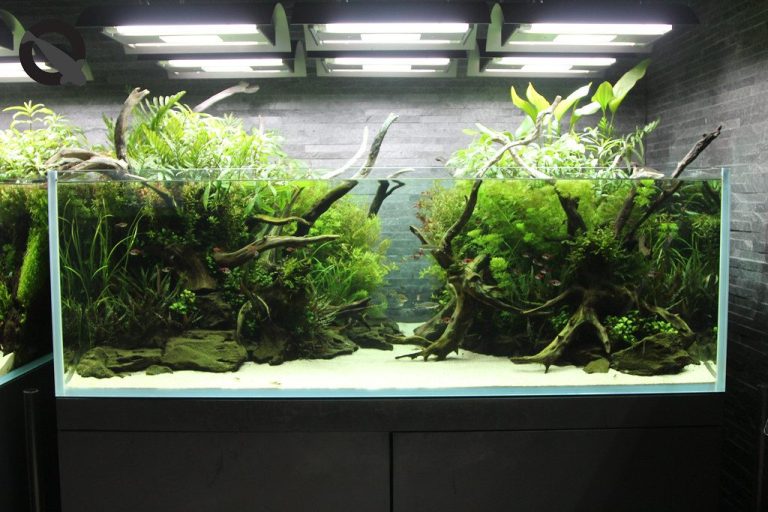
Finally, let’s not forget the aesthetic appeal. Well-grown, vivid green growth cascading from the top of your aquarium creates a striking display. It adds a natural, jungle-like feel that can turn any tank into a striking focal point, blending the beauty of terrestrial and aquatic worlds easy.
Designing Your Super Hydroponics System: Key Components and Considerations
Setting up an effective hydroponic system requires careful planning and the right components. It’s not overly complicated, but understanding the fundamentals will make sure your success.
The basic premise involves diverting aquarium water to a separate grow area where plant roots are submerged or constantly irrigated. This water then returns to the aquarium, cleaner and healthier.
Essential Components for Success
You’ll need a few key pieces of equipment to get started. These include a reliable water pump, suitable grow media, and a container or tray for your plants.
Lighting is also essential for sturdy plant growth, especially if your setup isn’t near a bright window. LED grow lights are energy-efficient and highly effective.
A timer for your lights helps keep a consistent photoperiod, which is vital for plant health.
Popular System Types for Aquariums
There are several methods you can adapt for your aquarium. Each has its own advantages and setup considerations.
Here’s a quick comparison of some common super hydroponics system types:
| System Type | Description | Pros for Aquarists | Cons for Aquarists |
|---|---|---|---|
| Deep Water Culture (DWC) | Plant roots are suspended directly in a reservoir of nutrient-rich aquarium water, often with an air stone for oxygenation. | Simple to set up, excellent oxygenation for roots, rapid plant growth. | Requires consistent water level, potential for root rot if not enough oxygen. |
| Nutrient Film Technique (NFT) | Water flows in a thin “film” over the roots, providing moisture and nutrients while exposing roots to air. | Highly efficient nutrient delivery, excellent oxygenation, good for leafy greens. | Can clog easily, requires precise slope, vulnerable to pump failure. |
| Media Beds (Flood & Drain) | Plants grown in an inert medium (e.g., clay pebbles) that is periodically flooded with aquarium water and then drained. | Excellent biological filtration, stable pH, great for heavy feeders, solid. | Can be heavy, requires a bell siphon or timer, initial setup can be complex. |
| Drip Systems | Water is dripped onto the base of each plant in a grow medium, with excess draining back to the reservoir. | Water-efficient, customizable for individual plants, good for larger plants. | Drippers can clog, requires careful monitoring of medium moisture. |
For those new to this, I often recommend starting with a simple DWC or a smaller media bed system. This allows you to get comfortable with the principles before scaling up. You can find a more general overview in our hydroponics guide.
Choosing the Right Plants for Your Advanced Setup
Plant selection is key for the success of your super hydroponics system. You need plants that are tolerant of constantly wet roots and settle in on the nutrients found in fish waste.
Some popular and highly effective choices include Pothos (Epipremnum aureum), Peace Lily (Spathiphyllum), and Monstera (Monstera deliciosa). These plants are incredibly hardy and known for their rapid growth and excellent nutrient uptake. They’re also readily available and visually appealing.
Lucky Bamboo (Dracaena sanderiana) and various types of philodendrons also make great candidates. When choosing, look for plants that naturally grow in boggy conditions or are known for their ability to flourish with their roots in water. Avoid plants that require dry periods between watering, as they won’t fare well in a constantly wet environment.
Common Mistake: Many beginners try to use plants that aren’t suited for constant water exposure, leading to root rot. Always research a plant’s specific needs. For example, while many herbs can be grown hydroponically, not all will do well on fish waste alone or tolerate perpetually submerged roots. Stick to known performers for aquarium integration.
Setting Up and Maintaining Your Super Hydroponics System
Once you’ve chosen your system type and plants, it’s time for installation and ongoing care. Proper setup ensures efficiency, while consistent maintenance keeps everything running smoothly.
Initial Setup Steps
- Positioning: Place your hydroponic grow area above or adjacent to your aquarium. Gravity will assist in returning the water.
- Water Flow: Use a submersible pump in your aquarium to push water up to your grow tray or reservoir. The flow rate should be sufficient to circulate water through the hydroponic system without overflowing.
- Drainage: Design a reliable drainage system to return water to your aquarium. This can be as simple as a PVC pipe or a more complex siphon system for media beds.
- Planting: Gently transfer your chosen plants into your grow media or net pots. Ensure their roots are positioned to access the water flow.
- Lighting: Install your grow light, setting it on a timer for 10-14 hours daily, depending on plant needs.
Ongoing Maintenance for Peak Performance
Even with an advanced system, some maintenance is still necessary. You’ll want to regularly check on your plants and system components.
Inspect plant roots for any signs of rot or disease. Make sure your pump is free of blockages and that water is flowing correctly. Periodically, you may need to trim back overgrown roots that extend into the aquarium or are clogging your hydroponic system.
While your hydroponics will significantly reduce nitrates, it won’t eliminate the need for all water changes. Depending on your stocking levels and feeding habits, you’ll still want to perform smaller, less frequent water changes to replenish essential minerals and remove any accumulated detritus. Monitoring your water parameters, especially pH and alkalinity, is still good practice.
Troubleshooting Common Issues in Super Hydroponics
Even the most seasoned aquarists encounter issues. Knowing how to diagnose and address problems will keep your system well-kept.
- Slow Plant Growth: If your plants aren’t growing vigorously, check your lighting first. Insufficient light is a common culprit. Also, make sure your aquarium has a healthy bioload to provide enough nutrients. Very low nitrates (below 5 ppm) might indicate your tank is too clean for ideal plant growth, or your plants are simply outcompeting the fish waste.
- Algae in Hydroponic System: Algae can sometimes grow in areas exposed to light and water. This usually isn’t harmful to the plants but can be unsightly. Block light from reaching the water in your grow tray where possible, or manually remove algae.
- Root Rot: Mushy, brown, or foul-smelling roots indicate root rot, often caused by a lack of oxygen or stagnant water. Ensure proper aeration (e.g., air stone in DWC) and good water flow. Trim away affected roots and increase oxygenation.
- Pests: While less common than in soil, hydroponic plants can still attract pests like fungus gnats. Good airflow and sticky traps can help. Avoid chemical pesticides, as they can harm your fish.
- Pump Failure: A broken pump can quickly lead to plant dehydration or root rot. Always have a backup pump, especially for critical systems. Regular cleaning of your pump impeller prevents premature failure.
FAQ: Your Super Hydroponics Questions Answered
Q1: Is super hydroponics safe for all types of fish and shrimp?
Yes, when done correctly, super hydroponics is extremely safe and beneficial for most aquatic life. The plants remove harmful nitrates, leading to cleaner, healthier water. Make sure no plant parts treated with pesticides enter the water and that plants chosen are non-toxic if fish nibble on roots.
Q2: Do I still need a traditional filter if I have a super hydroponics system?
While an advanced hydroponic setup significantly boosts biological filtration and nutrient removal, it generally doesn’t replace mechanical filtration entirely. A good mechanical filter (e.g., sponge filter, canister filter with filter floss) is still essential for removing particulate matter and maintaining water clarity. The hydroponics primarily handles dissolved waste.
Q3: What are the best plants to start with for a beginner?
Pothos, Peace Lily, and Lucky Bamboo are excellent choices for beginners. They are hardy, tolerant of varying conditions, grow quickly, and are very effective at nutrient uptake. They also don’t require overly complex setups.
Q4: How often should I clean my hydroponic system?
Regular checks for blockages and root health are more important than strict cleaning schedules. For media beds, a full cleaning might only be needed every few years. For DWC, you might clean the reservoir during a water change, perhaps once a month, depending on how much detritus accumulates.
Q5: Can I grow edible plants with super hydroponics using aquarium water?
Absolutely. Many aquarists successfully grow herbs like basil, mint, and leafy greens like lettuce and spinach. The key is to help your aquarium water is free from any chemical treatments that might be harmful for consumption. The nutrients from fish waste are natural and safe.
Conclusion: A Healthier, More Beautiful Aquarium Awaits
Embracing super hydroponics is more than just a trend; it’s a powerful approach to creating a rich and sustainable aquarium ecosystem. By leveraging the natural processes of plant growth, you can achieve unparalleled water quality, reduce maintenance, and add an incredible dimension of beauty to your aquatic display.
From improving filtration and oxygenation to providing a natural habitat extension, the benefits are clear. I encourage you to experiment, start small, and enjoy the satisfying journey of integrating advanced hydroponics into your aquarium. Your fish, shrimp, and even you, will thank you for the cleaner water and the eye-catching visual appeal. Dive in and transform your aquarium into a showpiece of natural balance.
Keeper’s notes
- Run an air stone in deep water culture reservoirs around the clock; roots suffocate within hours without oxygen.
- Healthy roots are white or cream. Brown, slimy roots with a sour smell point to root rot, usually from warm, low-oxygen water.
- Measure EC (electrical conductivity) after every top-off. Leafy greens usually do well at 1.2–2.0 mS/cm, fruiting crops higher.
- Top off with plain water between changes and replace the whole solution every 2–3 weeks to stop salts building up.

- 2003First tank
- 20+Years keeping
- 40+Tanks kept
- 0Sponsored picks
Howard set up his first 10-gallon planted tank in 2003 and lost half of it within six weeks. Two decades and more than forty aquariums later, he writes the guides he wished he had then: clear numbers, the reasons behind them, and what actually goes wrong in home tanks.