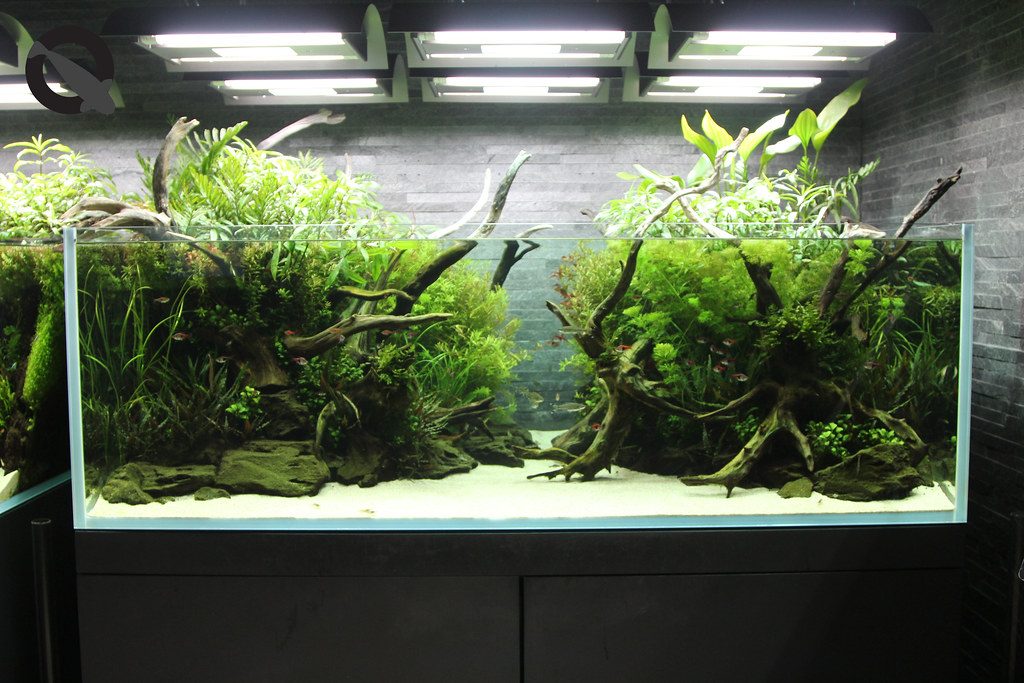
Allelopathy Planted Aquarium – Setup Checklist
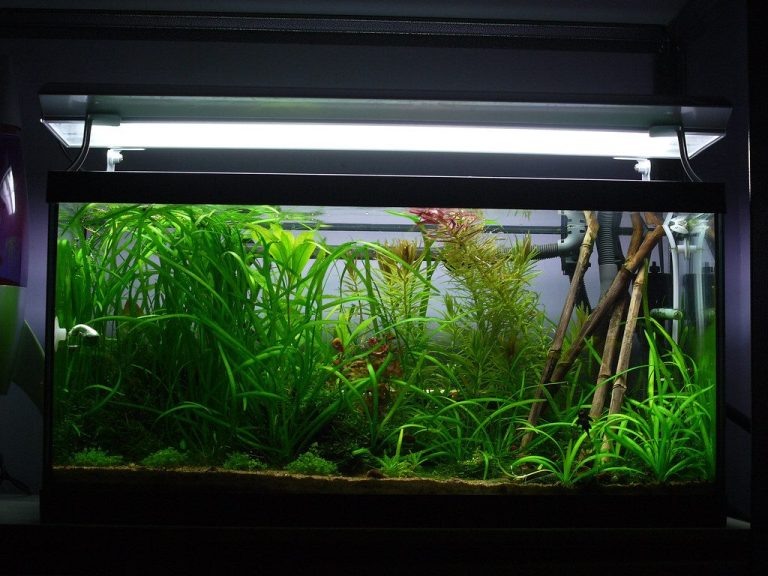
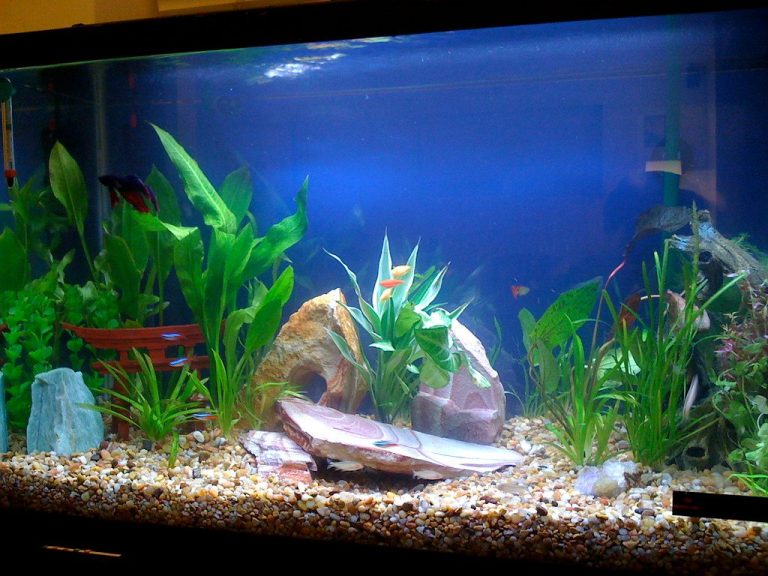
Allelopathy in a planted aquarium refers to the chemical interactions between aquatic plants, where one plant releases biochemicals that can either inhibit or promote the growth of other plants and even algae. Understanding this natural phenomenon allows aquarists to strategically select and arrange plants to encourage a healthier, more balanced aquatic ecosystem.
Welcome to Successful Aquarium. Today, we’re diving deep into a unusual, often overlooked aspect of aquatic botany that can profoundly impact the health and vibrancy of your underwater garden: allelopathy planted aquarium dynamics. For years, aquarists have struggled with unexplained plant melt, localized algae outbreaks, or certain plants simply refusing to do well alongside others. What if I told you many of these mysteries could be explained by a subtle chemical warfare – or peaceful coexistence – happening right under your nose?
As someone who has nurtured countless planted tanks over more than a decade, I’ve seen firsthand how key it is to understand the intricate relationships within an aquatic environment. Allelopathy, the release of biochemicals by one organism that affects another, isn’t just a scientific curiosity; it’s a powerful tool and a potential pitfall in our aquariums. By grasping its principles, you can transform your approach to aquascaping, leading to more sturdy plant growth, reduced algae, and an overall more stable ecosystem.
This comprehensive guide will demystify allelopathy, reveal its players, and equip you with actionable strategies to harness its benefits and mitigate its downsides. Let’s get the secrets to a flourishing planted aquarium together.
What Exactly is Allelopathy in a Planted Aquarium?
At its core, allelopathy describes the biochemical interactions between plants. It’s a natural phenomenon where one plant releases specific organic compounds, known as allelochemicals, into its environment. These chemicals can influence the growth, survival, and reproduction of neighboring organisms, whether positively or negatively.
Think of it as plants “talking” to each other through chemical signals. In a terrestrial garden, you might see certain weeds struggling to grow near particular flowers. The same intricate communication happens beneath the surface of your aquarium water.
The Science Behind the Subtlety
Aquatic plants, like their terrestrial counterparts, produce a wide array of secondary metabolites. These aren’t directly involved in primary metabolic processes like photosynthesis but serve various ecological functions. Allelochemicals are a subset of these metabolites.
They can be released through roots, decaying leaves, or even directly from living tissues. Once released, these compounds dissolve in the water, influencing the surrounding aquatic flora and microfauna.
Allelopathy vs. Competition: A Key Distinction
It’s easy to confuse allelopathy with simple competition for resources, but they are distinct. Competition occurs when plants vie for the same limited resources like light, CO2, or nutrients in the substrate or water column.
Allelopathy, however, involves the active release of chemicals that directly impact another organism’s physiological processes. While both can occur simultaneously and affect plant health, understanding the difference helps in troubleshooting aquarium issues. A plant might be outcompeting another for nitrates, but it could also be chemically inhibiting its neighbor’s root development.
Identifying Allelopathic Interactions in Your Planted Aquarium
Recognizing allelopathic effects in an aquarium can be challenging because they often mimic symptoms of nutrient deficiencies, inadequate lighting, or CO2 issues. However, with a keen eye and some investigative work, you can often pinpoint these chemical interactions.
In my experience, inexplicable localized problems are often the first clue. You might notice a patch of algae that relentlessly returns in one specific area, or a particular plant species consistently struggles only when placed next to another, despite seemingly ideal conditions.
Common Symptoms and Signs
Look out for these indicators:
- Stunted Growth: One plant species consistently fails to grow to its potential when near another, even if other plants in the tank are well-kept.
- Unusual Discoloration: Leaves might turn yellow, brown, or develop odd patterns without a clear nutrient deficiency.
- Localized Algae Outbreaks: Persistent algae growth around specific plant species, suggesting the plant might be releasing compounds that either promote that algae or inhibit competitor plants that would otherwise keep the algae in check.
- Failure to Root/Melt: Newly planted stems or rooted plants struggling to establish or melting away quickly when near certain established plants.
- Plant Die-off: The complete decline and eventual death of a plant species without any apparent cause like pests, disease, or extreme water parameter shifts.
Pro Tip: The “Boundary Line” Observation
I’ve often found that if a plant is struggling only on the side facing a particular neighbor, while the other side is healthy, it’s a strong indicator of allelopathic interference. Observe the “boundary line” between different species for tell-tale signs of distress or unusual growth patterns.
Common Allelopathic Plants in the Aquarium
While research into allelopathy in specific aquarium plants is ongoing, certain species are more commonly associated with these interactions, both positive and negative. It’s not always about outright inhibition; some plants can release beneficial compounds.
Many fast-growing stem plants and floating plants are known for their strong allelopathic capabilities. This is often an evolutionary advantage, allowing them to quickly colonize an area and suppress competitors.
Plants Known for Inhibitory Effects
Some plants are believed to release compounds that can suppress algae growth or inhibit the growth of other plants. This can be a double-edged sword.
- Hornwort (Ceratophyllum demersum): A classic example. Many aquarists report excellent algae control when using hornwort, likely due to its rapid growth and allelopathic exudates. However, some also note it can suppress the growth of more delicate foreground plants.
- Java Moss (Taxiphyllum barbieri): While generally benign, in very dense mats, it can release compounds that might hinder the establishment of very small, slow-growing plants nearby.
- Anacharis (Egeria densa): Another fast-growing stem plant often cited for its potential to inhibit algae. Its quick nutrient uptake combined with chemical release makes it a strong competitor.
Plants Known for Potentially Beneficial or Coexisting Effects
Not all allelopathy is negative. Some plants might release compounds that benefit certain neighbors or simply coexist well.
- Floating Plants (e.g., Dwarf Water Lettuce, Frogbit): Beyond shading, these plants are solid nutrient consumers and can release compounds that suppress surface algae and potentially some submerged algae species. Their vigorous growth rapidly extracts nitrates and phosphates, starving out algae.
- Cryptocoryne species: Generally considered good neighbors, though they can form dense root systems. Some aquarists speculate they may release mild compounds that promote a stable substrate environment.
- Mosses (other than Java Moss): Most mosses are excellent for creating intricate aquascapes and provide shelter for freshwater invertebrates, without strong allelopathic effects on larger plants.
A Glimpse at Potential Plant Interactions
Here’s a simplified table based on common observations in the hobby. These are generalizations and individual tank conditions vary widely.
| Plant Species (Exudate Source) | Primary Allelopathic Tendency | Observed Effect on Neighbors/Algae | Notes |
|---|---|---|---|
| Hornwort (Ceratophyllum demersum) | Inhibitory (Strong) | Algae suppression, potential stunting of delicate plants. | Excellent for initial algae control; monitor sensitive species. |
| Anacharis (Egeria densa) | Inhibitory (Moderate) | Algae suppression, strong competitor for nutrients. | Fast grower, good for new tanks but can dominate. |
| Dwarf Water Lettuce (Pistia stratiotes) | Inhibitory (Moderate) | Shading, strong nutrient uptake, some algae suppression. | Can block light for submerged plants if not thinned. |
| Java Moss (Taxiphyllum barbieri) | Neutral to Mildly Inhibitory | Generally compatible; very dense mats might mildly suppress tiny plants. | Great for spawning and hiding; trim regularly. |
| Vallisneria species | Neutral to Mildly Inhibitory | Strong root system can outcompete, but chemical effects are mild. | Spreads rapidly via runners; can form dense stands. |
Harnessing Allelopathy for a Healthier Planted Aquarium
The good news is that you can strategically use your knowledge of allelopathy to create a more stable and beautiful aquascape. It’s all about thoughtful planning and understanding the needs of your specific plants.
When I first started experimenting with different plant combinations, I learned quickly that a “mixed salad” approach doesn’t always yield the best results. Instead, considering how plants interact chemically can lead to much more peaceful growth.
Strategic Plant Placement and Grouping
One of the most effective ways to manage allelopathy is through intelligent aquascaping. Avoid placing known allelopathic inhibitors directly next to sensitive, slow-growing species.
For instance, if you’re using fast-growing stem plants like Anach
Keeper’s notes
- Remove melting or dead leaves promptly so they do not break down into ammonia.
- Yellowing older leaves often point to nitrogen or potassium shortage; yellowing new leaves usually point to iron.
- Epiphytes like java fern and anubias should be tied to rock or wood; burying the rhizome rots it.
- Most planted tanks do well with 6–8 hours of light per day; longer photoperiods usually just grow more algae.

- 2003First tank
- 20+Years keeping
- 40+Tanks kept
- 0Sponsored picks
Howard set up his first 10-gallon planted tank in 2003 and lost half of it within six weeks. Two decades and more than forty aquariums later, he writes the guides he wished he had then: clear numbers, the reasons behind them, and what actually goes wrong in home tanks.