How to Keep Aquarium Warm – Step-by-Step Guide
To keep an aquarium warm, combine a reliable submersible heater with an external controller, insulate the tank glass with polystyrene, use a tight-fitting lid to stop evaporation, and place the aquarium away from drafts.
Maintaining a stable environment is the most critical task for any fish keeper. Most aquarium inhabitants are poikilotherms, meaning their internal body temperature is regulated by the surrounding water.
When the water temperature fluctuates or drops too low, the metabolic rate of poikilotherms decreases significantly. This can lead to a suppressed immune system, making your fish vulnerable to opportunistic infections and parasites.
Understanding how to keep aquarium warm involves more than just plugging in a device. It requires a comprehensive approach to heat generation, retention, and emergency preparedness to help your aquatic ecosystem does well year-round.
The Science of Heat Management in Aquariums
Water has a high specific heat capacity, which means it requires a significant amount of energy to change its temperature. While this helps prevent rapid fluctuations, it also means that once a tank loses heat, it takes considerable effort to bring it back to the ideal range.
Heat loss in an aquarium occurs primarily through three methods: conduction through the glass, convection via air movement, and evaporation. Evaporation is particularly taxing on heat levels due to the latent heat of vaporization, where energy is pulled from the water as it turns into gas.
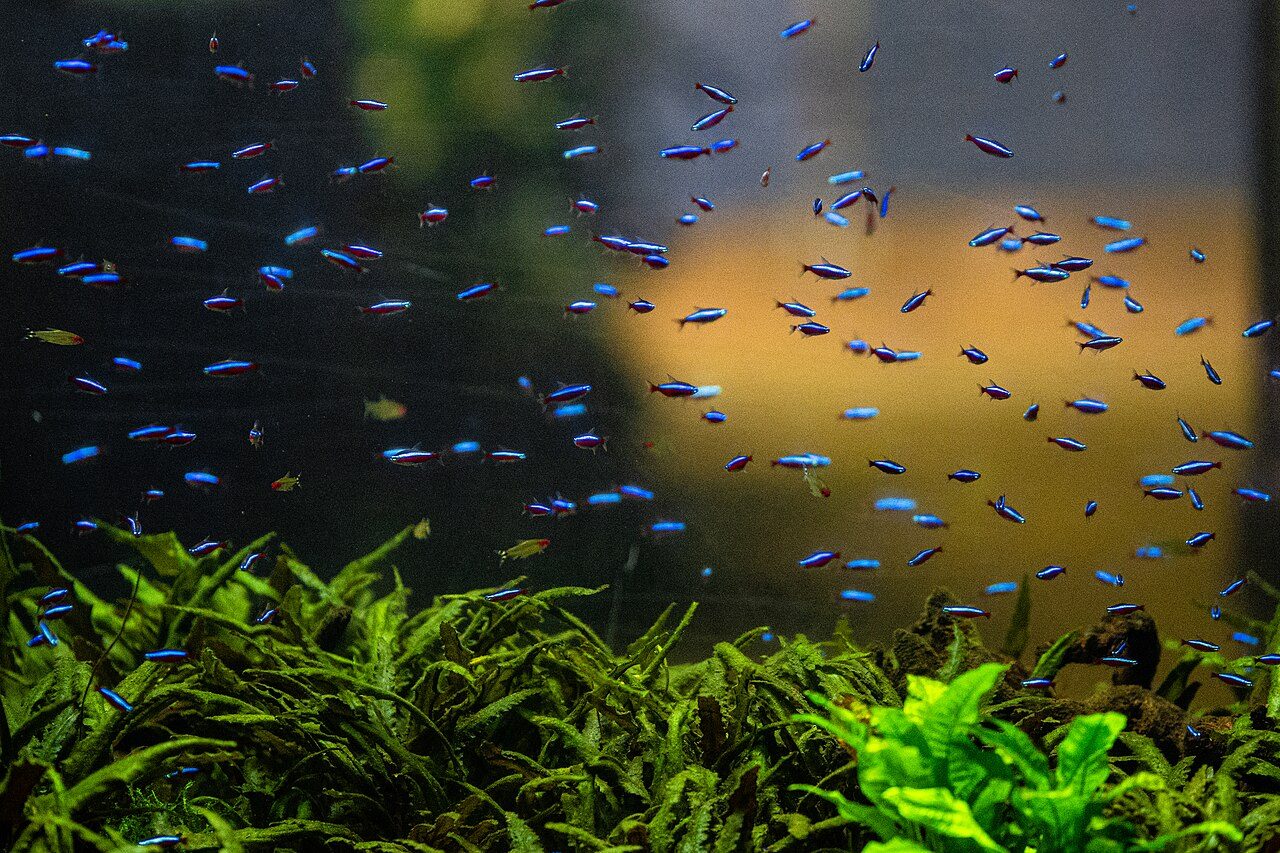
To effectively manage these factors, you must balance the heat output of your equipment with the environmental factors of your room. Proper aquarium temperature for tetras and other tropical species usually falls between 75°F and 80°F (24°C to 27°C).
Understanding Thermal Stratification
In larger tanks, a common issue is thermal stratification. This occurs when warm water rises to the top while cold pockets settle at the bottom near the substrate.
To prevent this, ensure you have adequate water circulation. Powerheads or filter outlets should be positioned to move water past the heater and distribute it evenly throughout the entire water column.
Pro Tip: Always place your heater near the filter intake or outlet. The constant flow of water ensures that the heated water is dispersed immediately, preventing the heater’s internal thermostat from shutting off prematurely due to a localized “warm bubble.”
Choosing the Right Heating Equipment
The most common tool for maintaining warmth is the submersible titanium heater or a high-quality glass variant. Titanium heaters are often preferred for larger setups because they are shatterproof and offer excellent heat transfer properties.
When selecting a heater, the standard rule of thumb is 3 to 5 watts of power per gallon of water. However, if your room is significantly colder than the target tank temperature, you may need to increase this to 8 or 10 watts per gallon.
| Tank Size (Gallons) | Standard Wattage (5W/Gal) | Cold Room Wattage (10W/Gal) |
|---|---|---|
| 10 Gallons | 50 Watts | 100 Watts |
| 29 Gallons | 150 Watts | 250-300 Watts |
| 55 Gallons | 250-300 Watts | 500 Watts (Dual Heaters) |
| 75 Gallons | 300-400 Watts | Dual 400 Watt Heaters |
The Importance of External Controllers
One of the most frequent points of failure in aquarium keeping is a stuck heater thermostat. If a heater stays “on,” it can quickly cook the inhabitants; if it stays “off,” the tank will freeze.
Using an external thermostat controller provides a vital secondary safety layer. You plug your heater into the controller, and the controller into the wall, making sure the power is cut if the temperature exceeds your set limit.
Modern Heating Technologies
Some advanced heaters now utilize a PTC heating element (Positive Temperature Coefficient). These are made of a special ceramic material that is inherently self-limiting, reducing the risk of overheating if the unit is accidentally exposed to air.
While more expensive, these units offer peace of mind. Regardless of the technology, knowing how to safely manage your equipment, including changing a heater element or replacing an old unit, is part of responsible husbandry.
How to Keep Aquarium Warm Using Effective Insulation
Sometimes, even the best heater cannot keep up with a cold winter draft. In these cases, you must focus on retaining the heat that is already being generated within the water.
Insulating the glass is one of the most effective ways to reduce energy consumption and maintain warmth. Glass is a poor insulator, allowing heat to radiate out into the room constantly.
Using Polystyrene and Bubble Wrap
Applying polystyrene insulation panels to the back and sides of the tank can drastically reduce heat loss. These panels are lightweight, inexpensive, and can be hidden behind a standard aquarium background.
If you are in a pinch or facing a sudden cold snap, heavy-duty bubble wrap is an excellent alternative. Wrapping the sides and front of the tank (leaving a small viewing window) creates air pockets that act as a thermal barrier.
The Role of the Aquarium Lid
A significant amount of heat is lost through the surface of the water. If your tank is open-top, you are losing energy through both convection and the latent heat of vaporization.
A tight-fitting glass canopy or a plastic hood is essential for heat retention. It traps a layer of warm, moist air between the water surface and the lid, creating a greenhouse effect that stabilizes the temperature.
Common Mistake: Many hobbyists leave their lids partially open for gas exchange. While oxygen is vital, a large gap during winter can cause the heater to run 24/7, leading to early mechanical failure and high electricity bills.
Strategic Aquarium Placement
Where you place your aquarium in a room has a massive impact on its thermal stability. An aquarium placed near a window will be subject to direct sunlight (overheating) and cold drafts (chilling).
Avoid placing tanks near air conditioning vents, exterior doors, or uninsulated walls. Ideally, the tank should be located in a room that is consistently heated to at least 68°F (20°C).
If the room itself is too cold, the “temperature delta” (the difference between the room and the tank) becomes too wide for a standard heater to bridge. In these scenarios, using a small space heater to raise the ambient room temperature is often more efficient than adding more aquarium heaters.
Emergency Procedures During Power Outages
A power outage is the ultimate test of an aquarist’s preparation. Without electricity, your heaters and filters stop, and the temperature will begin to drop immediately.
The first step is to wrap the entire aquarium in heavy blankets, sleeping bags, or specialized thermal “emergency blankets.” This slows the rate of heat loss and buys you valuable time.
Floating Warm Water Bottles
If the temperature continues to drop, you can use the warm water bottle method. Fill plastic bottles with hot (not boiling) water and float them in the tank.
Be very careful not to use boiling water, as this can crack the glass or cause thermal shock syndrome in fish that swim too close to the bottle. Monitor the temperature constantly and replace the bottles as they cool down.
Maintaining Oxygen During Heat Events
It is important to keep in mind that as water temperature rises, dissolved oxygen saturation decreases. If you are adding heat during an emergency, you must also ensure the water is being aerated.
Battery-operated air pumps are essential tools for any hobbyist. They keep the water moving, preventing stagnation and making sure your fish can breathe while you work to keep the water warm.
Monitoring and Maintaining Thermal Health
You cannot manage what you do not measure. A reliable, calibrated thermometer is the most important piece of equipment for monitoring how to keep aquarium warm throughout the year.
Avoid cheap sticker-type thermometers that go on the outside of the glass, as they often measure the room temperature rather than the water. Instead, use a digital probe or a high-quality glass alcohol thermometer submerged inside the tank.
| Thermometer Type | Accuracy | Best Use Case |
|---|---|---|
| Digital Probe | High | Daily monitoring and high-temp alerts. |
| Glass Submersible | Medium-High | Reliable backup with no batteries needed. |
| Infrared (IR) Gun | Low (on glass) | Quickly checking multiple tanks for major shifts. |
Recognizing Signs of Thermal Stress
If your efforts to make sure the aquarium warm are failing, your fish will show clear clinical signs. Being able to identify these early can help you take corrective action before losses occur.
Common symptoms of chilling include lethargy, resting on the bottom, and a lack of appetite. Conversely, if the tank becomes too warm, fish may gasp at the surface due to low oxygen. Maintaining a strict biosecurity protocol helps make sure stressed fish don’t fall victim to secondary diseases during temperature swings.
Quick checklist
- Place the heater near the filter outflow so warm water spreads evenly through the tank.
- Always check heater settings with a separate thermometer; built-in dials are often a few degrees off.
- Use roughly 3–5 watts per gallon for heaters in average room temperatures; colder rooms need more.
- Two smaller heaters are safer than one big one; if one sticks on or fails, the other limits the damage.
Reader questions About Keeping Aquariums Warm
Can I use a regular heating pad under my aquarium?
No, you should never use a household heating pad under an aquarium. The weight of the tank can cause the pad to overheat or short circuit, and the uneven heat distribution can crack the bottom glass of the tank.
Will aquarium lights help keep the water warm?
Older T5 or metal halide lights produce significant heat and can contribute to warming. However, modern LED lights are designed to be cool-running and provide negligible heat to the water column.
Is it safe to use two heaters in one tank?
Yes, using two smaller heaters is often safer than using one large heater. If one fails “off,” the other can prevent the tank from freezing. If one fails “on,” it is less likely to overheat the tank as quickly as a single high-wattage unit would.
How fast should I raise the temperature if it drops?
You should aim to raise the temperature slowly, no more than 1 to 2 degrees Fahrenheit per hour. Rapid changes can cause thermal shock syndrome, which is often more fatal than the cold itself.
Final Thoughts on Aquarium Temperature Stability
Mastering how to keep aquarium warm is a fundamental skill that separates casual keepers from successful aquarists. If you combine sturdy heating hardware with smart insulation and a clear emergency plan, you create a safe haven for your fish.
Remember that consistency is more important than hitting a specific number. A tank that stays at a steady 74°F is often healthier than one that swings between 72°F and 82°F every day.
Keep your equipment clean, monitor your thermometers daily, and always have a backup plan for when the power goes out. Your aquatic inhabitants rely entirely on you to maintain their tropical paradise, even when the world outside is freezing.

- 2003First tank
- 20+Years keeping
- 40+Tanks kept
- 0Sponsored picks
Howard set up his first 10-gallon planted tank in 2003 and lost half of it within six weeks. Two decades and more than forty aquariums later, he writes the guides he wished he had then: clear numbers, the reasons behind them, and what actually goes wrong in home tanks.