How to Keep Aquarium Warm Without Heater – Safe Methods
To keep an aquarium warm without a heater, insulate the tank walls with polystyrene or blankets, use a tight-fitting lid to prevent evaporation, and float sealed bottles of warm water to provide an emergency heat source.
Maintaining a stable environment is one of the most critical aspects of successful fish keeping. While modern equipment is generally reliable, knowing how to keep aquarium warm without heater is a vital skill for handling power outages or unexpected equipment failures.
Fish and many aquatic invertebrates rely on poikilothermic regulation, meaning their internal body temperature is dictated by the surrounding water. When water temperatures drop too low or fluctuate rapidly, these animals can experience severe physiological stress.
This guide provides actionable, expert-approved strategies to preserve heat and protect your aquatic life. Once you understand the principles of insulation and thermal mass, you can maintain a safe environment for your pets even during a crisis.
The Biological Impact of Temperature Drops
When the water temperature in an aquarium falls below the target range, the metabolic rate of your fish slows down significantly. This reduction in biological activity affects their immune system, making them more susceptible to pathogens such as Ichthyophthirius multifiliis, commonly known as Ich.
Sudden changes in temperature are often more dangerous than a slow, gradual decline. This phenomenon, known as thermal shock, can lead to immediate distress, organ failure, or even death in sensitive species.
Pro Tip: Always keep a high-accuracy digital thermometer in your tank. Monitoring small fluctuations early allows you to take action before the water reaches a critical temperature for your specific species.
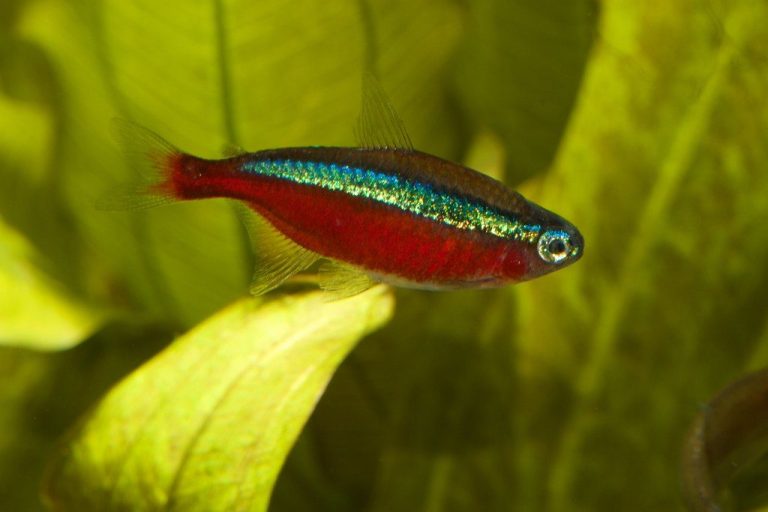
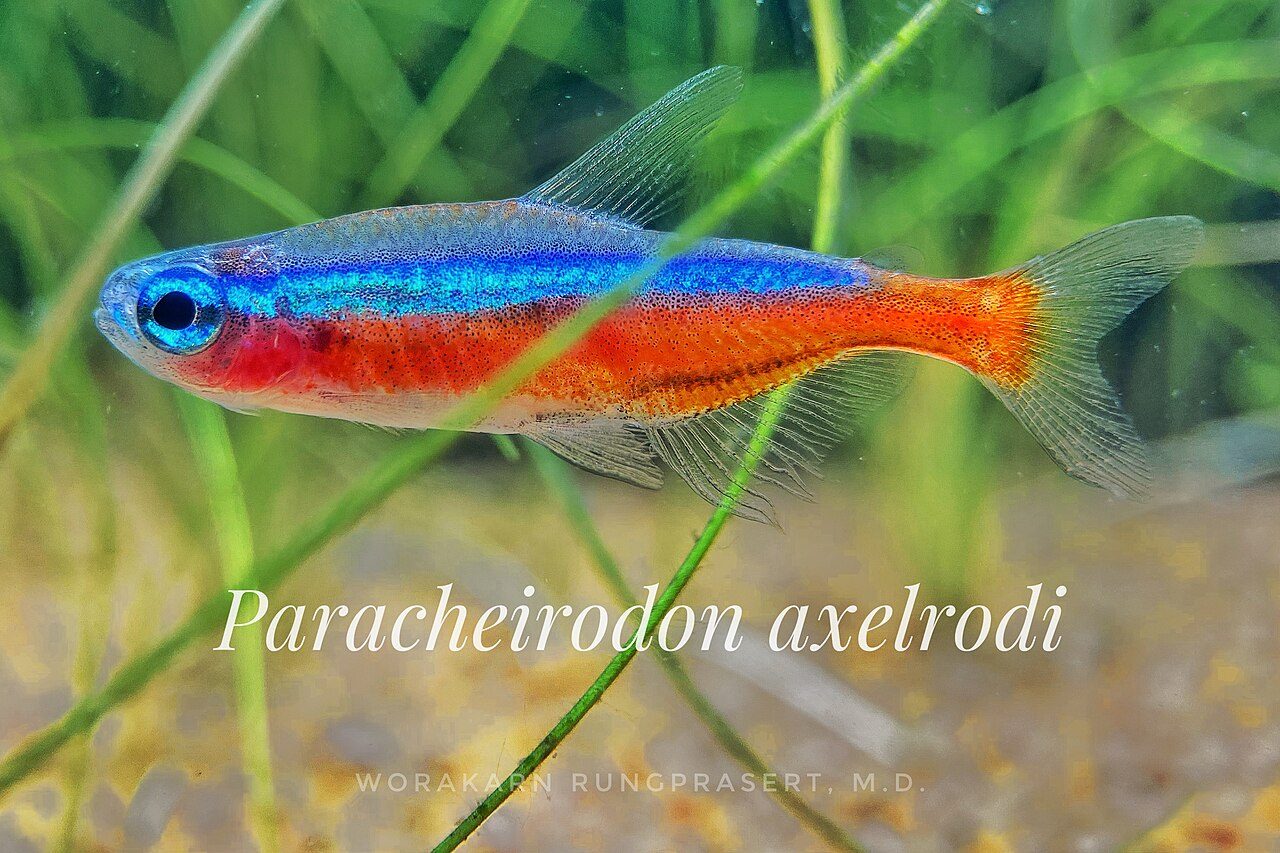
Maintaining stability is especially important for tropical species. If you are wondering do neons need a heater, the answer is usually yes, as they require consistent warmth to flourish and avoid disease.
Effective Insulation Techniques for Heat Retention
The primary way an aquarium loses heat is through its glass walls and the water’s surface. Polystyrene insulation is one of the most effective materials for slowing down this heat transfer.
By taping sheets of foam insulation to the back and sides of the tank, you create a barrier that traps existing warmth. If foam is not available, wrapping the aquarium in thick towels or heavy blankets can provide a similar, albeit temporary, effect.
Mylar thermal blankets, often called emergency space blankets, are another excellent tool. These thin, reflective sheets are designed to reflect radiant heat back into the aquarium, significantly slowing the cooling process during a power outage.
Maximizing Insulation Efficiency
For the best results, you should insulate as much of the glass surface as possible. Leave only a small “viewing window” if necessary, but in a true emergency, covering the entire tank is preferred.
| Material | Insulation Rating | Best Use Case |
|---|---|---|
| Polystyrene Foam | High | Long-term passive insulation and backboards. |
| Mylar Blankets | Medium-High | Reflecting radiant heat during power outages. |
| Bubble Wrap | Medium | Temporary insulation that allows light through. |
| Thick Towels | Low-Medium | Immediate emergency use when other items are missing. |
Strategic Tank Placement and Room Temperature
The location of your aquarium plays a massive role in its ability to retain heat. Learning how to keep aquarium warm without heater involves managing the environment outside the glass as much as the water inside.
Ensure your tank is positioned away from cold drafts, exterior walls, and windows. During winter months, even a small gap in a window frame can create a cold microclimate that siphons heat away from your aquarium.
If the power is still on but your heater has failed, simply increasing the home’s thermostat can help. By narrowing the gap between the room temperature and the target water temperature, you reduce the rate of heat loss.
Utilizing Thermal Mass
Larger bodies of water have a higher thermal mass, meaning they lose heat much more slowly than smaller tanks. If you have multiple small aquariums, grouping them together and wrapping them in a single insulating layer can help them share and retain heat.
Reducing the distance between heat sources and the water is also beneficial. If you have a nearby radiator or space heater, make sure it is safely positioned to warm the air around the tank without overheating the glass.
Emergency Heating with Hot Water Bottles
In a crisis where you must know how to keep aquarium warm without heater immediately, floating sealed containers of hot water is a proven method. This technique introduces a controlled heat source directly into the water column.
Fill plastic bottles or waterproof bags with warm water and seal them tightly. It is important to use warm water rather than boiling water to prevent the plastic from melting or causing thermal shock to fish that swim too close.
Gently float these containers on the surface or secure them near the filter output. As the water inside the bottles cools, replace it with fresh warm water to maintain a steady temperature.
Common Mistake: Never pour hot water directly into the aquarium. This creates localized “hot spots” that can burn fish and disrupts the overall temperature stability of the tank.
Managing Evaporative Cooling and Surface Agitation
Evaporation is one of the most significant contributors to heat loss in an aquarium. Evaporative cooling mitigation involves sealing the top of the tank to prevent moisture and heat from escaping into the air.
A tight-fitting lid or hood is essential. If your tank is open-topped, cover it with plastic wrap or a sheet of glass during a cold spell to trap the warm, humid air above the water surface.
While surface agitation is usually necessary for gas exchange, excessive splashing can accelerate cooling. If the temperature is dropping rapidly, consider reducing the flow of your filter or air stone slightly, provided you monitor the fish for signs of oxygen distress.
Dissolved Oxygen Considerations
It is important to keep in mind that as water temperature changes, the dissolved oxygen saturation levels also shift. While colder water actually holds more oxygen than warm water, the lack of power for filters can lead to stagnation.
If you are insulating the tank heavily, keep there is still a small amount of air exchange. Using a battery-powered air pump is a great way to maintain oxygenation while the main filtration system is offline.
Utilizing Equipment Heat Dissipation
Even without a dedicated heater, other pieces of aquarium equipment generate small amounts of warmth. Submersible pump heat dissipation can contribute a few degrees to the water temperature over time.
Internal powerheads and filters release waste heat directly into the water they are submerged in. While this is usually negligible in large tanks, it can be a helpful factor in smaller setups.
Older styles of lighting, such as incandescent or halogen bulbs, also emit significant radiant heat. If you are struggling to keep the water warm, leaving these lights on for longer periods can provide a slight boost to the surface temperature.
Lighting and Temperature Stability
Be cautious when using lights as a heat source. Excessive light can lead to algae blooms or disrupt the natural circadian rhythm of your fish and plants.
For those keeping specific species, maintaining the correct aquarium temperature for tetras is essential for their long-term health. Using a combination of insulation and light-based heat can help bridge the gap during a heater failure.
Step-by-Step Emergency Heat Management Checklist
When the temperature starts to drop, follow this prioritized checklist to stabilize your aquarium.
- Verify the Temperature: Confirm the drop with a secondary thermometer to rule out equipment error.
- Seal the Lid: Cover any gaps in the hood with plastic wrap to stop evaporation.
- Apply Insulation: Wrap the back and sides of the tank with polystyrene, blankets, or Mylar.
- Adjust Room Heat: Turn up the home heater or move a safe space heater into the room.
- Prepare Warm Bottles: Float sealed bottles of warm water if the temperature continues to fall.
- Monitor Fish Behavior: Watch for lethargy or gasping, which indicates stress or low oxygen.
- Minimize Water Changes: Avoid large water changes unless the replacement water is perfectly temperature-matched.
If you must perform maintenance during this time, following a strict biosecurity protocol helps make sure you don’t introduce further stress to your already vulnerable fish.
Worth knowing before you start
- Use roughly 3–5 watts per gallon for heaters in average room temperatures; colder rooms need more.
- Unplug the heater during water changes so the glass does not crack when exposed to air.
- Two smaller heaters are safer than one big one; if one sticks on or fails, the other limits the damage.
- Always check heater settings with a separate thermometer; built-in dials are often a few degrees off.
Quick answers About Aquarium Temperature Management
Can I use a hair dryer to warm up the tank water?
No, using a hair dryer is inefficient and potentially dangerous. The focused heat can crack the glass of the aquarium, and there is a high risk of electrical shock near water.
How long can fish survive without a heater?
Survival depends on the species and the ambient room temperature. Tropical fish may only last a few hours if the room is very cold, whereas temperate species can handle lower temperatures for days or weeks.
Is it safe to use a candle under a glass tank?
Never place a candle or open flame directly under or near an aquarium. This creates extreme stress on the glass, which can lead to catastrophic failure and tank breakage.
Will adding more fish help keep the tank warm?
While fish do produce a tiny amount of metabolic heat, it is not enough to influence the water temperature. Adding more fish will only increase the biological load and decrease available oxygen during a crisis.
Should I feed my fish if the temperature is low?
It is best to reduce or stop feeding when the temperature drops. Because their metabolic rate is slower, they will not digest food properly, which can lead to internal health issues and poor water quality.
Final Thoughts on Maintaining a Warm Environment
Learning how to keep aquarium warm without heater is an essential part of being a prepared aquarist. If you focus on insulation, preventing evaporation, and using safe emergency heat sources, you can protect your aquatic inhabitants from the dangers of cold stress.
Preparation is always better than a reactive approach. Keeping a few sheets of polystyrene and some Mylar blankets in your supply cabinet ensures that you are ready for any situation that threatens the stability of your tank.
The goal is stability. Avoid making drastic changes too quickly, as the stress of a rapid temperature spike can be just as harmful as the cold itself.

- 2003First tank
- 20+Years keeping
- 40+Tanks kept
- 0Sponsored picks
Howard set up his first 10-gallon planted tank in 2003 and lost half of it within six weeks. Two decades and more than forty aquariums later, he writes the guides he wished he had then: clear numbers, the reasons behind them, and what actually goes wrong in home tanks.