Terrarium Vs Fish Tank – Which One to Choose
A terrarium builds a self-sustaining miniature terrestrial ecosystem, ideal for plants, insects, or reptiles, focusing on humidity and substrate. A fish tank, or aquarium, provides an aquatic habitat, requiring precise water parameters and filtration for fish, invertebrates, and aquatic plants.
Welcome to “Successful Aquarium”! As seasoned aquarists, we often encounter unusual setups that blur the lines between different types of contained ecosystems. The choice between a terrarium vs fish tank is a fundamental one for anyone looking to bring a slice of nature indoors. Both offer unique rewards and challenges, appealing to different aspects of the natural world.
Having maintained various aquatic and terrestrial setups for over a decade, I’ve learned that understanding the core principles behind each is biggest factor. This guide will walk you through the distinct characteristics, setup requirements, and ongoing care for both terrariums and fish tanks. Our goal is to equip you with the knowledge to choose the perfect habitat that aligns with your passion and commitment.
Understanding the Fundamentals: What is a Terrarium?
A terrarium is essentially a miniature garden or landscape enclosed within a container, typically glass. Its primary purpose is to create a controlled environment that mimics a specific terrestrial biome, such as a rainforest, desert, or temperate forest. The focus here is on land-dwelling plants and sometimes small animals.
There are two main types of terrariums:
- Closed Terrariums: These are sealed containers that create a self-sustaining water cycle, perfect for humidity-loving plants like mosses and ferns. They require very little watering once established.
- Open Terrariums: Featuring an open top, these are suitable for plants that prefer drier conditions, such as succulents and cacti. They allow for more airflow and evaporation.
The charm of a terrarium lies in its ability to bring rich greenery and remarkable micro-fauna into your home. It’s a journey into botanical artistry and ecological balance.
Typical Terrarium Inhabitants and Their Needs
Terrariums can host a surprising variety of life. For plants, choices range from dense tropical foliage to arid succulents, depending on the terrarium type. Small invertebrates like isopods or springtails are often added as a “clean-up crew” to manage decaying matter.
For enthusiasts looking for animal inhabitants, terrariums can house small reptiles, amphibians, or insects. Think dart frogs, geckos, or praying mantises. Each animal has specific requirements for temperature, humidity, and substrate.
For example, a tropical terrarium housing dart frogs would require high humidity, an automated misting system, and a dense planting of moisture-loving plants. A desert terrarium for a leopard gecko would need low humidity, a sandy substrate, and a UVB reptile lamp.
Diving Deep: What is a Fish Tank (Aquarium)?
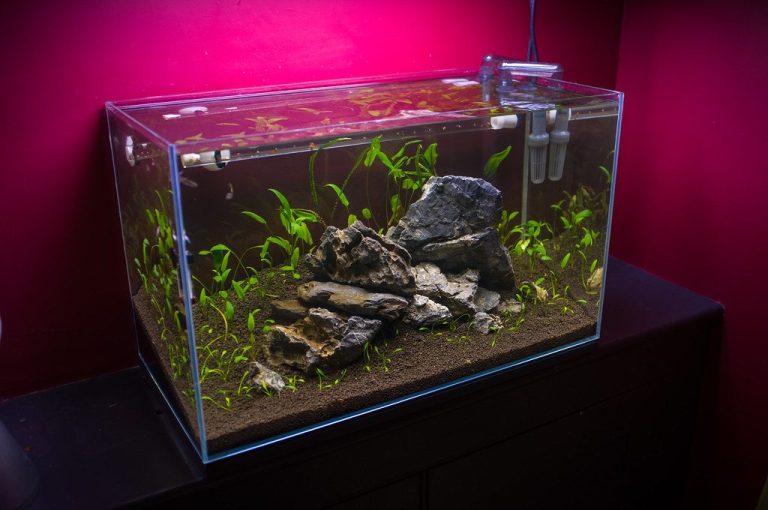
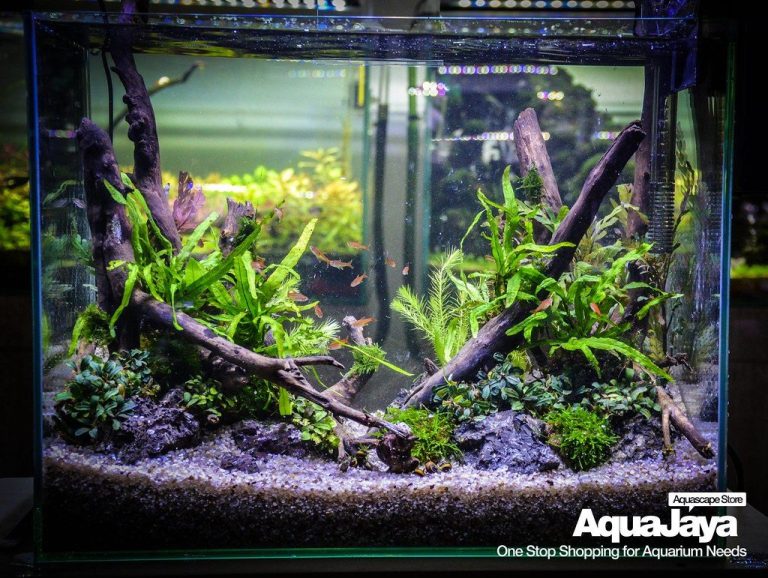
A fish tank, or aquarium, is a transparent container—usually glass or acrylic—designed to hold aquatic animals and plants. Unlike terrariums, the primary medium here is water, and maintaining its quality is the top priority. Aquariums can recreate freshwater, brackish, or saltwater environments, each with its own set of challenges and rewards.
From a small bowl with a single betta to vast reef tanks teeming with marine life, the diversity in aquariums is immense. They offer a eye-catching window into underwater worlds.
Common Aquarium Types and Aquatic Life
Aquariums are broadly categorized by the type of water they contain:
- Freshwater Aquariums: The most common type, suitable for a vast array of fish like tetras, guppies, cichlids, and many invertebrates. This category includes planted tanks, community tanks, and biotope setups.
- Saltwater Aquariums: These replicate marine environments, home to colorful coral reefs, rich fish, and diverse invertebrates. They are generally more complex to set up and maintain.
- Brackish Aquariums: A less common but unusual option, these tanks house species that do well in a mix of fresh and saltwater, such as certain puffers or gobies.
The aquatic life you choose dictates the tank’s setup. For instance, a fish tank for Neon Tetras will have different requirements than a tank for large cichlids. A solid filtration system and a reliable submersible aquarium heater are almost always essential.
Terrarium vs Fish Tank: A Head-to-Head Comparison
To understand the differences, let’s break down the key aspects of a terrarium vs fish tank. This table provides a quick overview, followed by a deeper look at each point.
| Feature | Terrarium | Fish Tank (Aquarium) |
|---|---|---|
| Primary Medium | Soil, substrate, air, regulated humidity | Water (freshwater, saltwater, brackish) |
| Inhabitants | Terrestrial plants, mosses, small reptiles, amphibians, insects, invertebrates | Aquatic fish, invertebrates (shrimp, snails), aquatic plants |
| Environmental Control Focus | Temperature, light, relative humidity control, airflow | Water temperature, water parameters (pH, GH/KH, ammonia, nitrite, nitrate), dissolved oxygen, light |
| Key Equipment | Specialized substrate, drainage layer, lighting (UVB for reptiles), heating pads/lamps, misting systems, ventilation | Heater, filtration system, air pump, lighting, thermometer, water testing kits |
| Maintenance | Pruning plants, occasional watering/misting, spot cleaning, pest control | Regular water changes, filter cleaning, water testing, algae removal, feeding |
| Complexity | Moderate; establishing proper layers and humidity can be tricky | Can be complex, especially saltwater; requires constant monitoring of water chemistry |
| Typical Cost | Variable, can be lower for plant-only; higher with specialized animal care and automated systems | Variable, can be higher due to specialized filtration, heaters, and livestock costs |
Environmental Control: Air vs. Water
The most fundamental difference is the environment itself. A terrarium focuses on atmospheric conditions. This means managing temperature, ambient light, and especially relative humidity control. Many terrarium inhabitants, particularly tropical species, rely on consistent humidity levels to flourish. An automated misting system can be a big help here.
On the other hand, a fish tank is all about water quality. pH, temperature, water hardness (GH/KH), and levels of toxins like ammonia are critical. Even slight fluctuations can stress or harm aquatic life. This constant chemical balance requires vigilant monitoring and regular intervention.
Substrate and Hardscape: Foundation of Life
In a terrarium, the substrate is the foundation for plants and burrowing animals. A proper drainage layer construction, often made of leca balls or gravel, is key to prevent root rot. Above this, a specialized soil mix, coco fiber, or sand provides nutrients and holds moisture. Hardscape elements like rocks, branches, and cork bark offer climbing opportunities and aesthetic appeal.
For an aquarium, the substrate can be gravel, sand, or a specialized planted tank substrate. This layer anchors plants and provides surface area for beneficial bacteria. Hardscape typically includes driftwood and rocks, which also contribute to the water chemistry and provide hiding spots for fish.
Filtration and Water Management: The Life Support System
Terrariums, particularly closed ones, are often self-sustaining in terms of water cycling. Moisture evaporates from the substrate and plants, condenses on the cooler glass, and drips back down. Open terrariums require manual watering. Filtration isn’t typically a concern, though good ventilation is important for air quality.
Fish tanks, however, cannot survive without sturdy filtration. Mechanical, chemical, and biological filtration are vital to remove waste, toxins, and keep the water crystal clear. A powerful canister filtration system or hang-on-back filter processes gallons of water per hour. Without it, dangerous levels of ammonia toxicity can quickly build up, threatening all aquatic life.
Pro Tip: Understanding Ammonia Toxicity
In an aquarium, ammonia is the silent killer. Fish waste and uneaten food break down into ammonia, which is highly toxic. Beneficial bacteria in your filter convert ammonia to less toxic nitrite, then to even less toxic nitrate. Always cycle your tank before adding fish and regularly test water parameters to avoid ammonia spikes. I’ve personally seen many new hobbyists lose fish because they underestimated the importance of a properly cycled filter.
Lighting and Heating: Essential for Flourishing Biota
Both setups require appropriate lighting, but for different reasons. Terrarium lighting often mimics natural sunlight cycles, supporting plant growth. For reptiles or amphibians, specific lighting like a UVB reptile lamp is essential for their health, bone development, and vitamin D synthesis. Heating pads or ceramic heat emitters maintain ambient temperatures.
Aquarium lighting is key for photosynthesis in aquatic plants and for showing off the bright colors of fish. Specialized LED fixtures can provide the full spectrum needed for leafy planted tanks, sometimes even requiring a CO2 injection system for advanced plant growth. A reliable submersible aquarium heater is non-negotiable for tropical fish, maintaining a stable water temperature within a narrow range.
Maintenance Demands: A Different Kind of Chores
Terrarium maintenance generally involves less frequent intervention. Pruning overgrown plants, spot cleaning glass, and occasional misting or watering are typical tasks. Pest control for common plant issues might be needed. Closed terrariums can go weeks or months without direct watering.
Aquarium maintenance is more regular and often more intensive. Weekly or bi-weekly water changes, filter media cleaning, algae scraping, and water parameter testing are ongoing responsibilities. Feeding inhabitants daily is also part of the routine. The health of your fish depends entirely on consistent water quality management.
Choosing Your Path: Which is Right for You?
The decision between a terrarium vs fish tank ultimately comes down to your personal interests, commitment level, and the specific type of life you wish to build. Both offer incredible opportunities for observation, learning, and creating a beautiful living display.
Consider these questions:
- Are you fascinated by dense greenery and miniature landscapes, or the serene dance of aquatic life? If plants and small terrestrial animals appeal more, a terrarium might be your calling. If you’re drawn to fish behavior and underwater gardens, an aquarium is the way to go.
- How much time are you willing to dedicate to daily and weekly maintenance? Aquariums, especially those with sensitive fish or complex planted setups, typically demand more frequent and precise attention. Terrariums can be more forgiving, particularly closed systems.
- What is your budget? While both can be started affordably, specialized equipment for advanced setups (e.g., CO2 injection system for planted tanks, automated misting system for vivariums, or large saltwater setups) can significantly increase costs.
Common Mistake: Underestimating Initial Costs and Cycling
Many beginners underestimate the initial investment in quality equipment for either setup. A cheap heater or filter can lead to disaster in an aquarium. For terrariums, skimping on proper substrate layers can lead to mold and unhealthy plants. Moreover, rushing the “cycling” process for a fish tank – the biological maturation of the filter – is a common cause of early fish loss. Patience is a virtue in this hobby.
If you’re a nature lover who appreciates the subtle beauty of a self-contained ecosystem and enjoys gardening on a miniature scale, a terrarium is an excellent choice. You’ll find immense satisfaction in creating a bright, living landscape.
If you’re captivated by the dynamic movement of fish, the intricate balance of an aquatic ecosystem, and the challenge of maintaining pristine water conditions, an aquarium will provide endless fascination. It’s an immersive hobby that teaches patience and responsibility.
Worth knowing before you start
- In a paludarium, keep water and land sections separated with a solid barrier so soil does not wash into the water.
- Treat the water section like an aquarium: it still needs filtration, cycling and water changes.
- Choose plants that tolerate high humidity, such as pothos, ferns and mosses, for the land section.
- Make sure any land animals and fish in a combined setup have compatible temperature and humidity needs.
Questions I get asked a lot
What’s the biggest difference in setup complexity?
A fish tank’s complexity primarily revolves around establishing and maintaining stable water parameters (pH, temperature, ammonia, etc.) using filtration and heating. A terrarium’s complexity is often in creating the correct substrate layers, humidity, and ventilation for specific terrestrial species.
Can I put fish in a terrarium?
No, a terrarium is designed for terrestrial or semi-aquatic environments. Fish require a fully aquatic environment, complete with proper water volume, filtration, and water quality parameters that a terrarium cannot provide.
Can I put reptiles in a fish tank?
Only if the “fish tank” is properly converted into a terrarium (often called a vivarium or paludarium) with appropriate substrate, ventilation, heating, and lighting for the specific reptile. A standard fish tank setup with water is not suitable for most reptiles.
Are terrariums cheaper than fish tanks?
Generally, a basic plant-only terrarium can be cheaper to set up and maintain than a basic fish tank, as it requires less specialized equipment like filters and heaters. However, large, complex terrariums with automated systems and live animals can be just as expensive, if not more, than a high-end aquarium.
How often do I need to clean a terrarium versus a fish tank?
Terrariums typically require less frequent cleaning; pruning and spot cleaning might be done every few weeks to months. Fish tanks demand regular maintenance, usually weekly or bi-weekly water changes and filter cleaning, to maintain healthy water quality for aquatic life.
What kind of lighting do I need for each?
Terrariums usually need full-spectrum LED lights for plant growth, and sometimes a UVB reptile lamp if housing reptiles. Fish tanks require specialized aquarium lighting that supports aquatic plant growth (if desired) and improves fish coloration, often with specific intensity and spectrum.
Final thoughts
Whether you choose the dense, self-contained world of a terrarium or the colorful, dynamic ecosystem of a fish tank, you’re embarking on a satisfying journey. Both offer a unique connection to nature, bringing beauty and tranquility into your home. The biggest factor lies in understanding the specific needs of your chosen environment and its inhabitants.
In my experience, both hobbies teach invaluable lessons about ecology, patience, and careful observation. Don’t be afraid to start small, do your research, and enjoy the process of nurturing your own miniature world. Happy keeping.

- 2003First tank
- 20+Years keeping
- 40+Tanks kept
- 0Sponsored picks
Howard set up his first 10-gallon planted tank in 2003 and lost half of it within six weeks. Two decades and more than forty aquariums later, he writes the guides he wished he had then: clear numbers, the reasons behind them, and what actually goes wrong in home tanks.